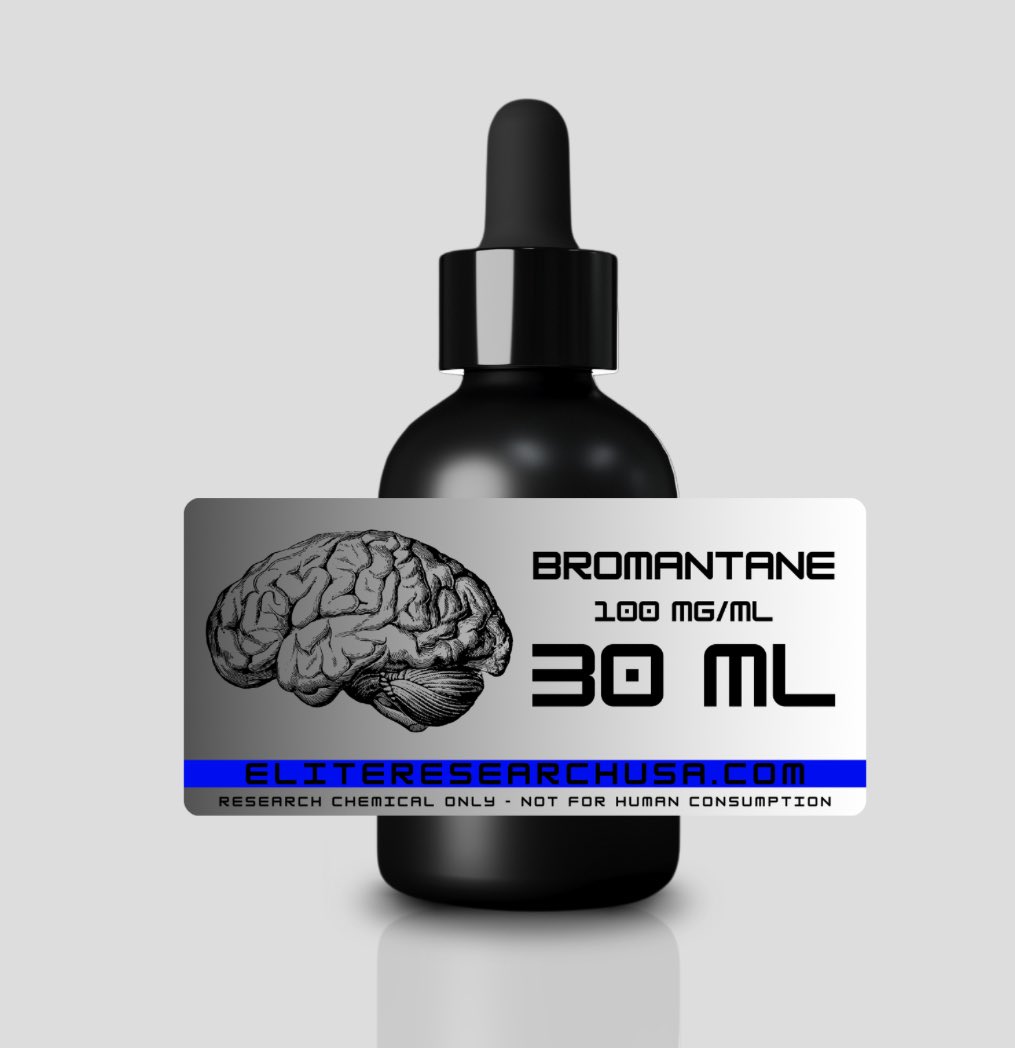
Bromantane is one of those compounds that sounds overhyped. UNTIL you try it yourself and understand why people keep coming back to it.
An atypical stimulant that stands out as one of the most distinctive nootropics. A compound that can simultaneously boost productivity, mental endurance, focus, and physical stamina.
What makes bromantane especially interesting, though, is how different it feels from conventional stimulants. Rather than simply forcing stimulation, it tends to produce a steadier and more functional sense of drive. It has quickly become one of my personal favorites.
>Reduced anhedonia and fatigue. It can make effort feel more worthwhile and rewarding without feeling artificially stimulated.
> Better sleep quality and reduced anxiety. Despite primarily acting like a stimulant, Bromantane can feel surprisingly calming and seems to support a more resilient stress response.
> No obvious comedown. It rarely feels overly stimulating, erratic, or jittery. The effects are exceptionally smooth.
>Strongly dopaminergic. Bromantane increases the expression of enzymes involved in Dopamine synthesis. Creating gradual improvements in mood and mental energy.
>Synergy with other stimulants. Pairing particularly well with amphetamines. It seems to enhance the productive and motivational effects while softening some negatives such as anxiety, overstimulation, or rapid drug tolerance.
Although many theories seek to explain pattern baldness, one observation stays broadly consistent: hair loss tends to occur in scalp regions characterized by high 5αr activity and low aromatase expression.
Given the inverse relationship, It’s understandable why someone might conclude that androgens cause hair loss or that estrogens promote hair growth. But, both claims lack important context. Leaving us with an incomplete framework of what drives hair loss.
Hanz is on the right path, but his model misses one important distinction: Estrogen receptor alpha (ERα) and Estrogen receptor beta (ERβ) are not interchangeable.
Estrogen signaling in the follicle is receptor-specific. ERβ is the receptor worth preserving in this context. It helps suppress the inflammatory, fibrotic, and oxidative programs that drive follicular dysfunction. While excessive ERα activity is more likely to push the follicle toward premature regression.
ERβ knockout mice develop regression significantly faster and exhibit increased apoptotic degeneration, especially in hair follicle keratinocytes. ERβ is best viewed as a catagen modulator —helping reverse the follicle regressing effects of ERα. In other words, ERβ is needed to “buffer” ERα driven regression.
The same receptor pattern appears in female physiology. Higher ERβ activity around ovulation correlates with a more favorable anagen-to-telogen ratio and greater follicle shaft diameter; the decline in ERβ after menopause and postpartum is associated with increased shedding. ERβ loss produces impaired ovulation/subfertility in rodents. Reinforcing that this is more than just a difference in receptor staining.
ERβ also does not rely on aromatization at all. DHT can be locally converted to 3β-diol, which functions primarily as an ERβ-active steroid. 3β-diol accounts for as much as 50% of identified local metabolites in the human scalp. This is functionally relevant because it suggests that an ERβ-biased environment can still be supported without relying on elevated circulating E2.
So, I do not think the correct approach is to deliberately increase estrogen exposure in pursuit of reversing hair loss. The more relevant concept is maintaining regular hormonal turnover, robust 5αr expression, and downstream metabolic handling of the protective ERβ-active steroids.
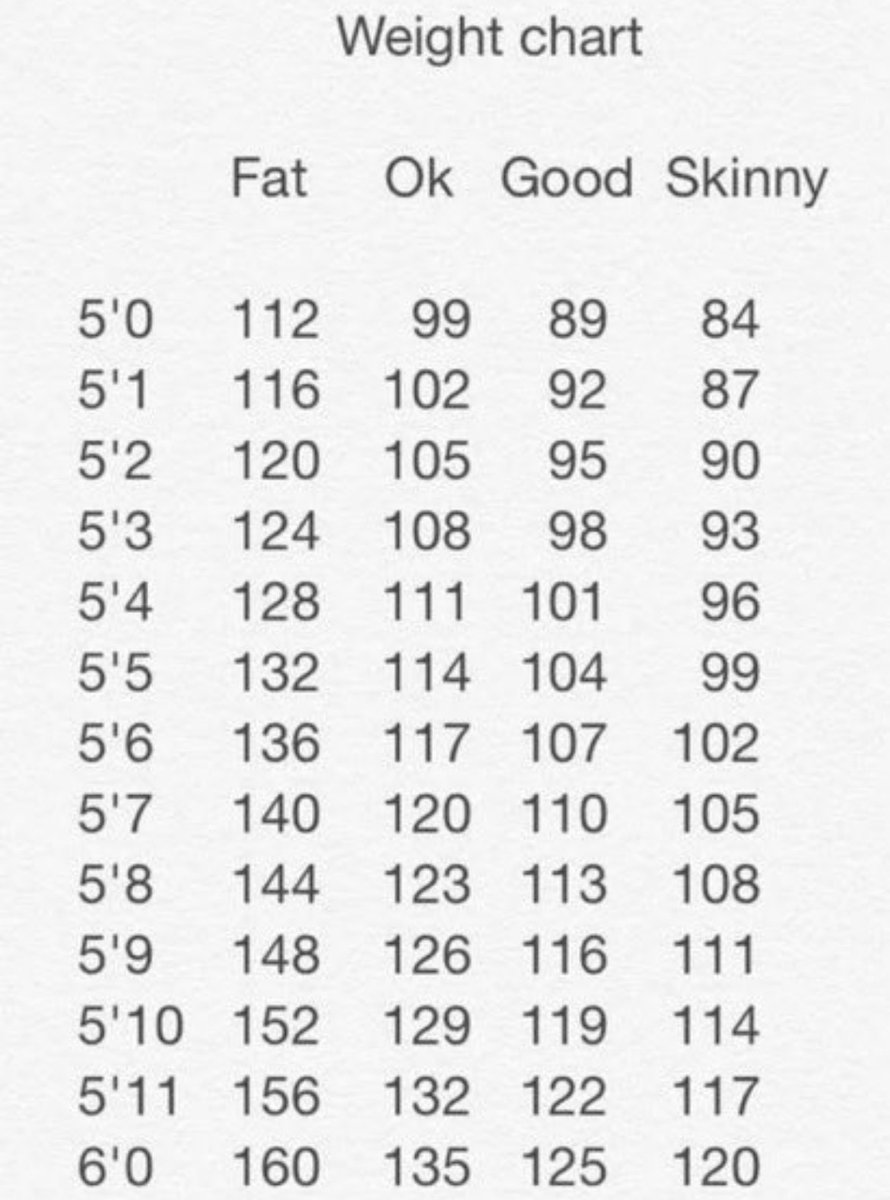
i feel so guilty because ive tsrated lying to my bf about my eating habits i dont want to worry him but i need to lose the 20 fckn pounds i gained while dating him