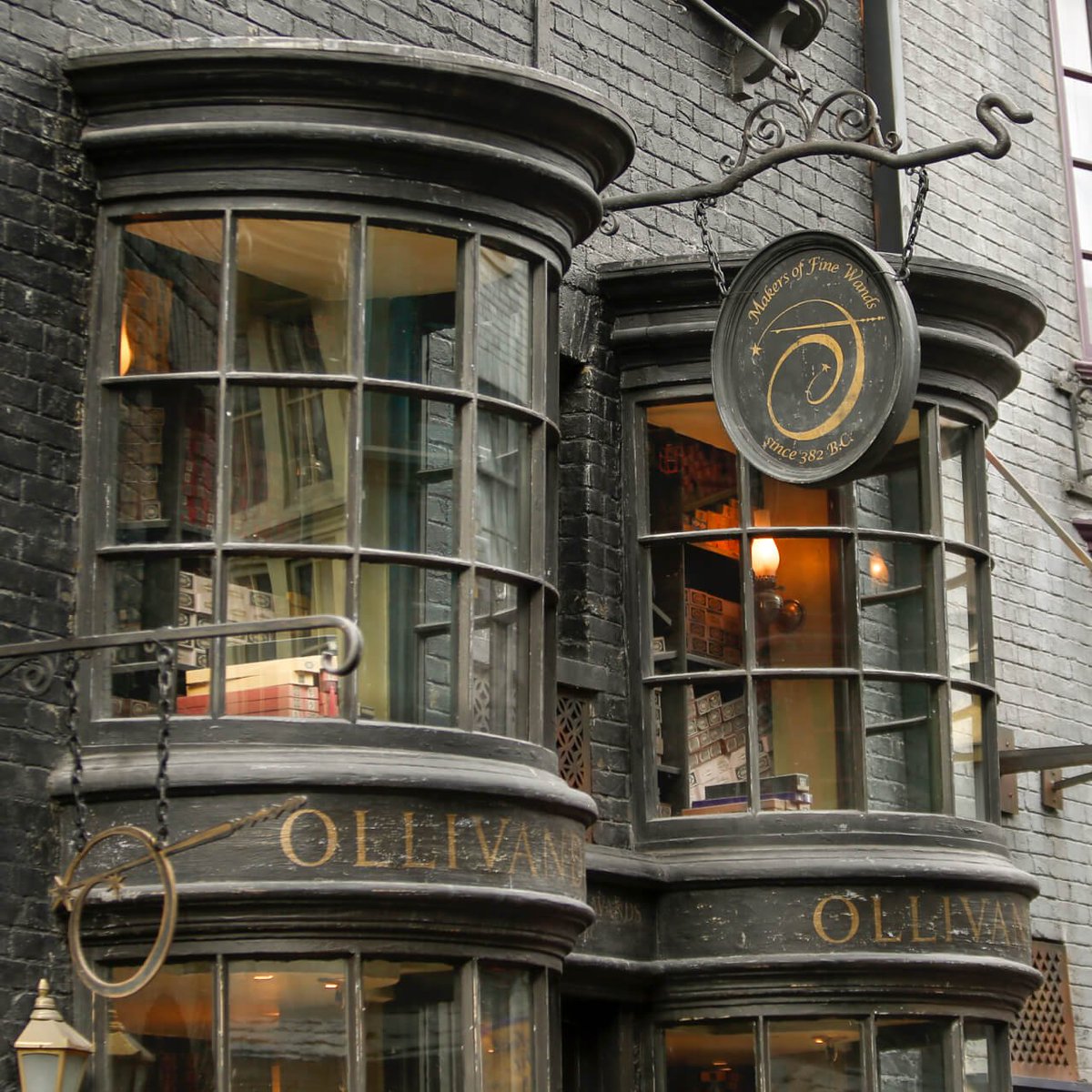
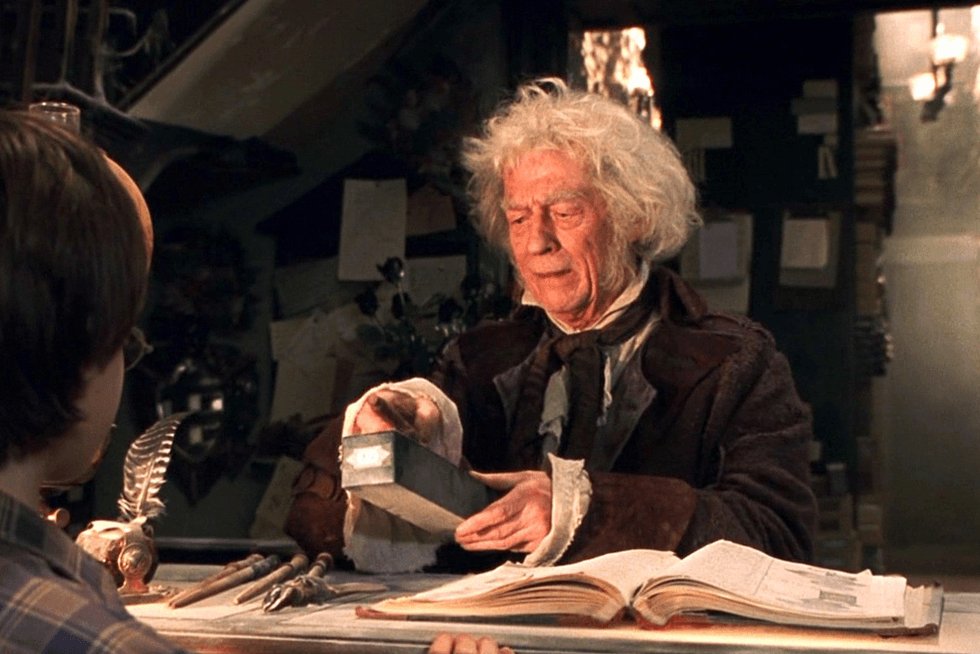
Ollivander’s wand shop should’ve gone out of business a long, long time ago.
Harry pays seven Galleons for a wand, which sounds reasonable until you actually think about what goes into making one.
If a wand costs seven Galleons, Ollivander has to be making them for significantly less just to cover rent, materials, his time, and still make a profit.
But then you have wands made with unicorn hair.
Ron’s two wands, Draco’s, Cedric’s and Lupin’s all use unicorn hair, and Slughorn tells us unicorn hairs cost ten Galleons each.
So Ollivander is already losing at least three Galleons on the material alone before you even factor in the wood, his time, craftsmanship and everything else that goes into making the wand.
And the customers are terrible for business too.
Most people buy their wand at eleven and keep it for the rest of their lives. The wand chooses the wizard, so it’s not like people are coming back every few years for a replacement.
Sure, people like Ron and Neville can end up with hand-me-downs, but that’s even worse for Ollivander because he isn’t getting a new sale.
So who exactly is keeping this business alive?
His customers mostly buy one wand when they’re eleven, they’re likely all shopping around the summer holidays, and then they disappear for decades.
Meanwhile, Ollivander has to pay for materials, his own time, and presumably a pretty expensive shop in the middle of Diagon Alley.
Considering Ollivanders was apparently established in 382 BC, this shop should’ve gone bankrupt centuries ago.
How the hell is Ollivander making money?
The Greatest Fight Of All Time. That Dumbledore vs. Voldemort fight in Order of the Phoenix was on another level. 😭🔥
Voldemort came in ready to destroy everything, and Dumbledore was out there casually matching him spell for spell.
When your quiet friend takes a deep breath and uses your full government name... you know you're in real trouble! 😂🤐 Tag the friend who gives the scariest warnings! 👇
#tadc#MasterJax#Jax#Pomni#comic#fanart
Flamingos are not pink.
They are born with grey feathers, which gradually turn pink in the wild because of a dye called canthaxanthin obtained from their diet of brine shrimp and blue-green algae.
This is a baby flamingo.