Sending lots of love to the Apple community on my last day as CEO. My title changes tomorrow, but the love I have for the Apple community never will. Thank you for being a constant source of inspiration. My gratitude is endless, and I’m excited for the next chapter!
You've probably heard her voice a thousand times without knowing her name.
The woman behind some of the most iconic London Underground announcements is Emma Clarke.
REMINDER FOR CLINICIANS AND CARDIOLOGIST
Until you don't see the coronary arteries and the wall of the coronary arteries you basically have no idea of what's going on with the vascular biology of that individual/patient.
- Coronary Angiography is not enough and it's overkill for that purpose.
- Stress (imagine) test are non diagnostic for that purpose unless the patient has typical symptoms (and even then...).
- Cardiac CT/Coronary CT Angiography performed by true specialist is the only way to meaningfully access that information and craft the future years/decades of individuals'/patients' cardiovascular risk management
That's the way it is in modern cardiovascular medicine and continued primary prevention.
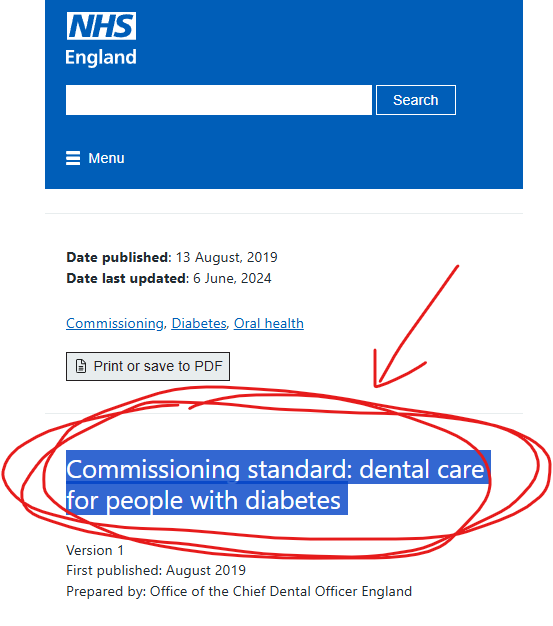
Probably the most ignored clinical standard in the whole #NHS ...
Do you have #diabetes?
Please let me know if your doctor has sent you to a dentist to get your gums sorted. Or not.
https://t.co/gO4el0uWJF
🫀 The Most Dangerous Moment in the ICU May Last Less Than 60 Seconds
We often think of tracheal intubation as an airway procedure. Physiologically, it is a profound cardiovascular intervention.
Why Do ICU Patients Crash During Intubation?
The problem begins before the laryngoscope enters the mouth.
Many critically ill patients survive on a fragile compensatory state characterized by:
🔹 Endogenous catecholamine surge
🔹 Tachycardia
🔹 Vasoconstriction
🔹 Increased myocardial oxygen demand
What appears to be "stable" hemodynamics may actually represent physiological exhaustion.
The moment induction drugs are administered, this compensatory sympathetic drive disappears.
The result? A sudden reduction in:
• Systemic vascular resistance
• Cardiac output
• Coronary perfusion pressure
• Organ blood flow
This phenomenon has been termed adrenergic collapse.
Intubation Is a Hemodynamic Timeline
The authors propose viewing intubation as a sequence of cumulative threats rather than a single procedure:
1️⃣ Pre-induction adrenergic dependence
2️⃣ Sympatholysis after induction
3️⃣ Apnea, hypoxemia, hypercapnia, and acidosis
4️⃣ Transition to positive-pressure ventilation
5️⃣ Post-intubation ventilator and sedation effects
Each phase adds physiological stress.
Together, they can culminate in cardiovascular collapse.
The Propofol Question
One of the most clinically relevant findings is the growing evidence regarding induction agent selection.
In the INTUBE cohort, propofol was associated with a higher risk of cardiovascular collapse and was the only modifiable risk factor consistently identified.
The review therefore suggests:
✅ Ketamine
✅ Etomidate
as preferred induction agents in patients at risk of hemodynamic instability, while propofol should be used cautiously in shock states.
Positive Pressure Ventilation: The Forgotten Hemodynamic Challenge
Once the tube is secured, many clinicians relax.
The physiology is only beginning.
Positive-pressure ventilation:
🔹 Reduces venous return
🔹 Increases intrathoracic pressure
🔹 Raises right ventricular afterload
🔹 May precipitate right ventricular failure
This is particularly relevant in ARDS, pulmonary hypertension, pulmonary embolism, and severe hypoxemic respiratory failure.
Reference 📚
Kotani Y, Koroki T, Hayashi Y, Russotto V. The hemodynamics of tracheal intubation in critically ill patients: a narrative review. Journal of Intensive Care. 2026;14:42. DOI: 10.1186/s40560-026-00877-4.