The Iranian navy, which has been destroyed eight times, has apparently closed the Strait of Hormuz again, because the United States, for the seventh time, won the war that wasn’t a war, so now the United States has to open the Strait of Hormuz that was already open before the not-war began.
The not-war began because Iran had uranium that was totally, completely, beautifully obliterated, so they can’t build the nuclear bomb they weren’t building, which is why the United States had to start the not-war it definitely didn’t start.
Now the United States, which has nuclear weapons, is threatening to use nuclear weapons to stop Iran from getting nuclear weapons, because nuclear weapons are far too dangerous for countries with nuclear weapons to allow other countries to have.
If the United States saw the United States doing what the United States does in other countries, the United States would invade the United States to liberate the United States from the tyranny of the United States.
Wow! Thanks for sharing the story about your grandfather! @OmarAkbar! Afghanistan could have become the Dubai of the region today, had the king listened to your grandfather's wise advice!
P.S. My grandfather, “Shamsudin Majroh”, was the minister of justice & chairman of the constitutional commission appointed by the king to draft the 1964 constitution, which transformed Afghanistan into a constitutional monarchy.
He had waned the King about the timing of the right to form/organize political parties & it’s repercussions after witnessing the short sighted & irresponsible behavior of the immature leftists & radical Islamists in the university & was very familiar with the pulse of the Afghan society on a grassroots level.
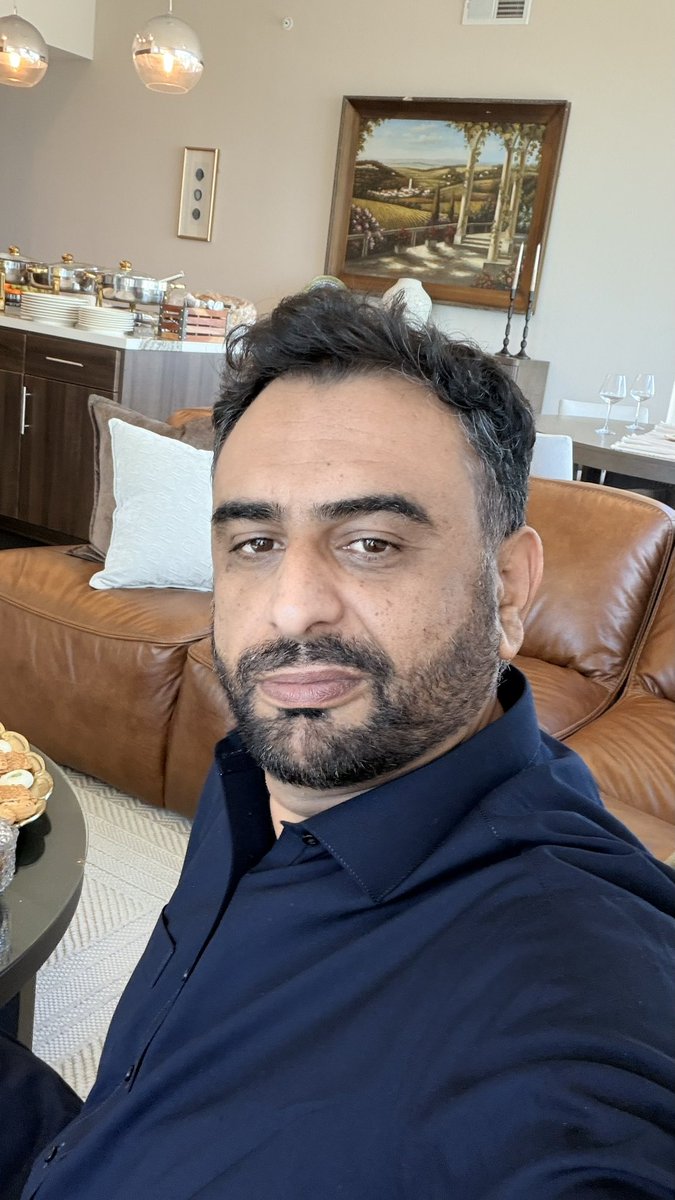
Fifty years later my father (RIP) asked the king at his home in Rome, Italy (pic below) if he regrets not heeding Mr. Majrohs advise and he said he wished he had listened to him and we could have avoided all the chaos and bloodshed that pursued. https://t.co/10fpUtoLzk
This chapter in our history is very well articulated by @kite_runner. (A lot of “educated idiots” in Afghan Diaspora can benefit from his insight & wisdom. 👇
“And then there is the case that should haunt us. Because it is the only one that worked — partially — and the way it broke tells us almost everything.
Zahir Shah (1933–1973). Amanullah's cousin. Came to the throne at nineteen, four years after the country threw Amanullah out. He had watched what happened to his cousin and drew the correct lesson:
Do not fight the tribes. Let them be.
He did not transplant Western reforms onto the countryside. He did not ban veils or force girls into school in the villages. He did not centralize aggressively. He let the tribes govern themselves locally while he slowly, patiently, over forty years, built the infrastructure of a state in Kabul — a university, a bureaucracy, foreign relations, a parliament with limited powers, a small but real army.
For four decades, Afghanistan was stable. Not modern, not prosperous, not democratic — stable. The slowest, most patient reformer in modern Afghan history was also the only successful one.
Then in 1964 he made one decision that, in hindsight, broke everything. He passed a new constitution introducing parliamentary democracy.
It was the most enlightened thing Zahir Shah ever did. It also broke the system. The constitution required political parties. The parties immediately organized along the only lines that mattered in Afghanistan — ethnic and ideological. Pashtun nationalists, Tajik intellectuals, communists, Islamists. The radius of trust had not been widened enough to support multi-party politics.
Within nine years his own cousin Daoud Khan overthrew him. Within fifteen years the communists overthrew Daoud. Within twenty years the country was at war with itself and the Soviet Union.
Zahir Shah's story teaches us something almost no one in the Western foreign-policy establishment has ever absorbed: Trust between strangers cannot be widened faster than the society can carry. Even gentle, careful, decades-long widening can be too fast. The most patient reformer in three thousand years of Afghan history found that what looked like a slow pace was, in fact, still too fast.
This is the central empirical claim of this essay, and it is testable. Societies that attempt institutional change faster than their substrate can absorb should show higher rates of reversion than societies that move slower. Zahir Shah's 1964 constitution is the cleanest natural experiment in modern Afghan history. A forty-year reformer, careful in every other way, lost the entire project the moment he tried multi-party politics on a substrate that wasn't ready.
If you can find a counterexample — a low-trust society that introduced democratic competition without reversion — the thesis weakens. I cannot find one.🇦🇫❤️
“Geography made the tribe the only thing that worked. Cousin marriage locked the tribal radius of trust in place over thirty generations. Foreign intervention prevented anything from climbing above the tribe to substitute for it.
This is the trap. Once you see it, you can finally understand why every Afghan reformer — every single one — has failed.
The reformers (and the one who almost made it)
The conventional story is that Afghan reformers were incompetent, naive, corrupt, or foreign puppets. The conventional story is comforting because it implies that with better leaders, Afghanistan might have made it.
I don't think this is right. The reformers were not, on the whole, worse than reformers in other countries. Some were brilliant. Most were trying in good faith to drag their country into modernity. They all failed for the same structural reason: they tried to widen the radius of trust faster than the society could carry.” @kite_runner 🇦🇫❤️
What if Afghanistan cannot be built?
Not "not yet." Not "under bad conditions." But structurally...
The answer surprised me. It is uncomfortable. It is also more hopeful than I expected.
Here is my deep dive. I hope you will read and share your thoughts.
افغانستان اگر بهسوی فدرال برود، بهجای انسجام، در گسستهای محلی و رقابتهای بیضابطه فرو میرود و حتی ظرفیت شکلگیری امید نیز از میان میرود. فدرالیسم یک مفهوم پیچیده است و به نهاد، تاریخ و فرهنگ سیاسی وابسته است، نه نسخهای شاعرانه برای مصرف فوری. با مفاهیم علوم انسانی نباید همچون کارتهای بازی یا ابزار امتیازگیری سیاسی برخورد کرد؛ یعنی نباید آنها را بهجای فهم واقعیت، برای پیشبرد منافع، غلبه در جدلهای سیاسی یا تثبیت مواضع از پیشساخته به کار گرفت.
د ډیورنډ کرښه: ایا واقعاً د دې خاورې بېرته راګرځول شوني دي؟
۱. آیا په زور یی نیولی شو؟
لومړنی فکر دا دی چې موږ به دا خاوره په زور نیسو. خو حقیقت دا دی چې پاکستان یو اټومي هېواد دی او له نظامي پلوه خورا پیاوړی دی. که موږ غواړو دا خاوره په زور ونیسو، باید تر پاکستان څو برابره قوي شو—چې په نږدې راتلونکي کې یې هیڅ څرک نه لیدل کېږي.
حتی که فرض کړو چې موږ دا ځواک پیدا کړ، د یوې خاورې لاندې کول او ساتل له نا ممکناتو نه دی. د روسیې او اوکراین، یا د اسراییلو او فلسطین جګړو ته وګورئ؛ د ځواک لوی توپیر هم نه شي کولای چې دایمي ثبات راولي. پایله به یې د خاورې ګټل نه، بلکې یوه داسې نه ختمېدونکې جګړه وي چې موږ به پکې سوځو.
تر ټولو بد زیان یې دا دی چې زموږ دغه بېځایه ادعاګانې پاکستان دې ته اړ کوي چې تل په دفاعي او دښمنانه حالت کې واوسي او د خپل خوندیتوب لپاره په افغانستان کې بې ثباتۍ ته لمن ووهي.
۲. آیا د پاکستان پښتانه به خپلواکی واخلی او په خپله به د افغانستان برخه شی؟
دا خیالپلو چې ګواکې پاکستان به یوه ورځ ړنګ یا ضعیف شي، د هغې غاړې پښتانه به پاڅون وکړي او له موږ سره به یوځای شي ـ ځان غولول دي!
که هلته پښتانه خپله خپلواکي هم واخلي، هغوی به هیڅکله ونه غواړي چې د کابل تر بیرغ لاندې ژوند وکړي. ولې؟
ځکه د هغوی نفوس تر موږ خورا زیات دی. هغوی به غواړي چې موږ په هغوی کې مدغم شو، نه دا چې هغوی په موږ کې. په داسې حالت کې به موږ خپله خاوره او خپل تاریخي هویت له لاسه ورکړو او د یوه بل نوي هېواد (پښتونستان) برخه به شو.
که بالفرض دا خوب رښتیا هم شي، دا به د اوسني افغانستان د بشپړې تباهۍ او ټوټه کېدو پیلامه وي. ولی؟
زموږ نور هېوادوال لکه تاجک، هزاره، او ازبک به هیڅکله داسې یو وضعیت ونه مني چې هلته یو پرېکنده او مطلق پښتون اکثریت رامنځته شي. هغوی به سمدستي خپله لار جلا کړي او افغانستان به تجزیه شي.
بل دا چی د هغې غاړې پښتانه تر ډېره ښاري دي، زدهکړې یې کړې دي او له لسیزو راهیسې په یوه ډیموکراتیک او سیکولر سیسټم کې لوی شوي دي. کله چې هغوی د افغانستان له اوسنیو اسلامپالو او مذهبي ډلو سره مخ کېږي، یوه بله لویه کورنۍ جګړه به د «سیکولر» او «مذهبي» پښتنو ترمنځ پیل شي.
نو معقول کار ړا دی چی دې بېپایانه شخړې ته د پای ټکی ایښودل په کار دي. تر ټولو غوره او پرګماټیک انتخاب دا دی چې دغه نړیواله پوله په رسمیت وپېژنو او د ځمکې د نیولو پر ځای پر انساني او اقتصادي اړیکو تمرکز وکړو.
موږ باید له پاکستان سره پر دې کار وکړو چې دا کرښه په یوه «نرمه پوله» (Soft Border) بدله شي.
پښتانه باید وکولای شي چې د کرښې دواړو غاړو ته په ازاده توګه تګ راتګ وکړي. هغوی دې د پاکستان شناختي کارډ ولري او موږ دې خپل افغاني هویت ولرو، خو د سوداګرۍ، راکړې ورکړې او د خپلو قبیلوي او خپلوۍ اړیکو په پاللو کې باید هیڅ خنډ نه وي.
د کرښې پر سر احساساتي جنګېدل موږ هره ورځ وژني او د پرمختګ مخه مو نیسي. د واقعیتونو منل او د پولې نرمول مو ژوندي ساتي. انتخاب زموږ په لاس کې دی!
“Here's what Pakistan got wrong: they confused a relationship of convenience with a relationship of control.
To understand why, you need to understand something about the Taliban that Pakistan's generals apparently didn't. The Taliban are not a proxy army. They're not a militia looking for a patron. They are a movement forged in the most extreme crucible imaginable — twenty years of war against the most powerful military alliance in human history.
Consider one fact. Hibatullah Akhundzada, the Taliban's supreme leader — the man who today runs Afghanistan — sent his own son to carry out a suicide attack against an Afghan military base in Helmand Province in 2017. His son, Abdur Rahman, died in the attack. Taliban officials say Akhundzada knew about his son's mission and approved it.
Let that sink in. The leader of this movement sacrificed his own child for the cause. This is not a man who took power for money. This is not someone who fought for twenty years because Pakistan asked him to. He did it for God and country. Whatever you think of the Taliban's ideology, you cannot look at that kind of commitment and conclude, "Yes, this is a group that will take orders from Islamabad." - @kite_runner 🇦🇫❤️
“Within weeks of the Taliban takeover, the cracks appeared. We now know — from a senior aide to Taliban co-founder Mullah Baradar — that the friction started before Kabul even fell. In June 2021, at a meeting in Qatar, ISI chief Faiz Hameed asked Baradar to stop Taliban fighters from shooting at Pakistani soldiers who were building a fence along the Durand Line — the disputed border between the two countries. Baradar's response was blunt: the Taliban would answer "in the language of bullets."
The Durand Line is the original wound. Drawn by the British in 1893, the border slices through the heart of Pashtun tribal territory, splitting an ethnic group of roughly fifty million people between two countries. No Afghan government — not the monarchy, not the communists, not the mujahideen, not the US-backed republic, and certainly not the Taliban — has ever recognized it as a legitimate international border. Pakistan assumed that gratitude and shared religious ideology would override this. They were wrong.” - @kite_runner 🇦🇫❤️
“But here's what makes the India factor truly dangerous for Pakistan: it's not just clinics and checkbooks. For decades, Pakistan used proxy groups against India — in Kashmir, in Afghanistan, across the region. Pakistan pioneered the art of arming and financing non-state actors to bleed a larger neighbor. India absorbed those attacks for years. Now the tables have turned completely, and India has a ready-made opportunity to return the favor. A Taliban government that is hostile to Pakistan and friendly to Delhi is, from India's perspective, the strategic gift of a generation. India doesn't need to do anything as crude as shipping weapons across the Wakhan Corridor. It just needs to keep deepening economic and diplomatic ties with Kabul, making the Taliban less dependent on any reconciliation with Pakistan. And if the conflict escalates further? India has every incentive — and now every channel — to ensure the Taliban can sustain its resistance. Pakistan spent decades bleeding India through proxies. India can now bleed Pakistan through the very proxy Pakistan created.
The nightmare scenario for Islamabad is not an Indian invasion from the east. It's an India that patiently turns Afghanistan into the western front of a strategic encirclement — achieving through patience and investment what Pakistan couldn't achieve through fifty years of proxy warfare. The hunter has become the hunted.” - @kite_runner 🇦🇫❤️
Great read @saadmohseni - textbook lose-lose but your point about economic interdependence making conflict irrational is really the crux of it. Status quo was already a death spiral, this crisis might be the only thing that forces both sides to actually confront it. The Shah’s regional cooperation vision never materialized because there was never enough pain to override the proxy games. Maybe now there finally is.