The US is currently seeing historic overpopulation of white-tailed deer specifically because the wolf population is so small. You have no fucking idea what you’re talking about, literally just saying shit based on vibes.
An Indigenous tribe is suing the U.S. government to halt the removal of nearly all wild horses from a protected territory.
The Utu Utu Gwaitu Paiute Tribe has filed a federal lawsuit to prevent the planned roundup of 624 wild horses from the Montgomery Pass Wild Horse Territory along the California Nevada border.
The operation scheduled to start on July 8 would remove about 90 percent of the existing herd.
The U.S. Forest Service maintains that the area can only support between 130 and 238 horses. Officials claim the current population is harming the habitat and posing risks to public safety.
The tribe rejects this assessment. It views the horses as an essential part of its cultural heritage. Tribal leaders accuse federal agencies of approving the removal without proper consultation or adequate review of effects on sacred sites and cultural resources.
The lawsuit also questions the accuracy of the population data. The tribe notes that the latest census took place in 2024 and fails to reflect horse deaths following a harsh winter in 2023.
The tribe is requesting a temporary restraining order from the court to pause the roundup until the legal case concludes.
Managing wild horse populations remains one of the most divisive issues on public lands across the western United States. Advocates for removals point out that herds can expand quickly and strain limited vegetation water supplies and other wildlife when numbers exceed the land capacity.
Opponents contend that mass roundups fracture social structures endanger culturally significant animals and depend on unreliable population counts.
The outcome of this court case will decide if the removal moves forward on schedule or faces further delays during the legal proceedings.
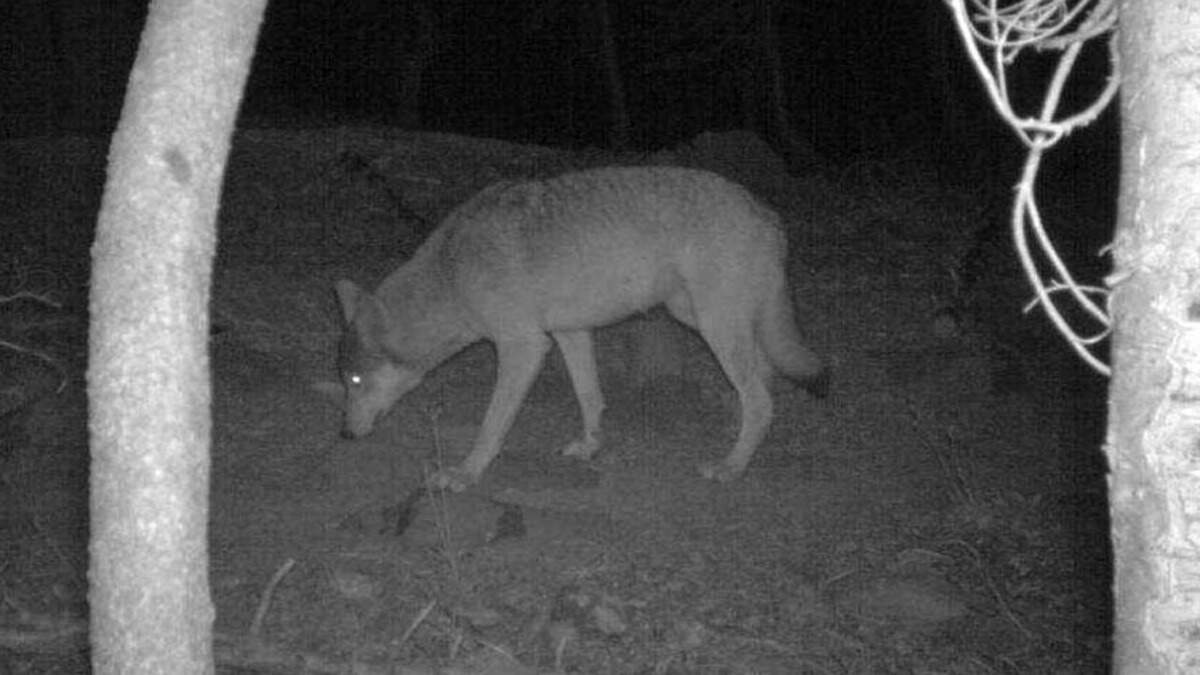
Todo mi apoyo al Lobo, como este pequeño lobito dando sus primeros aullidos. Quieren acabar con él en Asturias por intereses "ganaderos" y "cinegéticos". ¡Lobo vivo, lobo protegido! Basta de convertir la naturaleza en un negocio para la industria de la muerte.
#AnimalLiberation
We need to find a way to stop this. I have visited a wolf sanctuary and they are beautiful, amazing creatures. And it is true that Yellowstone began thriving again once wolves were reintroduced. FUCK U YET AGAIN, TRUMP!
everyone hates trump for signing the order but who is truly brave enough to hate the American farmer who voted for this and got exactly what they wanted
💯Más de 25.000 personas han firmado, hagamos que seamos 50.000.
🐺 ¡El lobo no se toca!!!!
¡Detengan el plan para matar 67 lobos en Asturias a partir de septiembre 2026!
✍️ ¡Firma la petición! https://t.co/IIrqIqqLSS a través de @change_es
🐺| El lobo gris mexicano es la subespecie más pequeña de lobo gris en Norteamérica: uno de los mamíferos más raros y más amenazados.
Este fin de semana, Donald Trump emitió una orden para eliminar su protección y permitir a los ganaderos dispararle.
https://t.co/SCq1EjuS7f
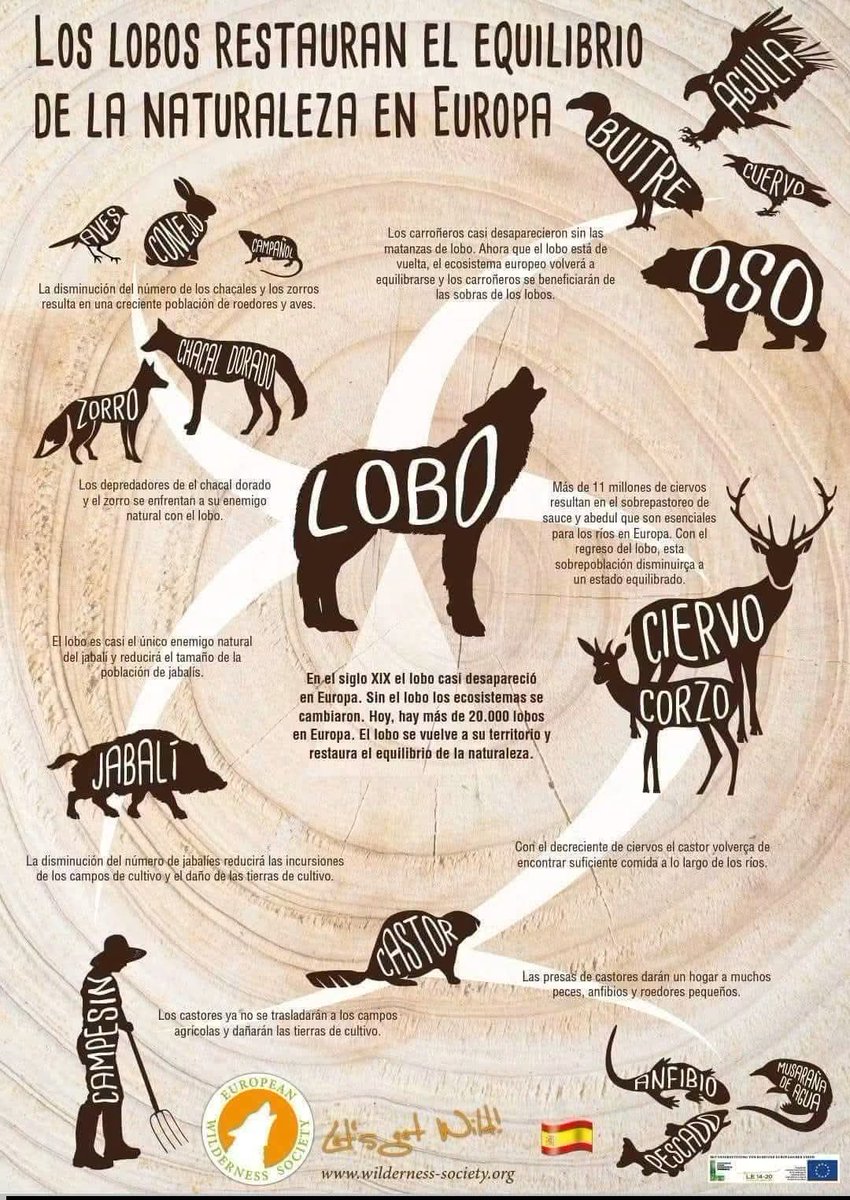
El lobo restaura y equilibra la naturaleza.
Son los encargados de equilibrar el número de ciervos, jabalies, corzos, cabras montesas, zorros, castores, conejos, etc. de un lugar determinado, minimizando los daños y enfermedades que puedan ocasionar éstos
🚨 OJO: LOS AMBIENTALISTAS QUE CRITICARON EL TREN MAYA GUARDAN SILENCIO ANTE AMENAZA AL LOBO MEXICANO EN EU
Mientras organizaciones ambientalistas cuestionaron durante años al Gobierno de México por los posibles impactos del Tren Maya sobre la selva y la biodiversidad, en Estados Unidos se encuentra nuevamente bajo revisión la protección del lobo gris mexicano, una especie en peligro de extinción.
El presidente Donald Trump ordenó revisar las protecciones federales que mantienen bajo resguardo al lobo gris mexicano y al lobo gris en territorio estadounidense. El Departamento del Interior tendrá un plazo para determinar si ambas poblaciones deben continuar protegidas bajo la Ley de Especies en Peligro de Extinción.
La decisión ha generado preocupación debido a que el lobo mexicano es una especie que habita en ambos lados de la frontera. La presidenta Claudia Sheinbaum señaló este lunes que México mantiene mecanismos para protegerlo y advirtió que cualquier modificación en Estados Unidos debería abordarse mediante coordinación bilateral.
El contraste ha reavivado cuestionamientos sobre la postura de algunos grupos ambientalistas que fueron especialmente críticos con proyectos como el Tren Maya. Organizaciones como Greenpeace y Sélvame del Tren denunciaron los posibles efectos de la obra sobre la selva, áreas naturales protegidas y distintas especies.
"The Mexican gray wolf was declared extinct in the wild around 1980, after humans hunted and poisoned it en masse... only a few specimens remained, just 7 were rescued in shelters before being exterminated forever, and that's how breeding of this species was restarted"
https://t.co/YE3l0HFKIM
Más del 60% del hábitat del orangután de Borneo (Indonesia) fue destruido solo en los últimos 3 MESES en incendios provocados para que los capitalistas sigan instalando más plantaciones de aceite de palma.
Nadie habla de este ecocidio provocado por intereses del capitalismo, los orangutanes están siendo captados vagando hambrientos buscando algo de comida fuera de su hábitat, han destruido todo su entorno solo para hacer negocio.
Es una situación crítica la que se vive en Borneo y es el perfecto reflejo de este sistema depredador que arrasa con todo solo por aumentar los beneficios económicos de las multinacionales, que meten el aceote de palma en el 50% de los productos del supermercado.
A gray wolf just crossed to the west side of Interstate 5 in California. Wolf advocates have been waiting decades for that to happen.
California Fish and Wildlife got two sighting reports in late August, plus photos, from where Mendocino, Glenn and Lake counties meet. A biologist confirmed the photos, surveyed the area, and found tracks at one of the locations.
Wolves were wiped out of California by 1924. In December 2011 a young male called OR7 walked down from Oregon and became the first documented wolf in the state in 87 years. The first pups born in California came in 2015.
Everything since traces back to that.
The state's official count was at least 50 wolves at the end of 2024. Fish and Wildlife now tracks 12 known packs, up from nine three months earlier, which is the fastest quarter of growth since they returned. Yosemite has been added to the species' range.
But nearly all of that has happened in the northeastern corner of the state, east of I-5.
They've now crossed to the other side, which is important because of what lives there. There are more elk and other prey west of that line, which makes it some of the best wolf habitat California has.
"This is incredibly exciting news, the news we in wolf recovery for decades have been waiting for," said Amaroq Weiss, formerly a senior wolf advocate at the Center for Biological Diversity. "For it to get to the west side of I-5, where we know is the best habitat in the state."
But the story of wolves in California isn't a clean story with sunshine and roses throughout.
Last year the Beyem Seyo pack killed at least 88 cattle in Sierra Valley over a single summer, and the state killed the pack. That was the first time in modern California history wolves were lethally removed by the state. In the first quarter of 2026, Fish and Wildlife investigated 47 livestock depredation reports and confirmed 21 as wolf attacks.
But the state has since built out a wider toolkit, including strike teams, drone hazing, pepper balls, and a compensation program for producers who lose animals. Whether that keeps up with a population growing this fast is a real question that no one really has an answer for.
Meanwhile, last Friday, the President signed an executive order giving the Interior Secretary 90 days to decide whether gray wolves and Mexican wolves should lose or reduce their federal Endangered Species Act protections. The stated reason is support for ranchers.
The first Trump administration tried this in 2020 as well. A court reversed it, and in 2022 protections were restored across 48 states and Mexico.
California protects wolves under its own state endangered species act, and it's illegal here to hunt, pursue, harass, capture or kill one.