Earlier this year, Jaishankar tried to dress down Poland's FM Sikorski over his visit to Pakistan after the May war.
Now, the EU's VP and Foreign Policy chief has visited Pakistan, and the joint communiqué's framing of the Kashmir issue has endorsed Pakistan's position.
The EU accepted that Jammu and Kashmir is an international issue with Pakistan as a legitimate party, contrary to India's claim that it is an integral part of India.
The statement further mentions Kashmir alongside Ukraine, establishing an equivalence that terms Kashmir a conflict zone or illegally occupied territory. This has been Pakistan's longstanding position.
The EU also accepted that the conflict in IIOJK should be resolved in accordance with the principles of the UN Charter. India long tried to downplay Kashmir as a bilateral issue.
If Jaishankar was so irked by a mere visit, shouldn't he now sever all ties with the EU over this endorsement of Pakistan's stand?
Watched Track-II diplomacy between India & Pakistan from 2000–2010 like a hawk. Result? Absolutely nothing. Zero progress. Same script is now playing in Pak-Afghan Track-II talks. My prediction: Same outcome. Big fat zero. History doesn’t whisper — it laughs.
European Commission Vice-President Kaja Kallas:
The EU remains Pakistan’s largest export market, bigger than the US and China combined.
2026 offers an important opportunity to move EU-Pakistan relations onto a stronger, forward-looking footing.
Both sides share priorities on global and regional stability, a rules-based international order, free and fair trade, investment and sustainable connectivity.
Alert: In an audio clip, a TTP militant is heard threatening a local resident with severe consequences if he refuses to pay extortion money. The militant warns that if you refuse to pay the extortion demand or argue against it, you will be declared a non-Muslim, and any consequences that follow will be your own responsibility.
𝗣𝗗𝗟 𝗣𝗿𝗲𝗱𝗶𝗰𝗮𝗺𝗲𝗻𝘁
Pakistan's growing reliance on the 𝗣𝗲𝘁𝗿𝗼𝗹𝗲𝘂𝗺 𝗗𝗲𝘃𝗲𝗹𝗼𝗽𝗺𝗲𝗻𝘁 𝗟𝗲𝘃𝘆 (𝗣𝗗𝗟) may provide short-term fiscal relief, but it comes at a significant economic cost. Higher fuel prices raise production and transport costs, weaken export competitiveness, and ultimately constrain economic growth.
Dr. Karim Khan (@karimeconomist), Professor of Economics at @PIDEpk, argues that sustainable fiscal stability requires structural reforms, broadening the tax base, rationalizing public spending, and addressing inefficiencies, rather than relying on repeated increases in petroleum levies.
Read more: https://t.co/w00Fl1qGN7
@nadeemjavaid75, @betterpakistan, @PlanComPakistan, @FaheemJehangir, @Fizzscreams
#PIDE #PDL #FiscalPolicy #PakistanEconomy
Days after the Permanent Court of Arbitration ruled in Pakistan's favour against India's illegal suspension of the Indus Water Treaty, India officially floated $23.52 billion infrastructure tenders on 20 May 2026 for the Chenab–Beas Link Tunnel Project in the Lahaul Spiti region. This is an act of grave aggression, permanently diverting Chenab River water allocated to Pakistan under the IWT.
An 8.7 km tunnel, 4.3 metres in diameter, will unilaterally divert 2 Million Acre Feet of water annually from the Chandra River, the principal tributary of the Chenab, eastward into the Beas basin. This diversion directly violates the UN Watercourses Convention of 1997, Article 60 of the Vienna Convention of 1969, and the dispute resolution frameworks of the IWT.
Pakistan must take immediate action by filing an application with the International Court of Justice (ICJ) for provisional measures to secure a stay order against the tunnel construction.
Simultaneously, the security establishment must convey a willingness to undo any such effort by India, even if it means using force.
Finally, the state must aggressively build delayed local water storage, because every acre foot we store is one that cannot be weaponized against us.
United Nations has added Israel to its blacklist of countries that commit sexual violence in war zones. UN verified 31 cases of sexual violence perpetrated by Israeli forces last year against Palestinians from Gaza & Occupied West Bank #GazaGenocide#Israel_Enemy_of_Humanity
BREAKING
President Trump has just announced the lifting of Naval blockade around Iran and is now heading to Situation Room to make a final call on the deal.
But the fact Trump has lifted the Naval blockade and also confirmed Naval personnel are heading home is a clear indication what comes next!
Habib Jalib’s iconic poem, Dastoor, epitomizes his legacy as a fearless voice against tyranny and political hypocrisy. Renowned for rejecting the elitism of the ruling class, Jalib crafted accessible, potent verse that became the heartbeat of public protest. His seminal work, Main Nahin Maanta, remains a powerful symbol of resistance, courageously challenging the censorship and propaganda of the Zia-ul-Haq era.
Proposed $300 billion international investment and reconstruction fund is indeed one of the most striking and debated aspects of the draft peace and nuclear agreement. Iranian officials previously sought between $300 billion to $1 trillion in reparations for bombardment and war-related damages. Negotiators have framed the fund as an international mechanism for reconstruction, while Iranian officials see it as compensation for war damages.
https://t.co/VscJjZC1sS
انڈیا کی حکومت نے دریائے چناب کا پانی سرنگ بنا کر دریائے بیاس میں ڈالنے کیلیے 23.5 ارب ڈالر کے منصوبہ پر کام شروع کر دیا ہے۔ سندھ طاس معاہدہ کے تحت دریائے چناب کے تمام پانی پر پاکستان کا حق ہے لیکن انڈیا نے یکطرفہ طور پر معاہدہ ختم کر دیا۔ اسکے پاکستان کیلیے خوفناک نتائج ہوں گے۔
What Pakistan Actually Lacks in the “China Model”
We keep invoking the China model, but rarely ask the honest question: what did China have that we don’t — even after trying many of the same-looking policies?
Here is a clearer breakdown:
1Leadership forged in real struggle China’s post-1978 leadership emerged from decades of civil war, revolution, famine, and ideological purges. They were battle-hardened, ideologically committed, and personally invested in national revival. Pakistan’s leadership, by contrast, has mostly come from dynastic politics, military patronage, or elite networks — rarely from long, grinding national struggle.
2Cultural Revolution’s brutal reset (for better or worse) The Cultural Revolution smashed old hierarchies, egos, and complacency. It forced a generation into hard work, discipline, and ideological fervor, clearing the ground for Deng’s reforms. Pakistan never had such a societal shock therapy. Our old elites, land barons, and bureaucratic mindsets remain largely intact.
3Relentless focus on education and research for 70 years From the 1950s onward, China poured resources into mass literacy, technical education, STEM, and later world-class research universities. They sent hundreds of thousands abroad to study and brought the knowledge back. Pakistan’s education spending and outcomes remain among the weakest in the region, with chronic neglect of basic literacy, vocational skills, and serious R&D.
4Policy-making without dynasties and VIP culture Chinese policy was (and is) shaped by intense internal debate, data, experimentation, and long-term thinking — not by family dynasties, electables, or “Vadera-style” feudal influence. Technocrats and party cadres rose through performance, not birthright. Pakistan’s policy space is still heavily contaminated by dynastic politics, patronage, and short-term electoral calculations.
5Willingness to take big, calculated risks China bet big on Special Economic Zones, WTO entry, massive infrastructure, and allowing private capital while keeping political control. They accepted short-term pain for long-term gain. Pakistan prefers safe, incremental moves laced with heavy subsidies and protection — rarely the bold, uncomfortable leaps.
6Deeply embedded meritocracy Merit is baked into the system. Even Mao’s widow (Jiang Qing) faced trial and punishment after his death. Top positions in the Party and government are won through brutal internal competition and performance metrics. In Pakistan, family name, connections, and loyalty often trump competence. Sacred cows remain sacred.
7No lavish perks, plots, or protocol culture Chinese officials live under strict discipline: no sprawling government housing schemes for favorites, no fleets of luxury vehicles as status symbols, no “tamghas” (medals) and awards handed out to cronies. Pakistan’s state is soaked in VIP culture, discretionary plots, protocols, and rewards for loyalty rather than results.
8Ruthless competition and creative destruction Even state-owned enterprises face fierce internal and external competition. Beijing lets weak players fail and die — no perpetual bailouts. Contrast this with Pakistan’s SOEs that have survived on taxpayer money for decades, with boards drawing handsome fees while bleeding the exchequer. Chinese competition is often harsher than textbook neoliberalism.
These are not things you can copy by copying five-year plans or building CPEC-style projects. They are products of history, discipline, institutional memory, and a political culture that values long-term national strength over short-term personal or familial gain.
Until we confront these deeper differences, repeating “China model” will remain more of a comforting slogan than a workable blueprint.
Salute to your efforts for self determination referendum as promised in UN Security Council resolution which has been denied by Indian hegemonic attitude
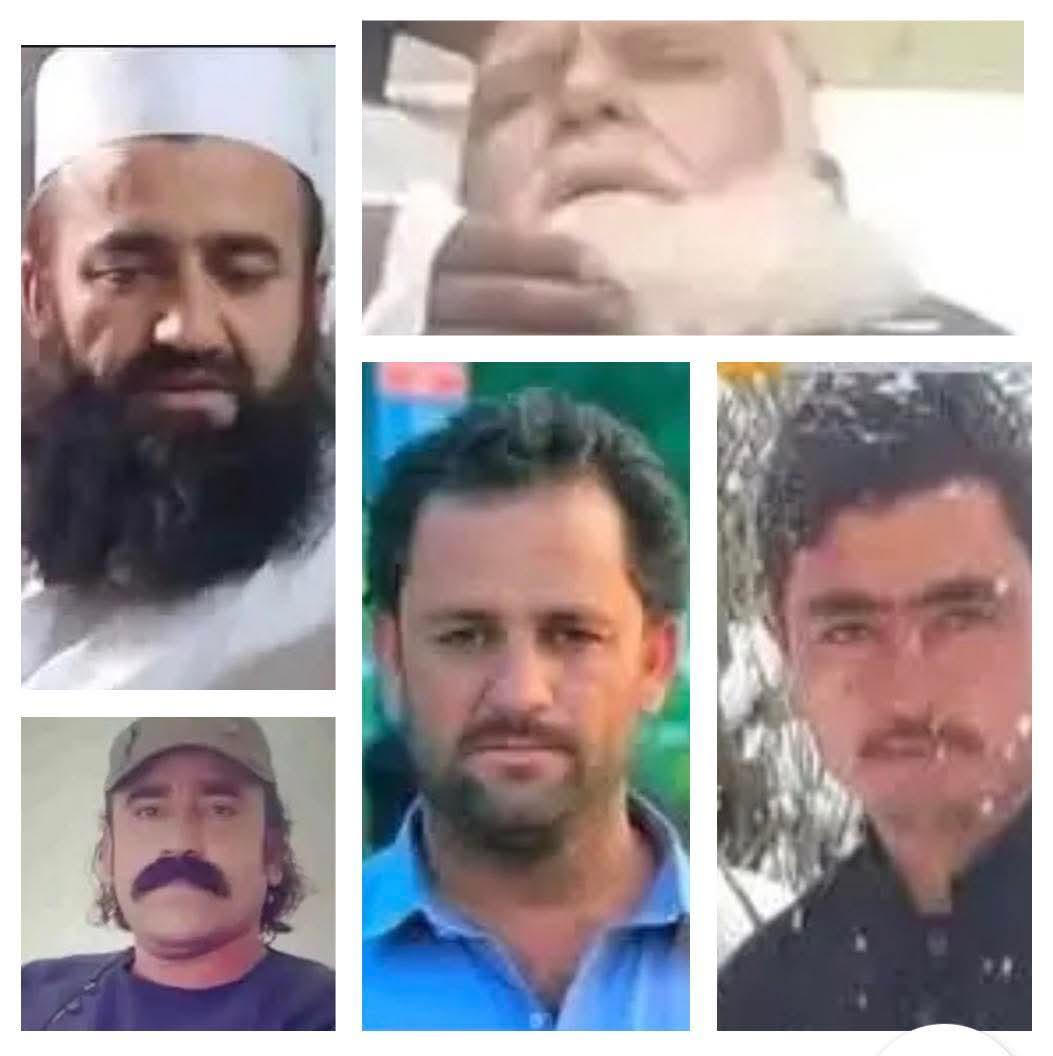
بلوچستان میں ِ عید کی شب وطن عزیز کی ناموس پر جان قربان کرنے والے بہادر خاندان کی لازوال قربانی
بی ایل اے دہشتگردوں کے سامنے پاکستان زندہ باد کا نعرہ لگا کر شہادت کو گلے لگا لیا
شہدا میں پاکستان مردہ باد کا نعرہ لگانے والے ایک مسلح دہشتگرد پر جھپٹنے والے مفتی اکرام بھی شامل
ہرنائی شاہرگ میں بی ایل اے دہشت گردوں کی فائرنگ، ایک ہی خاندان کے 5 افراد شہید
ضلع ہرنائی کی تحصیل شاہرگ میں بی ایل اے کے دہشت گردوں نے ایک ہی خاندان کے افراد کو روک کر کہا کہ “پاکستان مردہ باد” کا نعرہ لگاؤ، پھر تمہیں چھوڑ دیا جائے گا
اس موقع پر اکرام شاہ نامی شخص نے بلند آواز میں “پاکستان زندہ باد” کا نعرہ لگایا۔ دہشتگردوں نے جواباً “پاکستان مردہ باد” کا نعرہ لگانے کا مطالبہ کیا، مگر خاندان کے تمام افراد نے یک زبان ہو کر “پاکستان زندہ باد” کے نعرے بلند کیے
اسی دوران ایک دہشت گرد نے خود “پاکستان مردہ باد” کا نعرہ لگایا، جس پر مفتی زاہد شاہ نے غصے میں آ کر دہشت گرد کو تھپڑ رسید کیا
اس کے بعد دہ شت گردوں نے اندھا دھند فائرنگ کردی، جس کے نتیجے میں مفتی زاہد شاہ، اکرام شاہ، زمان شاہ، ضیاء الحق اور کاہر شاہ شہید ہوگئے
فتنہ الہندوستان انسانیت، اسلام اور وطنِ عزیز کے کھلے دشمن ہیں
پاکستان میں اس سے قبل بھی بے شمار ایسی مثالیں موجود ہیں جہاں وطن کی حرمت اور قومی وقار کی خاطر لوگوں نے اپنی جانوں کا نذرانہ پیش کیا مگر پاکستان کے خلاف نعرہ لگانے سے انکار کردیا
بلوچستان کے غیور عوام فتنہ الہندوستان کے سامنے سیسہ پلائی ہوئی دیوار کی طرح کھڑے ہیں
@PakSarfrazbugti
🚨The IRGC said in a statement that it has retaliated to the U.S. strike on an Iranian military position near Bandar Abbas airport by attacking a U.S. airbase in Kuwait. "This response is a serious warning so that the enemy knows that aggression will not go unanswered, and if it is repeated, our response will be more decisive", the IRGC said