We know it’s been a while since our last post.
But we’re back, with great news!
We’re launching our blog, “Purpleshift,” featuring interesting articles, talks, and research for both blue and red teams.
Yeah that’s why it’s purple :)
https://t.co/h8kQbJwUsM
“Just update SharePoint” is good advice, but many servers stay unpatched for months. 🎄
On Christmas Eve, Storm-2603 used the ToolShell exploit chain to break into a SharePoint server that was still vulnerable. Here’s how it happened and how to detect it:
https://t.co/u7kGJfihHP
Can LLMs help defenders as much as attackers? 🤖
Our blue team used LLMs to build filters that remove false positive alerts. A single LLM worked about as well as a group of AI agents, and it was faster. Plain algorithms still did well too.
More:
https://t.co/0nRrcel0ix
In a pentest of a major cloud provider, we started as a regular tenant. We chained several bugs to break tenant isolation and reach other customers’ Kafka, Postgres and Redis. Then an SQL injection in SaltStack got us into the cloud’s main database.
more:
https://t.co/GeOCJdBrLf
cups2root: a new Linux privilege escalation technique abusing the CUPS printing system. On Ubuntu Desktop, ordinary users are in lpadmin by default and that group becomes a path to root.
How it works and how to detect it
https://t.co/jwyviM4ZKa
When Neo-reGeorg and suo5 fall short during pivoting (no UDP proxying, broken tunnels on large files), our team built a better tunnel.
Meet Roger: full SOCKS5 (RFC 1928), traffic compression, a connection manager, and more
https://t.co/a08vQWJIZd
No malware needed: in a real 2026 incident, our experts found that attackers with domain admin rights created a single malicious GPO named PAYLOAD to drop ransom notes, hijack wallpapers and disable local admin accounts across an entire domain.
More:
https://t.co/XgCU0D1RkP
New in Labooboo’s toolkit: a custom backdoor.
The group behind GenieLocker ransomware now has its own backdoor, with at least two variants using MQTT and Matrix for C2 communication.
Details 👇
https://t.co/CXqIZCTf1d
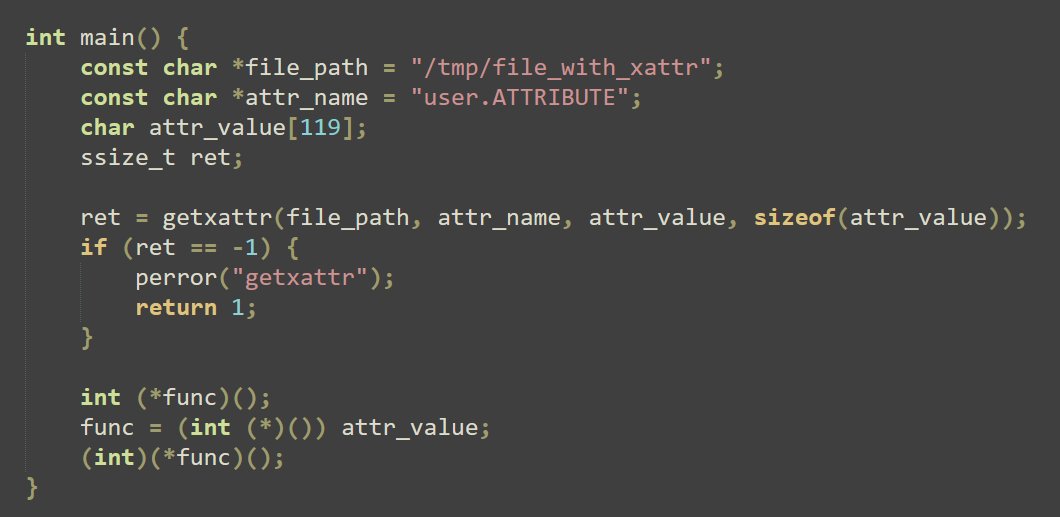
Attackers abuse NTFS streams to hide code. Linux has a similar trick: extended attributes (xattr) can stash a payload in a legit file like .bash_history, read back by a small C loader and most Linux EDRs never look there.
More about how to detect it:
https://t.co/sjHNWR3O4H
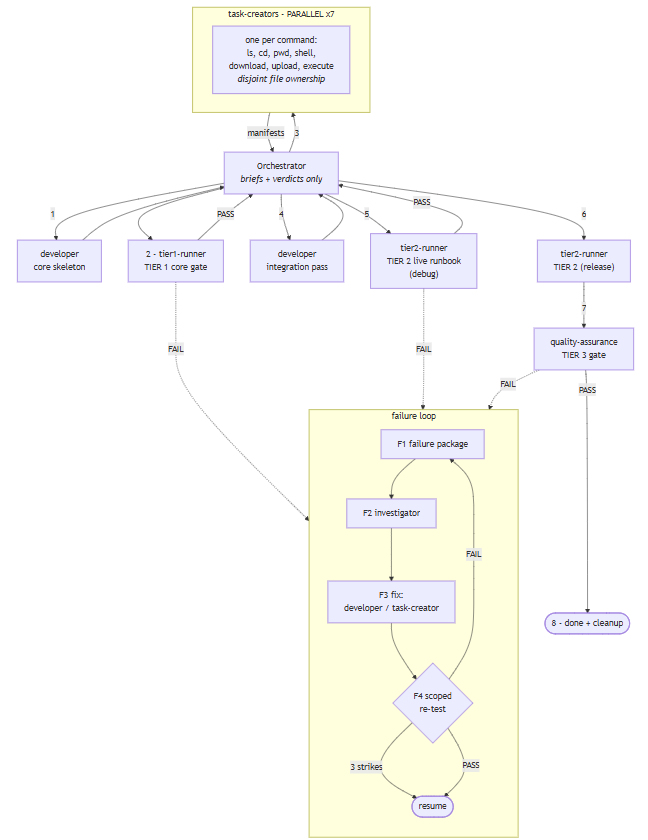
Everyone's seen AI finding 1,000+ critical vulns/month. Rarer angle: how LLMs speed up building offensive security tools.
We had Opus 4.6 automate integrating techniques into Mythic and built a factory for disposable C2 agents in under 3 hours.
More:
https://t.co/BvvdXr0Rfc
Cypher injection against Neo4j works like SQL injection: an app drops user input into a query, letting an attacker rewrite its logic.
On a recent assessment, verbose errors leaked passwords and LOAD CSV let us read local files and reach internal services.
https://t.co/WfwARhnA8v
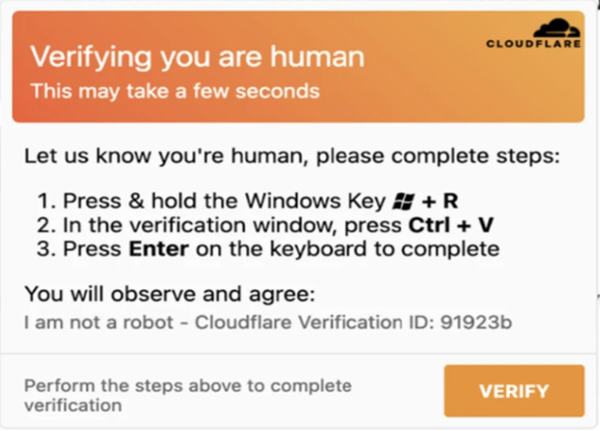
Remember the early-2000s joke? "Hello! I'm an Albanian virus. I have no high technology, so please delete an important file yourself and forward me to your friends." the joke has become a reality due to massive attacks using the ClickFix technique.
More:
https://t.co/DJP5hqeDtz
Certighost (CVE-2026-54121) is a critical ADCS vulnerability that can let low-privileged users take control of the domain.
The best protection is to update all ADCS servers. But how can you find out if your servers were attacked before updating?
Read more
https://t.co/ODlNsqN1e4
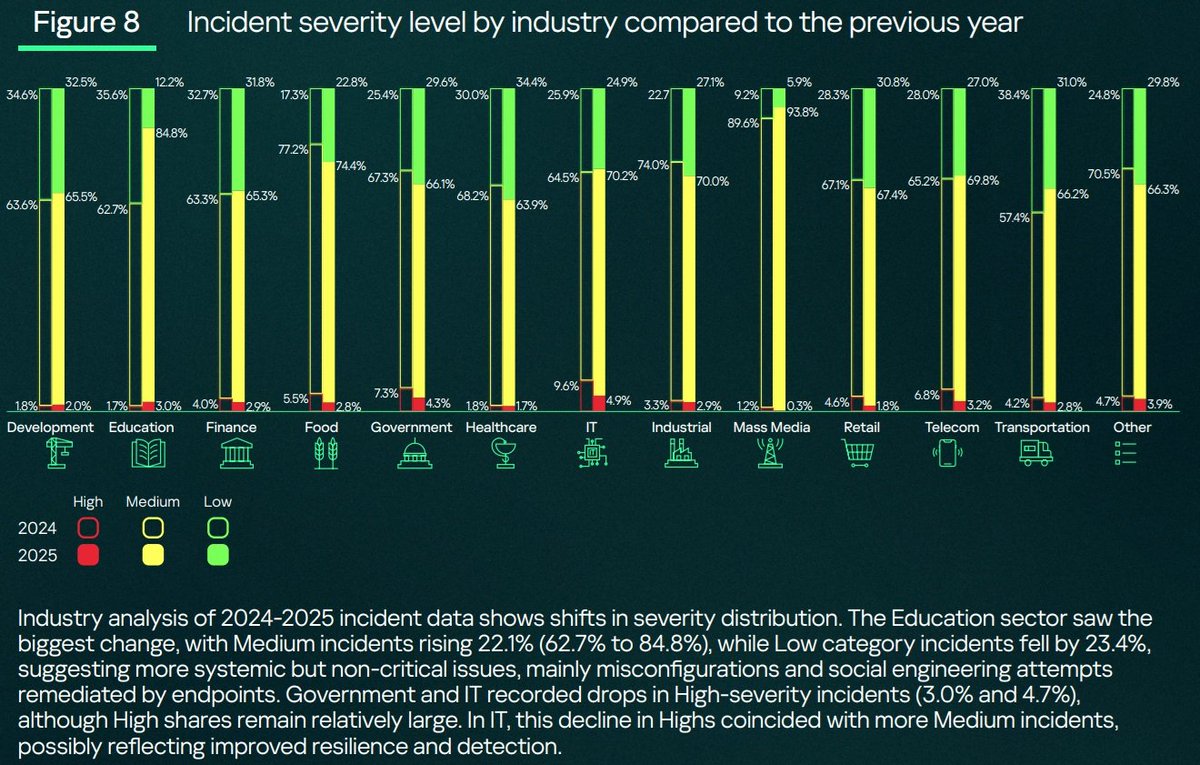
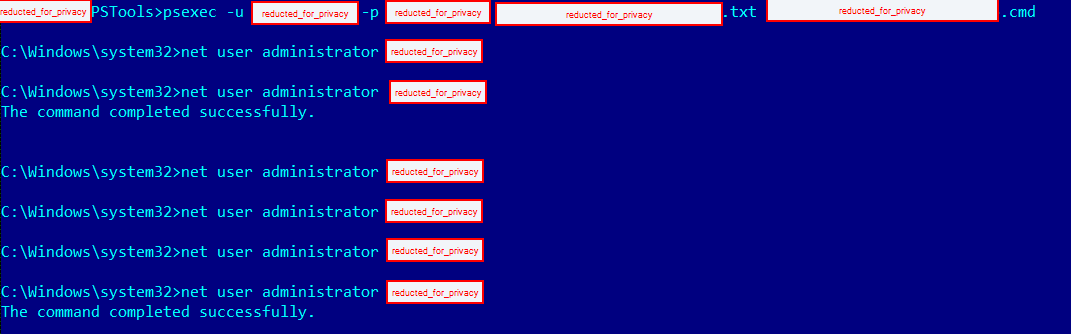
Attackers don't need fancy tricks to breach schools: stolen accounts, Potato privesc, then PsExec to move around. Outdated unpatched systems make it easy and DragonForce/LockBit 3 hunt the private schools that can pay.
Full breakdown by [@cristianzsh]:
https://t.co/EOCn21Yq5s
Your TURN server exists so employees can join video calls.
Attackers can turn it into an egress proxy that relays traffic anywhere, including their C2.
Here's how the attack works and how to catch it:
https://t.co/3H44idTj8Y
Heading to DEFCON 34? Catch our IR team:
🗓️ Fri 2pm – Ransomware internals (Ashley Muñoz @3NTR0_py , LVCC)
🗓️ Sat 11am – XEntry Team investigation (Eduardo Chavarro 🇪🇸)
🗓️ Sat 2pm – Breaking into IR (Ashley Muñoz 🇪🇸)
See you there! 👋
More info: https://t.co/u6sK2NLbaj
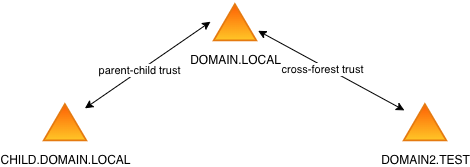
AD trust relationships can quietly hand over your whole forest, no Domain Admin in the target domain needed.
Misconfigured SID filtering lets attackers escalate across trusts straight to Enterprise Admin.
Full breakdown with @irabva:
https://t.co/pdHbxQmXHE
If an attacker gets access to your Octopus Deploy server, they don't need the web UI to steal your secrets.
The master key + direct DB access is enough to decrypt everything
Full breakdown + how to protect your setup 👇:
https://t.co/sio8gEkAOa
90+ fake sites, 10 languages, one goal: trick you into installing "OBS Studio" or "Process Hacker" and drop ScreenConnect + AsyncRAT.
Downloaded DNS Jumper, DS4Windows, Bandicam, Glary Utilities, or Crosshair X lately? Check twice.
Breakdown + IOCs:
https://t.co/umCa9s0y8O
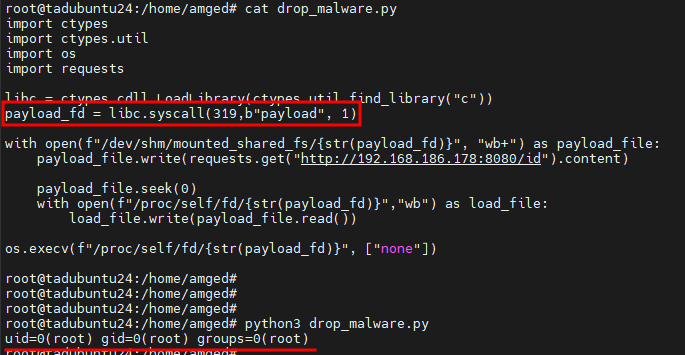
What if a payload never touches disk, no dropped file, no signature to scan?
Turns out memfd_create() + fexecve() can load and execute a binary entirely from RAM, bypassing AV and even noexec protections.
Full breakdown + detection tips 👇by @amgdgocha:
https://t.co/8bKbSc1JT0
One of the most common incident response mistakes is rushing backup recovery.
Hidden web shells can survive in backups and reappear after restoration.
Read more and join our upcoming webinar on missed incidents in compromise assessments.
https://t.co/WkS1xZAtUT