#NewStudy on pelagic Thresher #sharks (Alopias pelagicus) in the Eastern-Central Pacific 🦈
Led by Dr. Jesús Briones-Mendoza, it reveals key insights on reproduction, maturity & population dynamics, crucial for #FisheriesManagement & #SharkConservation.
[https://t.co/A8A2ItO2Jp]
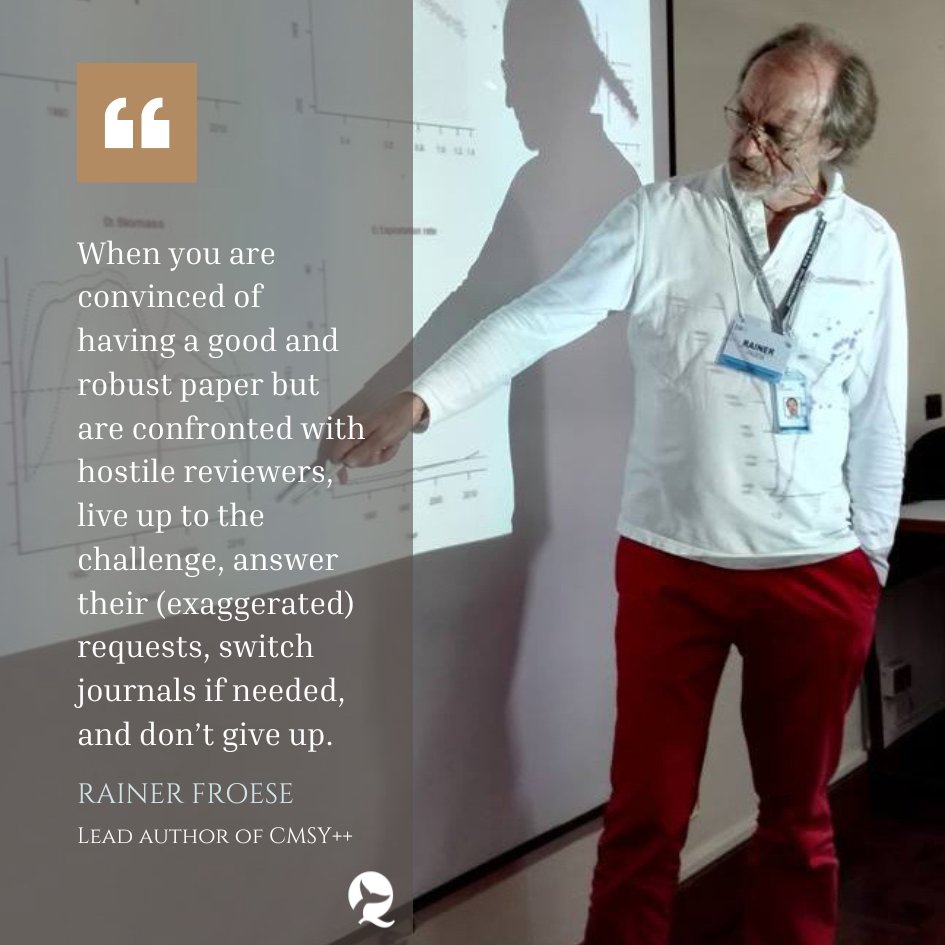
The #CMSY++ paper endured critiques, rejections, and revisions. The outcome? A robust, peer-reviewed success! ✨📑 Inspiring insights from lead author and FishBase co-creator, Dr #RainerFroese@rfkiel 👉https://t.co/OJYsKMtaW0.
An important aspect of this #sharkresearch in the #SouthPacific region 🦈, is the incorporation of the maximum reported size, differentiated by ocean, which can beextremely useful for a priori analyses in Bayesian models, as well as the size at birth. 🌊https://t.co/0fOVxHTDZk
We have published the second of the six articles planned for this 2024. Congratulations to my students for their hard work and dedication. @FishBaseProject@klevernime @Jon_Smart1
https://t.co/dUR6TseZj5
Navigating challenges in scientific publishing: 📩 A letter to young scientists –by Dr Rainer Froese @rfkiel (FishBase co-creator and @GEOMAR_en's Senior Scientist).
From marine conservation initiatives to the latest developments in aquatic sciences, here are https://t.co/rxtYKeEWZE highlights for the last quarter of 2023! 🔎https://t.co/TRZYh76C7n.
¡Feliz año nuevo 2024! 🎉🌊 La Revista YAKU les desea un año lleno de descubrimientos, investigaciones fascinantes y éxitos en todos sus proyectos. Que este año esté repleto de conocimiento que fluya como las olas del océano. ¡Salud y prosperidad para todos nuestros
¡Bienvenidos a la cuenta oficial de Twitter de la Revista de Ciencias del Mar y Acuicultura YAKU! 🌊📚 Descubre las últimas investigaciones y avances en el fascinante mundo acuático. ¡Explora el conocimiento que fluye como las olas del océano! 🐟🔍 #CienciasMarinas#Acuicultura
✅ Inicia el Taller de capacitación sobre la herramienta Ecopath con Ecosim (EwE), dictado por el Doctor Sergio Neira y Msc Ana Arriagada Millán, de #UDeConcepción, el taller está dirigido para técnicos del @ImarpePeru@UleamEcuador@IpiapEcuador gracias a @SustainableFish.
Les extiendo una cordial invitación a explorar los pósters que abordan la edad y crecimiento de tres especies de tiburones en el Pacífico ecuatoriano. 🦈🇪🇨
https://t.co/gV5h0boqSi
https://t.co/DUYfiVAIjT
https://t.co/3rnT0tp4so
📣 Te invitamos a la charla “Breve historia del róbalo (Scianidae: 𝘙𝘰𝘣𝘢𝘭𝘰𝘴𝘤𝘪𝘰𝘯 𝘸𝘪𝘦𝘯𝘦𝘳𝘪): una especie en peligro”, a cargo del PhD. HDR Philippe Béarez.
📅 21 de noviembre
⏰ 11:00 - 13:00 horas
Inscríbete aquí 👉 https://t.co/pM5lGkN6T8
DATOS ASOMBROSOS SOBRE LOS COLIBRÍES
1. El colibrí más pequeño del mundo es el zunzuncito, que solo mide 5.5 cm.
2. Los colibríes son las únicas aves que pueden volar hacia atrás.
3. No pueden caminar o saltar debido a sus patas muy pequeñas y débiles.
4. Tienen un metabolismo altísimo, por ello deben comer 5-8 veces por hora.
5. El corazón de un colibrí puede alcanzar 1,260 latidos por minuto.
6. Los colibríes tienen un plumaje muy reluciente y colorido.
7. Hay más de 300 especies de colibríes reconocidas.
8. Los colibríes más grandes pueden llegar a medir hasta 22 cm.
9. Son algunos de los animales de sangre caliente más pequeños que existen.
10. Son uno de los principales polinizadores y pueden actuar como bioindicadores.
11. Tienen una adaptación evolutiva sorprendente llamada torpor para descansar.
12. Durante el torpor, reducen su temperatura corporal hasta la ambiental.
13. Su corazón se ralentiza hasta 100 pulsaciones por minuto cuando duermen.
14. Ralentizan sus funciones corporales, como la renal, para conservar agua y energía.
15. Según la especie, un colibrí puede aletear entre 10 y 80 veces por segundo.
16. Los colibríes son nativos de las Américas, desde los páramos hasta selvas tropicales.
Crédito: Comunidad Biológica
🚢 This paper offers the A-Z of modern #fishing vessel types.
Use it as a resource to identify & classify semi-industrial and industrial fishery vessels for your reporting needs.
Stay in the know & explore it now 👉https://t.co/pYnx6Mw5qx
#SustainableFisheries
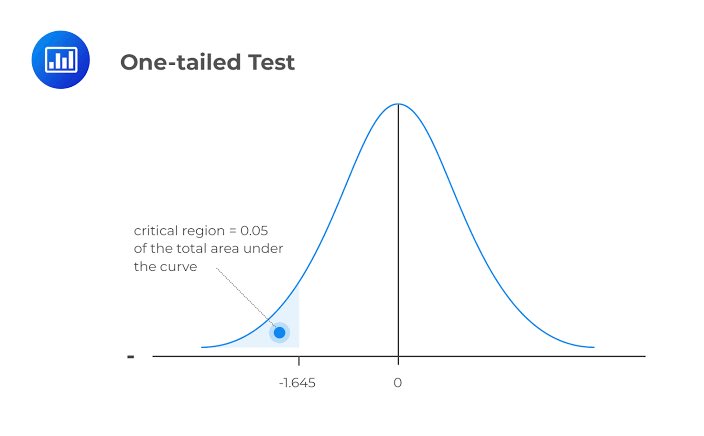
Why We Should Be Careful Using One-Tailed Hypothesis Tests in Research 🧪📊
1/ Introduction: Hypothesis testing is a cornerstone of scientific research. But did you know there's a debate about using one-tailed vs. two-tailed tests? Let's dive into why one-tailed tests might not be the best choice. 🤔
2/ What is a One-Tailed Test?: A one-tailed hypothesis test checks if a parameter is greater than (or less than) a specific value. It's looking in ONE direction. E.g., "Is drug A more effective than drug B?" 🚀
3/ Limitation #1 - Biased Expectations: One-tailed tests assume we know the direction of the effect beforehand. But research should be exploratory! By choosing one direction, we might be biased by our expectations or hopes. 🧭
4/ Limitation #2 - Missing Out: What if the effect is in the opposite direction? With a one-tailed test, we might miss out on significant findings just because they're not in the direction we expected. 🔄
5/ Limitation #3 - False Positives: One-tailed tests can inflate the risk of false positives. If we're only looking in one direction, we might find "significant" results that aren't truly there. This can mislead and misinform. ❌
6/ Two-Sided Tests - A Broader View: Two-sided tests examine both directions. They're more general, asking, "Is there a difference?" rather than specifying a direction. They're often preferred for exploratory research. 🌐
7/ Ethical Considerations: Science thrives on objectivity. By choosing a one-tailed test based on hopes or hunches, we risk compromising the integrity of our research. It's essential to approach tests without a predetermined direction. ⚖️
8/ But... Are One-Tailed Tests Always Bad?: No! There are situations where a one-tailed test is appropriate. E.g., if previous research overwhelmingly supports a particular direction. But these cases are exceptions, not the rule. 📚
9/ Conclusion: While one-tailed tests have their place, they come with limitations. For robust, unbiased research, two-tailed tests are often the better choice. Always consider the context and aim for objectivity. 🎯
10/ Final Thoughts: Research is a journey of discovery. Let's ensure our methods are as open-minded as our quest for knowledge. Avoid biases, stay curious, and let the data speak for itself! 🌟
#DataScience #Statistics
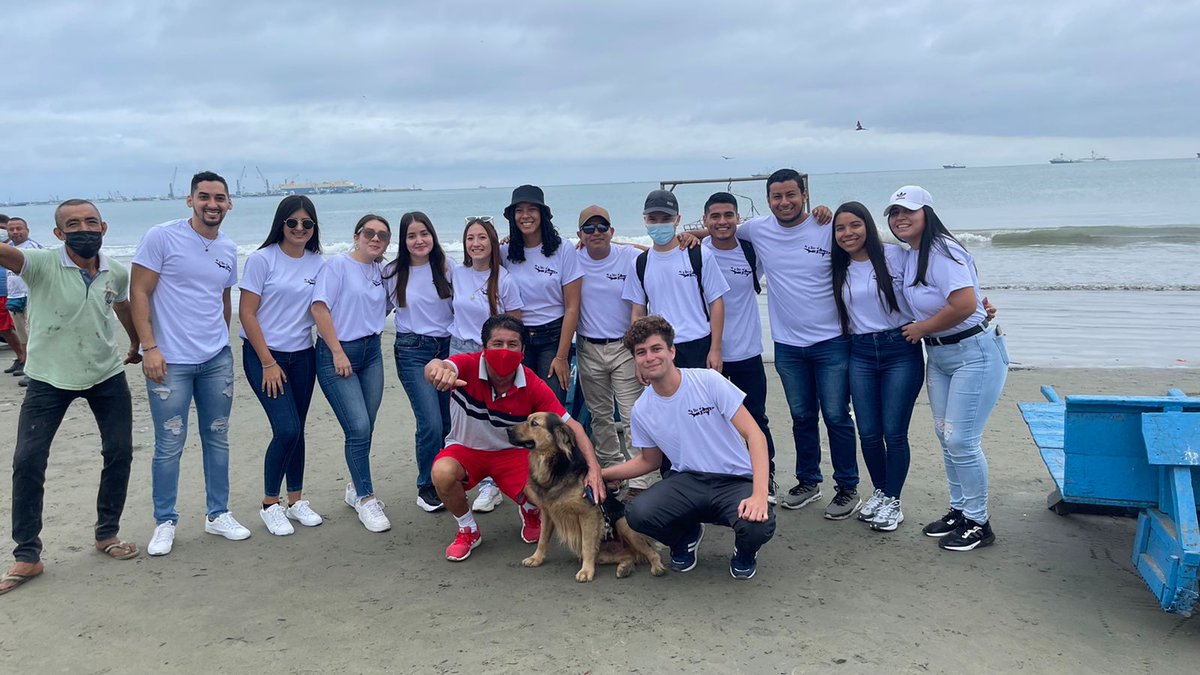
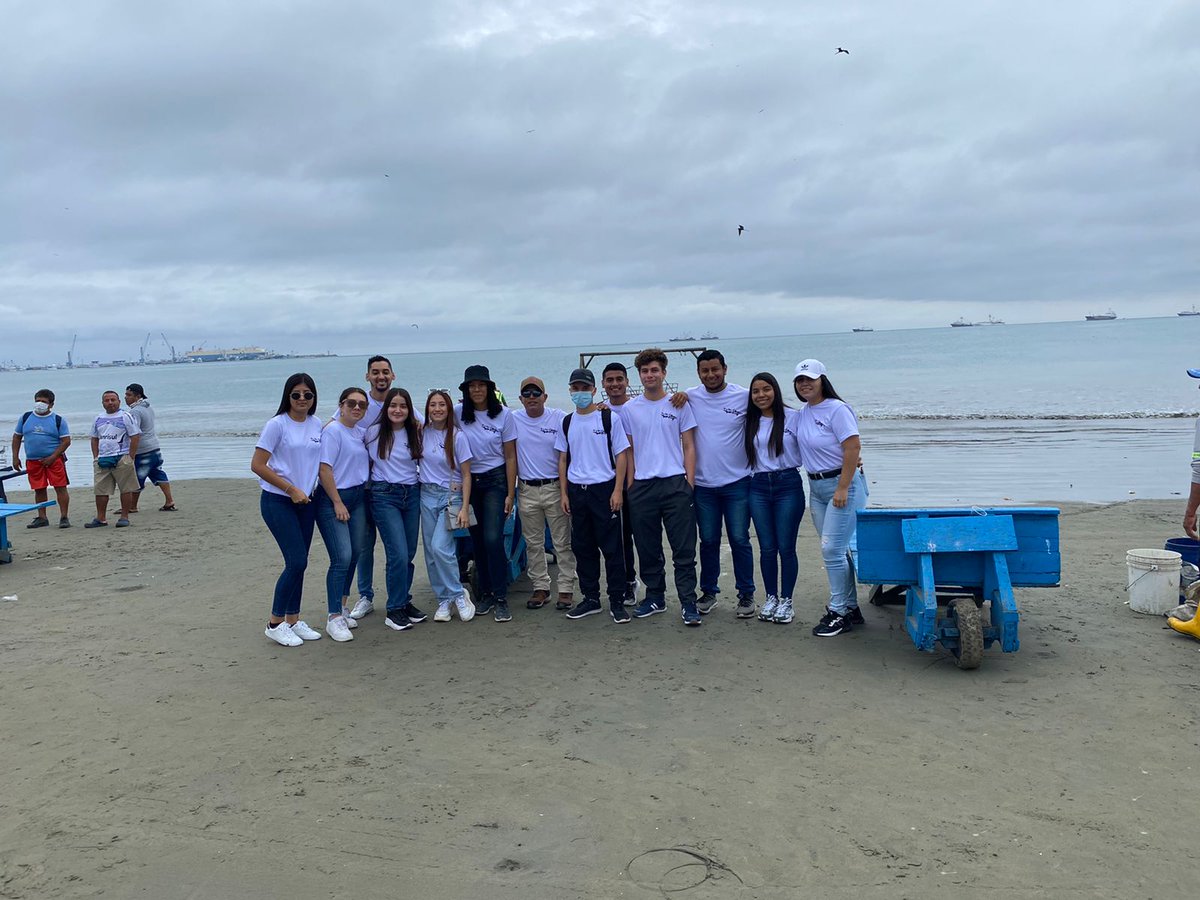
Han pasado casi 2 años desde que comencé esta increíble travesía junto a este talentoso grupo. Desde nuestra contribución en el proyecto macro 'Evaluación de parámetros biológicos y dinámica poblacional para ordenación y gestión de los recursos marinos" liderado por @klevernime
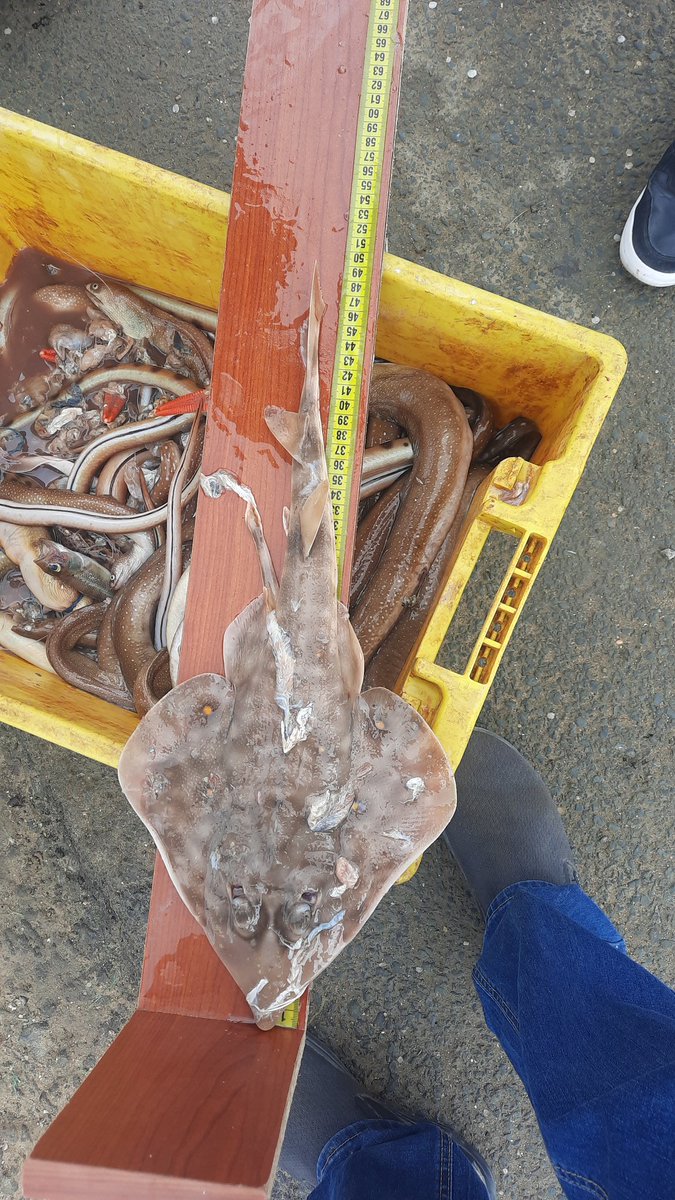
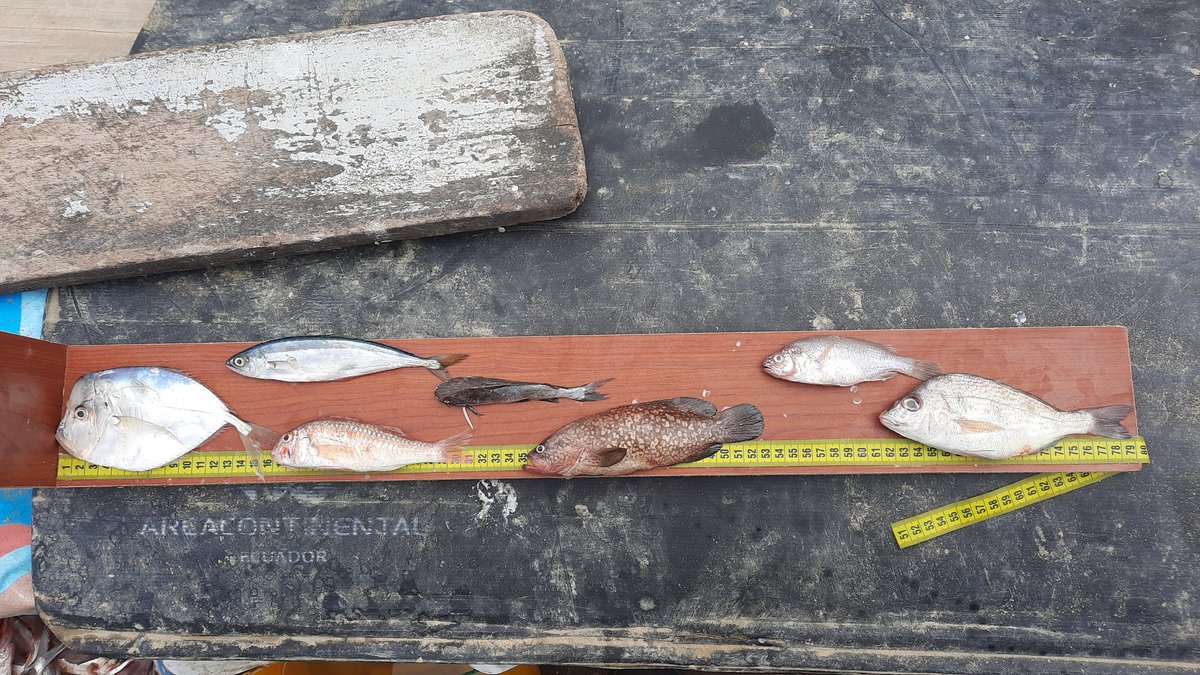
Biological sampling of catches in Las Piñas, Ecuador, from the Project: Assessment of biological parameters and population dynamics for marine resource management and conservation. @sharkbriomen
1/ 🧵 Dive deep into the differences between Logit and Probit Models! A common question in #DataScience, these two have nuances worth understanding. Let's explore.🔍





![FishBaseProject's tweet photo. #NewStudy on pelagic Thresher #sharks (Alopias pelagicus) in the Eastern-Central Pacific 🦈
Led by Dr. Jesús Briones-Mendoza, it reveals key insights on reproduction, maturity & population dynamics, crucial for #FisheriesManagement & #SharkConservation.
[https://t.co/A8A2ItO2Jp] https://t.co/ivphA04JKA](https://pbs.twimg.com/media/HEZSmYkbsAAg0BY.jpg)