RECRUITS ARE LOST AND CONFUSED
One of the biggest misconceptions about recruiting is that more information and more opportunities have made the process easier.
On the surface, recruiting appears simple.
Create highlights.
Attend camps.
Contact coaches.
Perform well.
Make the grades.
Get recruited.
But beneath the surface is a world of competing voices, conflicting advice, and constant pressure that many families struggle to navigate.
They’re being pulled in every direction.
Parents have opinions.
High school coaches have opinions.
Travel coaches have opinions.
Trainers have opinions.
Friends have opinions.
Former players have opinions.
Social media has opinions.
One person says stay close to home. Another says leave the state. One says focus on academics. Another says chase the highest level possible. One says be patient. Another says commit now. Everyone sounds confident, yet nobody fully agrees.
AND college coaches often have opinions that completely contradict everyone else’s.
At the same time, recruits are surrounded by more noise than any generation before them. Every day they see commitment graphics, rankings, scholarship announcements, campus visits, transfer portal news, and highlight videos. They’re constantly comparing their journey to someone else’s best moments.
The pressure of “D1 or bust” only makes things harder. Many athletes grow up believing that if it’s not Division I, it’s not success. The reality is that incredible opportunities exist at every level:
D2, D3, NAIA, JUCO, USCAA, NCCAA, and more
But too many recruits spend their time chasing someone else’s definition of success instead of defining it for themselves.
They’re also trying to please everyone. Their parents. Their coaches. Their teammates. Their friends. The people who invested time and money into them. All while trying to figure out what they actually want.
And perhaps that’s the hardest part. Recruiting isn’t just choosing a school. It’s choosing where you’ll live, who you’ll learn from, who you’ll compete with, and what the next chapter of your life may look like. All while trying to decipher what the financial aid package really means for their future!
That’s a lot of pressure for a 16, 17, or 18 year-old who is still trying to figure out what tomorrow looks like and who to truly trust.
The recruits who navigate the process best aren’t usually the ones who listen to the loudest voices. They’re the ones who eventually learn to tune out the noise, stop comparing themselves to others, and define success for themselves.
Because recruiting was never meant to be about impressing the most people.
It’s about finding the place where you can grow, belong, and become the best version of yourself.
💯 But, I would go further, since we are in the “I” era-iPad, iPhone, I, I,I…coaching kids (& parents) that are self-absorbed-not team oriented has turned high school coaching into a nightmare w/ constant turnover-bc the headaches out way the results!
One of the biggest misconceptions in high school sports is that coaching is primarily about practices, games, and wins.
The reality is that coaching has become one of the most challenging roles in education because coaches are expected to wear dozens of hats while being evaluated from every direction.
Every parent, player, administrator, and community member often has a different expectation of success.
One family wants college recruiting to be the priority.
Another wants playing time.
Another wants winning.
Another wants player development.
Another wants discipline.
Another simply wants their child to enjoy the experience.
The challenge is that those goals frequently conflict, and coaches are often expected to satisfy all of them simultaneously.
Most coaches are balancing far more than what happens between the lines. They manage team culture, player conflicts, parent concerns, academics, transportation, fundraising, budgets, equipment, scheduling, eligibility, social media issues, and the emotional needs of teenagers.
At the same time, every roster includes athletes with different abilities, goals, motivations, and commitment levels. Some dream of college athletics. Some are trying to make varsity. Some simply want to belong. Building one program that serves all of them is incredibly difficult.
Perhaps the greatest challenge is decision-making.
Who starts?
Who plays?
Who sits?
Who travels?
Who gets moved up?
Who gets cut?
Every decision creates opportunity for one athlete and disappointment for another. Even well-intentioned decisions can be viewed as favoritism or politics when seen through the lens of an individual family.
Recruiting adds another layer of complexity. Coaches are expected to help athletes pursue college opportunities while also managing the needs of an entire team. Supporting one athlete can sometimes raise questions from another family about their child’s opportunities.
Social media has amplified many of these challenges. One lineup decision, one difficult conversation, or one emotional moment can quickly become public discussion, often without the full context.
There are also pressures many people never see.
Pressure from administrators to represent the school well.
Pressure from parents to provide opportunities.
Pressure from athletes to help them achieve their goals.
Pressure from communities that often measure success by wins and losses.
Pressure to retain athletes in an era of increasing transfers and movement.
And all of this occurs while coaches are trying to develop young people, not just athletes.
What makes coaching difficult is not that people don’t care.
It’s that everyone cares deeply, but often about different things.
Parents focus on their child.
Players focus on their opportunities.
Administrators focus on the school.
Communities focus on results.
Coaches must somehow balance all of those interests while making decisions they believe are best for the team.
As a former college coach, athletic director, and high school administrator, I’ve learned that most coaches are not trying to hold athletes back, play favorites, or make life difficult for families. Most are simply navigating competing priorities, limited resources, and difficult decisions while trying to do what’s best for kids.
Because at its core, coaching has never really been about managing games.
It’s about managing people.
And that’s what makes it both incredibly challenging and incredibly important
This group!!! 4-0 this weekend !!! Our 16u P24 style of play is flat out electric to watch. Sharing it, defending, running in transition and competing every possession.
20+ point margins all weekend while battling some of the best clubs out in Mesa. When everybody eats and the energy stays connected like this… dangerous things happen. #WhyUs
@SelectEventsBB@PGHCircuit@LBInsider@wadesworld32@CoachEvanBell
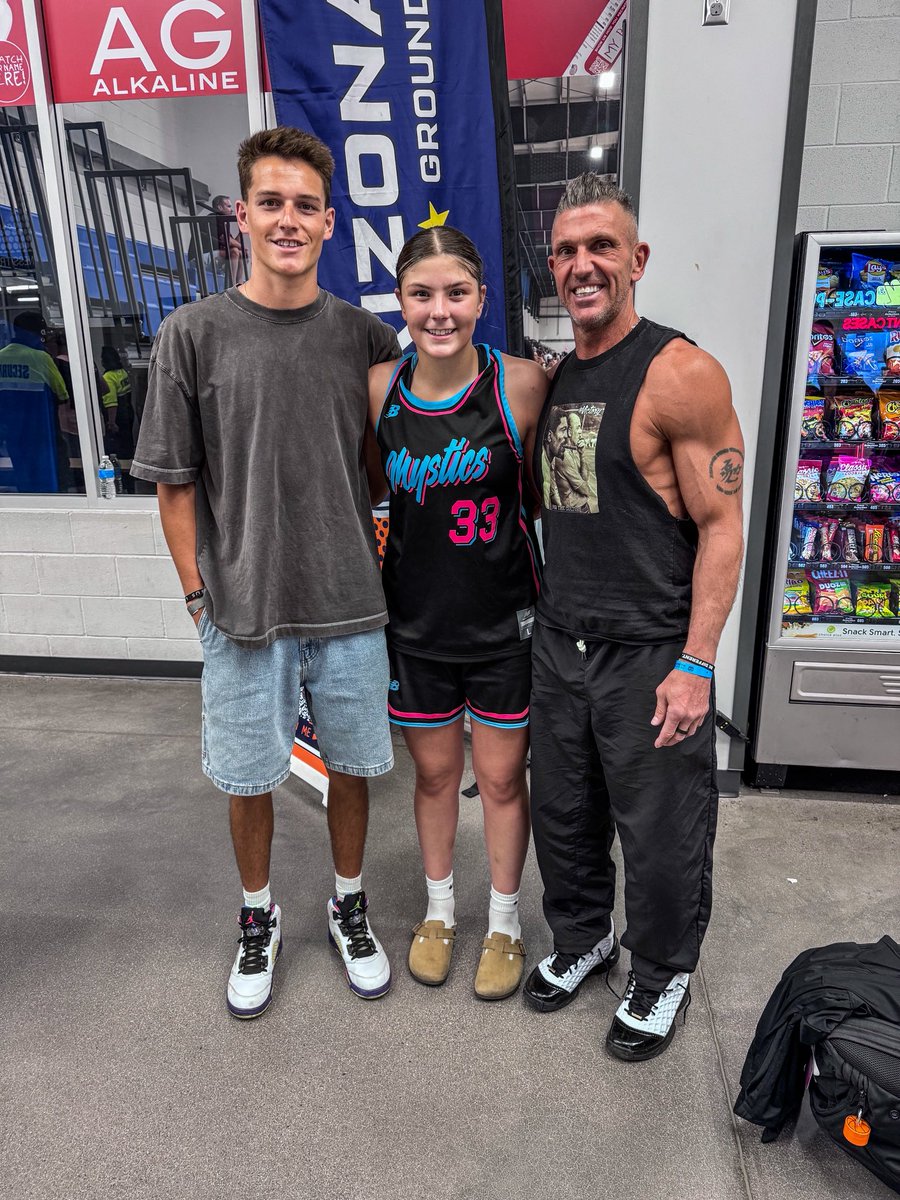
LOVE all the kids we have coached over the years!!!! They all are killin’ life—Gage not only will be an Officer in the Air Force, he will have his degree from Grand Canyon—SUPER PROUD of him!!! We LOVE how our former players come back to support our kids!! Makes my heart happy!
It’s 11:08pm, daughter isn’t home, & your BLINK security camera goes off at your gym…"If you're not obsessed with what you do, we don't speak the same language."—Kobe
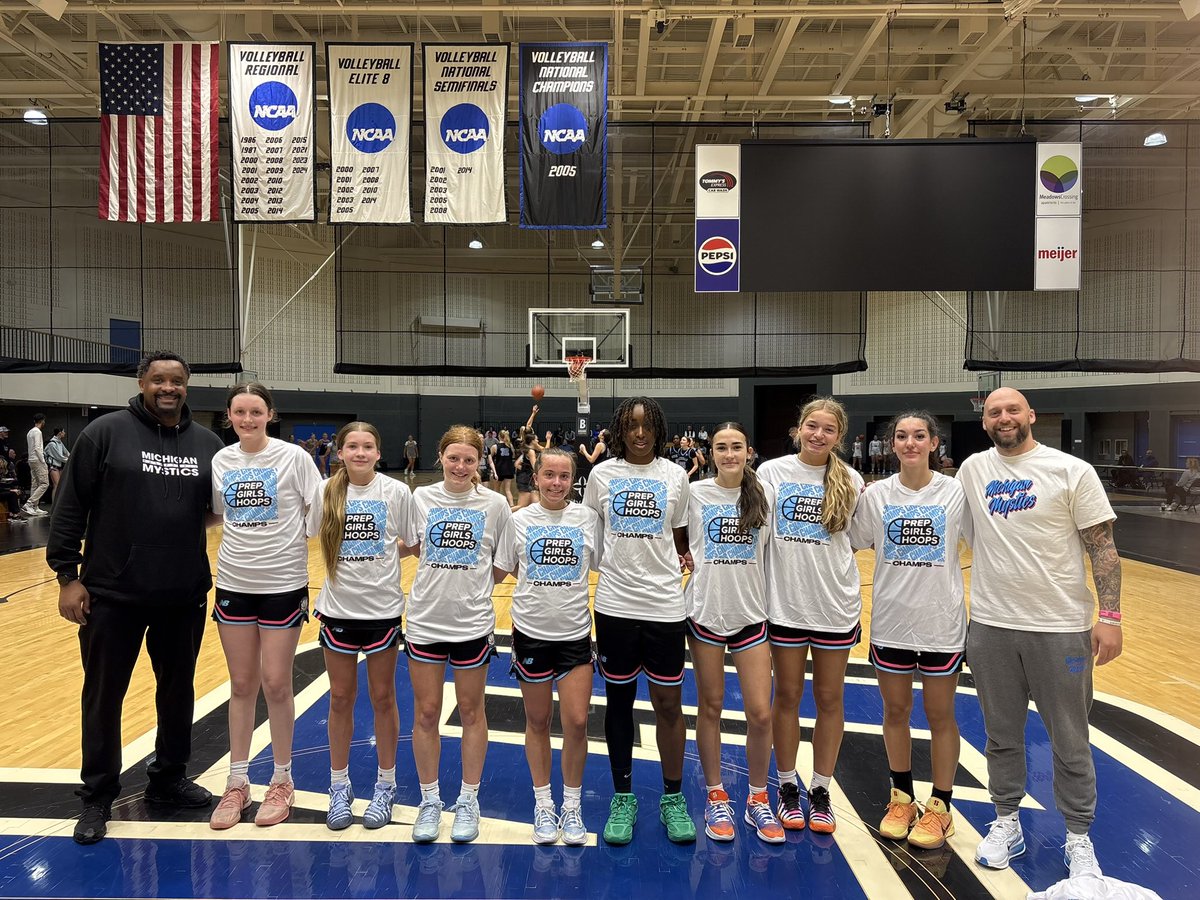
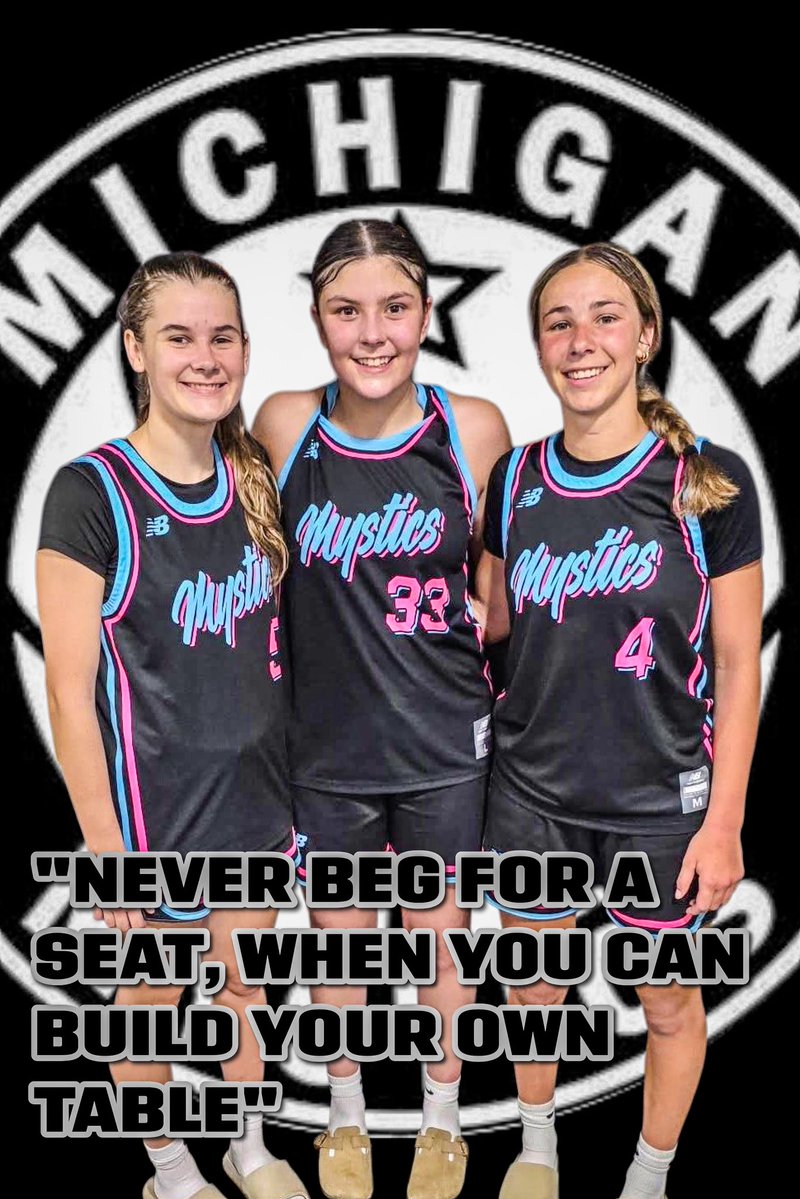
MICHIGAN MYSTICS!
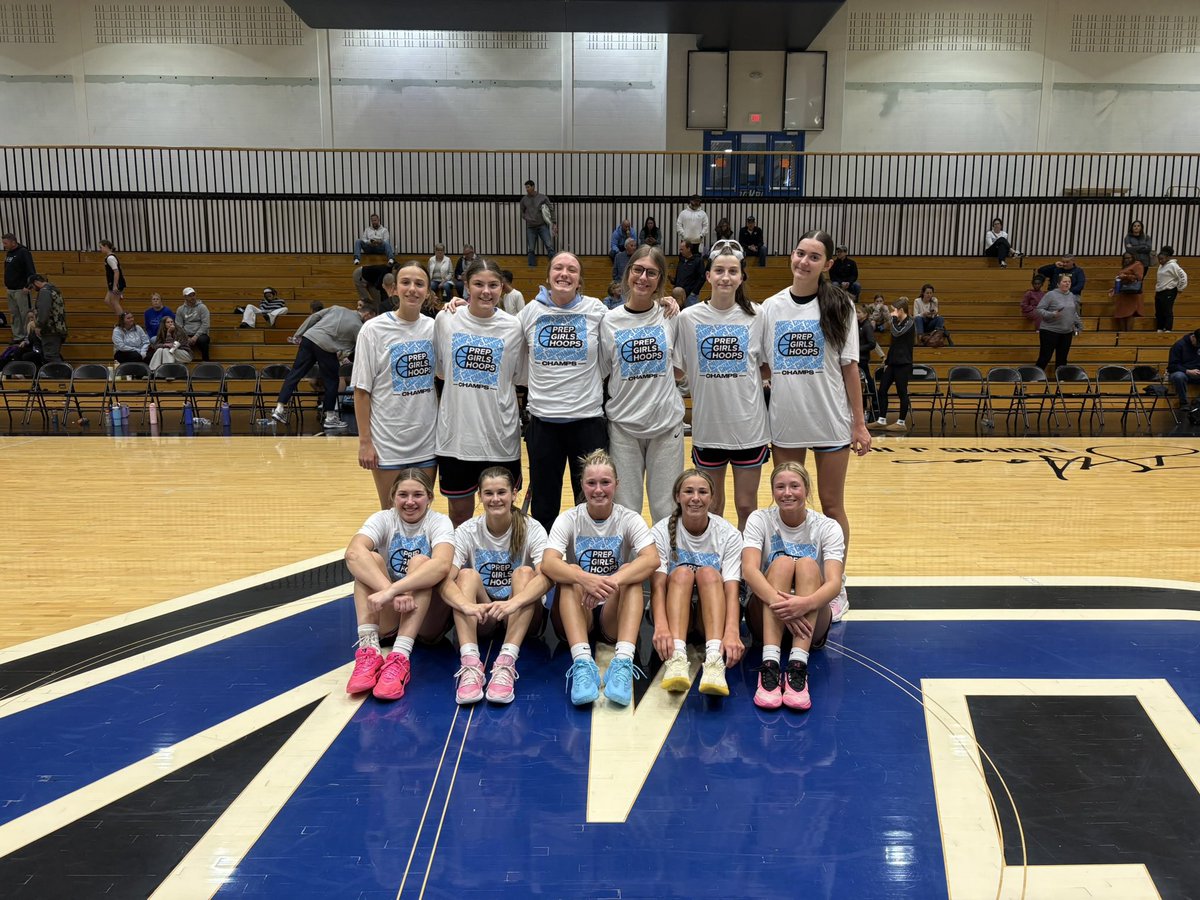
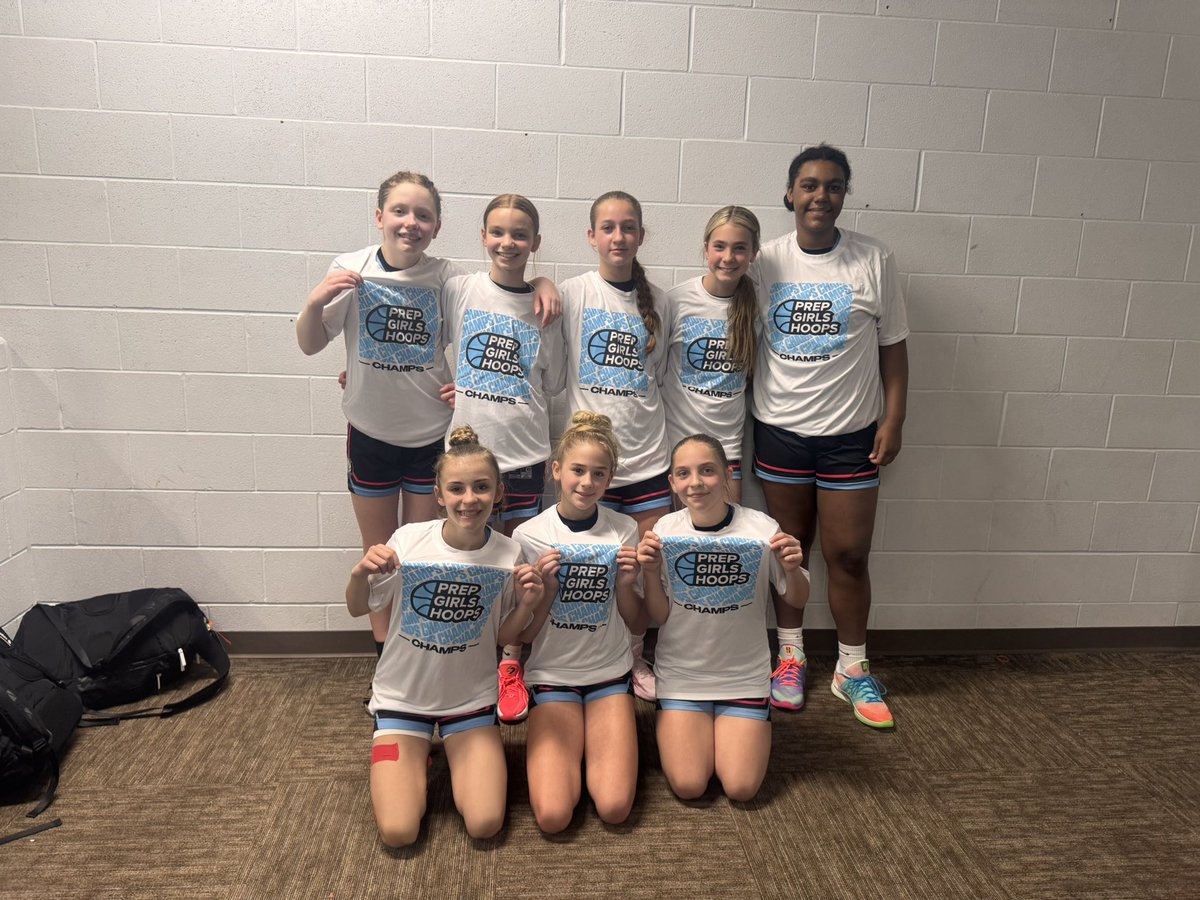
When we talk about a club, it’s bigger than one team… it’s a collective. This weekend showed exactly that.
Grade 5 battled to a championship game appearance.
Grade 6 brought home a title.
Grade 7 claimed the consolation bracket.
Grade 8 South fought to the semis, while 8 Select played up in 9th and competed.
Grade 9 P24 champions.
Grade 10 battled to the semis.
Grade 11 champions in diamond and gold!
All of this against top programs across Michigan and beyond. The standard is the standard!