This flying acrobat is a bit tricky to catch. #Hoverflies (#Syrphidae) overview everything with their facet-eye and have a fast response time. They are important #pollinators and interesting for my study. Here, the hoverfly rests on the Yorkshire fog grass (Holcus lanatus).
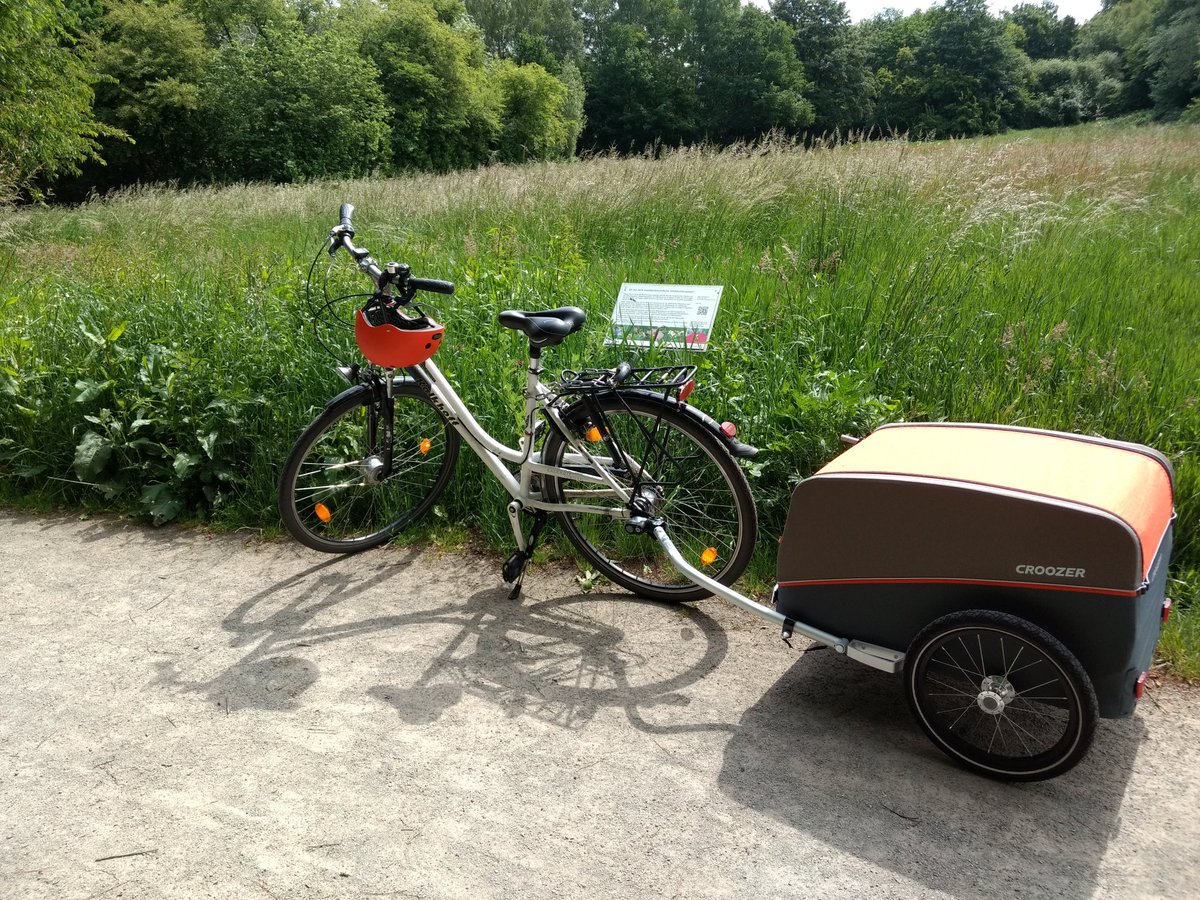
I started my Master thesis at @AlbachLab @UniOldenburg two weeks ago. I'm investigating plant and insect diversity in artificially planted wildflower meadows and compare them with more typical city meadows in Oldenburg. 🐝🦗🌼 So far, I cycled 135km for my field work.
@PaulUpwey@BritishBugs A good characteristic to check whether the bug is Nabis is to look at the rostrum. In Nabis, its sickel-shaped. At least for all Nabis species I know.
Thanks for charing the beautiful bugs, always happy to see some :)
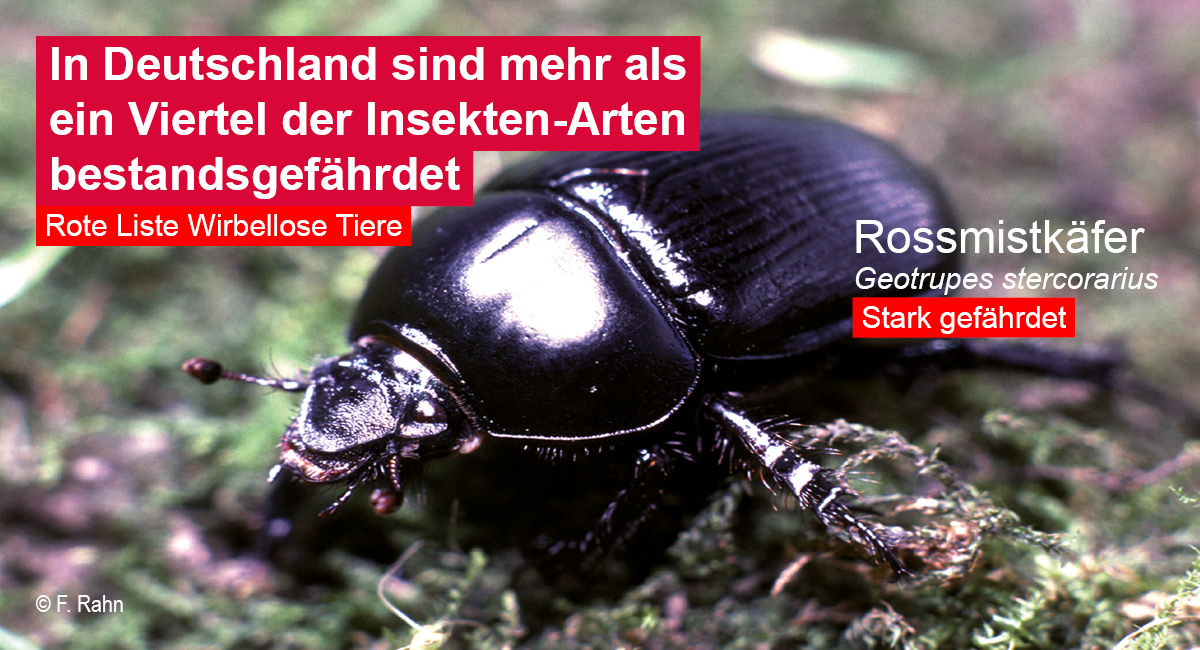
Sad news for all insect-lovers.. 26.6% of the #insect species in Germany are #threatened according to the newly released #RedList. The president of the Federal Agency for Nature #Conservation emphasizes: the negative trend seen in the 2 previous reports continuous!😢
In Deutschland sind 26,2 Prozent von knapp 6.750 neu bewerteten Insektenarten in ihrem Bestand gefährdet. Die neue #RoteListe zeigt, dass bei einigen wenigen Insektenarten die Bestände zugenommen haben, die Rückgänge vieler Arten aber deutlich überwiegen: https://t.co/N6guGYPEQm
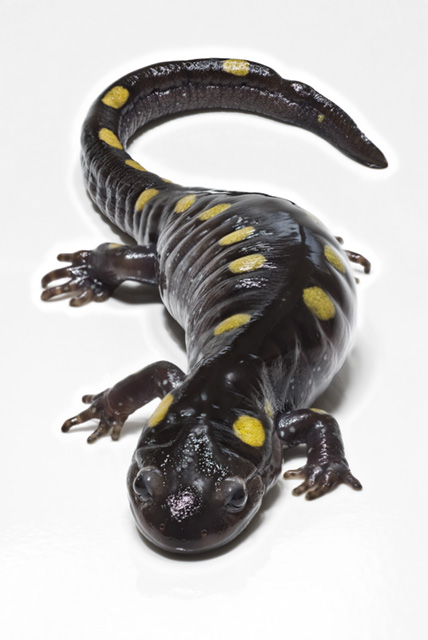
Did you know that yellow-spotted salamander embryos have symbiotic algae living inside them? This is the only known example of algae endosymbiosis that involves a vertebrate species.
#PhycologyFriday
Gegen 12 Uhr wurde nahe der Bahnstation Wechloy dieser süße Hund gefunden. Er befindet sich jetzt im Tierheim #Oldenburg, wo er auf seine Besitzer*innen wartet! Vielleicht könnt ihr retweeten, damit das mehr gesehen wird @Polizei_OL
This was a very fun course day at the @UniOldenburg indeed. I'm also happy with the SEM pictures of the pollen of Allium schoenoprasum. Thanks for organising this @AlbachLab and Co!
@BeekeepersHour I expected it to be the same, but I'm not so familiar with beetles yet. I found pretty similar looking beetles in my samples (MA student, NW Germany) and wanted to take the opportunity to get an idea of the genera/spec. Thank you for the info!
@sarmad2655@DrHikov Sounds like the higher yield is bec the genetically engineered elite wheat is more resistant against the disease. It is less likely to be infected, therefore loosing less yield to the disease.