I like the song "For all we know".
I'm happy to be able to compare these three. The song features a beautiful melody and intricate chord progressions, allowing for individual expression.
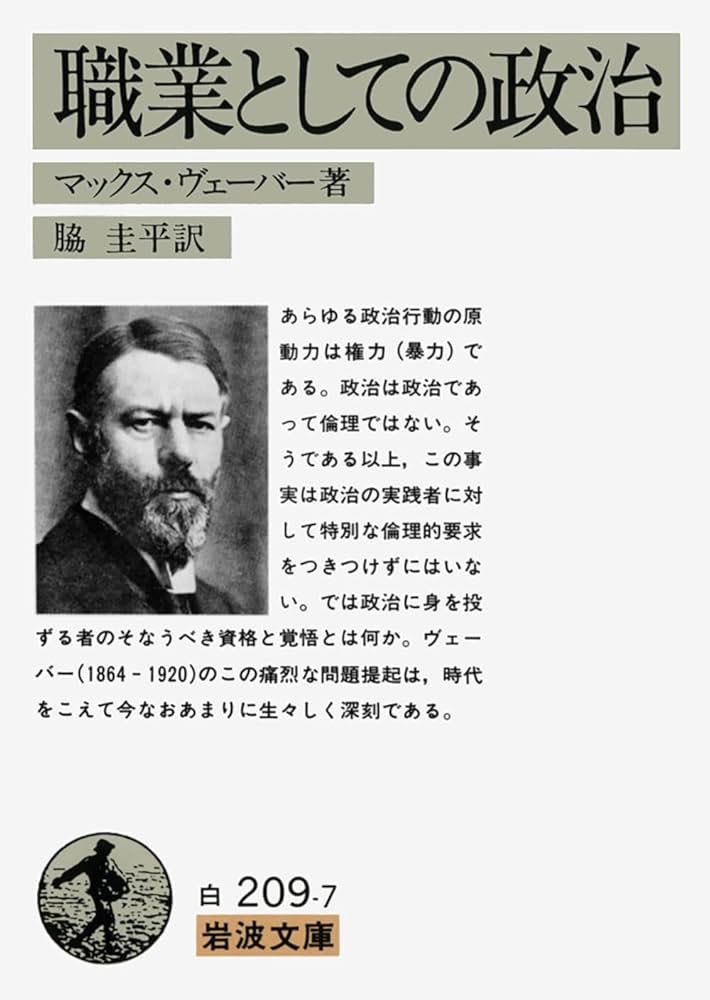
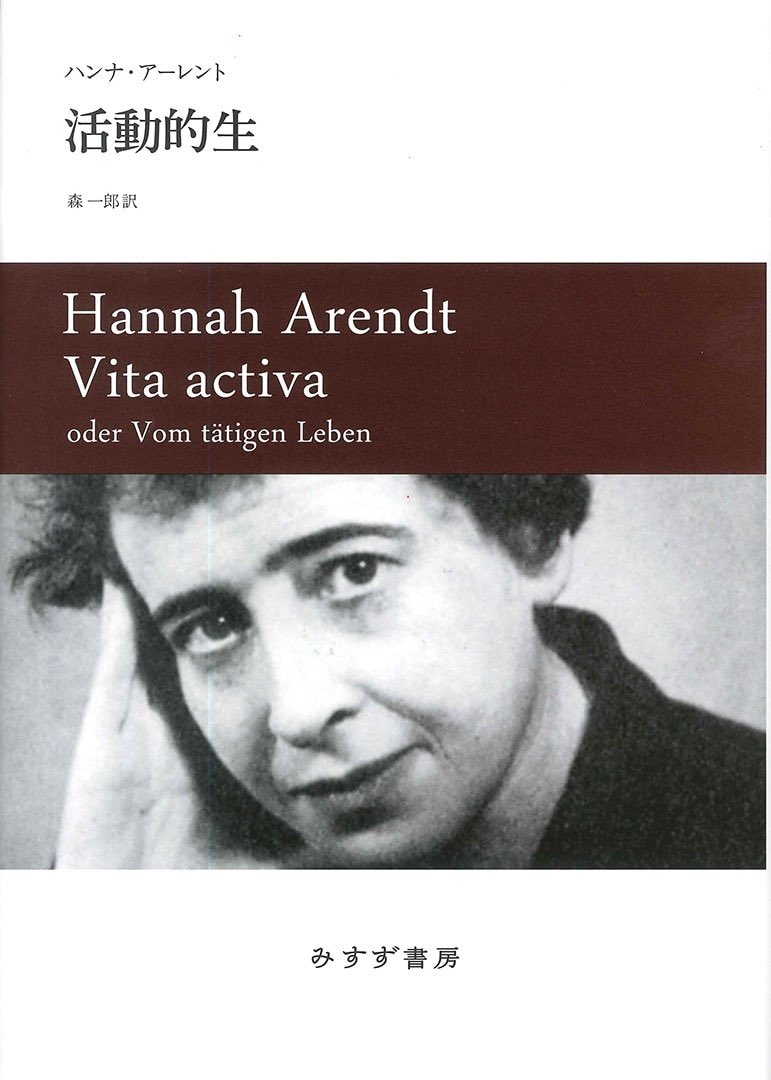
Reading this book taught me to make realistic judgments without letting emotions get in the way. This was because I encountered the word "Sachlichkeit" (realism/realism) frequently in the original German text. I felt that I could make discoveries by consulting the original text.
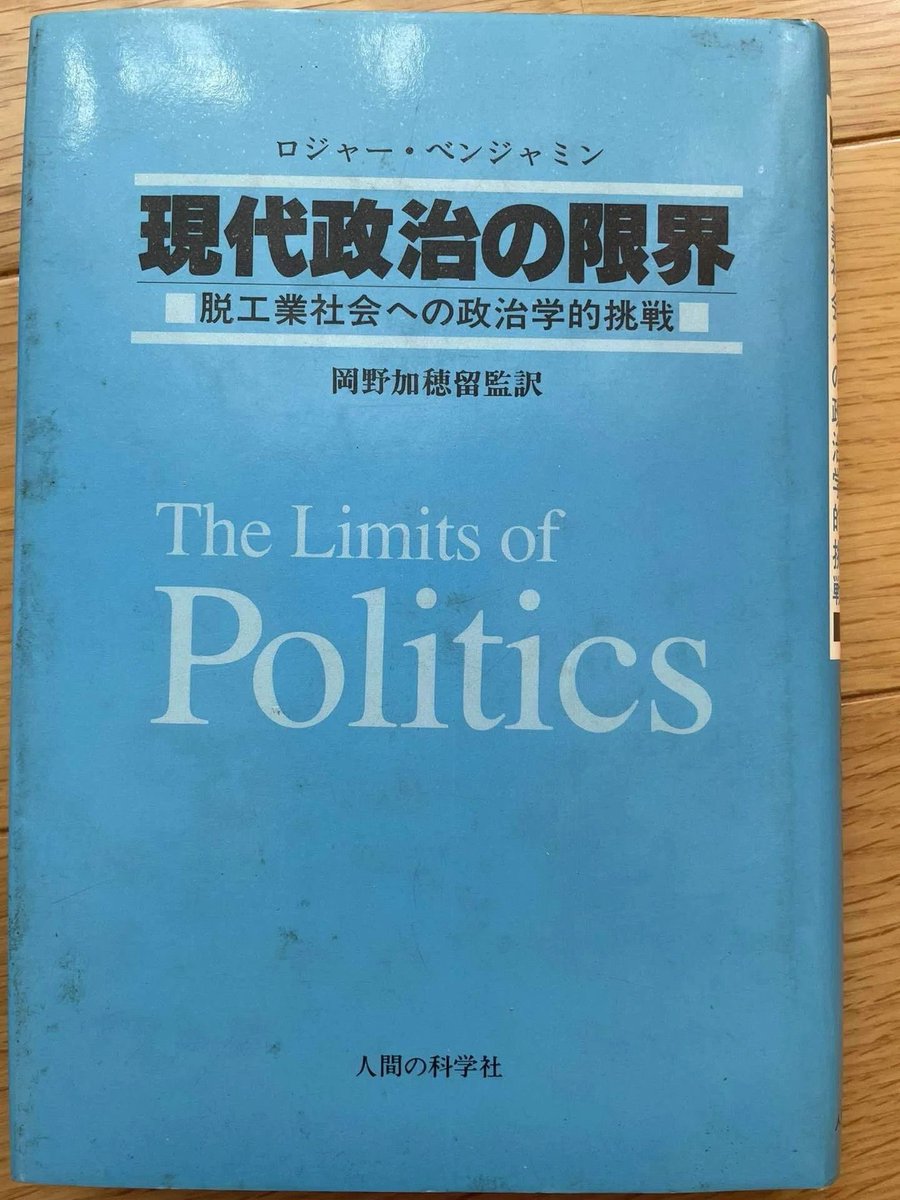
The original version of this book was published in 1980. It brilliantly captures the state of post-industrial societies and raises insightful questions. I am grateful to have encountered it.
I believe many things can be derived from this philosophy of peace, and many things are already being put into practice. I also believe there are many difficulties involved. I think it's a task that must be addressed, even if it takes time.
I reread the notes from the professor's final lecture. I found many things helpful, such as the nature of democracy as an institution and new, non-extreme solutions for the 21st century.
"Thinking humans always stand in the space between the past and the future."
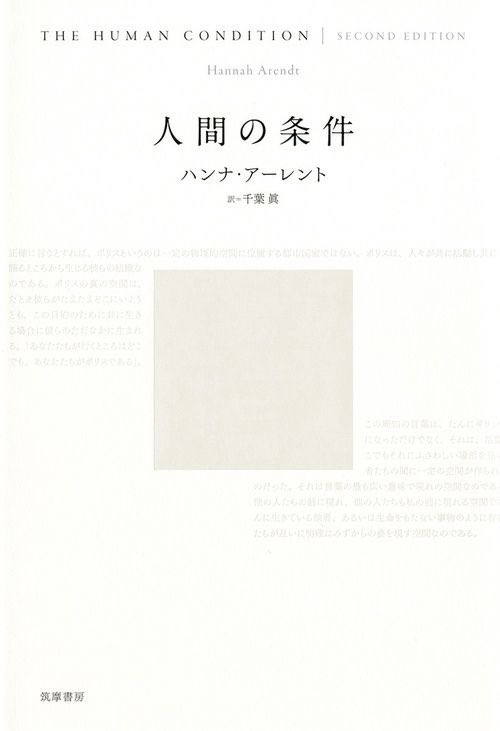
Arendt argued that through thinking, we humans have the power (natality and initiation) to critically examine the accumulation of the past (tradition) and to start something entirely new for the future.
Action consists of initiating something new—a possibility that arises from our inherent plurality. Ultimately, action is the process of breaking through established conventions by giving expression to this innate individuality.
Action consists of initiating something new—a possibility that arises from our inherent plurality. Ultimately, action is the process of breaking through established conventions by giving expression to this innate individuality.