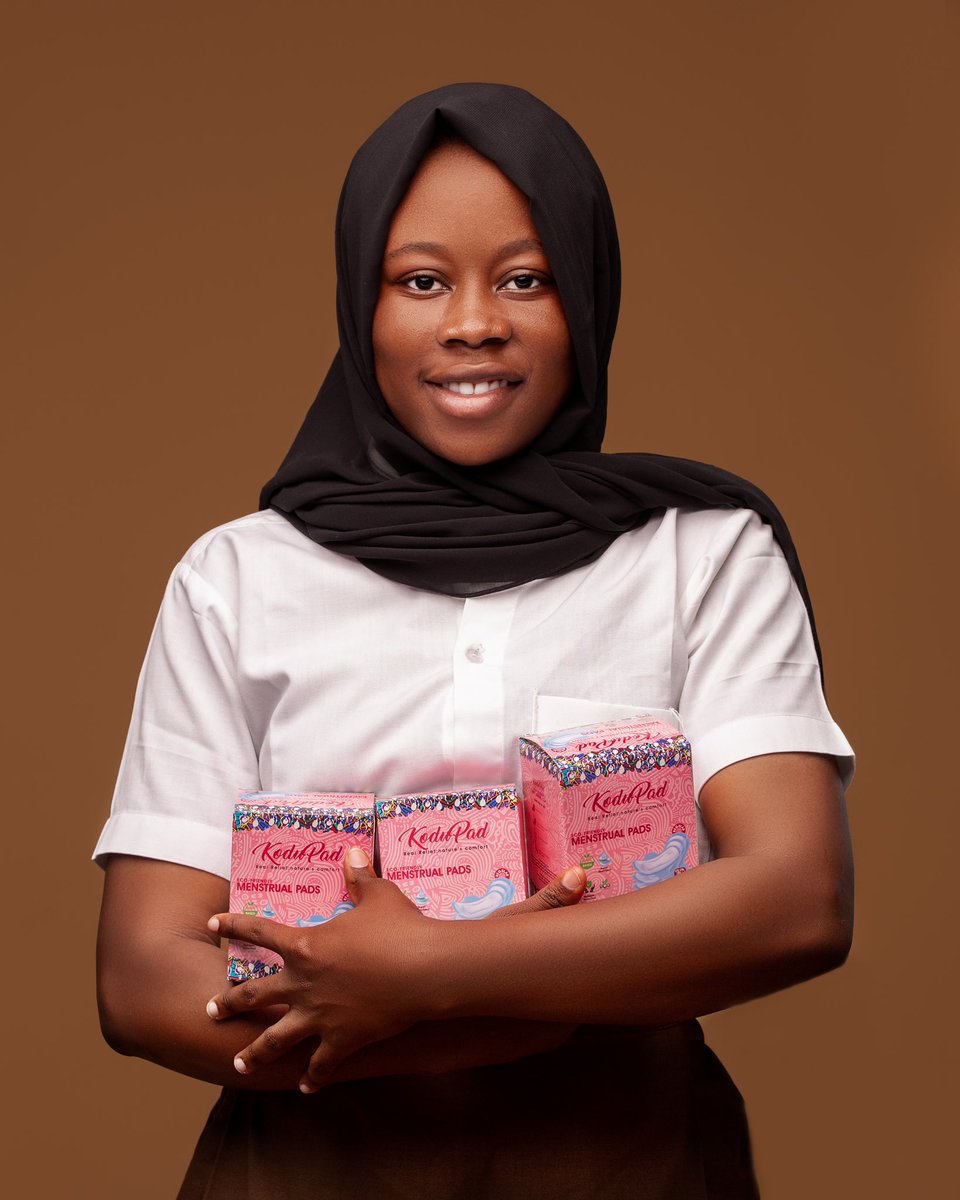
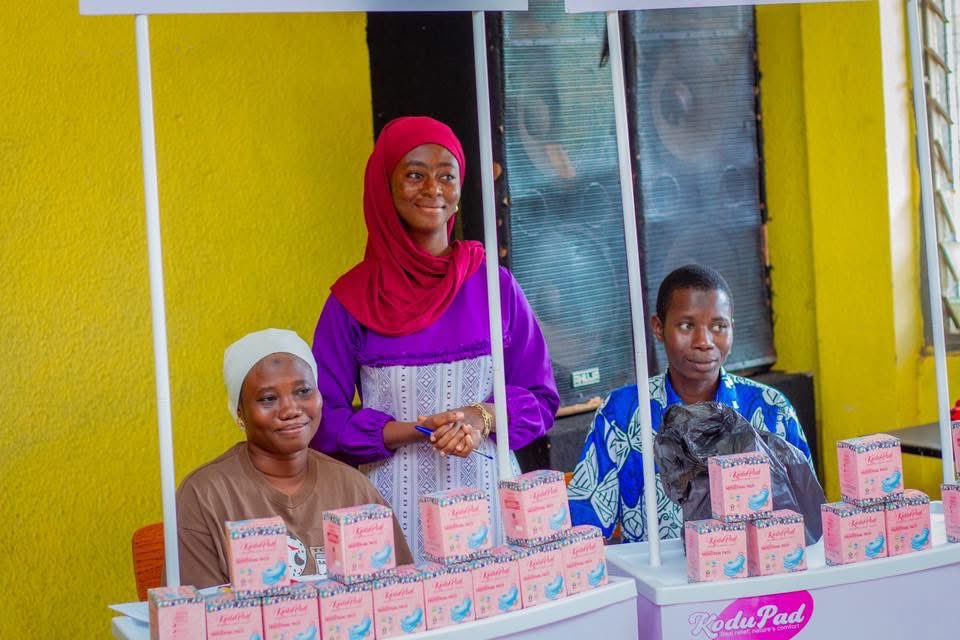
At Kodu Technology, we believe every girl deserves safe, eco-friendly menstrual care.
Our pads, made from plantain and banana fiber, are affordable, biodegradable, and changing lives, one pack at a time.
For every 10 pads purchased, we donate one to a schoolgirl in need.
With the government initiative to provide free sanitary pads to our girls in school, HE @JDMahama it would be very prudent if you empower this company to locally produce those pads and create jobs.
Thank you
A lot of these diapers have aflatoxins breeding in them and hence the increase in cervical cancer cases here and there. Can't we empower the company producing diapers in Ghana by using plantain and banana stems? What is the name of the company @KojoAB
🌟🚀 Something powerful is coming this #GivingTuesday
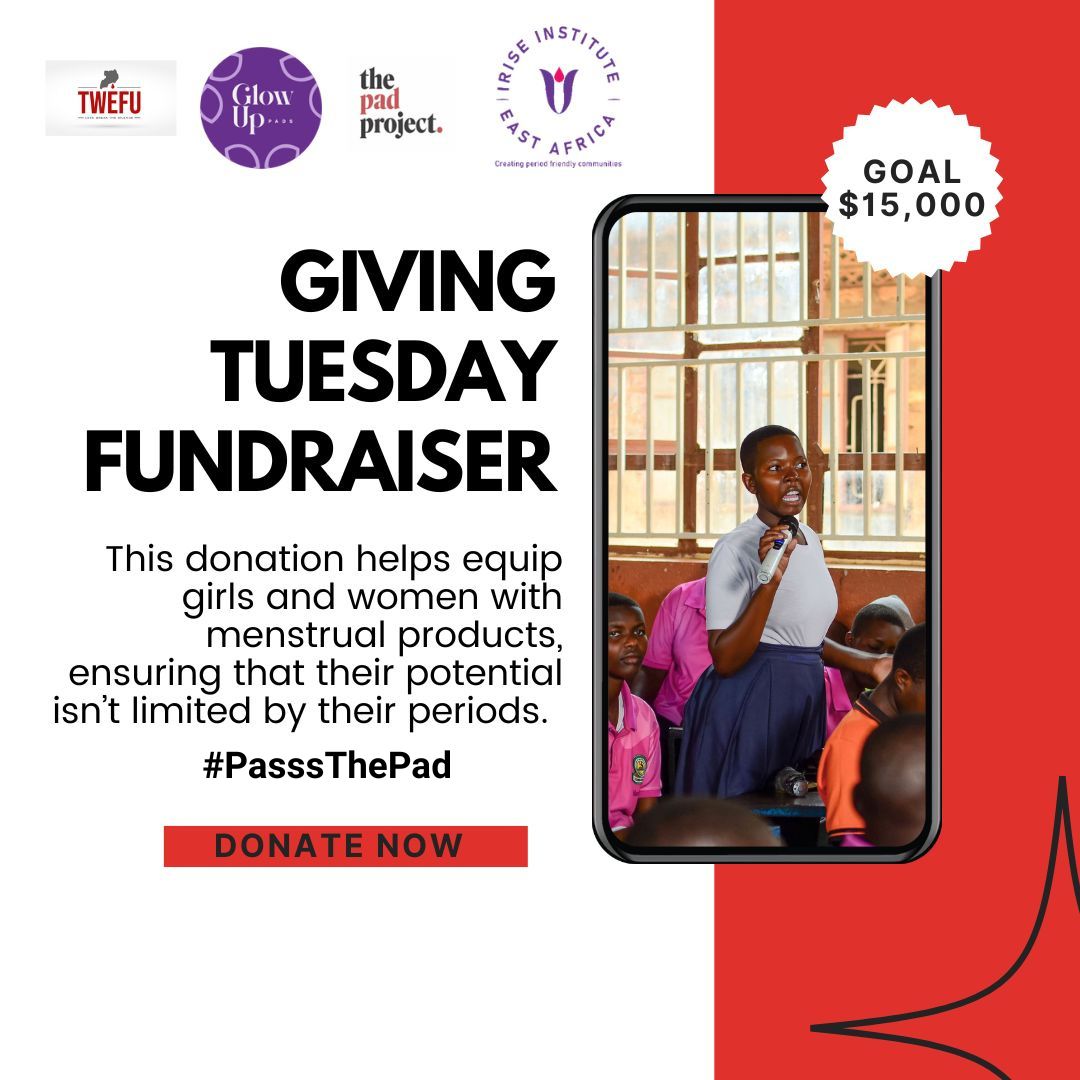
Big news! To help #PassThePad this Giving Tuesday, @twekonyereug and @GlowUppads are joining @ThePadProject1 and @IriseEastAfrica to fundraise for Washable pad programs in India, Ghana, Guatemala, Sierra Leone, Kenya, Uganda, and Tanzania.
On Giving Tuesday 2025, we’ll be raising funds to support local NGOs to launch washable pad programs, create social enterprises, and provide training that ensures lasting impact. Your support transforms schools, strengthens communities, and equips girls worldwide for a brighter future.
This campaign is about more than donations, it’s about showing that African generosity changes lives.
Over the next few weeks, we’ll share stories of people your support can impact.
Let’s spread kindness, hope, and community this season.
Follow our journey and mark your calendar for 2nd December 2025!
You can make your donation today here:
https://t.co/M7eJotEmNH
#GivingTuesdayAfrica #ActOfKindness #NGOImpact #AfricanGenerosity
Our CEO & Co-Founder @fariedfab4 spoke at the Africa Soft Power Summit during #UNGA80 in New York, sharing how Kodu Technology is using AI to drive healthcare innovation, including smarter menstrual hygiene solutions.
Your support so far has been amazing, and we are grateful to all who have so far partnered with us, the organizations, the shops, and you, our lovely community.
Thank you!!
We saw a need, a gap that needed to be filled, shoes that seemed too big to fit us, but we wore them boldly armed with our strong dedication to ensure that young girls in Northern Ghana and beyond have access to sanitary products.
We are excited to build on this momentum and continue making a positive impact in our communities.
Thank you again to UNICEF and to You all, for supporting this amazing project.
Wa Senior High School was the fifth beneficiary school of the Menstrual Pad Bank. We are truly grateful for our partnership with UNICEF Ghana.
Wa SHS was our final school in this project, but we're already looking forward to future initiatives.
We remain committed to reducing period poverty and helping young girls in Northern Ghana and beyond.
This partnership has been a significant step towards empowering girls through education and dignity.
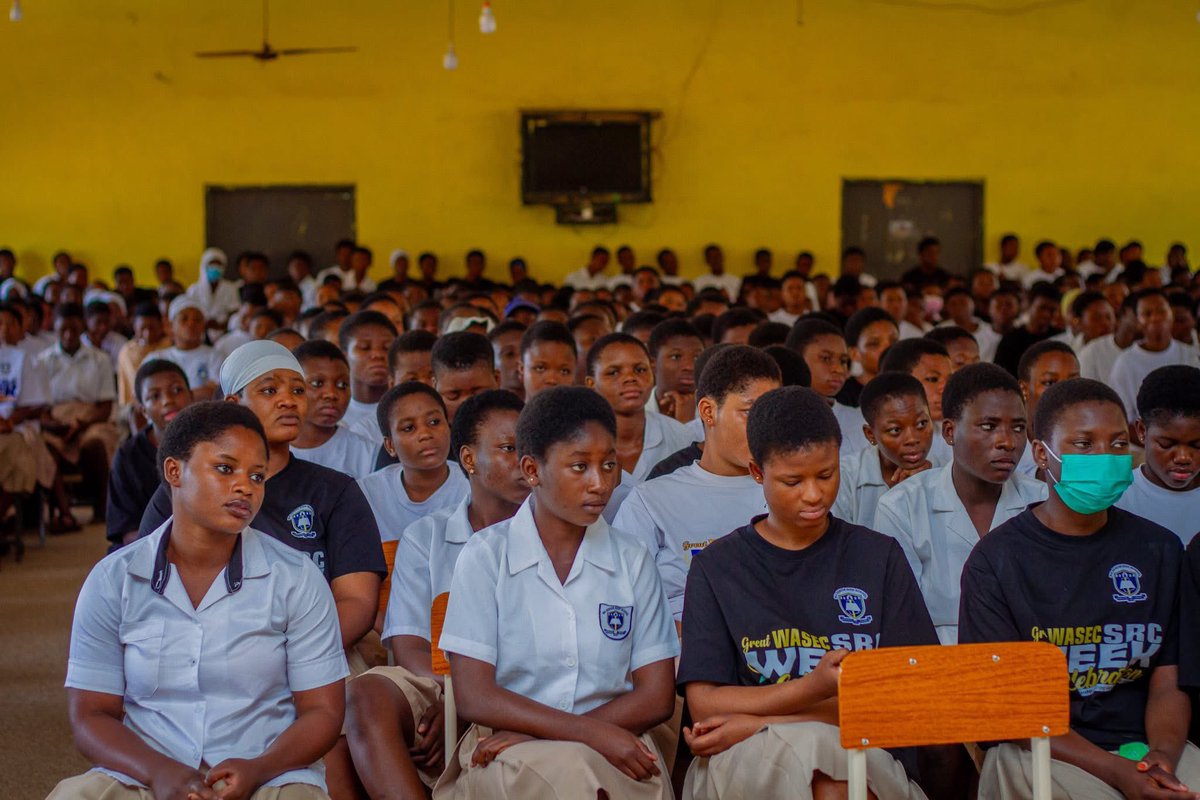
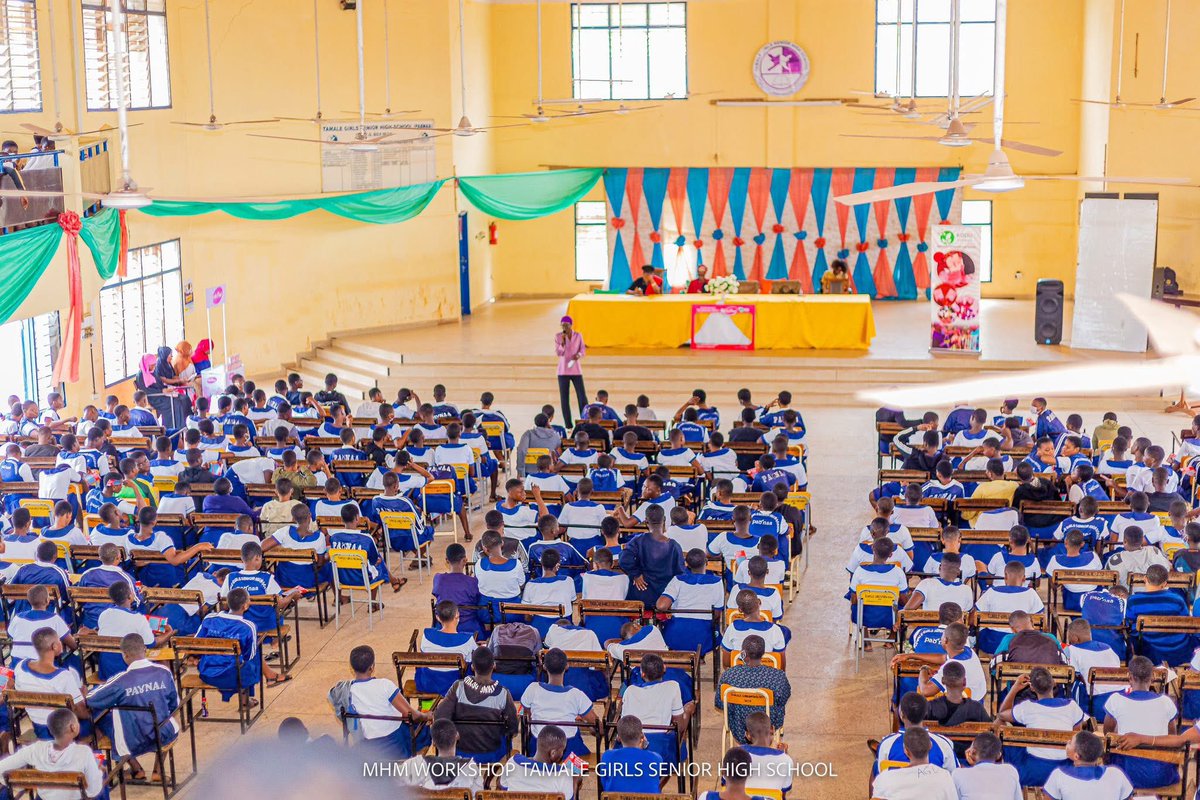
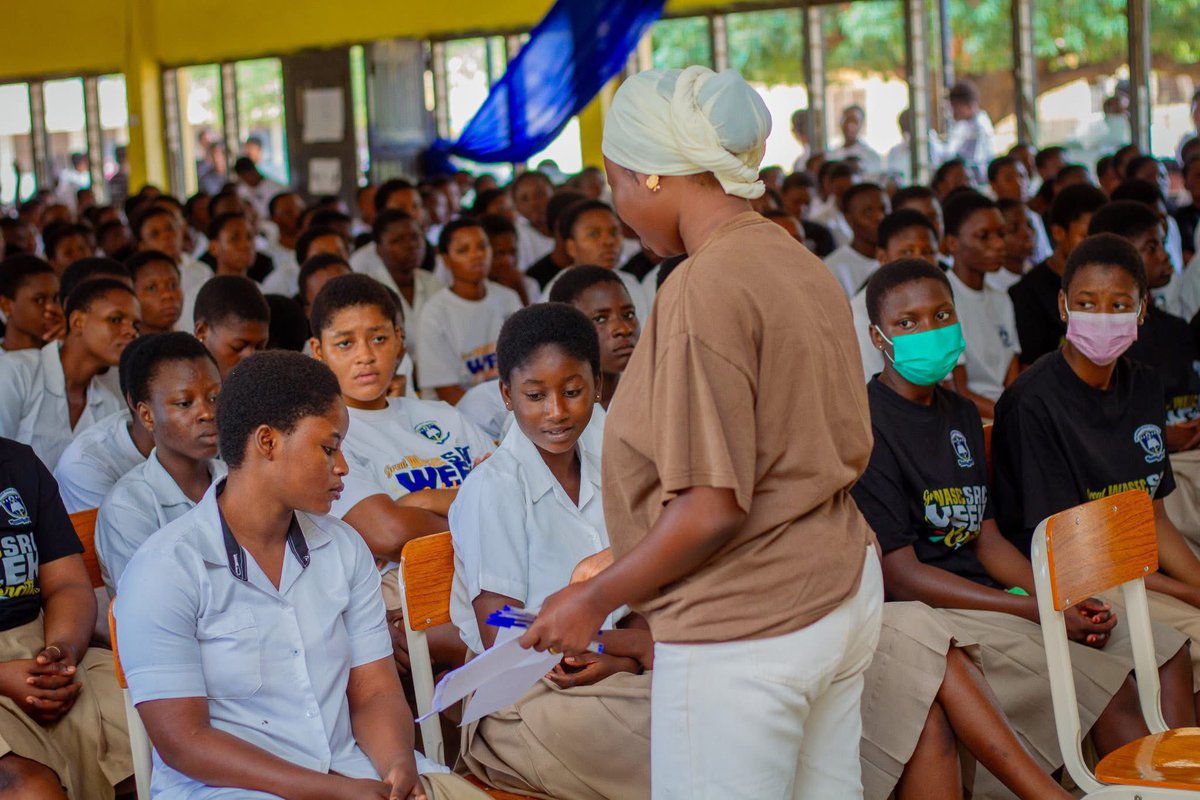
Last Thursday we visited the Queens of the North at Tamale Girls’ SHS, our 4th school to receive a menstrual pad bank.
Grateful to @UNICEF for helping transform girls’ lives in Northern Ghana. Thank you TGSHS for the warm welcome. Reducing period poverty one pad bank at a time.
Meet Confidence, a senior high school student from Tamasco, who shares his insights on the role guys can play in supporting their female peers during menstruation.
3/3. This was made possible through our partnership with the UNICEF startup labs. We are so grateful for this amazing opportunity to be change makers in our community. Thank you !
Here’s to making a difference and reducing period poverty, one menstrual pad bank at a time !🥳
🧵1/3. The Menstrual Pad Bank is live and running !🥳
We were in Tamasco over the weekend to set up one of many Menstrual Pad Banks and educate the learners about it as well. This would be done in many schools across Northern Ghana.
2/3. These banks are coin-operated dispensers that release a pad when a token (which comes with the unit) is inserted completely free of charge. The token system helps regulate usage, ensuring steady access for those who need it.