Built this week for the Meta AI Developer Hackathon: VirtuRide, a rider-safety HUD on Ray-Ban Display glasses. Muse Spark classifies hazards, warnings are spoken in the glasses, and every trip gets a safety debrief. One HUD, any ride. 🎥👇 #BuildForYourWorld
The fix: one identity per agent, access tied to that identity, every action traceable. Start with the Agent Governance Readiness Diagnostic. https://t.co/ppytouriFM
Your next employee has no name, no badge, and your keys. Nonhuman identities will outnumber human staff two to one in cloud systems within a year. Give the agent a name before you give it access. #AgentIdentity
OpenAI shuts down its hosted Evals product on 30 November 2026, so teams on it need their own evals in three weeks. The AI Observability Checklist covers both jobs. https://t.co/ppytourQvk
One tool watches production. One checks the change. You need both. Promptfoo, DeepEval and Ragas check the change; Langfuse, Phoenix and Opik watch production. The tool list is not the decision. The two jobs are.
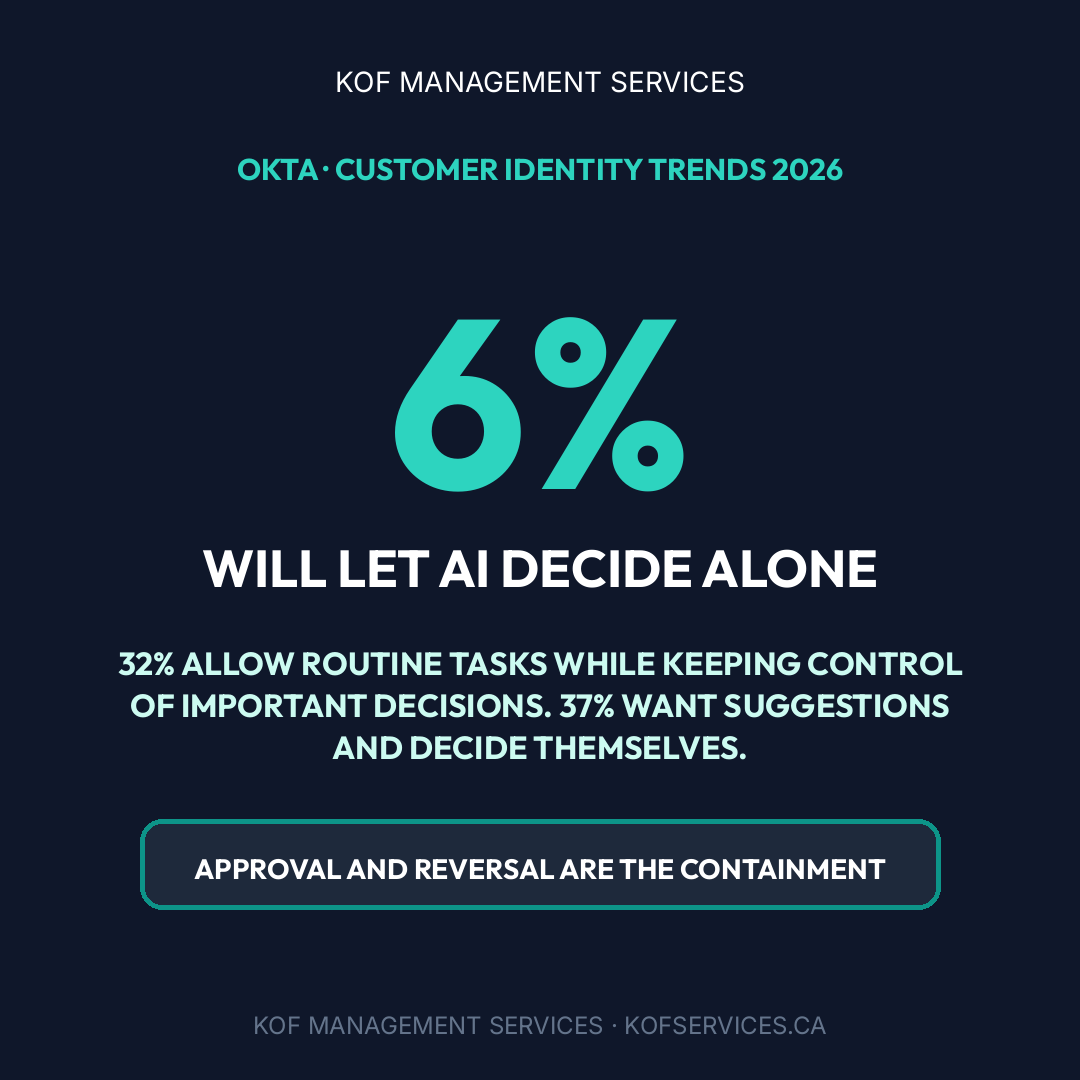
32 percent allow routine tasks while keeping control of important decisions, and 37 percent want suggestions and decide themselves. Willingness passes 50 percent when people can approve first or reverse afterwards. https://t.co/ppytourQvk
6 percent will let the agent decide. The other 94 percent want a say. Only 6 percent of consumers want AI to make final decisions and act entirely on their behalf. Approval is the product.
The money follows the risk: 68.4 percent spend at least $10,000 a month on agents, 12 percent spend $250,000 or more. A fleet without a pre ship gate is a fleet of strangers. Twelve checks before it ships. https://t.co/ppytourQvk
@chandangbhagat Payment is where a token alone breaks down. We give each agent its own short lived credential, tied to one person and one spending limit, and log agent and person separately. Then a bad payment can be traced and the agent revoked fast.
@ContainAI Right. We do not wait for the overlay to finish. Each agent action is checked against a named owner, a clear scope and an expiry, and the record outlives the session. That keeps authorisation checkable while the standard catches up.
@kuppingercole Agreed. In practice we split them by what each one can change. A workload keeps a fixed scope. An agent gets a named owner, a task limit and a separate log, so we can revoke the agent without breaking the workload behind it.
The fix is not anti agent. It is anti anonymous agent: a verified identity, a written mandate with limits, and a record that survives the session. https://t.co/HGJaB3PHRv
The largest bank in the country just told your agent it cannot come in. Five major banks are blocking external agents from customer accounts. Identity is the admission ticket now. #AIAgents
An agent given 56 observability questions with raw queries and keyword search passed 7.8% of them, and 69% of agent decisions are still verified by a human. https://t.co/HGJaB3PHRv
Searches for AI observability are up 9,300%. Monitoring agents at scale is now the second biggest barrier to production at 51%. You cannot govern what you do not observe.
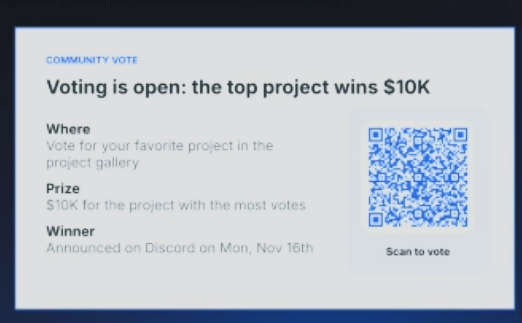
🗳️ Voting is OPEN — VirtuRide needs your vote!
Our Ray-Ban Display hazard-awareness HUD for cyclists is in the Meta AI Hackathon community vote. Top project wins $10K (announced Nov 16).
Vote here: https://t.co/Zu8YvqqorZ
Thank you! 🚴 #BuildForYourWorld
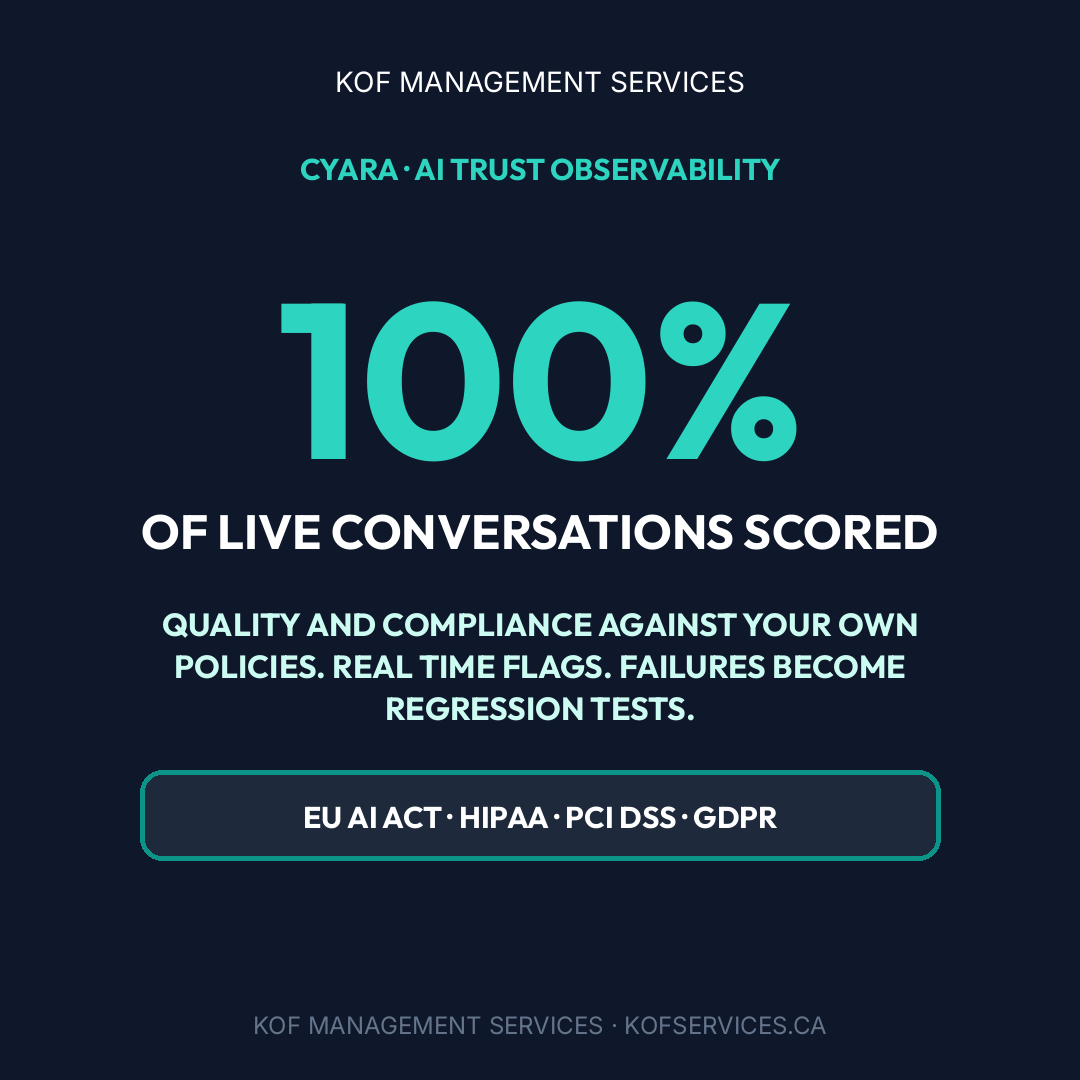
Failures become regression tests before the next release. Scorecards map to the EU AI Act, HIPAA, PCI DSS and GDPR. Sampling misses the one conversation that matters. Measure every session. https://t.co/HGJaB3Pa1X
100 percent of conversations scored. Not sampled. All of them. Cyara AI Trust Observability scores every live agent conversation for quality and compliance against your own policies, with real time flags.