"Africa needs a new type of citizen, a dedicated, modest, honest and informed citizen. A citizen submerges self in service to d nation...Retweets≠endorsement
Fifteen outlets published 249 articles about Professor Jason Arday, but there appears to be a partial media blackout surrounding Dr Lola Salem, Michael Gove’s ex-girlfriend, who has been suspended from the University of Oxford after being charged with possessing indecent images of children.
Nonsense, this is a hit-piecr and part of a psyop. Nigeria is a BRICS partner-country yet America is signing billionaire dollar deals with them. In fact, the USA is building one of the biggest embassies in Nigeria.
More people are of the view that law is becoming too prestigious and overshadowing all other professions. Friends of law says it is just envy.
I'm not going to join the fight from some pompous perch.
I want to talk about how the "average Ghanaian" sees this "prestige."
In Ghana, as almost everywhere, it is not the professors who sees most clearly how the society really feels.
For that, trust the comedians.
Allow me, then, to present to you, Lawyer Koomson, aka "mun kye no" (I.e. "arrest him/her".)
Lawyer Koomson is a "skit" character created by a formidable comic genius (Samuel Akowuah) who in bygone days could have rubbed shoulders with all-time greats like Waterproof, Super OD, Opia, Santo, Kohw3, Dr. Rokoto, Katawere, and Fred Addae.
So, how does Mun Kye No portray the legal profession?
1. Nose-poking. He goes around interfering with every matter! Why is the stew in your pot too thick? Mun kye no! Why didn't you put aboy in your hair? Mun kye no!
Insight: Law people in Ghana are too in our faces! Turn on every major talk-show and you will find that no matter the subject, they will find a way to make it about law.
2. Judge, Jury, Executioner. Though Lawyer Koomson presents himself as a lawyer, his main act is to order arrests! After pronouncing instant judgment.
Insight: That is how some of the more popular lawyers sound on our airwaves. Even when it is clear that they have done no research on an issue, expect them to pronounce conclusively.
3. Jargon. When he senses the least resistance, Lawyer Koomson deploys his sharpest weapon: Article! "Do you know article?" Two-thirds of the time, all defiance immediately collapses.
Insight: Regardless of context, Ghanaian lawyers will start speaking in legal-speak as if doing so confers special insight.
4. Intimidation. Sometimes Koomson, Esq, is compelled to follow up because the mention of "article" doesn't bamboozle the victim to submission. Come and see English! He will stir and pour word salad like no one's business and then move on.
Insight: Just like a "legal luminary" on Ghanaian TV about to lose an argument.
5. Oppression. Lawyer Koomson has never met his match (well, he has been wise enough to avoid Countryman Songo). Citizens gather around and murmur protests, but the hapless target is grabbed anyway, and all the complaints "don't go anywhere," as we say in Ghana.
Insight: Maybe here the skit stops being funny? The talk-show noise may irritate, but it’s nothing next to what people actually experience inside the legal system itself: the land case your grandfather started that your children may inherit, the adjournment after adjournment, and, oh, the unexplained absence of Judges on the next adjournment date. Yet, helplessness remains the default.
PS: Fans of the Kejetia Lawyer should spare us any wild comparisons! Lawyer Koomson is in his own league. Full stop!
PS2: Still, massive congratulations to all the new lawyers!
Recency bias makes some people forget that it took years of student protests before Ghana began calling lawyers to the Bar in relatively large numbers. That only changed in the last few years.
Compare Ghana with Kenya, Nigeria and South Africa on a per capita basis and the picture is clear. Ghana has about 27 lawyers per 100,000 people. That is two thirds of Kenya's rate and half of South Africa's.
Ghana still has room for more lawyers.
You sometimes see a table claiming that African countries, including Ghana, have the lowest IQs in the world. The most widely shared version is on Business Insider Africa.
Business Insider cites CEOWORLD magazine. CEOWORLD did not test anyone. Its figures match, to two decimal places, a 2019 dataset compiled by Richard Lynn and David Becker.
Now look at what is inside that dataset.
Sierra Leone's score of 45 rests on one study from 1966. Mali's rests on a single sample. South Sudan's comes from refugee children. Ghana's 58.16 appears to be the average of a small set of test samples and Ghana's TIMSS school assessment scores, rescaled and relabelled as IQ.
An IQ below 70 is the usual threshold for intellectual disability. A national average of 58 would mean most Ghanaians could not hold a job, run a business or raise a family. Anyone who has spent a day in Accra knows that is absurd.
The dataset's own author agrees there is a problem. Becker wrote in 2019 that differences between countries scoring below 60 are more likely measurement error than real differences in intelligence. He also wrote that the dataset is not suitable for comparing two individual countries.
The dataset was never peer reviewed, which Becker himself calls a weak point. Yet researchers used it in published papers for years, because reviewers check the analysis, not the data underneath. In 2024, academics called for several of those papers to be retracted.
That is how a zombie statistic is made. Lynn and Becker becomes "a study". The study becomes "CEOWORLD". CEOWORLD becomes "Business Insider". Each step adds a more respectable name and no new evidence. Then it turns up in social media arguments as settled fact.
Before you share a ranking, ask three questions. Who collected the data? How many people were measured, and when? Does the number survive a basic sanity check?
Fiifi Anaman, a talented Ghanaian journalist known for sharing stories that matter, is facing a tough time as he prepares to move back to Accra. This fundraiser aims to support him during this difficult transition and help him regain stability. https://t.co/WYjj5eLuqA
French Embassy To Train Young Influencers in Ghana: The Spearhead Reacts
France's ambassador to Ghana has put out an open invitation to Ghanaian bloggers, social media influencers, content creators and journalists to take part in what amounts to the most brazen attempt yet to directly interfere with an African country's information space.
Unsurprisingly, not many Ghanaians seem to grasp the full ugliness of what is unfolding. Senior Reporter @Big_Mck reacts to the latest open violation of Ghana's sovereignty.
Here are some rhetorical questions.
1. Which entity is Africa's largest trading partner and only source of meaningful technology transfer, infrastructure investment and material upliftment via cheap consumer goods?
2. For which entity did the US govt recently dedicate a $1.6bn propaganda budget to fight its growing influence in the world?
3. Materially speaking as an African, which of these 2 entities has had a measurable positive impact on your quality of life? The one building your railways and giving you cheap technology, or the one spending billions to invade your mind and place poisoned information there?
4. Why are you suddenly seeing videos and narratives like "Chinese woman holds her nose when African woman boards bus" being promoted aggressively across US government-controlled platforms like this one? Whose interest do these things serve? Yours? Or theirs?
Learn to be skeptical. Gullible people who take everything presented to them at face value will likely not survive this decade.
@lekan_olayinka1 Why then we're they killing and overthrowing African leader who were anti-imperialist and against the wanton exploitation of the resources for pittance?
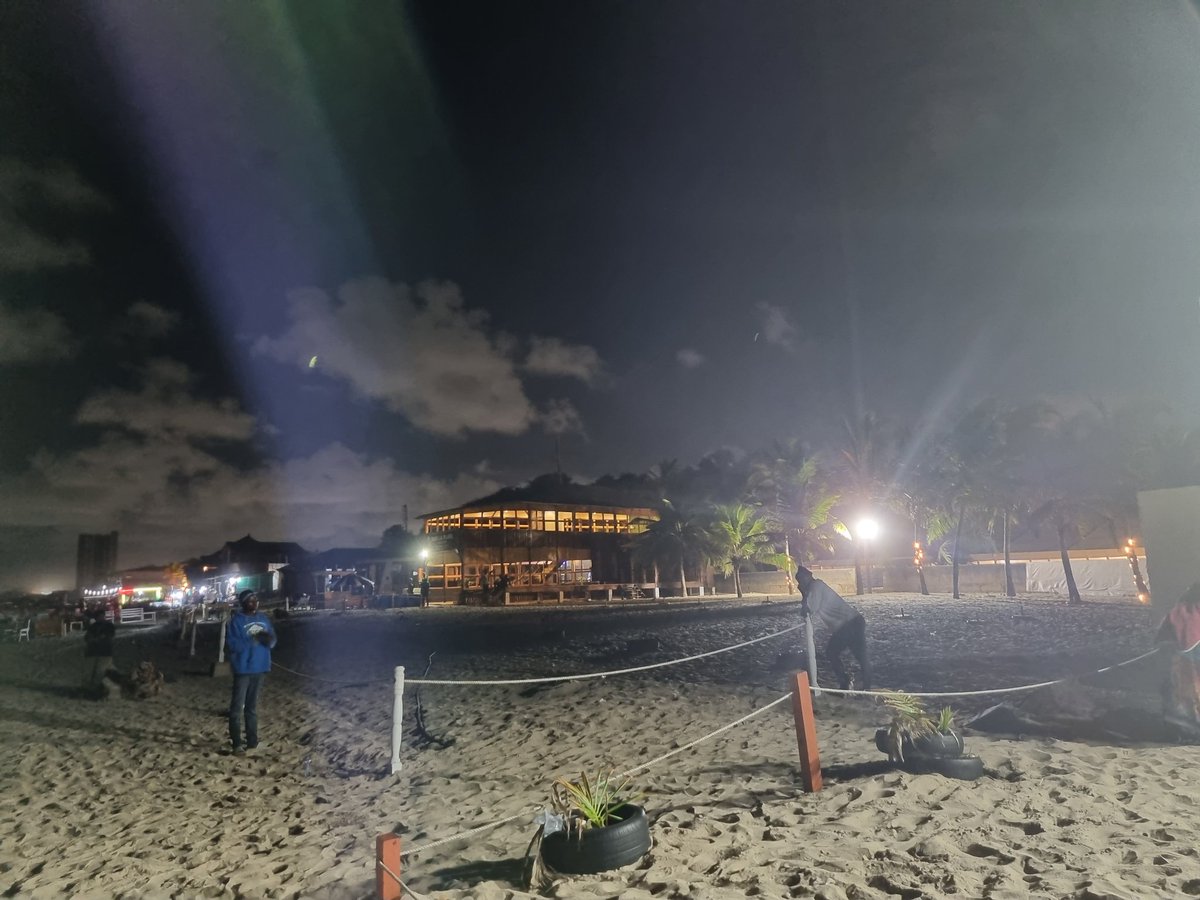
Labadi Beach Hotel, built in 1991 by Ghana's biggest gold mine, is Gh's most prestigious 5-star beach resort. Since SSNIT, the state pension fund & 100% owner, took over mgmt, political insiders have hijacked the beachfront leaving the hotel with just 2 acres. SSNIT is helpless.
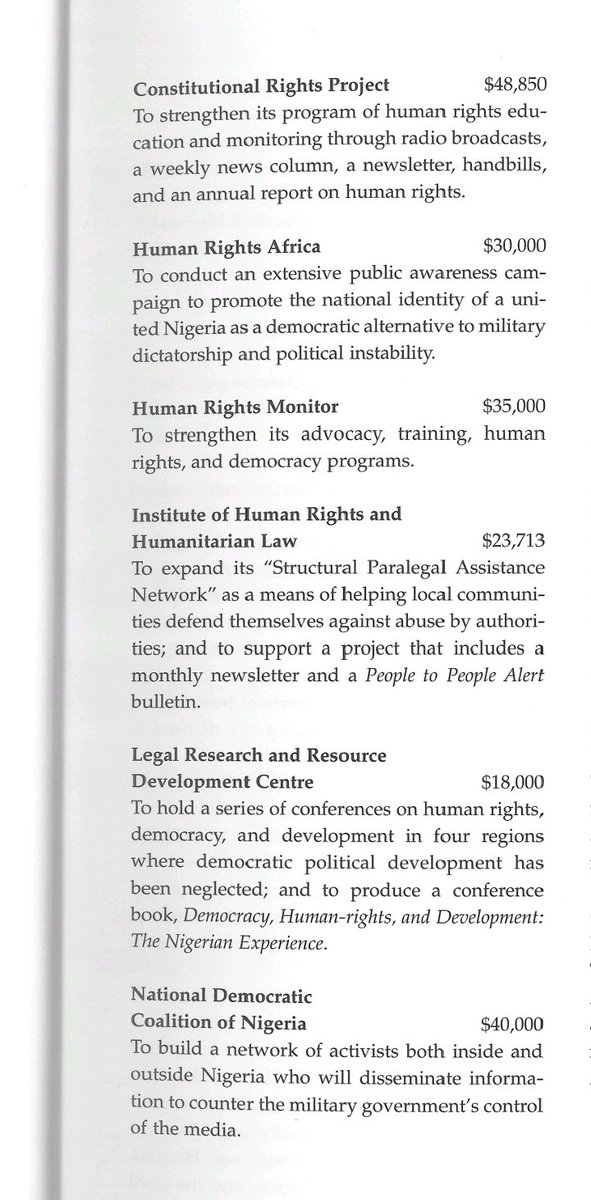
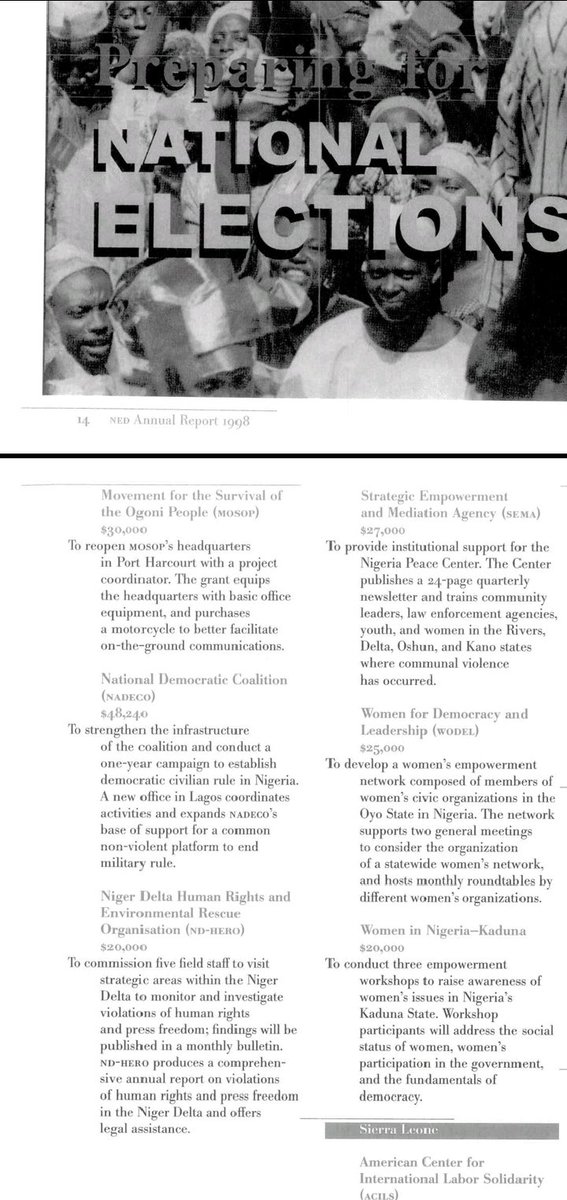
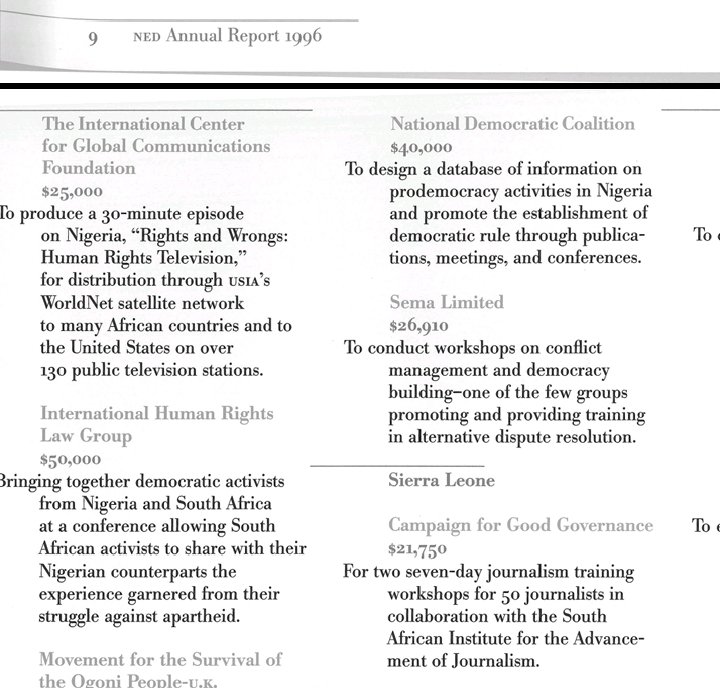
Here are the receipts for anyone still doubting. Everything is publicly documented in their own annual reports. NADECO was a CIA project, nothing more. The evidence is already there for anyone willing to actually look.
We are proposing changes to the procurement laws to require those spending public money to buy food from Ghanaian farmers.
Government money must support Ghanaian farmers and create Ghanaian jobs.
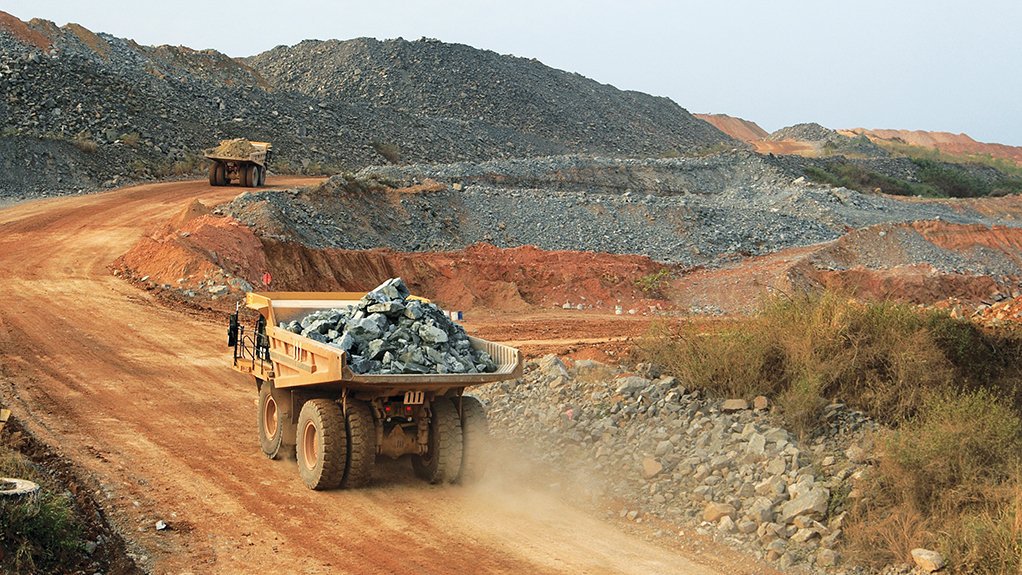
🚨 Government's proposed Minerals and Mining Bill, 2026, which is expected to be debated in Parliament in October, would reduce maximum mining lease periods from 30 years to 15 years and support greater local mineral processing before export.
The bill also would allow the state to hold special shares in mining companies with veto rights over certain major transactions.
Source: Reuters