Today, the Nobel Committee will pick a random Moldovan writer you have never heard of, like Tatiana Țîbuleac, and award her the Nobel Prize in Literature. You just read their Wikipedia bio, and you are surprised you have never heard of them. The man, adjusting his silly spectacles, will go something like:
"The Nobel Prize in Literature is awarded to Tatiana Țîbuleac “for her fiercely lyrical prose, which transforms the wounds of childhood and the fractures of belonging into an intimate cartography of the human condition.”
It could be some Bolivian writer you will never read in ten lifetimes:
The Nobel Prize in Literature is awarded to José Edmundo Paz-Soldán Ávila “for his unsettling narratives which, at the intersection of migration, memory and artificial intelligence, illuminate the fragile architectures of power and belonging while interrogating the boundaries of what it means to be human."
It could be one of those years when they are decent enough and give it to Haruki Murakami.
The Nobel Prize in Literature is awarded to Haruki Murakami “for his hypnotic narratives which, traversing the porous boundaries between the ordinary and the surreal, give voice to solitude, historical memory and the elusive rhythms of human longing.”
Or Arundhati Roy,
The Nobel Prize in Literature is awarded to Arundhati Roy “for her incandescent prose which, tracing the intimate lives of those consigned to history’s margins, exposes the brutal grammars of caste, empire and power.”
My man, Gerald Murnane, could do it; Australia last won in 1973.
The Nobel Prize in Literature is awarded to Gerald Murnane “for his exacting prose which, through landscapes both remembered and imagined, reveals the boundless geographies of the inward life.”
Weirdly, regardless of who wins or how unknown they are, there is always one weirdo who has read them.
If Michel Houellebecq wins, I will be OK too.
The Nobel Prize in Literature is awarded to Michel Houellebecq “for his pitiless anatomies of European masculinity which, amid the twilight of Western certainties, transfigure private desolation into a prophetic reckoning with the contradictions of modern emancipation.”
Is there an African currently living who should be considered?
Alain Mabanckou, maybe?
“For his irreverent narratives which, amid the fractured inheritances of colonialism, transform exile, memory and everyday absurdity into a restless interrogation of identity and belonging.”
Riggy G reveals Kasongo was unhappy because the Americans refused to sign the 8 trillion nobium deal after Riggy G exposed it and Americans put Kasongo to task that's why he was calling him a fool and mad man during Mombasa State House media interview
I requested my team to study Dangote’s Lekki refinery in Nigeria.
The facts speak for themselves.
We cannot de-risk billionaires and betray our brothers and sisters in #Lamu
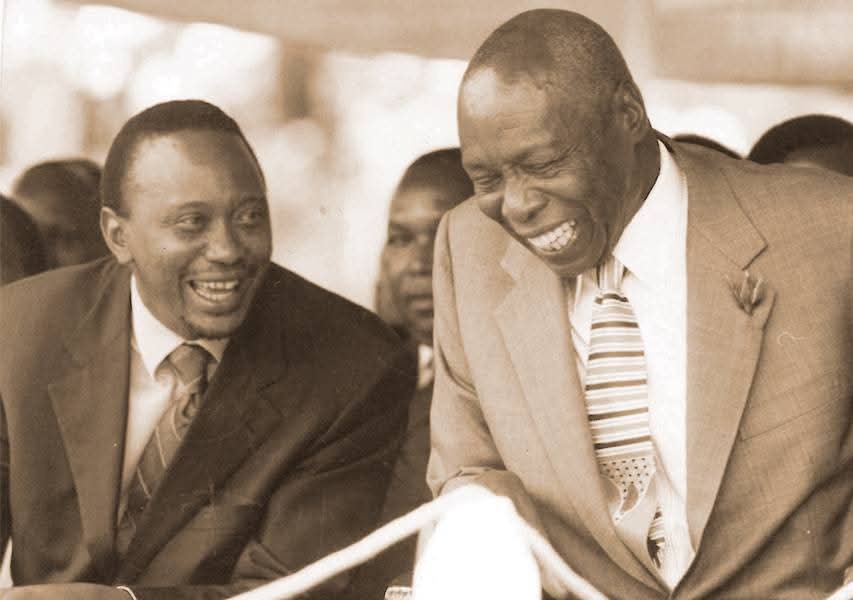
On Christmas Day 1997, the people of Gatundu South woke up to a miracle. A car had plunged into the River Thiririka, conveniently located right next to Uhuru Kenyatta’s home. There were bloodstains on the bank, a weeping nephew on the news, and a missing peasant candidate named Moses Mwihia. It was intensely emotional. The only problem was that the "corpse" was alive, the blood was from a local slaughterhouse, and the whole affair was a masterclass in political gaslighting.
Moi had pulled out all the stops to ensure Uhuru was the front-runner for the Gatundu South parliamentary seat. But the best-laid plans of mice and men often go awry. It all began in a Thika bar late one night in October 1997. Beer crates were stacked, nyama choma was devoured, and the mouths of wise men were spewing a winning conspiracy. The agenda? Destroying the political career of the 36-year-old heir to the throne, Uhuru Kenyatta.
The plot was lifted straight from a 1992 playbook. In Gachoka, a DP candidate named Norman Nyagah had "vanished" days before the election, blamed KANU, and won by a sympathy landslide. Mwihia’s team, including his nephew Samuel Mwihia Kariuki and a sharp young man named Moses Kuria, decided to pull the same trick but with more theatrical flair.
They just needed a scapegoat, and they picked the Kenyatta family and Daniel arap Moi's regime. The script was simple: tell the world that a powerful, aristocratic cabal had kidnapped a poor peasant who only wanted to liberate the people, killed him, and thrown his body into a river. It was a bold lie.
The great family was already deliciously divided. Ngengi Muigai was supporting his cousin Uhuru, but Ngengi's brother was backing the "sinner" Mwihia. The conspirators knew they had to strike before the final weekend before Christmas.
Kimani Muigai, a neighbor of the Kenyattas who had shared many muratina drinking sprees with Uhuru, caught wind of the plot. He tried to warn Kenyatta, but in a pre-cellphone era, he couldn't reach him. Instead, he told a Kenyatta cousin, who promptly snitched to the wrong side. Uhuru remained blissfully unaware of the tsunami heading his way.
On December 24, 1997, the trap snapped shut. Samuel Kariuki called the media with a mouth-watering Christmas scoop: his uncle Moses was missing, last seen meeting civic candidates, and had received threats from "powerful KANU people." It was a Christmas gift to every bored newsroom in Kenya. While politicians, thieves, and prostitutes took their holiday break, the "peasant candidate" became a national martyr.
Mwihia’s operatives visited a slaughterhouse at night to collect a bucket of animal blood. They found a car resembling Mwihia’s and dumped it in the river. When Christmas morning dawned, Gatundu exploded into instantaneous pandemonium.
"After killing J.M. Kariuki and Robert Ouko, now KANU has killed our own Moses Mwihia! Ngai!"
The anger was a living, breathing beast. The location of the fake killing was chosen with surgical cruelty: Ichaweri, the most populous area in Gatundu and home to the region's elite, right next to Uhuru's nerve center. The people abandoned their Christmas festivities and redirected their rage from anti-Moi to anti-Kenyatta. Uhuru's posters were defaced. He had gone from having 30 days, to three days, to suddenly just one day to fight a tidal wave of sympathy votes. Meanwhile, Samuel Kariuki, a gifted actor, maintained a flawless pose of grief, feeding the media a daily diet of sorrow. 1/2
For best History and Investigative stories follow @timothyturunga
(continuation in comments)
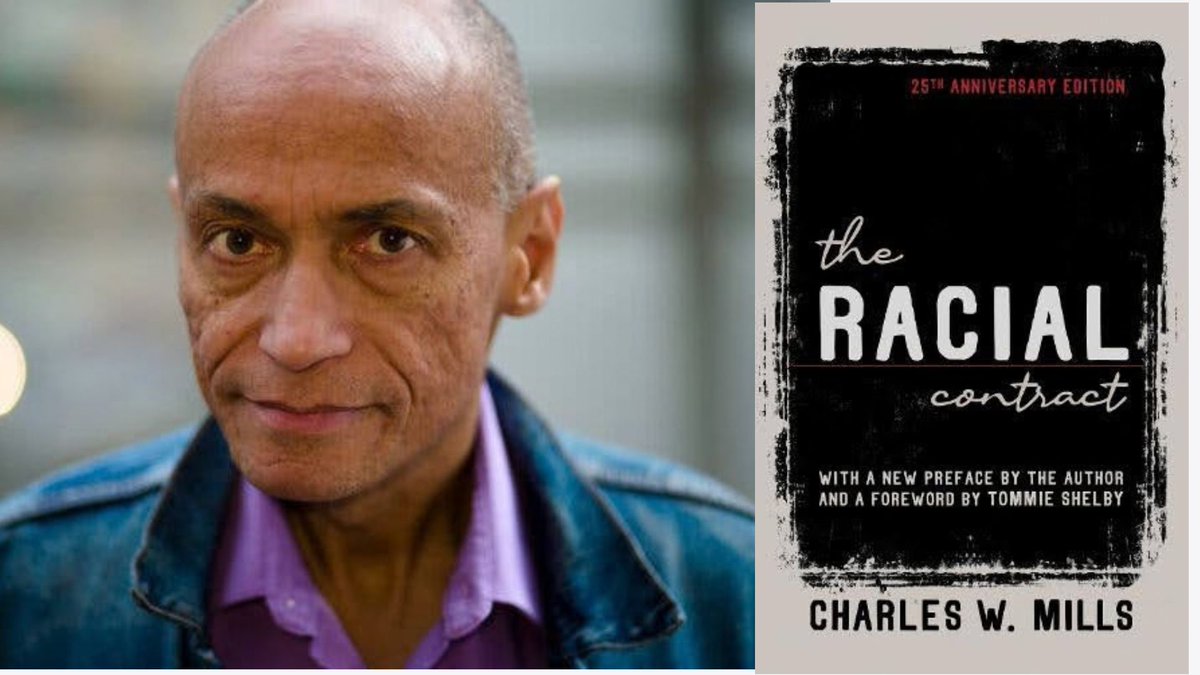
Charles W. Mills was a Caribbean philosopher who taught for a long time in the US. He is famous for his book "The Racial Contract," in which he argued that Western civilization pontificates about its great principles of human equality, but behind those principles, is a powerful but unspoken contract, where "Western political theory, is not a contract between everybody (“we the people”), but between just the people who count, the people who really are people (“we the white people”)."
For this contract to remain in place, there must be an "epistemology of ignorance," where the West is committed to not knowing about non-Europeans, or to inventing mythologies and stereotypes about them. That ignorance is the only way to commit massacres and expand conquest. Because once people are unknowable, killing and exploiting them is common sense. So in the western institutions, to be educated is to hate knowledge, lack self-awareness, and live in a delusional fantasy world based on myth rather than social reality.
Kenya's knowledge philosophy is the racial contract. We hate knowledge. We call knowledge arrogance, or we say it's useless to the market because it offers no solutions. And this ideology is repeated ESPECIALLY in the media and the school system. Educated Kenyans pretend it exists only in the church, and only talk about it in the school in terms of old complaints of 1960 about culture and language.
But tell Kenyans that 2025 PISA tests are a colonial tool of control of our children's minds, and they will not understand what you're talking about. The only problem in Kenyan education is the English language and the fact that we do not call "explorers" invaders. Tell Kenyans to go beyond that, and they get a headache.
The Racial Contract is very much the foundation of knowledge in Kenya. Kenya isn't for knowledge. If you're knowledgeable and skilled, the Kenya government will sell you to a government in Europe or West Asia. The more ignorant you are, the more Kenya rewards you. The more you can repeat myths and old lines that are 70 years old, the more you're respected. And then that ignorance is called authentically African.
Imagine that. An African country so in love with racism, it teaches ignorance to its children and calls that "African culture."
Dear Kenyans, can we make this video trend so that every Kenyan, who is eligible to vote must watch it and must ensure they vote come 2027. We need to vote in new people. Even if they will steal, they will be new and we can remove them.
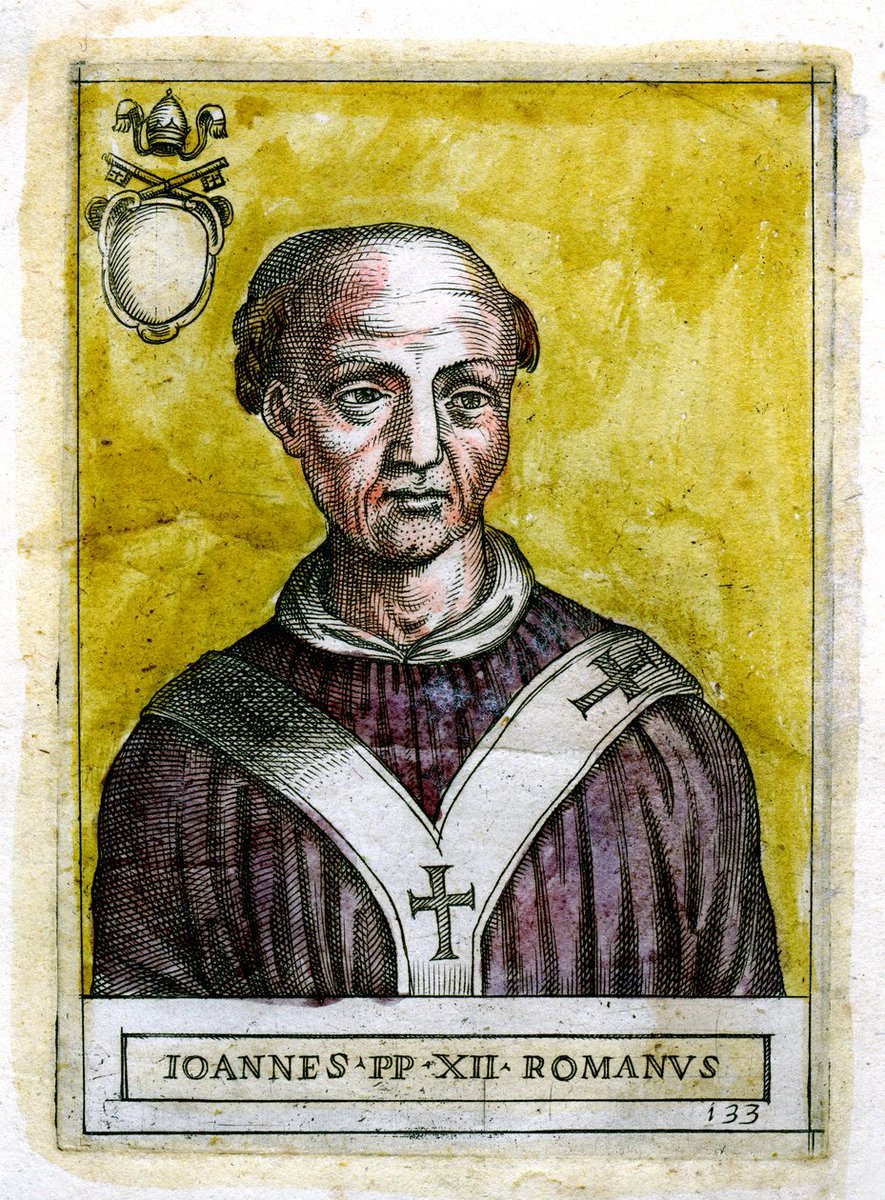
Le chef suprême de l'Église catholique est mort à 27 ans, assassiné à coups de marteau par un mari qui venait de le surprendre en flagrant délit dans le lit de sa femme.
Loin des foules ferventes qui entourent la papauté aujourd'hui, le pape Jean XII a transformé le siège de l'Église en la plus grande maison close d'Europe.
Propulsé sur le trône de Saint-Pierre en 955 à seulement 18 ans grâce à la fortune de son père, l'adolescent n'avait que faire des vœux de chasteté ou de la morale chrétienne.
Les chroniques historiques de l'époque, notamment les écrits de l'évêque Liutprand de Crémone, documentent un règne de terreur et de débauche.
Le "Saint-Père" transformait le palais du Latran en lupanar et s'attaquait directement à son entourage, n'hésitant pas à violer les femmes de sa propre famille.
Les témoignages de l'époque sont effroyables de précision. Ils consignent noir sur blanc que la terreur qu'il inspirait était telle que "les femmes, veuves, mariées ou vierges, n'osaient plus venir en pèlerinage à Rome pour prier aux tombeaux des apôtres, de peur d'être violées par le pape".
Sa cruauté intime n'avait aucune limite. L'une de ses maîtresses, Stéphanie, a fini par succomber dans d'atroces souffrances des suites d'un avortement qu'il l'avait forcée à subir.
Pour couronner le sacrilège, il distribuait allègrement les croix et les calices en or massif de l'Église à ses courtisanes.
L'hérésie de Jean XII était totale : pour financer ses orgies, il vidait les caisses du Saint-Siège aux jeux de dés. Lorsqu'il perdait, le souverain pontife invoquait à tue-tête les dieux païens Jupiter et Vénus pour faire tourner la chance.
Ceux qui osaient critiquer ce psychopathe sacré le payaient dans le sang. Il a fait arracher les yeux de son propre confesseur et a fait castrer le cardinal Jean, qui n'y a pas survécu.
Mais c'est son appétit sexuel qui signera sa perte. En mai 964, il s'introduit dans la chambre d'une aristocrate romaine nommée Stefanetta.
Fou de rage, le mari cocu les surprend et se moque éperdument du caractère divin de son rival. Il roue le pape de coups et lui fracasse le crâne. L'homme mourra de ses blessures huit jours plus tard, sans avoir eu le temps de recevoir les derniers sacrements.
Aujourd'hui, l'institution catholique s'efforce d'oublier cette époque où l'infaillibilité servait de couverture aux pires atrocités.
L'Histoire, elle, retient qu'au Xe siècle, le plus haut dignitaire de la chrétienté n'était qu'un prédateur sanguinaire, achevé de la main d'un mari trompé.
Neil Armstrong's first words after stepping on the moon were:
"That's one small step for Man.
One giant leap for mankind," were televised to earth and heard by millions of people. But just before he re-entered the Lunar Lander, he made the enigmatic remark:
"Good luck, Mr. Gorsky."
Many people at NASA thought it was a casual remark concerning some rival Soviet Cosmonaut.
However, upon checking, there was no Gorsky in either the Russian or American Space programs.
Over the years, many people questioned Armstrong as to what the -"Good luck, Mr. Gorsky" statement meant, but Armstrong always just smiled.
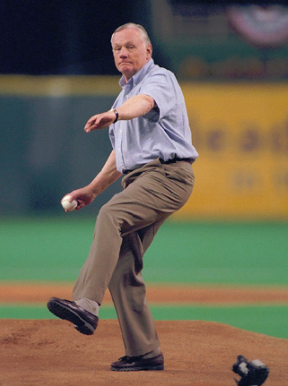
On July 5, 1995, in Tampa Bay, Florida, while answering questions following a speech, a reporter brought up the 26-year-old question about Mr. Gorsky to Armstrong.
This time Armstrong finally responded because Mr. Gorsky had died, so Neil Armstrong felt he could now answer the question.
Here is Armstrong's answer to:
"Who was Mr. Gorsky!"
"In 1938, when Armstrong was a kid in a small mid-western town, he was playing baseball with a friend in the backyard.
His friend hit the ball, which landed in his neighbour's yard by their bedroom window. His neighbours were Mr. and Mrs. Gorsky. As he leaned down to pick up the ball, young Neil Armstrong heard Mrs. Gorsky shouting at Mr. Gorsky:
"Sex!!!!
You want sex?!!......
You'll get sex when the kid next door walks on the moon!"
Windows keeps a thumbnail of every photo you've ever deleted.
It sits in a file called thumbcache_256.db, and forensic examiners pull it routinely. There are 15 more stores like it.
Here's how to find them and wipe them:
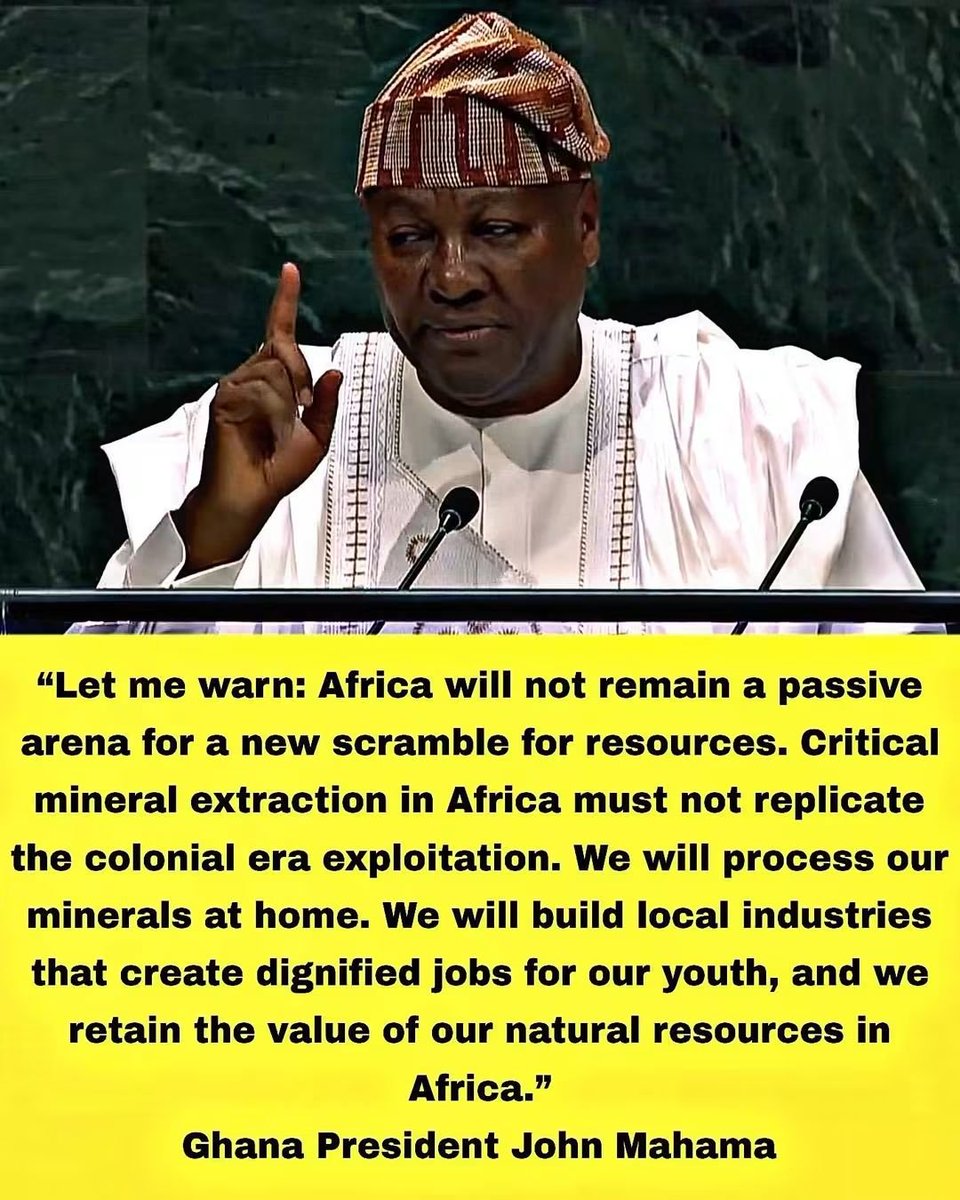
🚨💣: GHANA'S PRESIDENT SHOCKS THE WORLD AT UN! 🌍🌎
"AFRICA WILL NOT REMAIN A PASSIVE ARENA FOR A NEW SCRAMBLE FOR RESOURCES!"✅
Ghana's President John Mahama just fired a STARK WARNING to America, China and Europe at the 81st UN General Assembly! 😳
> "Critical mineral extraction in Africa must not replicate the colonial era exploitation. We will process our minerals at home. We will build local industries that create dignified jobs for our youth, and we will retain the value of our natural resources in Africa." 💯
He said NO MORE exporting raw lithium, cobalt, copper for others to refine and sell back to us at 10x price!.🎯
He also demanded:
✅ Permanent African seat on UN Security Council
✅ Reform of global financial system
✅ Africa wants PARTNERSHIP, not charity!
"THIS IS THE SPEECH EVERY AFRICAN HAS BEEN WAITING FOR! 💯
"Do you support President Mahama's statement?" 💯
"A. YES - Africa must process its own resources! Enough of exploitation!" 🎯
"B. NO - We still need foreign investors, we can't do it alone" 😤
"C. Words are sweet, but action is what we need - Will they really do it?" 🤔
La forma más invisible de sacarte información privada sin que hagas preguntas se llama Espejo Inverso. El 95% de la gente cree que es solo una conversación fluida, pero te están evaluando. La primera señal del Espejo Inverso es:
Kenyans wake up!!!
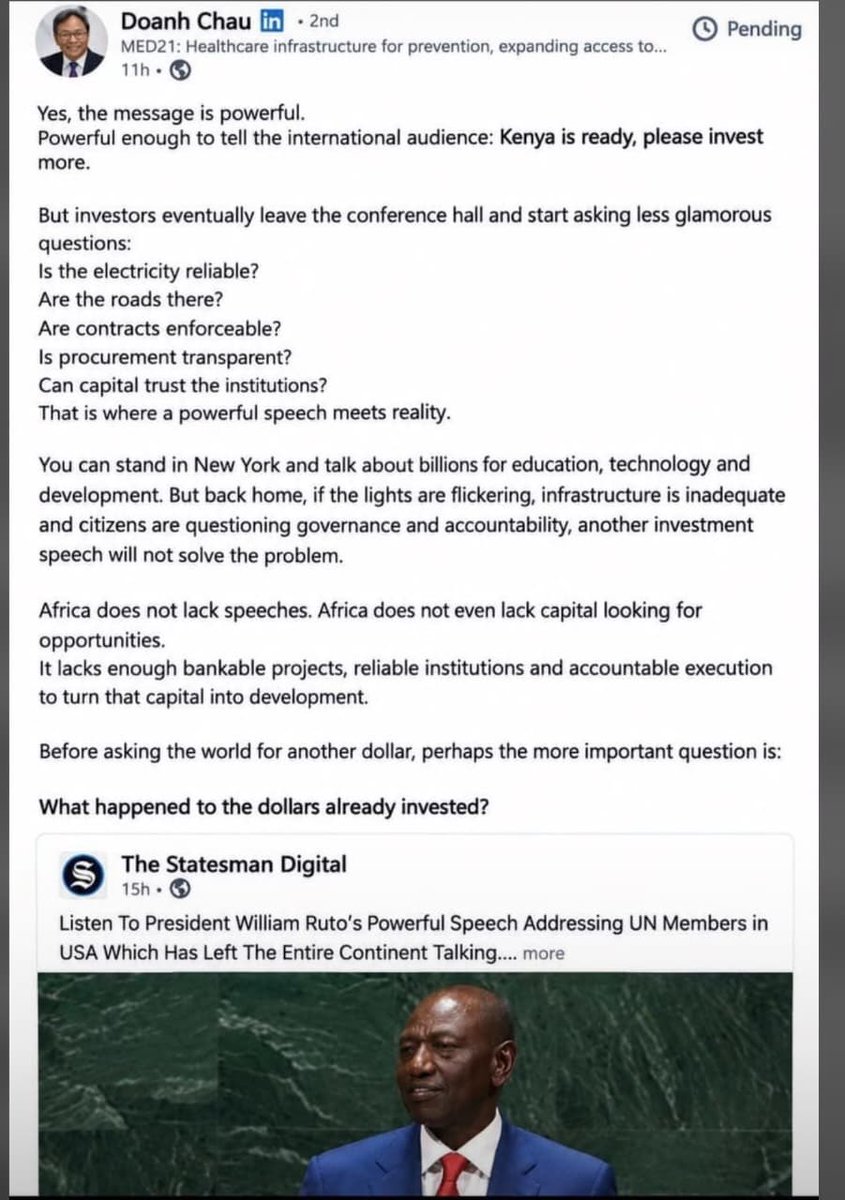
Uhuru and Ruto may want Kenyans to believe they are political enemies—but they are working together to shield themselves from accountability over the disputed KSh7 trillion debt accrued during their tenure.
Kenya cannot continue being held hostage by personality-driven politics and political deals that protect the powerful while Kenyans pay the price.
#SafiNaPesa #FISTAgenda
He won a Nobel for game theory and Hollywood made a film about his illness. He spent his last years working on money instead.
Almost nobody watches him present it.
John Nash, November 2011, the Harry Mullin Memorial Lecture at Scranton.
A purple curtain, a wooden podium, a bottle of water, a pair of crutches leaning at the side of the stage.
His subject is ideal money and what makes people save at all. The proposal treats a currency as something that should be judged against a standard rather than managed by whoever issues it.
Watch the stretch where he explains why inflation changes the decision to save before it changes any price.
Hollywood gave you the breakdown. The lecture gives you the work.