We're excited to announce that we have partnered with logistics industry veteran @ZUFALLlogistics to make the logistics industry more sustainable and fair. We've been working together for over a year and our partnership will take the shape of brand new venture called @zukonft
Introducing Zukonft, a collaboration between the logistics service provider @ZUFALLlogistics from Göttingen and Berlin Blockchain Venture Studio @konfidio
https://t.co/mEcBP5KFxh
TrustedTrucks can be used as a control system to ensure compliant operations with suppliers, in particular, the insurance checks will protect the parties involved in each transaction.
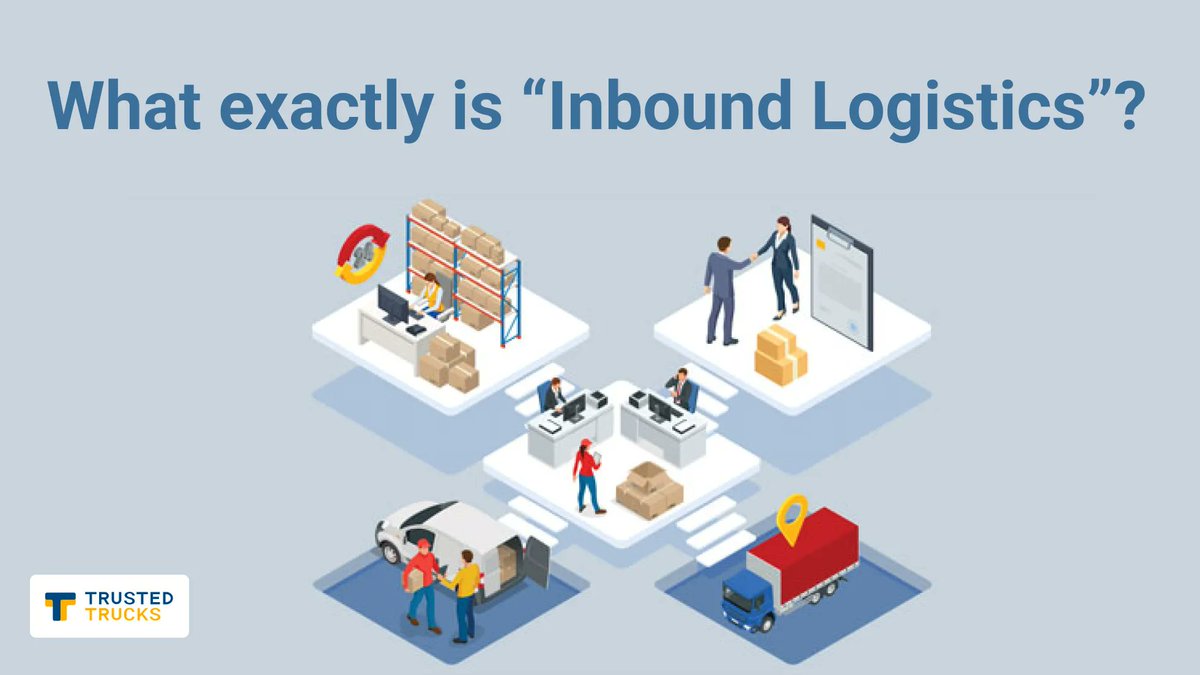
Inbound logistics is transporting goods to a company and storing them.
The obtainment of raw materials, machine tools and components, office supplies, etc generally falls under inbound logistics.
Read more about inbound logistics here 👉🏼falls https://t.co/1Z7GOFZ5AE
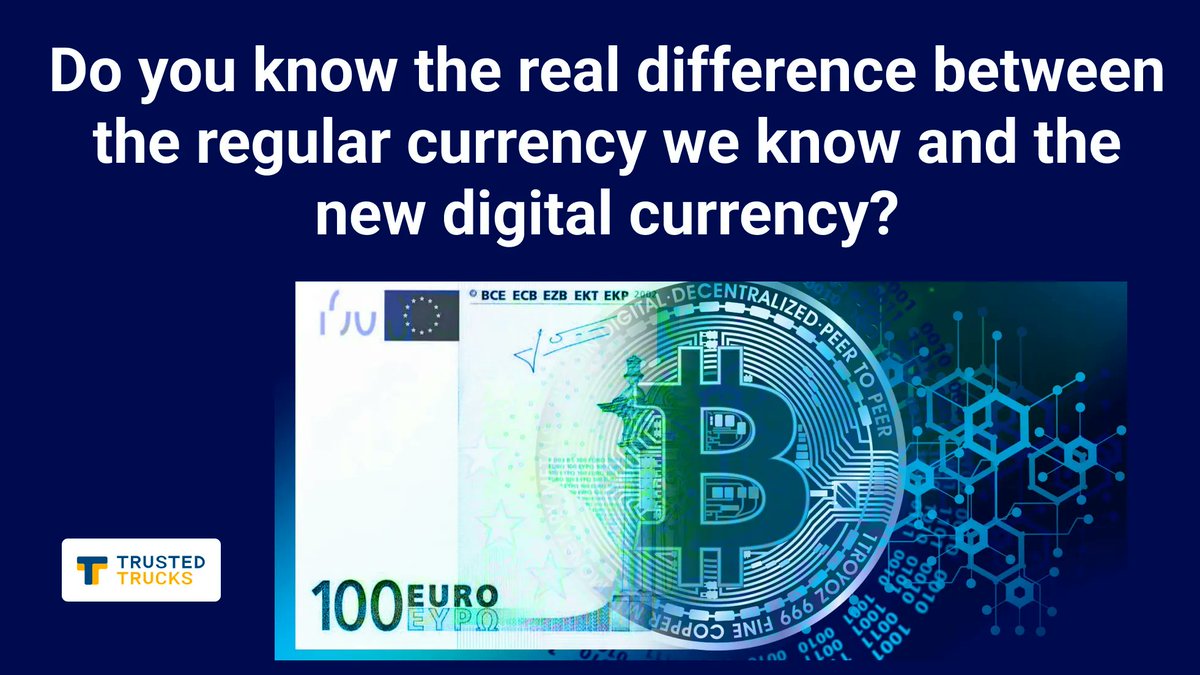
A digital currency does not have a physical form. You will never be able to hold an actual Bitcoin in your hand, in contrast to withdrawing euros from your bank account and putting them in your wallet.
learn more about getting paid in crypto 👉🏼 https://t.co/IXeNj0Tur9
Memecoin is the crypto analog of memes and came into being as a cheaper Bitcoin substitute. The first memecoin, named Dogecoin was based on the famous Shiba Inu meme. Apart from Dogecoin some of the most popular memecoins include Dogelon Mars, Shiba Inu, Floki Inu and Samoyedcoin
Fan tokens are a type of cryptocurrency that entitles users to a range of fan-related membership benefits in a football club. It can include discounts, prizes, voting rights on kit designs & club decisions, and participation in one-of-a-kind experiences offered by sports team
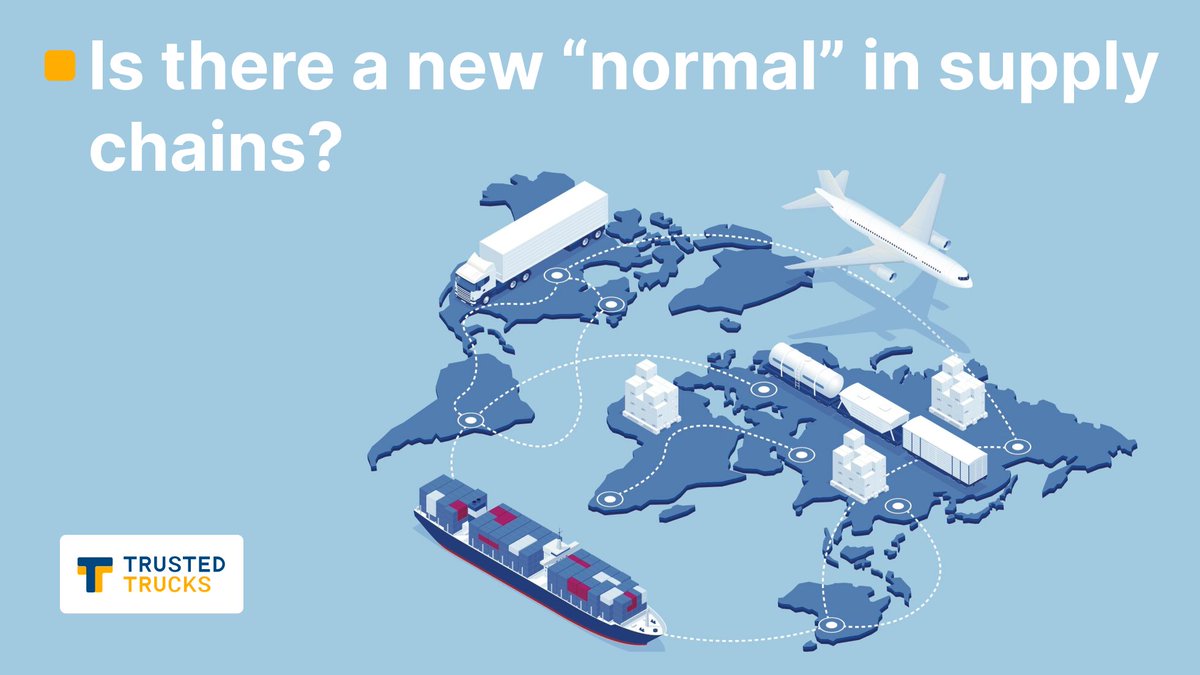
If there’s one thing consumer-facing businesses need these days it’s options. Amid pandemic-driven supply chain disruptions that have extended into 2022, relying on a single shipper, carrier, sourcing partner or mode of transport is a recipe for failure
https://t.co/90TxlHUCWD
Do you know what Phishing is?🤔
When a scammer pretends to be a trusted institution or person to trick people into revealing sensitive information such as Social Security numbers, passwords, banking details, etc., often through a malware link disguised as legitimate.