Unforgiveness keep the human heart emotionally and spiritually chained to the origin of its trauma, turning past pain into a present obsession.
To cling to trauma-induced anger is to actively resist the very internal restoration the Holy Spirit intends to execute within you.
The spiritual dilemma is never whether we possess internal attachments, because we all do. For some, the anchor is material wealth. The real diagnostic question is structural: are you willing to let the Holy Spirit identify the exact boundary of your resistance?
Forgiveness is systematically misconstrued as an act of amnesia, a dismissal of justice, or a mandatory return to vulnerability. Forgiveness is distinct from reconciliation. It is possible to clear an emotional ledger from the heart without re-establishing a former proximity.
True prayer is an invitation to rest deeply in the presence of God. It requires a deliberate choice to quiet our external thoughts, surrender our human will, and allow the Holy Spirit to draw our innermost being into a perfected union with the Father.
In ancient Jewish thought, forgiving someone three times was considered a standard of spiritual maturity. However, Jesus completely overturned these human limits by introducing the concept of seventy times seven. This was to signal that forgiveness should be infinite.
Spiritual dryness and inner heaviness are often the direct results of bitterness and unforgiveness. When you refuse to forgive, you are closing your heart to the very mercy and grace God freely offers you. You essentially block the flow of divine peace into your own life.
Centering prayer is the practice of navigating past the noise of our thoughts to the very center of our being—the place where Jesus dwells. It is a deliberate act of surrendering the will to rest in His love, allowing the Holy Spirit to draw us into a deeper union with the Father
While prophetic gifts are a blessing to the body of Christ, they should never replace your personal ability to hear from the Father. True spiritual maturity involves learning to quiet your heart and develop a direct, personal attentiveness to God’s voice in the secret place.
The greatest trap in the spiritual journey is believing we can transform ourselves through sheer willpower. We cannot walk the way of perfection without divine nourishment. We must rely on the sustenance that only God provides.
Detachment is often misunderstood as a call to have nothing. In reality, it is a call to ensure that nothing—not wealth, not reputation, not success—has a grip on you except God. It is the spiritual process of decluttering the soul to make room for a love that is complete.
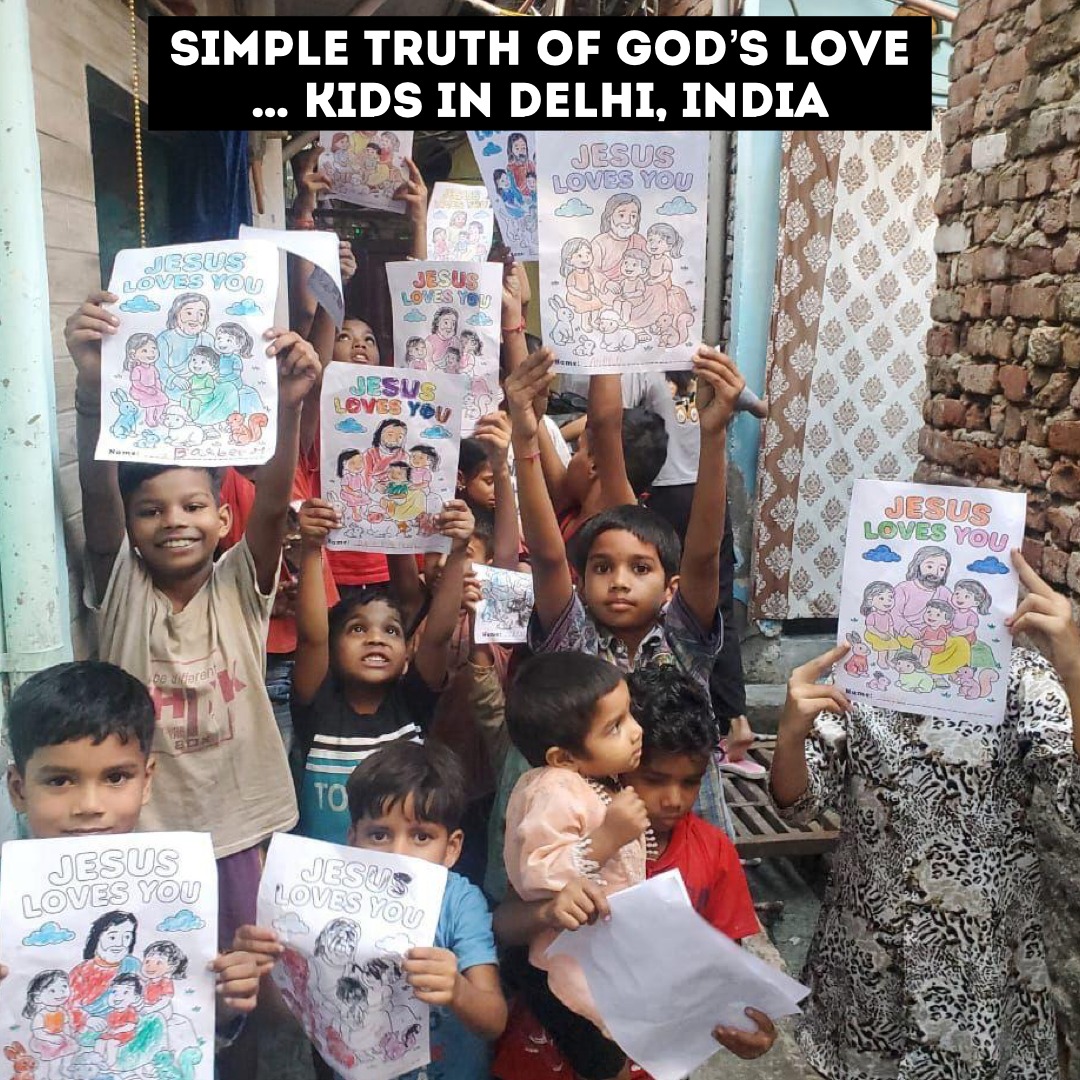
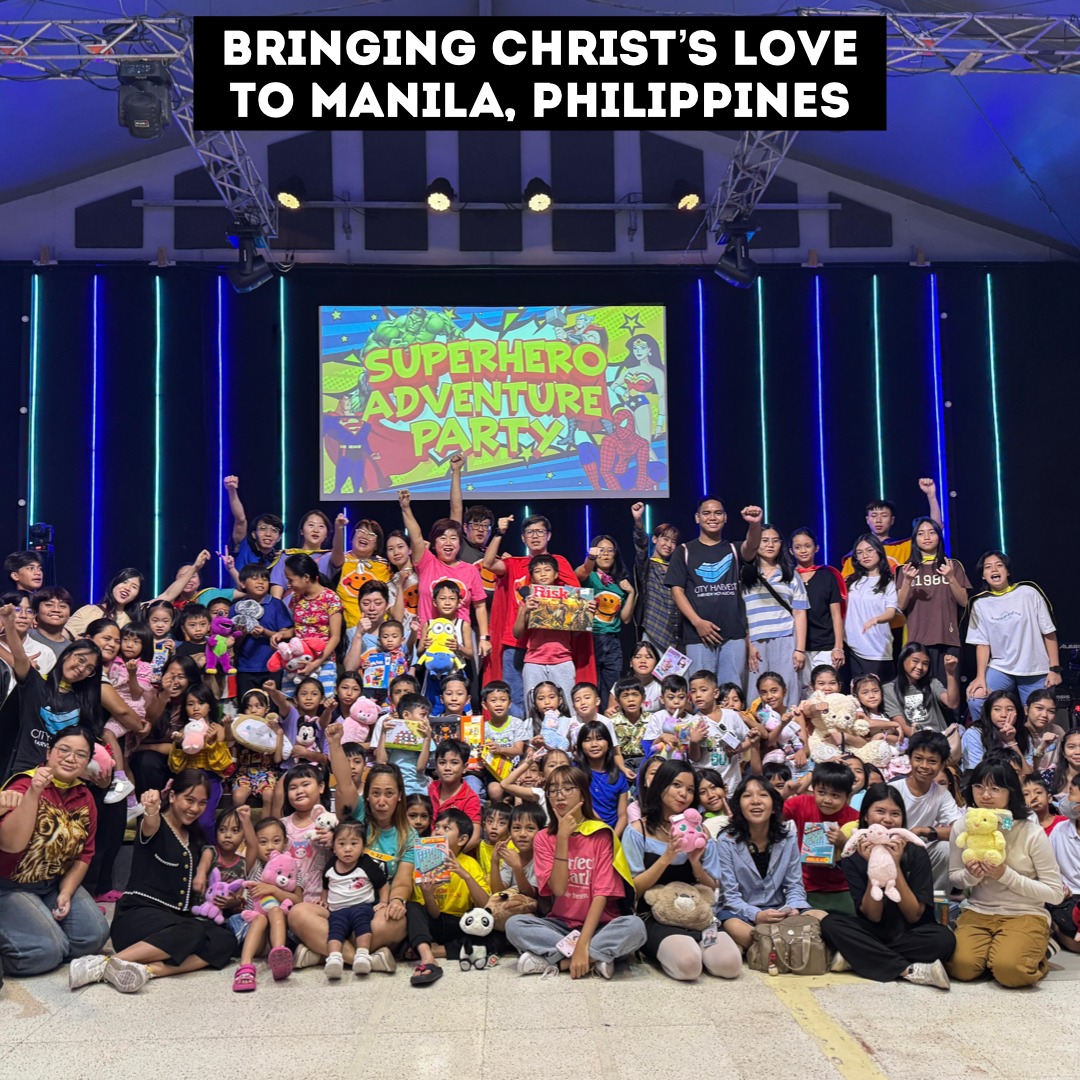
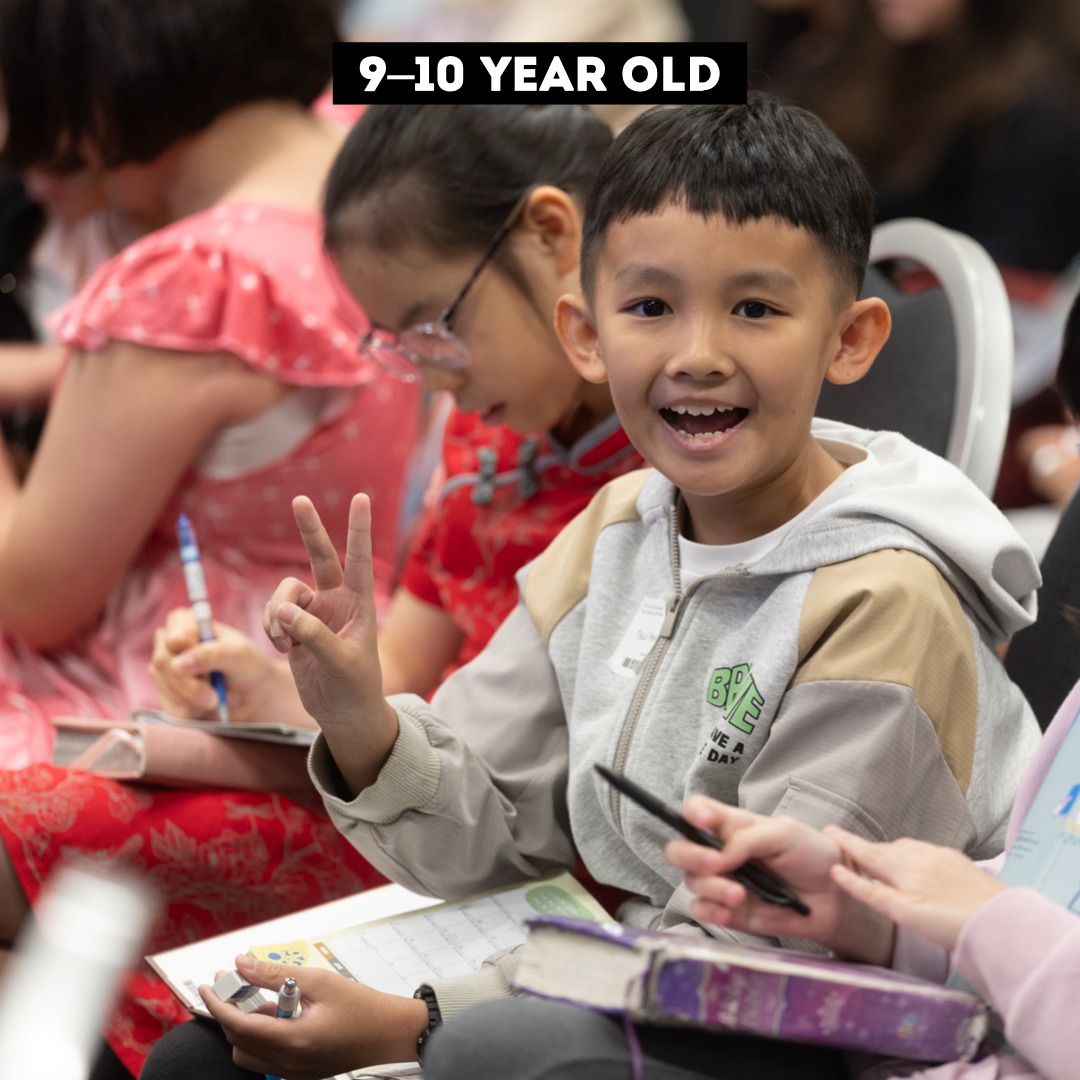
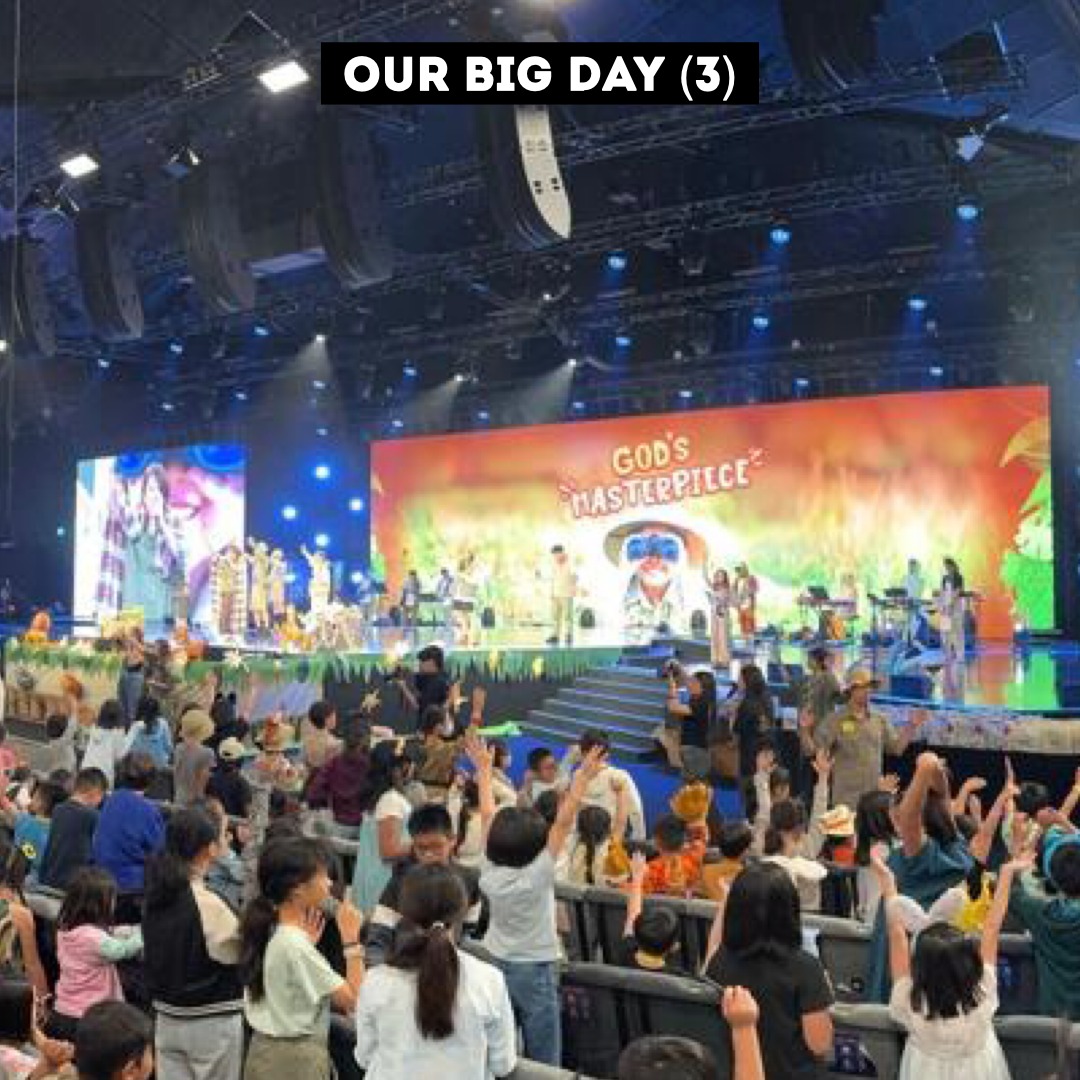
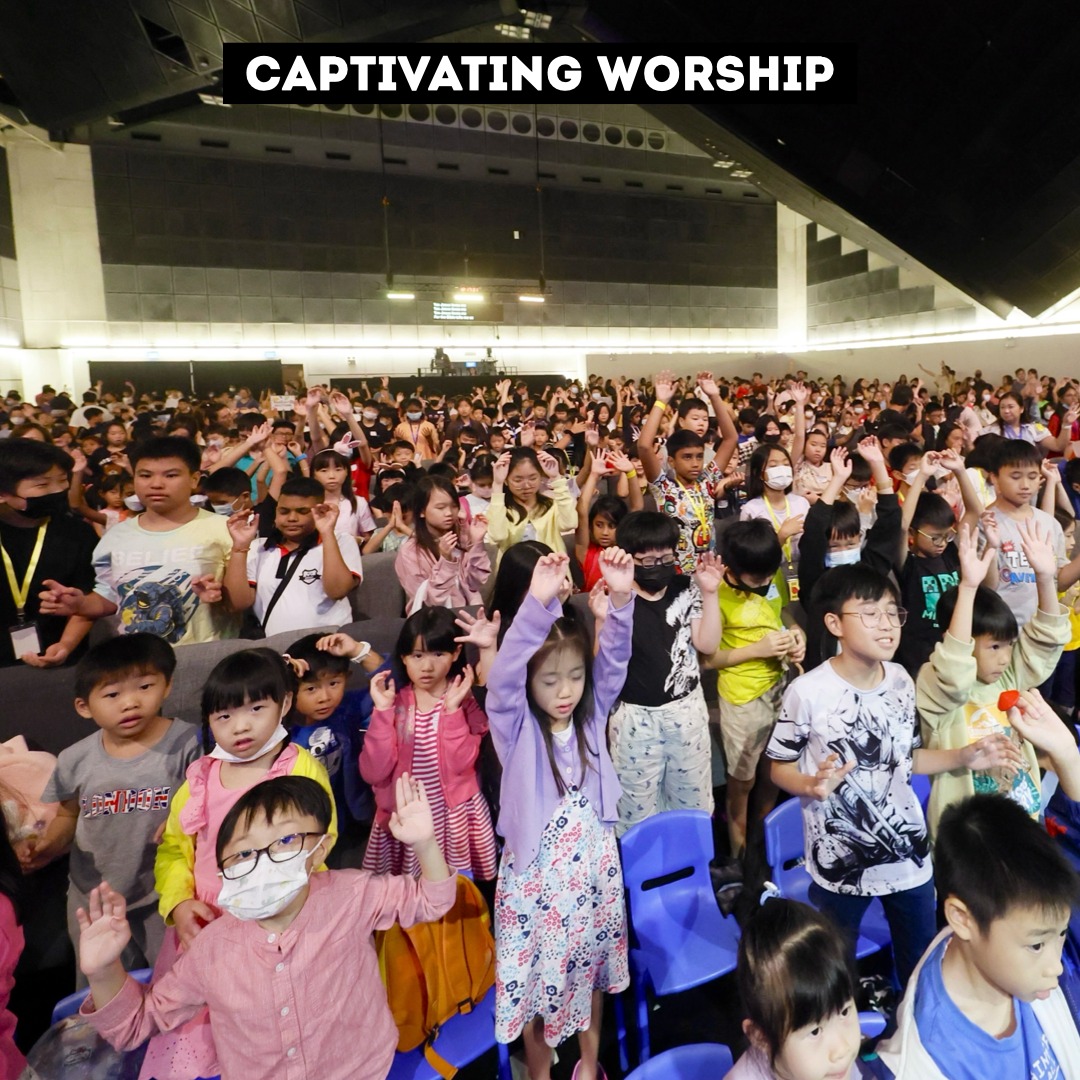
We believe every child carries God-given purpose and with the right care, encouragement and environment, they can grow, flourish and become all they are called to be. ✨
We often view a delay in prayer as a denial, but in the Kingdom, it is an expansion. Persistent prayer isn't designed to change God’s mind—He already knows what you need. Instead, persistence is the process that changes us, stretching our capacity and purifying our desires.
True financial freedom isn't found in how much you accumulate, but in how much you are willing to let go. When your security is built on achievements and possessions, those very things begin to dictate your peace.
Prayer is far more than a formal list of requests—it is a continual awareness of God’s presence and a living friendship with the Holy Spirit. While a servant obeys from a distance, a friend stays close, sharing the weight of every emotion and every decision throughout the day.
In the Kingdom of God, the ladder of success is climbed downward. True spiritual authority isn't found in influence, achievements, or even miracles—it is found in the depth of your intimacy with the Father. As you decrease, His presence increases.
For Jesus, prayer was never about asking for more prestige or possessions. He already possessed the Holy Spirit without measure and held all authority. Instead, His prayer life was driven by a singular, powerful force: Love.