1/
What could we discover if we had a binder for every protein in the human proteome?
We are excited to introduce the Bindome, an open and free resource of over 300,000 designed protein binder candidates against over 8,000 human target proteins.
🧵
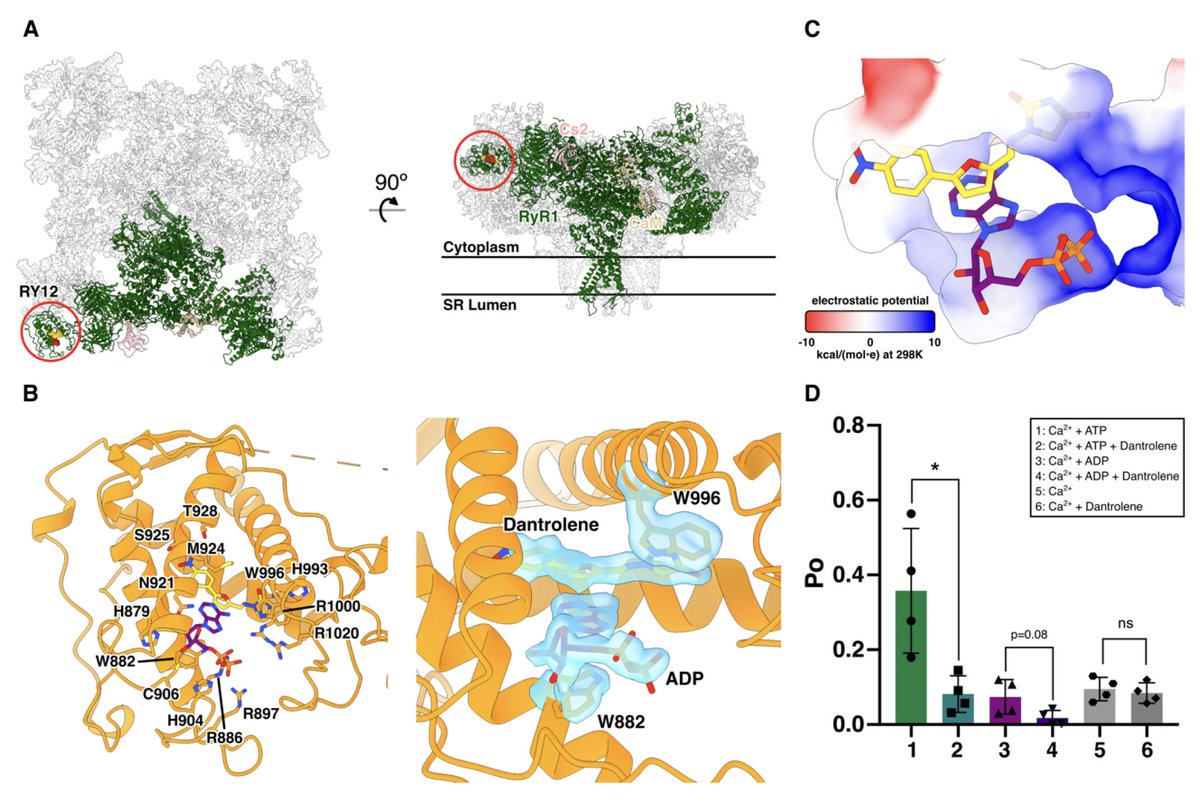
Structural identification of the RY12 domain of RyR1 as an ADP sensor and the target of the malignant hyperthermia therapeutic dantrolene | bioRxiv
https://t.co/WESlpz97g7
Structural identification of the RY12 domain of RyR1 as an ADP sensor and the target of the malignant hyperthermia therapeutic dantrolene https://t.co/HlrFSOsHhV #biorxiv_biophys
1/ #CryoSPARC v4.4 is here! 🚀
Updates include tools to streamline repeat #cryoEM processing, reference based motion correction, orientation diagnostics, symmetry tools, improved 3DFlex, caching, data cleanup and more!
https://t.co/M3mLGtFPIq
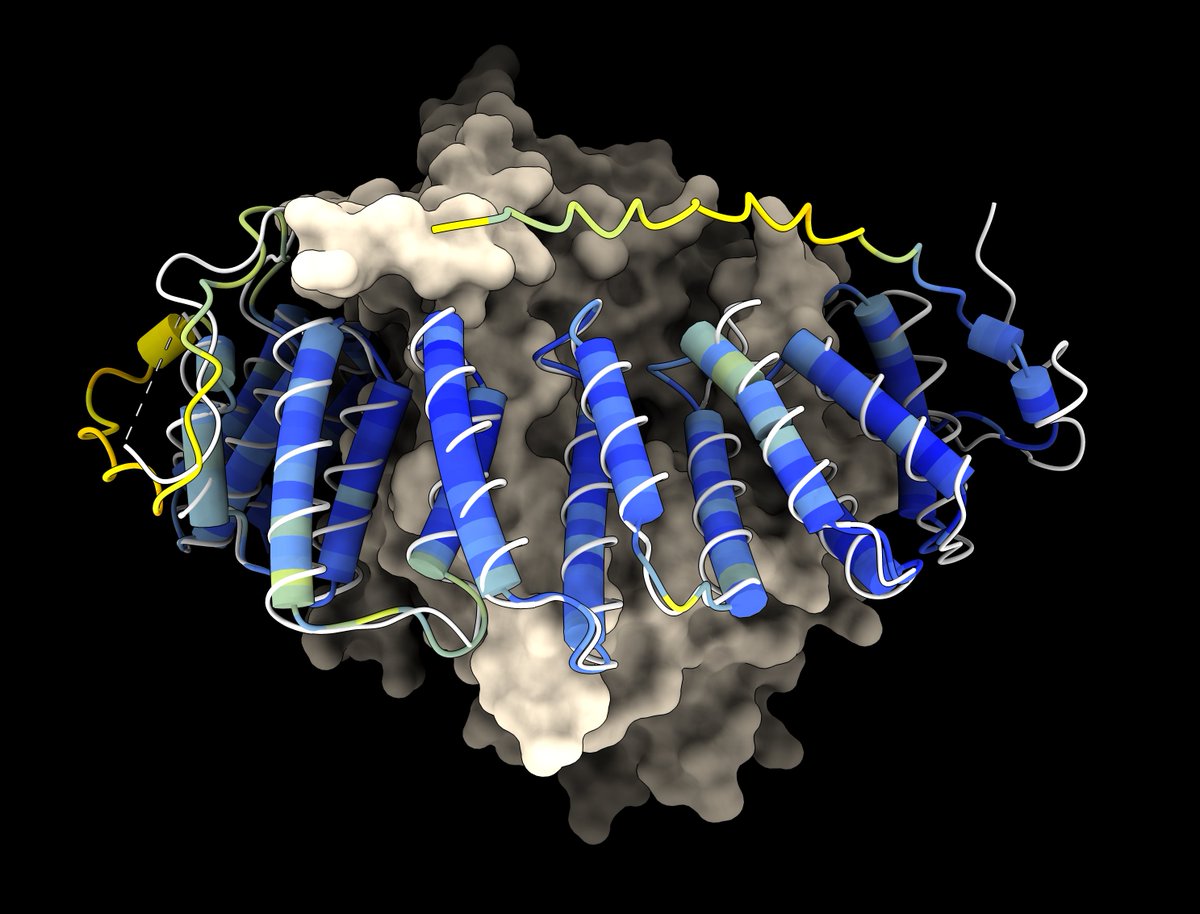
You can predict protein structures with ESMFold from ChimeraX (November 9 daily build or newer). The image shows farnesyltransferase subunit alpha predicted in blue compared to experiment in white. Details here https://t.co/MPe2DpMC9j
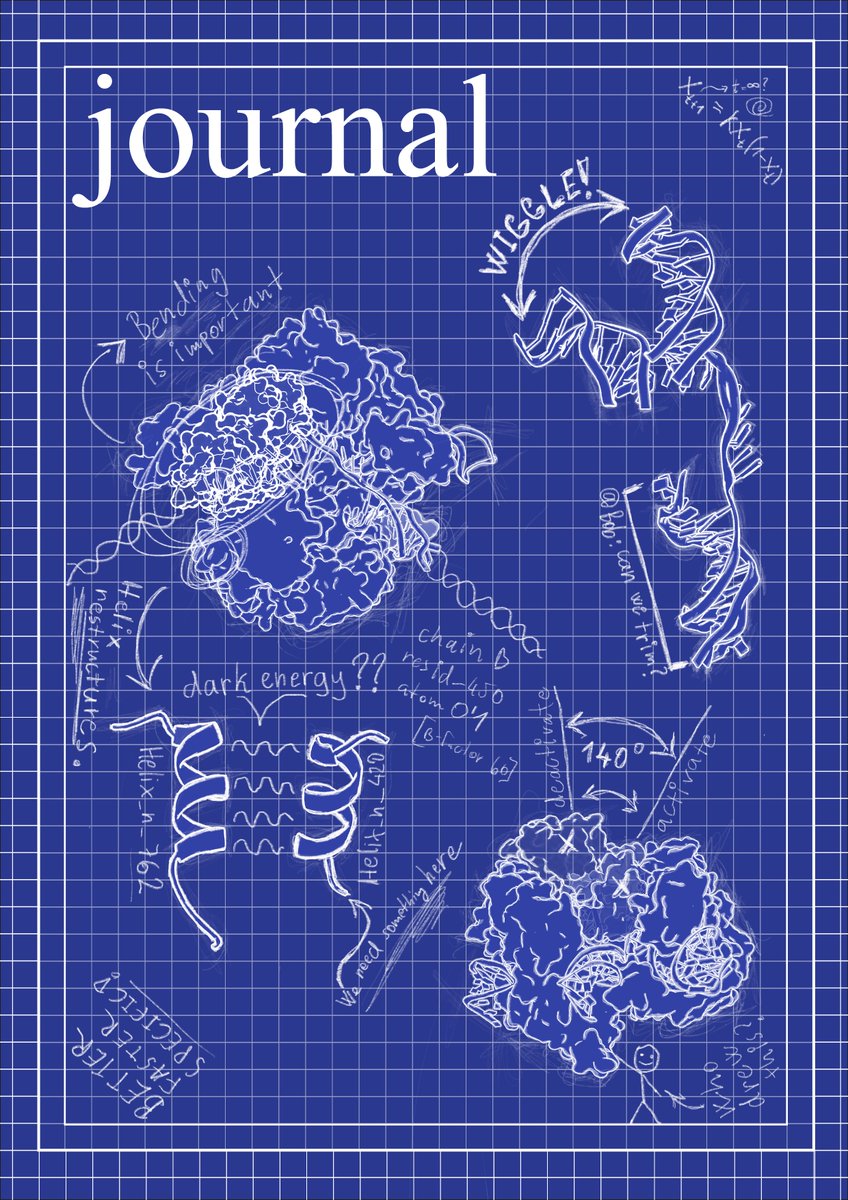
Wanted to share 2 cover designs I made for our recently published paper on Cas9 conformational dynamics. They were really fun to do!
https://t.co/lN52efEBj5
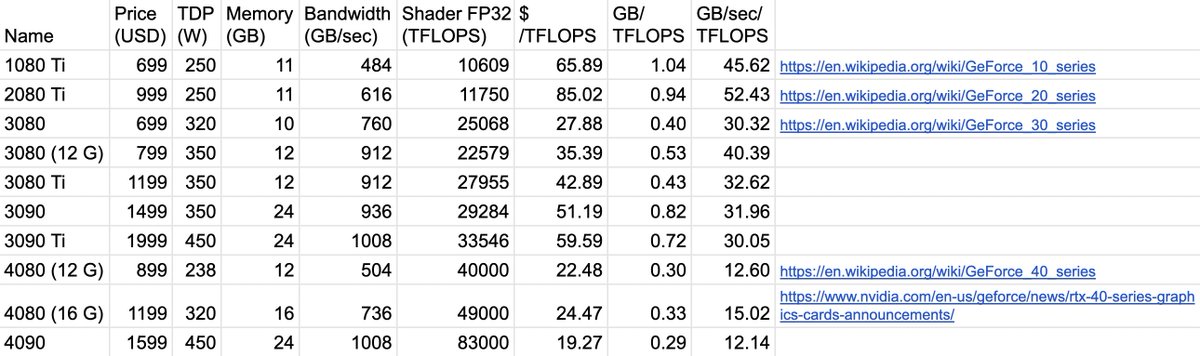
GeForce 4080/4090 have been announced. These GPUs are getting less and less suitable for SPA data processing, at least for RELION.
Although the cost per FP32 TFLOPS (NB: Tensor Cores are useless for RELION) is getting cheaper, memory and bandwidth per TFLOPS is getting smaller.
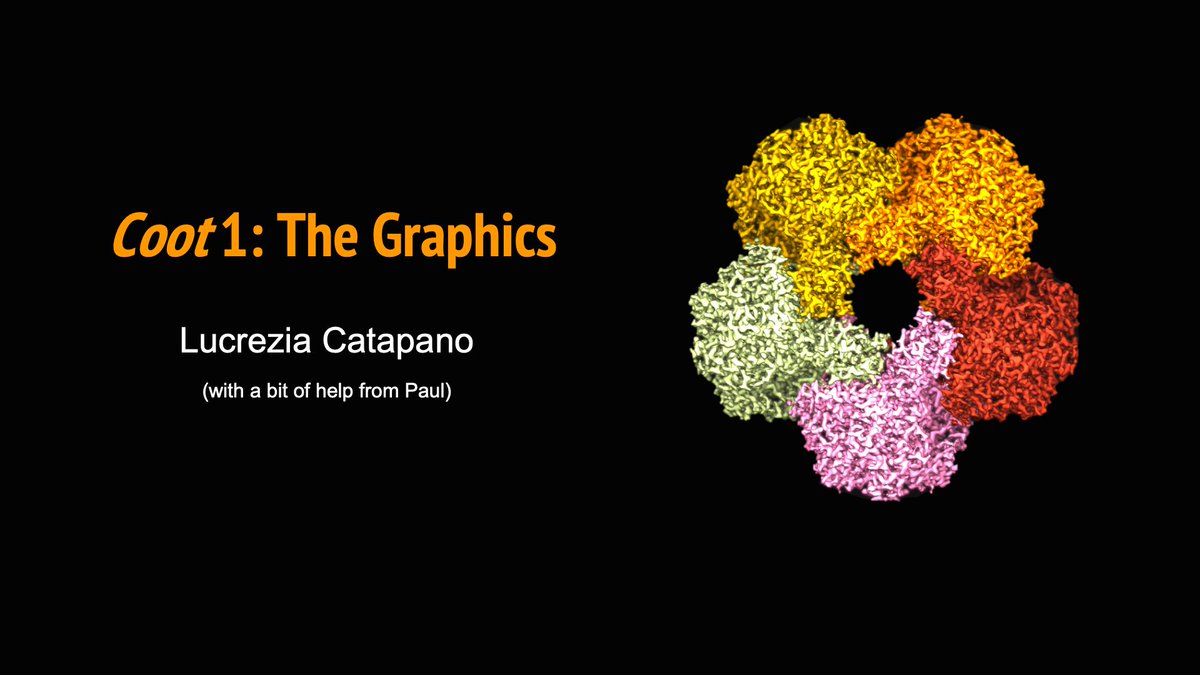
Hi guys! I made 2 new coot tutorials covering the coot 1 graphics 😃.
I will show you:
1. How to make a figure using the GUI
https://t.co/aexDR02TYs
2. How to make a figure by scripting in Python using coot as a module
https://t.co/QKmEuQjzPw
gget alphafold: Predict the 3D structure of a protein from its amino acid sequence using @DeepMind’s AlphaFold v2.0 from a Python or command-line environment in 3 lines of code. Runs on any laptop and requires only ~4 GB of disk space. Simply ‘pip install gget’ and:
The lab of Andrew Marks @Columbia solved the cryo-EM structure of ARM210-bound type 1 ryanodine receptor that reveals a second binding site for ATP
https://t.co/c1ZxWoV8Li