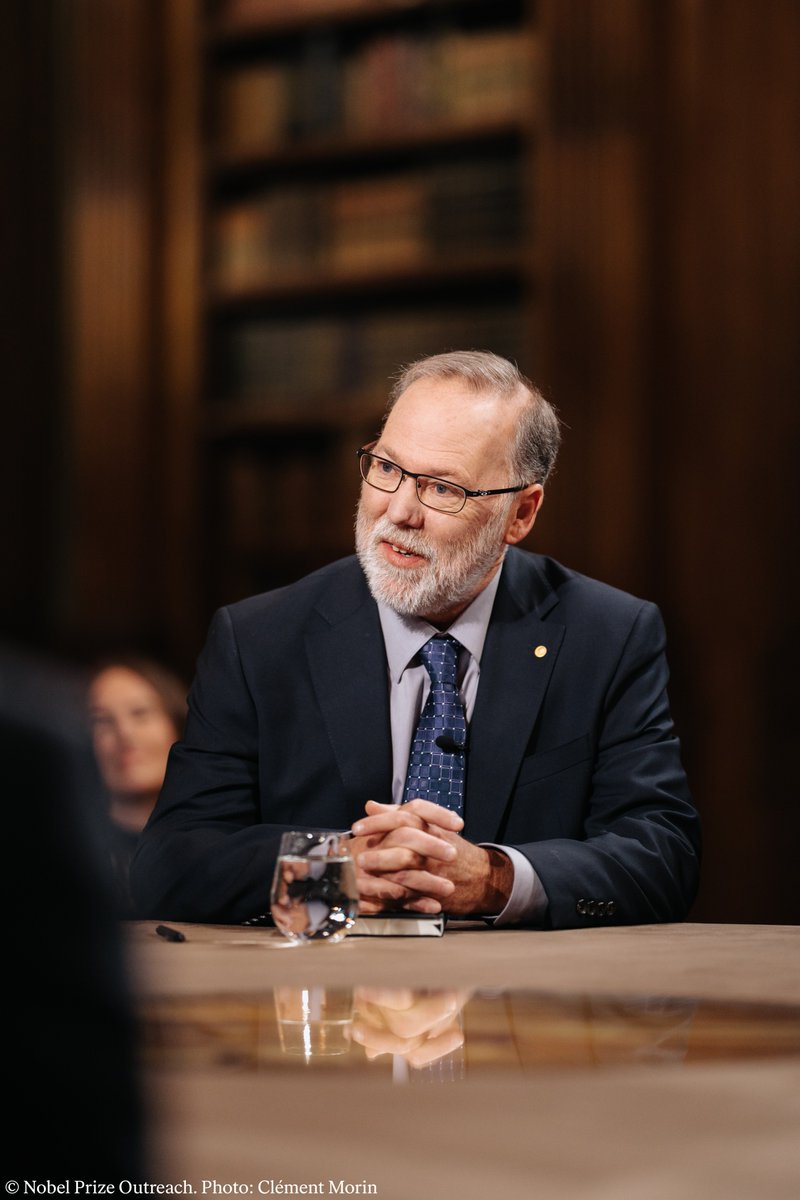
“To be successful as a scientist, I think you really need to be curious. You need to be inquisitive. You want to know answers to stuff that you don’t have a good sense on. You have to be stubborn because you’re going to be wrong and you’re going to not get through this. You have to have a long-term perspective. You can go months, years, sometimes making painfully little progress on something – and then something happens and it’s exciting. But if you need immediate gratification, you should not be a scientist. That’s not going to work for you, because there’s very little immediate gratification in this business. You’ve got to be stubborn and you’ve got to have a long-term perspective.”
Some career advice from 2025 medicine laureate Fred Ramsdell. He shared the prize with Mary Brunkow and Shimon Sakaguichi for their “discoveries concerning peripheral immune tolerance.”
“No matter how isolated you are and how lonely you feel, if you do your work truly and conscientiously, unknown allies will come and seek you.”
― Carl Jung
"We compete against problems, not against people."
John B. Goodenough is the oldest person ever to receive a #NobelPrize. He was 97.
Watch our interview with him. We talked to the extraordinary chemistry laureate about life, science and love: https://t.co/G0YOKZxaYZ
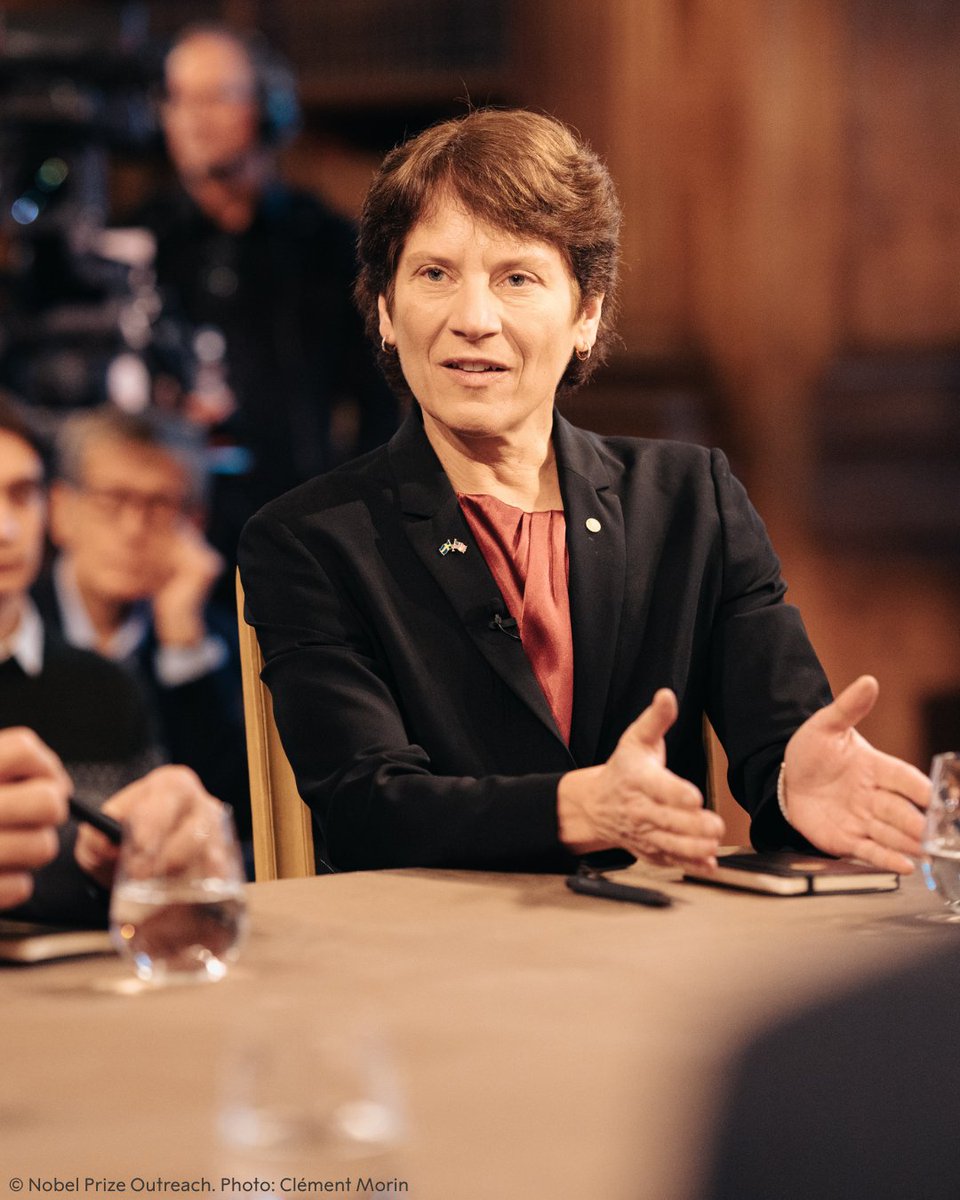
What’s the most important quality of a successful scientist? Chemistry laureate Carolyn Bertozzi believes it’s resilience. “You dust yourself off, you get back up there and you go out the next day and try again,” she said.
Do you agree?
#NobelPrize