Microbes found on various lines of Hong Kong’s rail network are characteristic of the neighbourhood each line serves. But during the day, the flora from each line mix, and by the evening, the network’s microbiome reflects the entire city #ResearchHighlight https://t.co/XDuB4fz9Q0
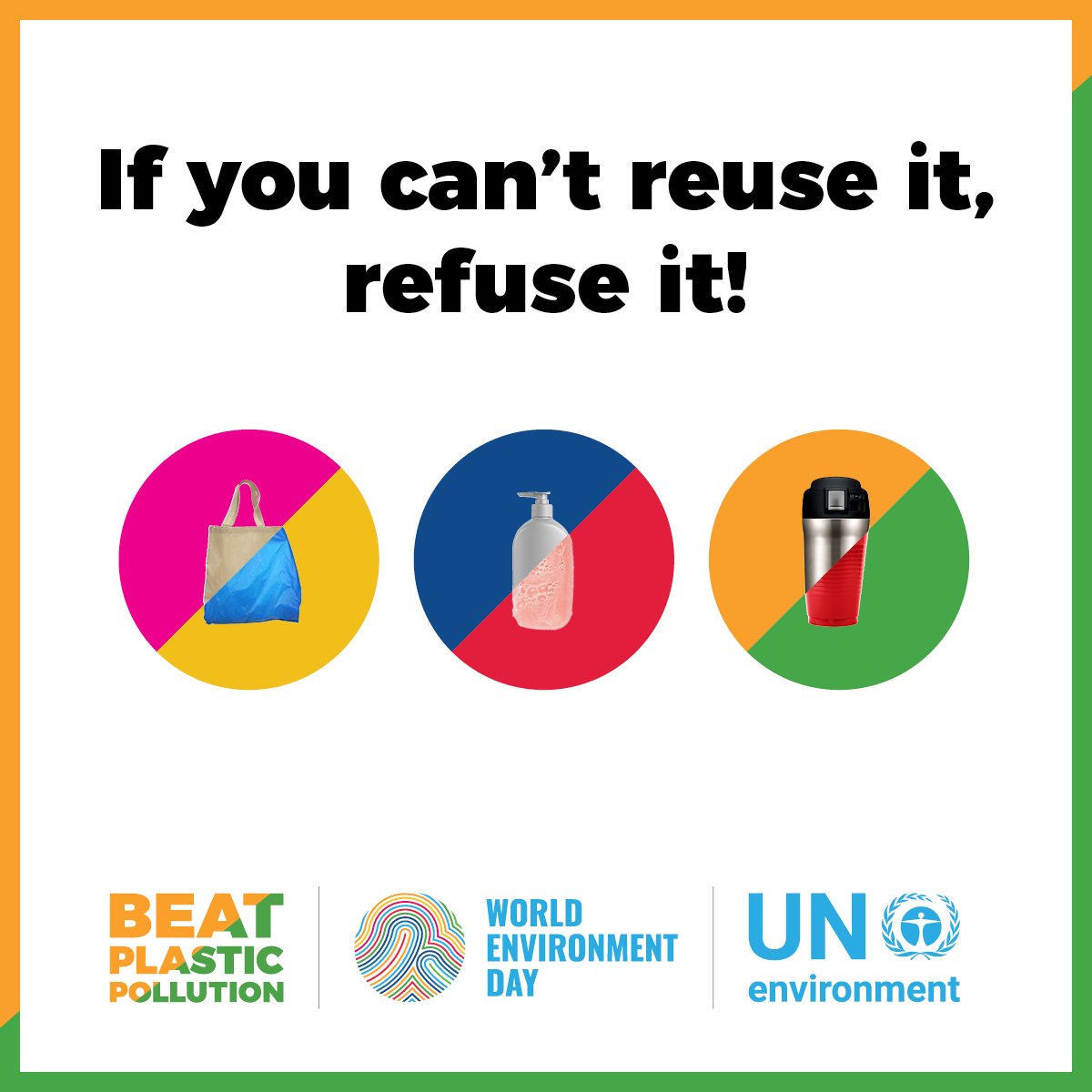
If you can't reuse it, refuse it!
Very little of the plastic we discard every day is recycled or incinerated in waste-to-energy facilities. We must all reduce our plastic consumption!
Get more ideas to #BeatPlasticPollution https://t.co/ahriiSDDnN - via @UNEnvironment
Editorial: Too many postgraduates suffer from mental illness including depression and anxiety. Greater awareness must be matched with steps such as better training for supervisors https://t.co/lKEXfjMLbC
I'm doing an exciting paper for journal club this week: https://t.co/k6PHLmgr5s I'm really interested in novel approaches in science
#phdchat#literature#journalclub
Researchers sifting through microbes from sewage sludge and lake sediments have identified the first enzyme that produces toluene - a hydrocarbon that is added to petrol to improve engine power #ResearchHighlight https://t.co/gbCb6SMTE2
#chemjob - A fixed term #pdra appointment is available in @AtmosChemYork, part of the Department of Chemistry, to support two recently funded projects associated with measurement of VOCs and other air pollutants. https://t.co/Ixwgsu5RA2
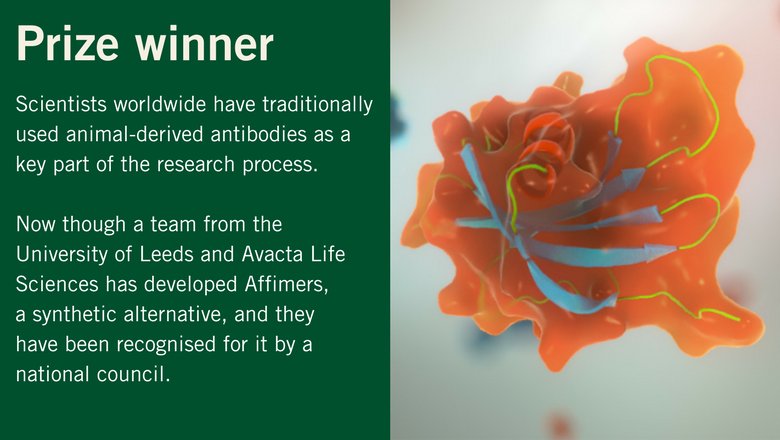
The @NC3Rs has highly commended biologists Darren Tomlinson and Christian Tiede from @ScienceLeeds, who have contributed to reducing the number of animals used in research with the development of Affimer technology.
https://t.co/5F4YpSL2eT
Dr Christian Tiede @ScienceLeeds has been highly commended in this year's #3RsPrize. His team have developed Affimers, 'alternative binding proteins' that can replace the use of animals for producing antibodies.