@muruga86@raptor1991007 All gun base C-RAM systems are inherently ineffective against such threat,no matter who made the C-RAM or the threat missile,still better than none to handle the leakage from the longer range interceptor missiles.
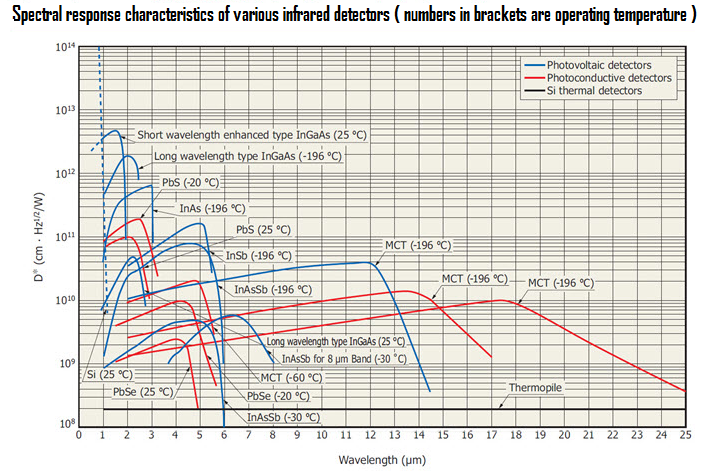
A good introduction to electro-optical sensor systems, which have many advantages over radar in terms of resolution and defeating stealth designs, but have challenges of their own, such as atmospheric attenuation and thermal noise:
https://t.co/e6weYsU2JM
@J0nWienke@volvoks99 Can the strongest tornado destroy an ICBM silo?If not,why don't you guys build you home as strong?Reinforced concrete is forbidden in the USA?
@VLS_Appreciator VLS is actually very heavy,64 mk41 vls cells is heavier than one Nagato class battleship's twin 410mm turret,so I don't see much room to further increase it on the cruiser size ship
@MightyWar3 People don't realize that an empty single Mk41 VLS tube is already 15 tons,which means 128 cells all loaded with 1.5 tons SM-3/SM-6 boost a 2112 tons mass budget several meters above the waterline,requiring massive work to balance it out.
@Beyondsimplify China's chip manufacture doctrine didn't aim to beat the world leader but self sustainable with above average performance. I mean,like how many people actually upgrade their device after the newer one ASAP?most of us are still still using years old hardwares with fine.
@konishi_momoo@7z53lq even with the 100000t Nimitz class carrier,its multi layer deck armor only had a combined thickness similar to ww2 heavy cruisers,and modern supersonic missile can easily go through in dive attack mode
@konishi_momoo@7z53lq Second,modern warships prioritize actively intercepting the threat instead of tanking it and thus have thinner armor compared to ww2 counterparts