1/n Many thanks @mehdirhasan @MehdiHasanShow for hosting me this evening I explained the problems of “debating” science on Joe Rogan with RFK Jr and there are several.
They won't call it a ban. Yet not only has my book been moved, but now elementary schoolers must request a copy from a specialist at its new site AND then also PROVE their reading level before seeing a copy. All these hurdles for a young reader just to access a poem in history written for them. @MDCPS , history is not ours to hoard from children. History has always been theirs to make. And the more they're empowered to know our yesterdays, the more prepared they will be to lead us into tomorrow.
Apparently today while on a walk and looking at some squirrels my 3 year old tols my wife that, "Mama, squirrels are acorn pirates." Then walked away. And, I mean he isn't wrong. #squirrel#AcornPirate#ThingsKidsSay#3YearOld
It's #FossilFriday! Today's mode of preservation is distillation. Over time, increased pressure and heat flatten 3D organisms releasing gases and liquids from the body, leaving behind a 2D carbon film in the rock. This process can preserve intricate detail like plant veins.
During February, on #FossilFridays, we'll highlight the different modes of preservation. Starting with the most common, molds and casts. A mold is a space in a rock where a body part used to be. A cast is made when sediment fills a mold, making a copy of the original body part!
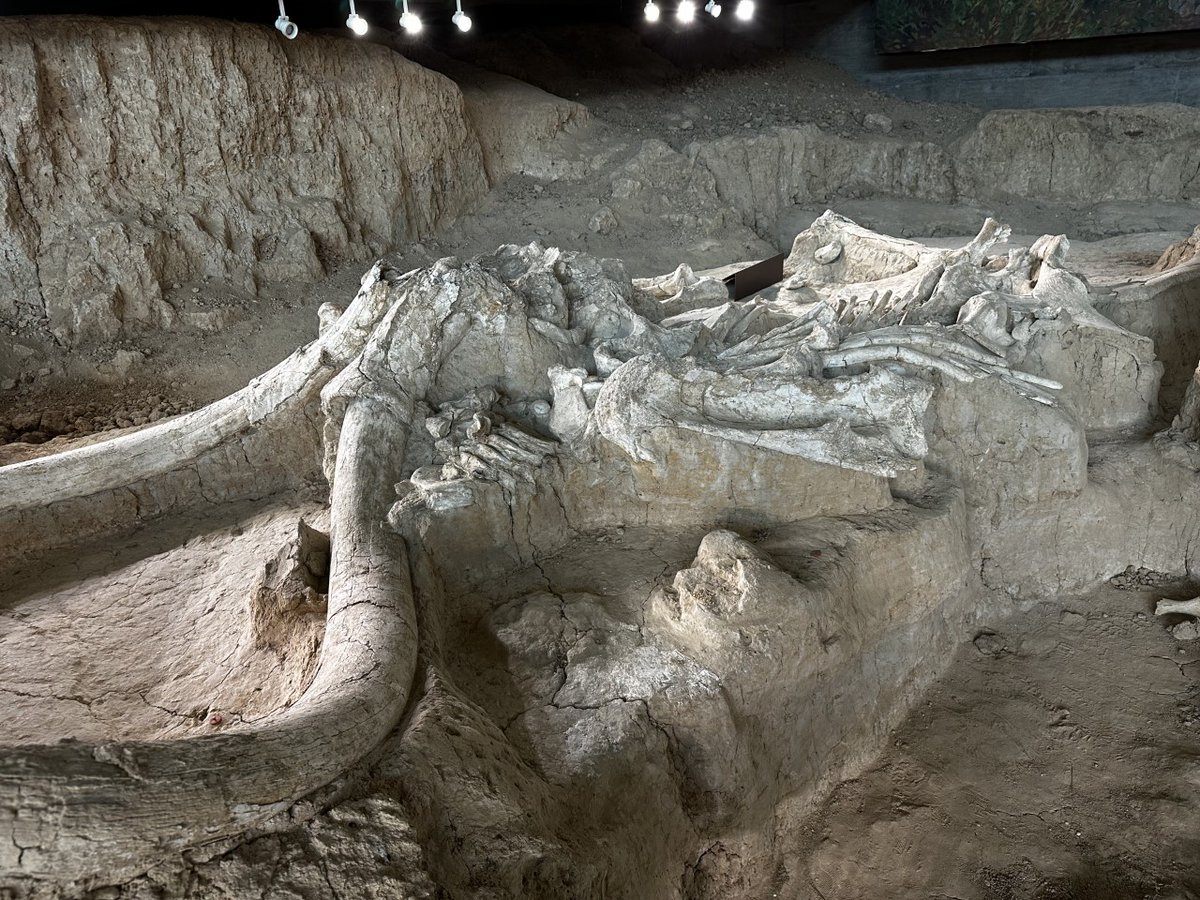
Happy #MammothMonday! Columbian mammoths adapted to various habitats, as displayed by the wide distribution of fossils. Their fossils have been found in Texas, South Dakota, Las Vegas, Mexico, and elsewhere. The grasslands of ancient Waco would have been an ideal habitat!
It’s #FossilFriday! The mode of preservation we’re looking at today is nodules. Chemicals released by organic matter cause minerals to collect around remains, forming a nodule! The fossils inside are a special kind of mold/cast with a high detail level.
Photo- Zane Jobe
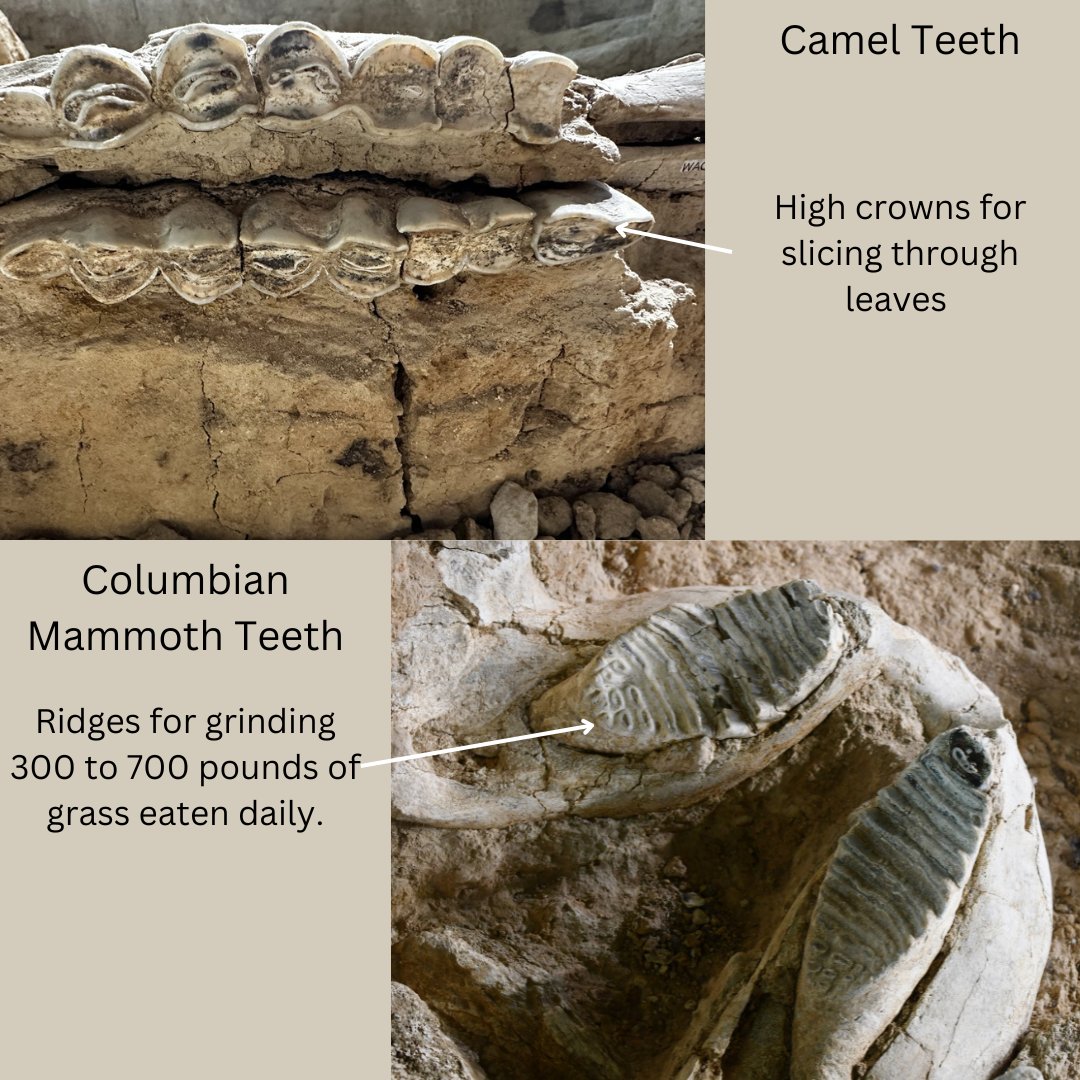
Happy #MammothMonday! Both camels and mammoths were herbivores, but they ate different types of plants. Mammoths ate grass, while camels eat grass and other leafy greens. Their differing diets are reflected in their teeth due to form following function.
We have been featured on the National Park Traveler Podcast! Ranger Brycen chats with Lynn Riddick about the history of the Waco Mammoth National Monument and the ice age fossils found in Waco. Let us know what you think in the comments! #ScienceSaturday
https://t.co/eDP3FQZRCI
We are looking for volunteers to assist our park paleontologist with screen washing, microscope picking, and sediment collection! Help with ongoing science by visiting https://t.co/jc9nxoaFuz to apply! https://t.co/BLOn7I37cY
It's #MammothMonday! #DYK Columbian mammoths were in the same family as elephants? Mammoths and elephants share a common ancestor, which makes them like distant cousins. All mammoths were elephants, but not all elephants are mammoths! #TheMoreYouKnow
NPS Photos