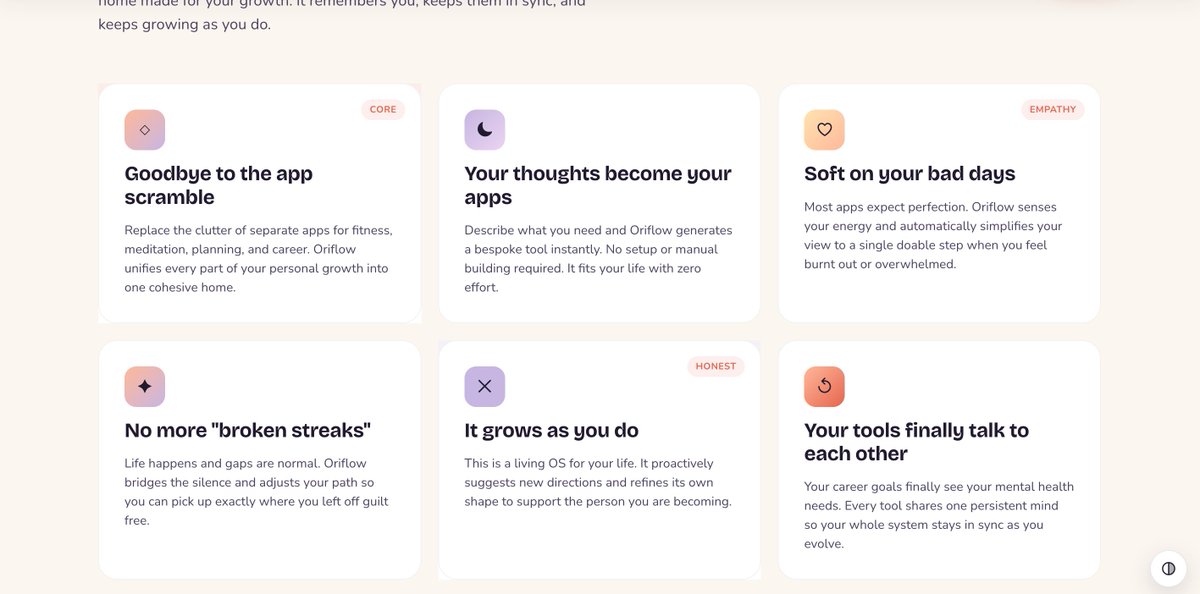
Open a to-do app, it pings you. A notes app, a red badge. A habit tracker, a streak you can't break. Every productivity tool I try finds one more way to pull me back in. So we're building the opposite:
Oriflow → https://t.co/P8wpQrDGMT
We're early, and this is a real invitation. Try the brain dump, tell us where it helps and where it gets in your way. So, honestly: what could Oriflow do for you that your current tools never have?
Open a to-do app, it pings you. A notes app, a red badge. A habit tracker, a streak you can't break. Every productivity tool I try finds one more way to pull me back in. So we're building the opposite:
Oriflow → https://t.co/P8wpQrDGMT
We're beginning with #neurodiverse folks, because every mind works differently and theirs make that impossible to ignore. This was never one kind of mind against another. Build for how a person actually thinks, and you build for anyone worn down by the noise.
Attending #ACL2026
Paper - Rolling Out Data Quality Overnight, without losing the plot: A Multi-Agent System for Speech Data Quality Management.
LLM provides semantic reasoning and the harness provides workflow discipline.
@BharatGen_Com@ganramkr@krishnamrith12@voicearena_ai
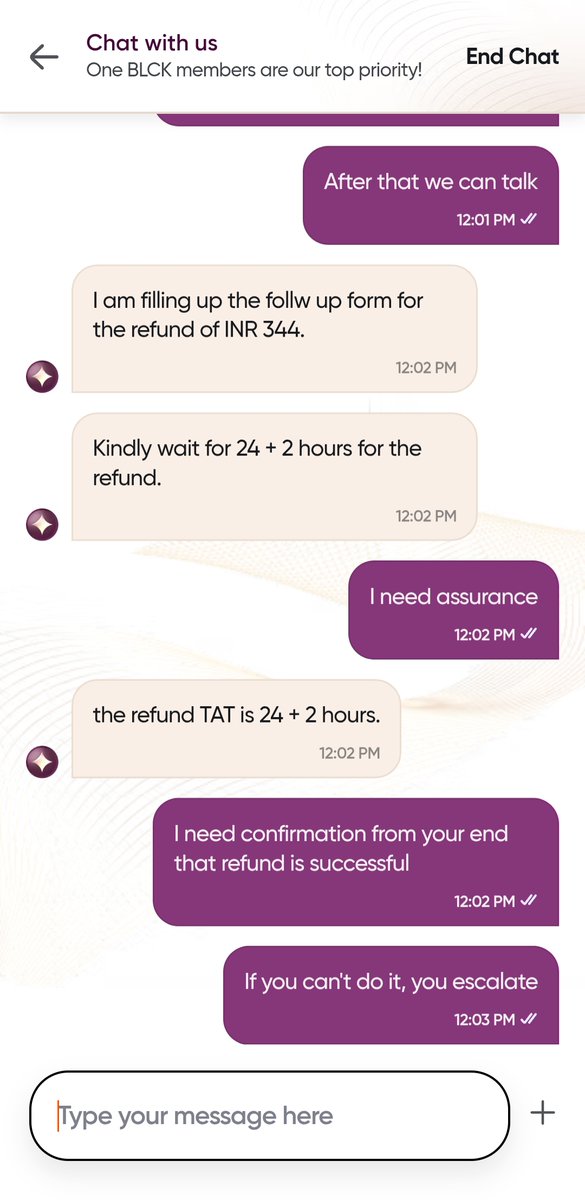
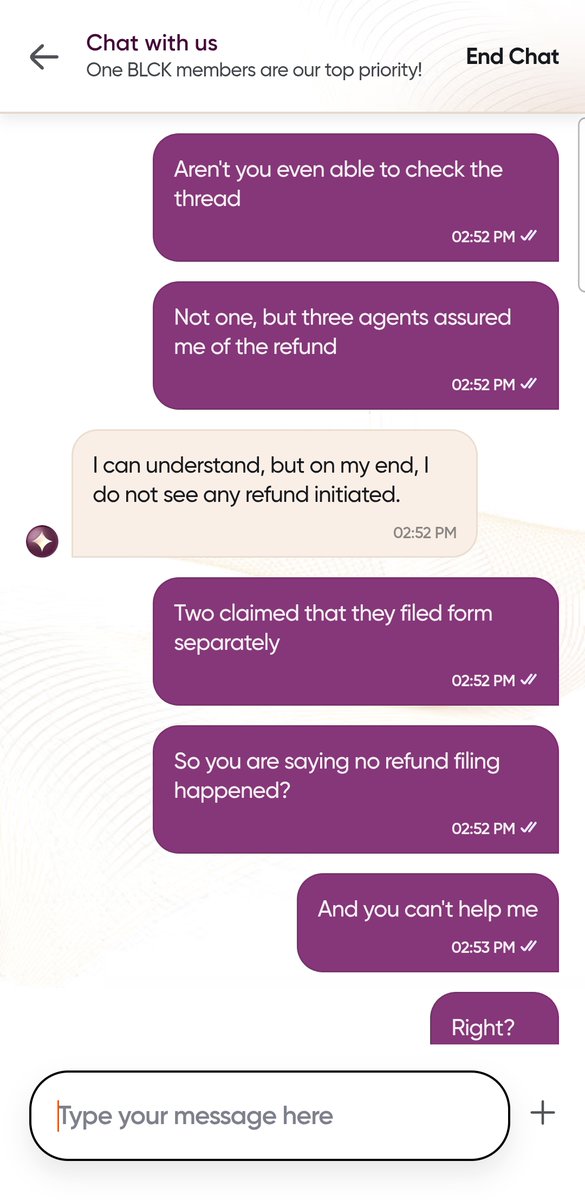
Is this quite a common, though fraudulent practice, in @Swiggy@SwiggyCares@harshamjty where some agents claimed they filed for refund on customer's behalf and others say that no such record exists.
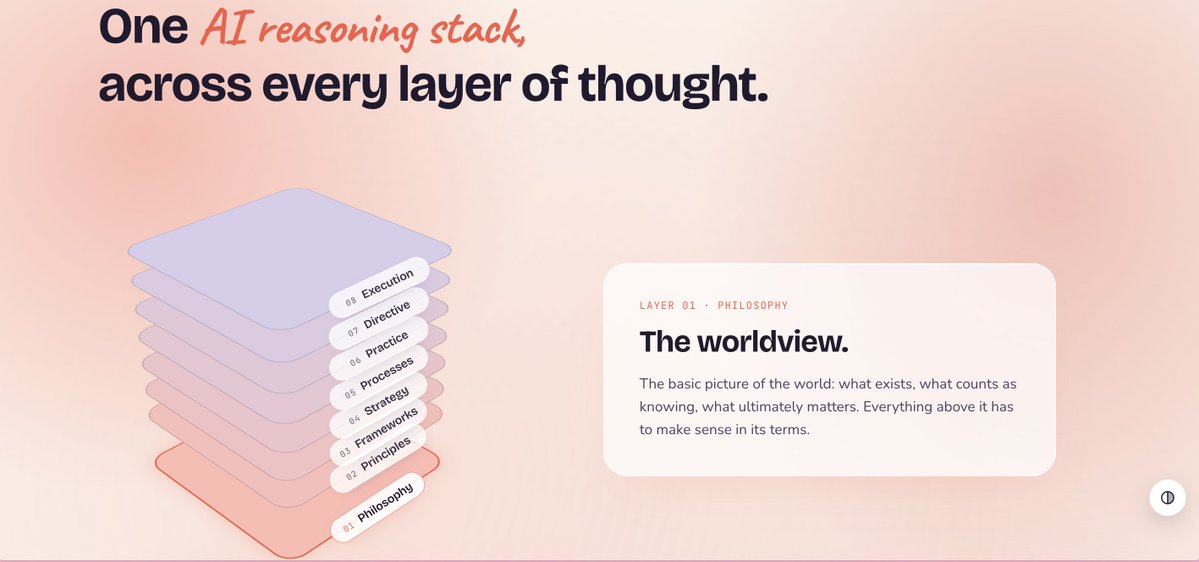
@nova_oc_ What i currently have is a reasoning layer that generates designs based on context, tried for web apps, slides (canva, miro) and concept maps
Works pretty well on sevaral artifacts
🛟 Meta paper argues that AI–human co-improvement is a safer, faster path to co-superintelligence, where AI and people upgrade each other through shared research rather than chasing fully autonomous self-improvement.
The paper says self-improving AI is appealing but risky, since removing humans from the loop can amplify misalignment and reduce steerability.
The proposal is to aim models at working with researchers end to end, from problem finding and benchmark design to method ideas, experiment planning, execution, and error analysis, so that both AI and humans get smarter together.
They lay out concrete collaboration skills to train and measure, like joint ideation, data and benchmark creation, ablations, large scale result analysis, safety method co-design, systems and pipeline co-design, and clear scientific communication.
This directs resources to targeted capabilities, similar to how focused investment lifted coding assistance, but here the target is AI research collaboration itself.
The authors expect this to surface paradigm shifts faster, give more transparency than autonomous loops, and center human goals, which they frame as co-superintelligence.
They contrast this with agents that generate their own data, rewards, and code with minimal human input, noting real gains there but open issues like reward hacking, drift, and low interpretability.
---
github .com/facebookresearch/RAM/blob/main/projects/co-improvement.pdf
To those who want to master Flow matching and Diffusion models these are the 2 best resources and literal gold mines written by MIT, Stanford, OpenAI, and Meta researchers:
Flow Matching Guide and Code - https://t.co/rPP0tmcoS5
The Principles of Diffusion Models - https://t.co/VRKP368S2q
we got three cool papers on self-distillation in the same week!
1/ Self-Distilled Reasoner: On-Policy Self-Distillation for Large Language Models - https://t.co/jvfSryUydN
2/ Self-Distillation Enables Continual Learning - https://t.co/i8hgD2EMhI
3/ Reinforcement Learning via Self-Distillation - https://t.co/YyvPPkiJIB
Loved the work. It’s rare to come across something that feels instantly intuitive, surprising and leaves you wondering why it never occurred to you before.
For a while, Meta AI (then FAIR) was quietly doing some of its best work while the company was obsessing over "Metaverse".
Now the Metaverse is over, and Zuck is personally focusing on AI.
Usually that’s when things get fixed.
This time, I’m not so sure. Watch the exits.
Infrastructure companies die. Infrastructure function persists.
Exodus Communications: $32B valuation (2000) → bankrupt (2001)
AWS: launched 2006
But the function served expert systems (1990s), Bayesian methods (2000s), transformers (2020s), foundation models (2025).