What tasks should AI be trusted with, and when should humans remain involved? Designing those decision rights is one of the defining challenges of the AI era. Researchers at the MIT Center for Information Systems Research have developed a framework to help.
Learn more: https://t.co/NbTi0Vvd7Z
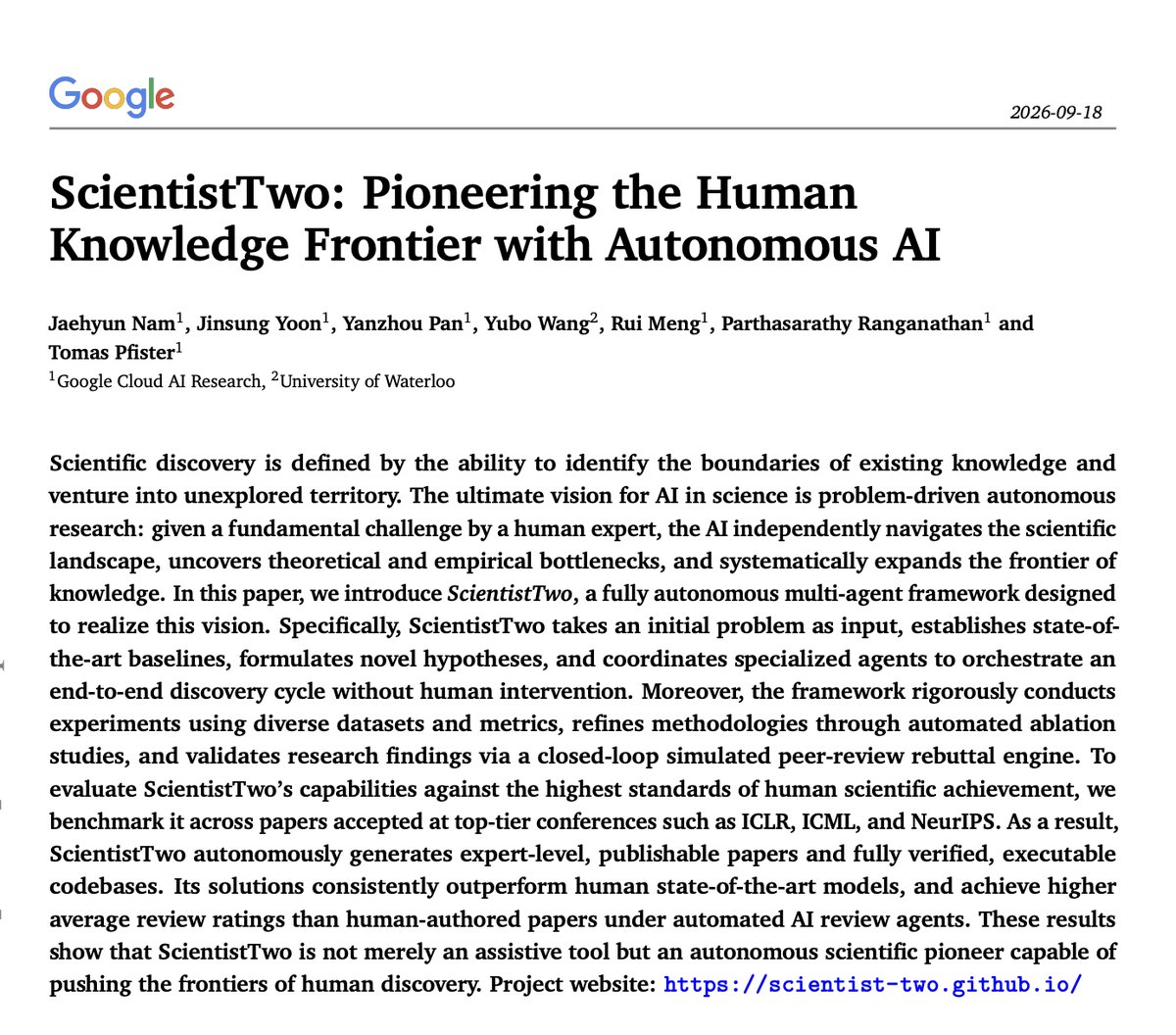
🚨 زلزال في الأوساط العلمية: جوجل تؤتمت شهادة الدكتوراه والبحث العلمي بالكامل بنسبة 100% بدون أي تدخل بشري! 🔬🧠💥
فريق البحث في Google يطلق رسمياً إطار عمل ذكي يُدعى "ScientistTwo".. نظام متعدد الوكلاء (Multi-Agent) ينفذ دورة البحث العلمي كاملة من الفكرة إلى الورقة البحثية المحكمة!
كيف يعمل هذا الوحش البحثي بشكل مستقل تماماً؟
💡 تعطيه المشكلة أو التحدي العلمي فقط.. وهو يتكفل بالباقي:
📚 يقرأ الأوراق العلمية السابقة ويحدد النقاط المرجعية (Baselines).
🧪 يصيغ فرضيات جديدة مبتكرة ويكتب الأكواد البرمجية ويجري التجربة بنفسه!
يقوم بدراسات الاستبعاد (Ablation studies) ويصمم نظام مراجعة أقران وهمي (Peer-review) ليجادل نفسه ويحسن ورثته البحثية قبل الصياغة النهائية!
النتائج الميدانية صدمت مجتمع العلماء:
🎯 تم اختباره مقابل أفضل أوراق علمية مقبولة في مؤتمرات نخبوية مثل NeurIPS و ICML.
⚡️ تفوق وحسّن نتائج أفضل الموديلات البشرية في 86 task مختلفاً!
📈 حقق قفزة في الأداء بنسبة بلغت 25.2% مقارنة بأعظم الإنجازات البشرية!
مؤلفات خالية 100% من الهلوسة المرجعية، مع أكواد تعمل بكفاءة وورقة علمية جاهزة للنشر الفوري!
المرحلة التي كنا نستخدم فيها الذكاء الاصطناعي كمساعد للتلخيص أو كتابة الكود انتهت رسمياً.. نحن أمام "باحث مستقل" يوسع حدود المعرفة البشرية!
إذا كان الـ AI يصيغ الفرضيات ويختبرها وينشر اكتشافاته بمفرده اليوم.. فكم يلزمنا من الوقت ليفتتح علماً جديداً لا نملك حتى الرياضيات لفهمه؟!
احفظ التغريدة فوراً، واقرأ الورقة البحثية كاملة عبر الرابط الرسمي بالأسفل! 🧵👇
Están haciendo viral a esta muchacha. Por fin, YA ERA HORA!! En su canal analiza hace rato el futbol ecuatoriano de clubes y selección y es una crack!! Sabe muchísimo y dice siempre las cosas como son! Qué bueno que la empiecen a conocer
Acercando la investigación educativa con @NotebookLM
¿Tienes 8 min 53 s?
Guía GenAI in Assessment! 🎓 El AI in Assessment Working Group, liderado por @ruthslotnick
Te dejo vídeo, presentación e infografÍA
🔗https://t.co/RhJT8EG7hh
Sigue 🧵
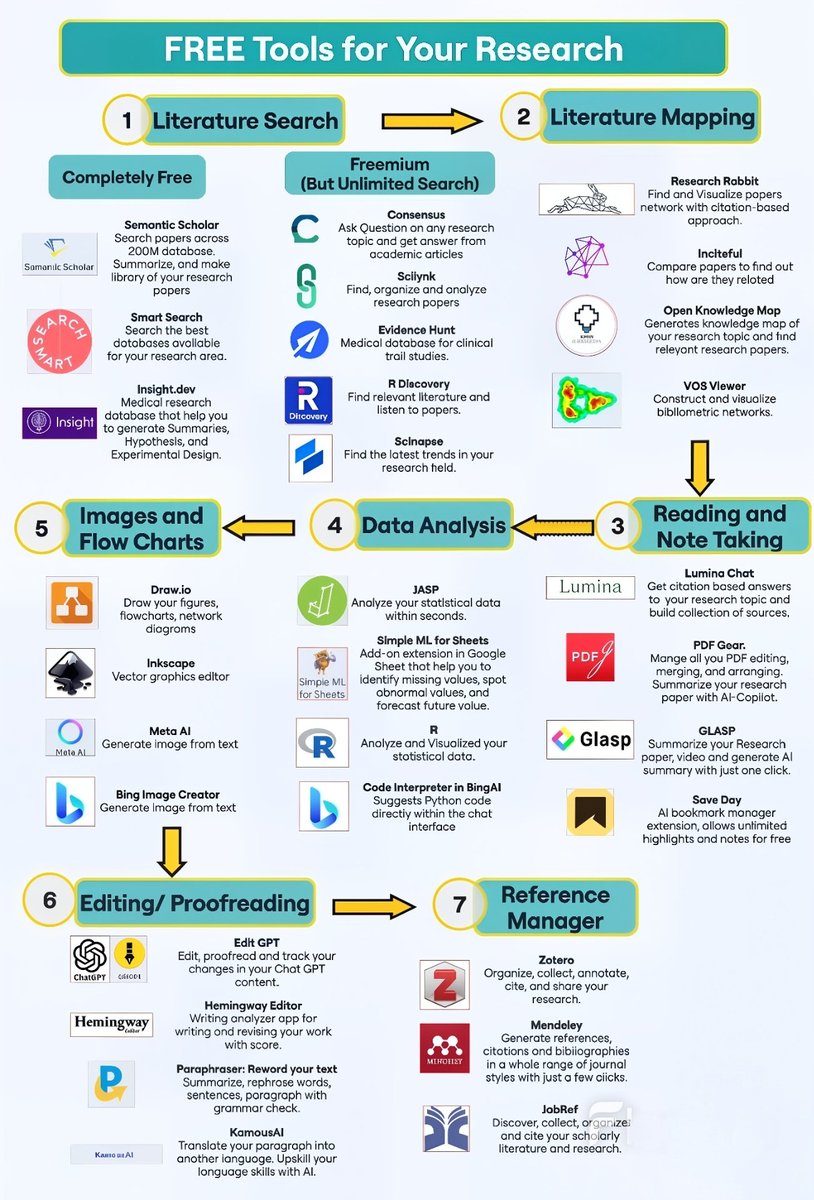
👉 FREE Tools for Your Research
➡️ This 7-step academic research workflow highlights free and freemium digital tools that help researchers move smoothly from literature discovery to reference management, without heavy costs or complexity.
➡️ 1. Literature Search
🔹 Completely Free: Semantic Scholar, Smart Search, Insight. dev
🔹 Freemium: Consensus, Scispace, Evidence Hunt, R Discovery, Scinapse
➡️ 2. Literature Mapping
🔹 Research Rabbit
🔹 Inciteful
🔹 Open Knowledge Maps
🔹 VOSviewer
➡️ 3. Reading and Note Taking
🔹 Lumina Chat
🔹 PDF Gear
🔹 GLASP
🔹 Save Day
➡️ 4. Data Analysis
🔹 JASP
🔹 Simple ML for Sheets
🔹 R
🔹 Code Interpreter in BingAI
➡️ 5. Images and Flow Charts
🔹 Draw. io
🔹 Inkscape
🔹 Meta AI
🔹 Bing Image Creator
➡️ 6. Editing / Proofreading
🔹 Edit GPT
🔹 Hemingway Editor
🔹 Paraphraser
🔹 KamousAI
➡️ 7. Reference Manager
🔹 Zotero
🔹 Mendeley
🔹 JabRef
Used together, these tools create a practical end-to-end research system that saves time, improves clarity, and supports high-quality academic output especially for students and independent researchers.
❤️ Like
🔁 Retweet
🔖 Bookmark
Follow @sonalshukla3377 for more such posts
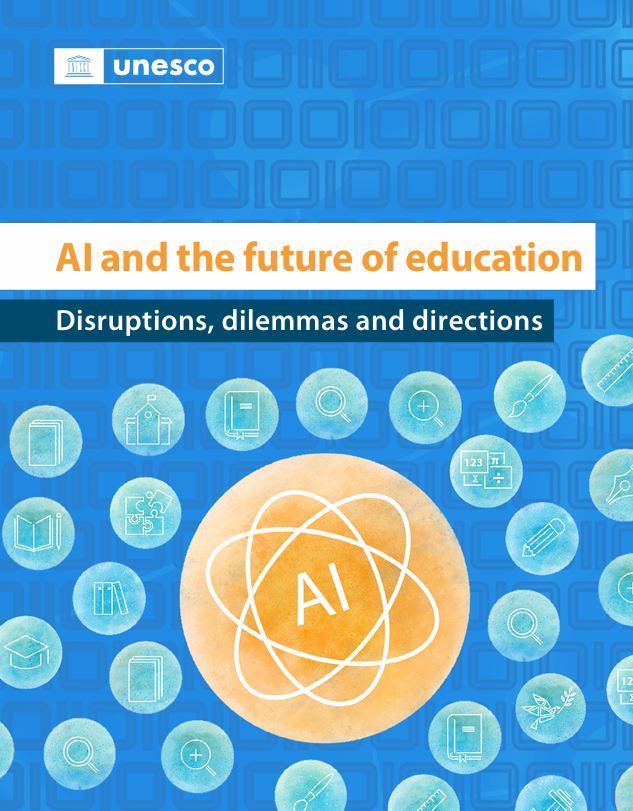
La @UNESCO_es ha publicado el informe AI and the Future of Education. Disruptions, dilemmas and directions (2025).
No es un texto para leer en diagonal ni una lista de recomendaciones rápidas. Es más bien una advertencia tranquila. La IA no entra en educación solo como un conjunto de nuevas herramientas, sino como un amplificador de tensiones que ya estaban ahí y que ahora se vuelven imposibles de seguir ignorando.
El informe insiste en algo que llevo tiempo observando en centros y universidades. El problema no es tanto la velocidad tecnológica como la asimetría entre innovación técnica y capacidad pedagógica para absorberla.
La IA avanza más rápido que nuestra manera de pensar el aprendizaje, la evaluación y la responsabilidad educativa.
Hay varias ideas que merece la pena subrayar.
- La primera es que no basta con formar en el uso de la IA. Si no se rediseñan tareas, criterios y evidencias de aprendizaje, la formación se queda en la superficie y acaba siendo cosmética.
- La segunda es que la equidad no se resuelve simplemente dando acceso a herramientas. Se juega en las condiciones reales de aprendizaje y, sobre todo, en que el criterio pedagógico no se delegue, aunque técnicamente sea posible hacerlo.
- La tercera es quizá la más incómoda. Si no repensamos qué evaluamos y por qué, la IA no va a “romper” la educación, pero sí puede vaciar de sentido muchas prácticas que ya estaban agotadas antes de su llegada.
La UNESCO no propone prohibiciones ni soluciones mágicas. Plantea dilemas. Gobernanza, ética, agencia humana, rol del profesorado, sentido del aprendizaje en contextos cada vez más automatizados. Y ahí está, para mí, el verdadero valor del informe. Obliga a parar y a pensar antes de reaccionar.
Leyéndolo, es difícil no ver la necesidad de marcos que ayuden a tomar decisiones con calma y criterio en los centros. No para decidir por nosotros, sino para ordenar el análisis antes de actuar. En ese plano encaja el SEIA, como una forma de trasladar a contextos reales muchas de las preguntas que el informe plantea a escala global: qué diseñamos, qué evaluamos, qué responsabilidad asumimos y qué decidimos no delegar.
El futuro de la educación con IA no se juega en la herramienta, sino en el diseño. En cómo distribuimos la responsabilidad. En qué seguimos exigiendo al estudiante. Y en qué decidimos no delegar, aunque sea técnicamente posible.
Si quieres acceder al informe completo, escríbeme “UNESCO” en los comentarios y te paso el enlace de acceso.
Leerlo no resuelve el problema. Pero ayuda a formular mejor las preguntas. Y ahora mismo, en educación, eso ya es mucho.
#edtech #UNESCO #IA #AI
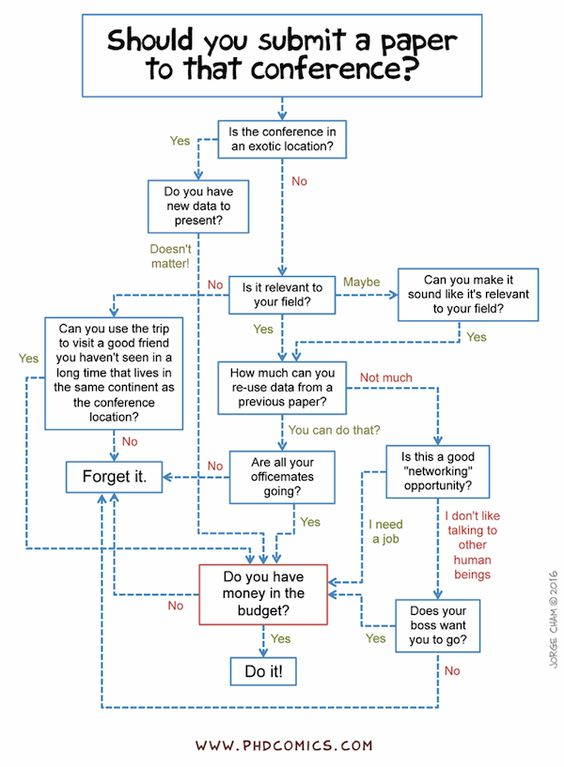
One of my favourite decision graphs from PhD Comics.
Especially relevant today that one of my PhD students got accepted to go to a conference in Hawaii...
Complete course on Machine Learning:
- 23 lectures with detailed course notes
- 30+ hours of lecture videos
- 20+ implementations of ML algorithms in Python (link in comment)