The FDA has approved the first telomerase inhibitor, imetelstat, to treat myelodysplastic syndromes following an epic journey for the drug, which has been tested in more than 20 trials over the past 20 years in various cancers. Find out more here https://t.co/w6a7pocLKX
For readers interested in antibody-drug conjugates for cancer, which have attracted attention at #ASCO24, here's a comprehensive review https://t.co/wIF78tNrc3 https://t.co/Cm8dBKalh2
@AdrianoAguzzi I'm very sorry to hear about the terrible accident. Wishing you strength and a speedy recovery. Kudos to the ER team. You’ve got this! 💪🚵♀️
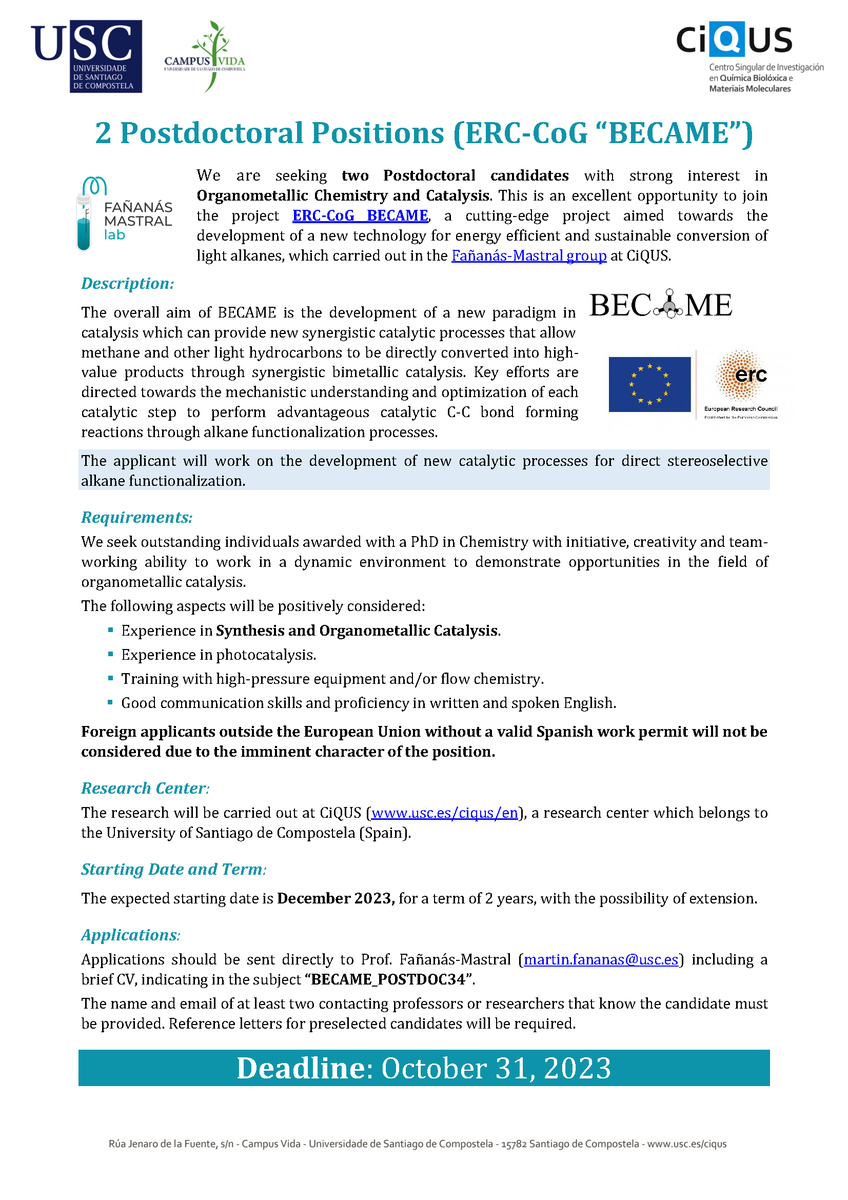
📣WE ARE HIRING!
👥2 POSTDOCTORAL POSITIONS are available in our group to work in catalytic stereoselective alkane functionalization at @ciqususc@ERC_Research#chemjobs#chempostdoc
Please check info 👇
So many people are hiring. I know.
BUT! If you are interested in coming to 🇨🇦Toronto🇨🇦 to start as staff scientist as part of the @acceleration_c with a focus on 💙polymers💙, please email me!
I am especially interested in mentoring women and will provide all the help I can!
This is the first image captured of Chernobyl, taken 14 hours after the explosion on April 26, 1986.
The photo was snapped from a helicopter assessing radiation levels over the disaster area. The image is grainy due to the intense radiation in the air, which began damaging the camera film as soon as it was exposed.
Igor Kostin, the photographer, found that the radiation affected his camera's motors after about 20 photos. When he processed his films, only the image above was usable. All other photos, affected by high radiation levels, came out completely black.
Kostin's visit to Chernobyl was not legal or approved by the authorities. The incident's news was largely hidden. However, Kostin was later given permission to photograph the disaster site, the evacuation of residents in Pripyat, and the 30 km zone around the power plant. His images helped reveal the catastrophe to the world.
Despite his closeness to the site, Kostin did not receive deadly amounts of radiation. He died in a car crash in 2015 when he was 78.
It’s been *forever* since my last Physics Twitter Thread 😳.
But today I ran into a beautiful artistic physics demo in my hometown that inspired me to write a few lines.
I’m sure you’ve all seen these massive floating granite balls. How do they work?
1/13
Just a thought - if @msonenote can be integrated with @ChemDraw so that we can just click and open ChemDraw file, just like MS Word/PPT does. It would be very helpful. Or is it already there? Not sure.
@TessaRDavis … And if I don’t want to do all this and save time, I’d use @MicrosoftEdge It is wonderful across all platforms. I transitioned long time ago because my laptop fan stopped supporting chrome (jk)
If you are at #ACSFall2022 in Chicago next week, do check out the talks and posters from our lab in different sessions of @ACS_DivBioChem @ACSCOMP@ACSCINF@ACS_ANYL (22 - 24 Aug). Looking forward to meeting friends! Please DM or email if you are going to ACS and we can meet up.
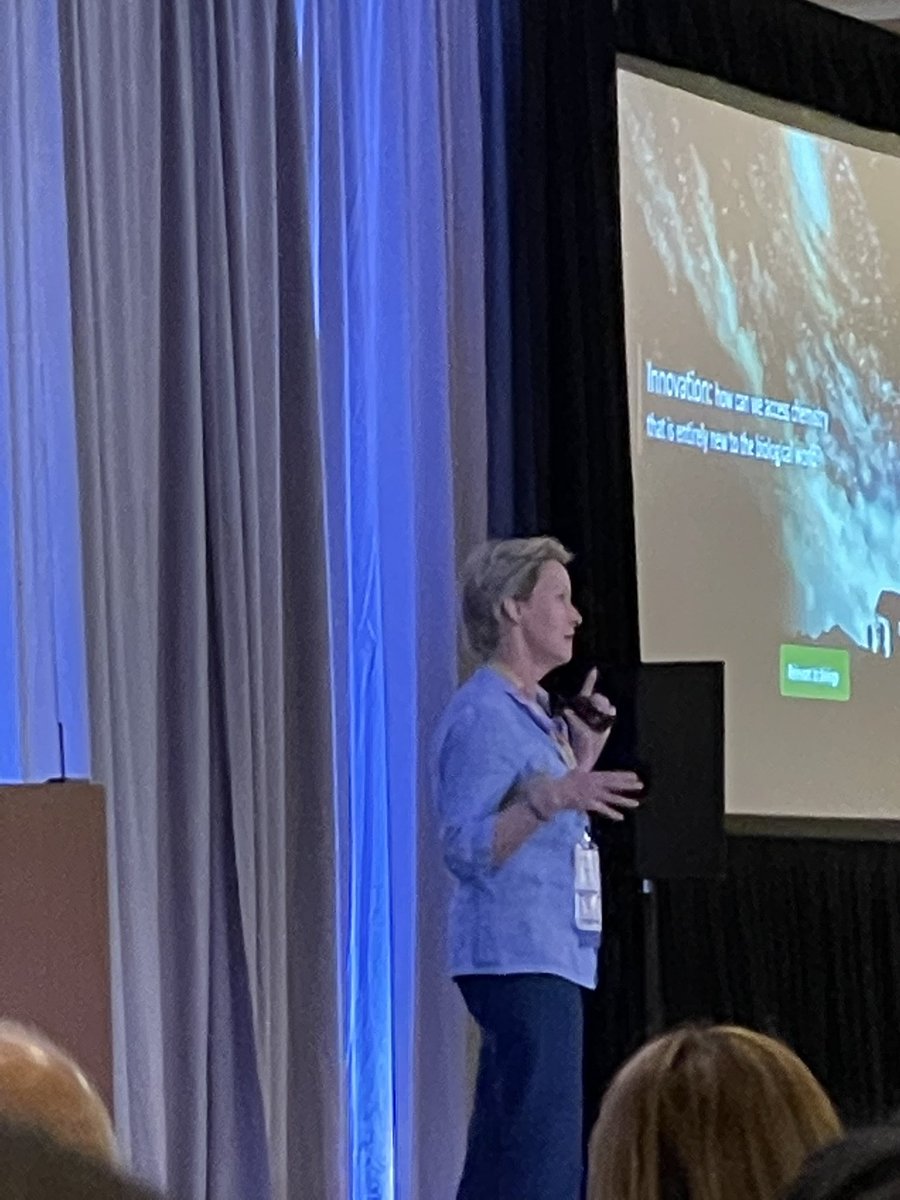
What an incredible talk by Nobel laureates Prof Benjamin List (yesterday) about “magic acid IDPi”and Prof Francis Arnold about Directed evolution to do unprecedented reactions (Today). #NOS2022