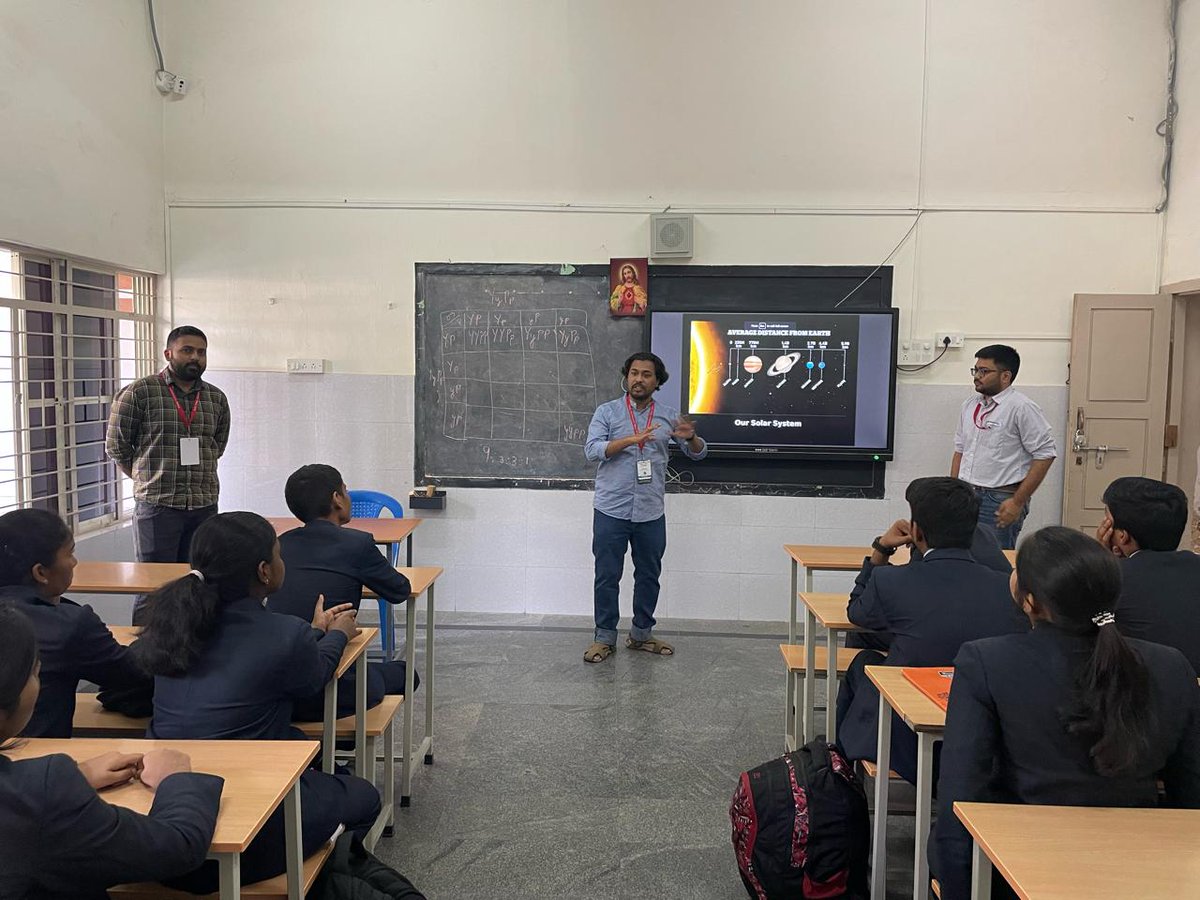
Delighted to share glimpses from our Stargazing Event at 3 MAH Air Squadron NCC, Pune. Organized by #NCRA and #GMRT, this session saw 200+ cadets and Air Force staff participate.
Sincere thanks to Wing Commander Shailendra Marathe, Commanding Officer, for facilitating this event
#URSI Asia-Pacific Radio Science Conference (#APRASC) held at Sydney, Australia, concluded on 22nd of August, 2025. Researchers and engineers from #NCRA-#TIFR and #GMRT actively contributed to the conference by presenting their latest research and technical developments.
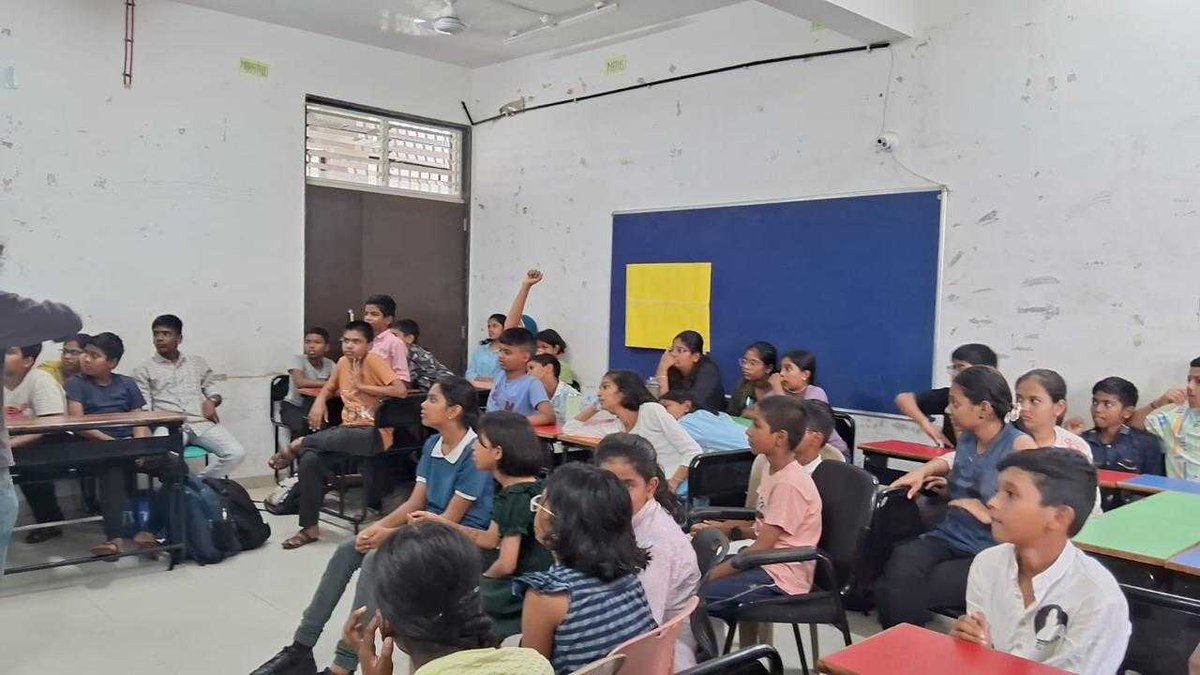
#NCRA conducted an outreach astronomy session at the CSMEM School, Kasarwadi. Our postdoc fellow, Dr. Kshitij Bane @kshitijen , introduced students to the wonders of the universe through a talk on basic astronomy. The curious students were enthusiastic and asked great questions!
Last month, the India Science Festival 2025 was organized by @FASTIndiaTrust at @FergussonPune, where #NCRA set up a booth featuring informative posters & a working model of the #GMRT, aiming to spread the excitement of radio astronomy to the general public. @IndSciFest#ISF2025
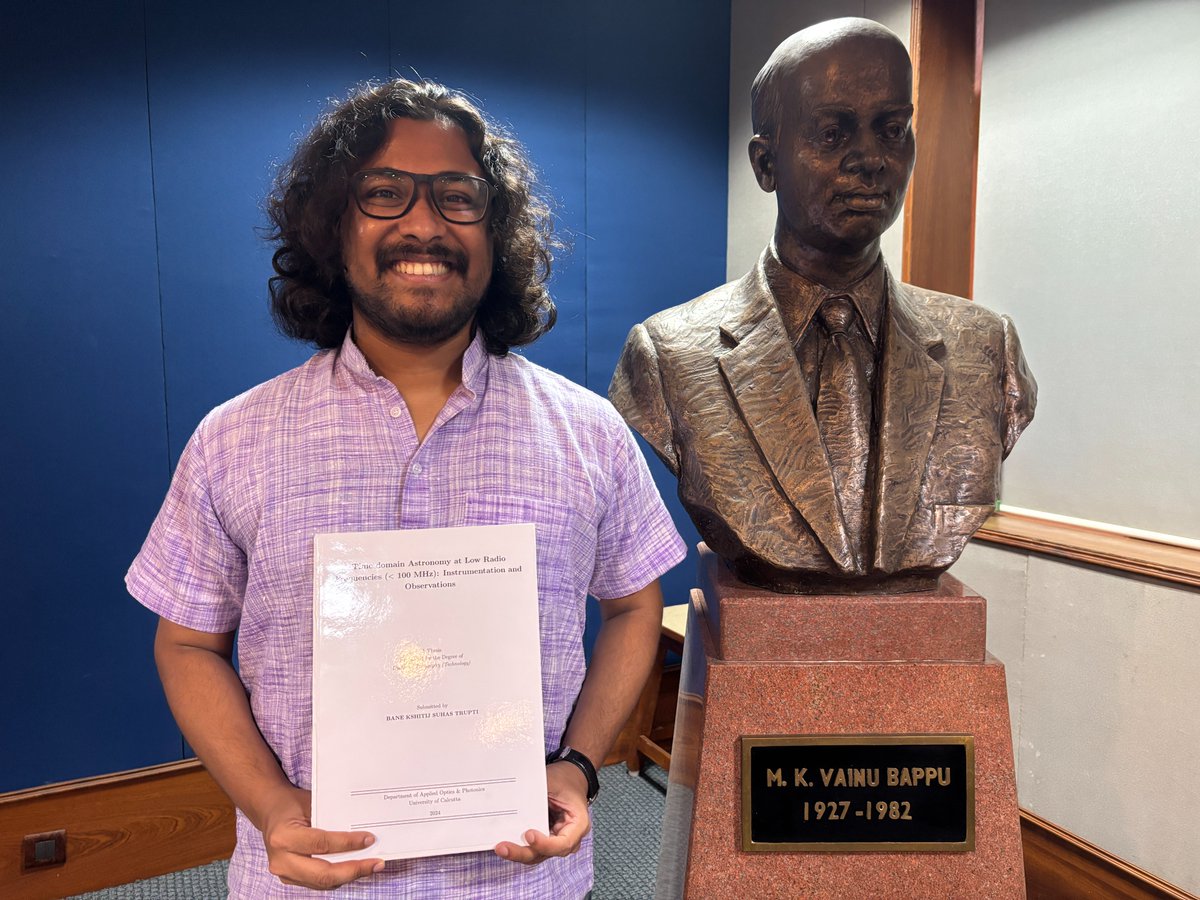
Received the Young Scientist Award (YSA) of the 6th URSI Regional Conference on Radio Science (URSI-RCRS 2024), organised by Indian Radio Science Society (InRaSS), Aryabhatta Research Institute of Observational Sciences (ARIES) and Graphic Era Hill University (GEHU) at Bhimtal.
Glad to receive it from Prof. Subramaniam Ananthakrishnan, a well know Radio Astronomer involved in the Ooty Radio Telescope and the Giant Metrewave Radio Telescope, presently the President of InRaSS, and Dr. Manish Naja, Director of ARIES.
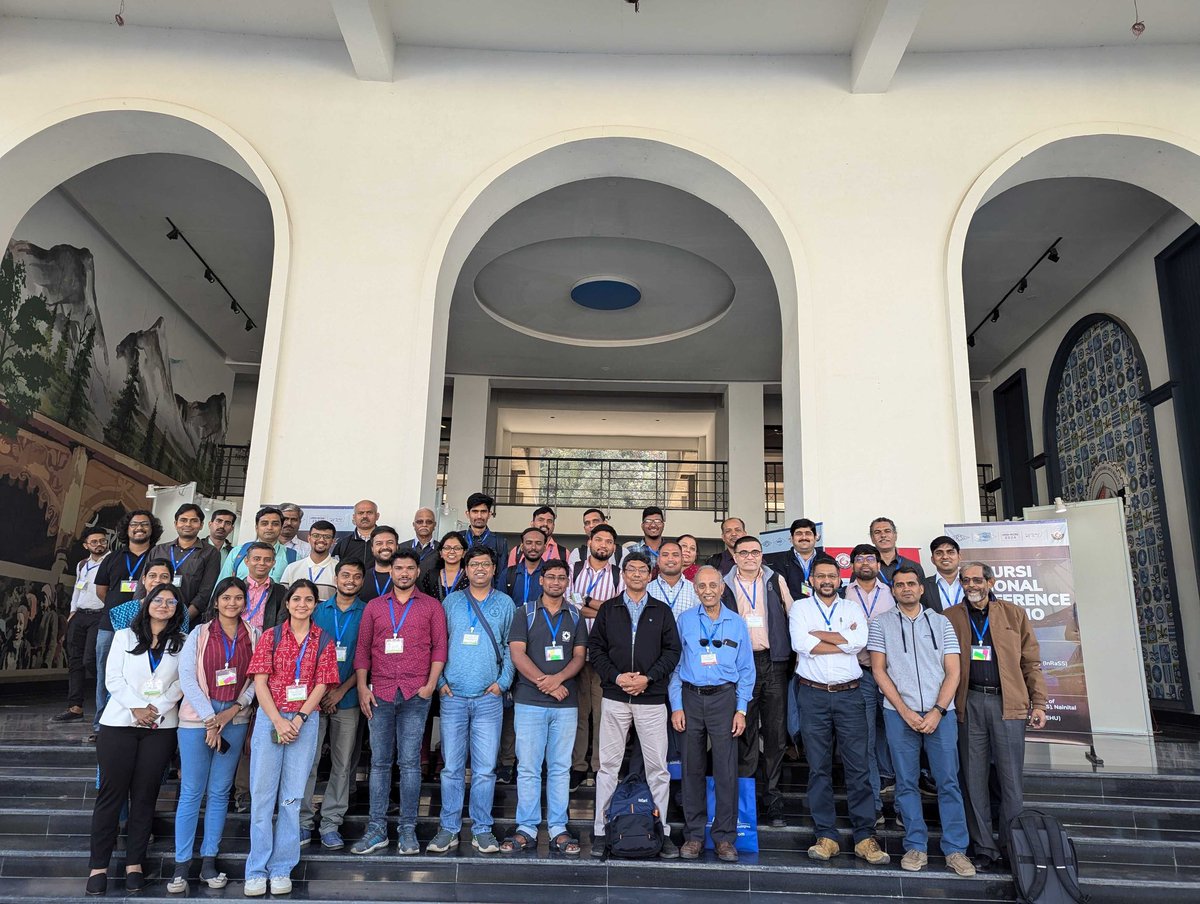
And so we wrap up URSI RCRS 2024! Both #NCRA researchers and #GMRT engineers had a large presence at the conference, presenting a plethora of talks and posters over the last 3 days.
When I first came to Bengaluru after joining @IIABengaluru , on the way from the airport I saw this sign. Through all the ups and downs, hopes and heartbreaks, this is what kept me going. THIS IS WHAT I CAME FOR.
Many wonderful experiences and learnings. Thank you and bye.
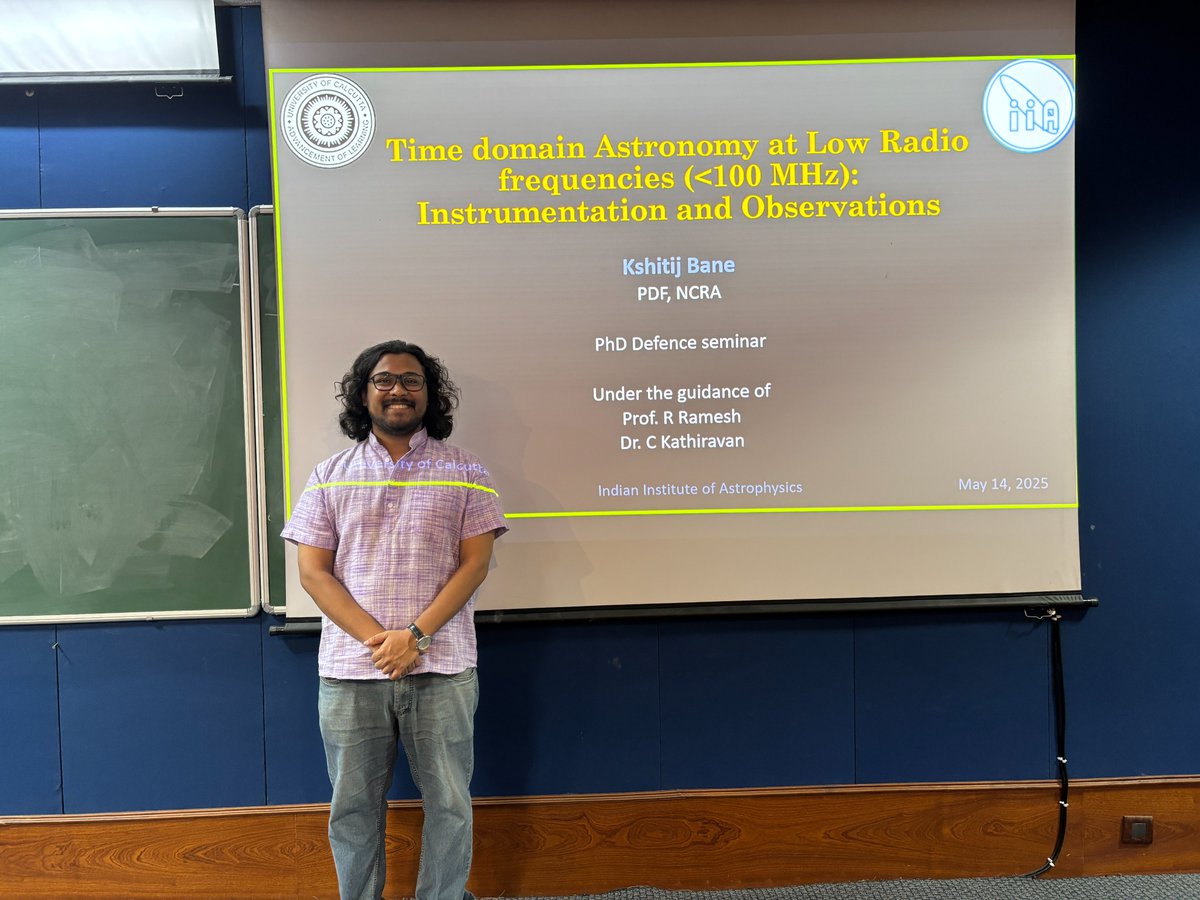
My 6 years journey at the Gauribidanur observatory ended today! Started with MTech project to develop a new Pulsar array and as my PhD ends we have the Gauribidanur Pulsar system that has detected a few pulsars! This place has taught me a lot. Thank you.
This was challenging to implement but delightful to see working!
We used 1-bit raw voltage recording to detect Pulsars by forming multiple simultaneous offline beams with the Gauribidanur Pulsar System.
https://t.co/FHCWCZ1PlO
#radioastronomy#radiotelescope#pulsars