I've noticed stress often shows up quietly before we name it: a short fuse, a foggy mind. Noticing early is a skill. What's your early sign?
Consider sharing this with someone who says they're fine.
#StressAwareness#HappierMe
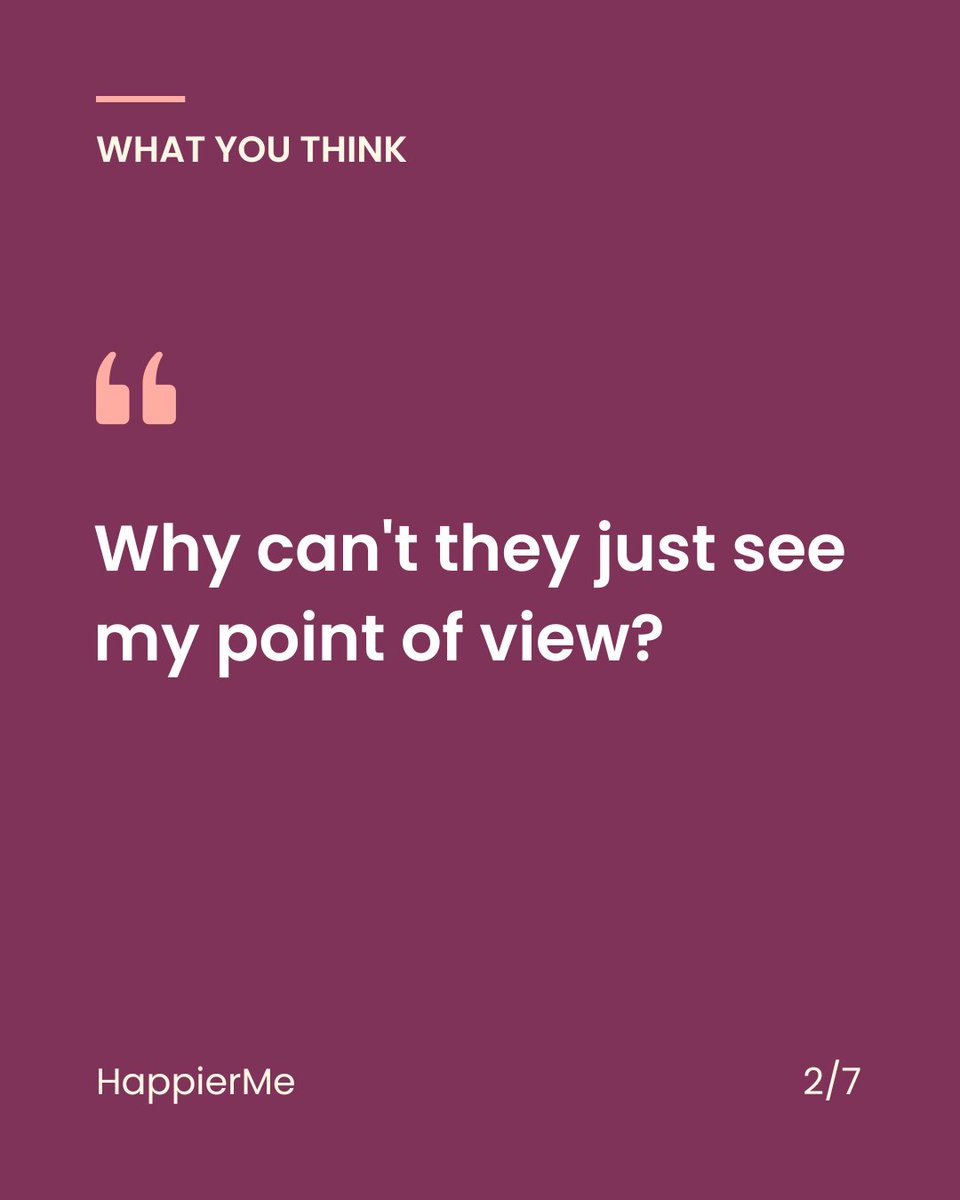
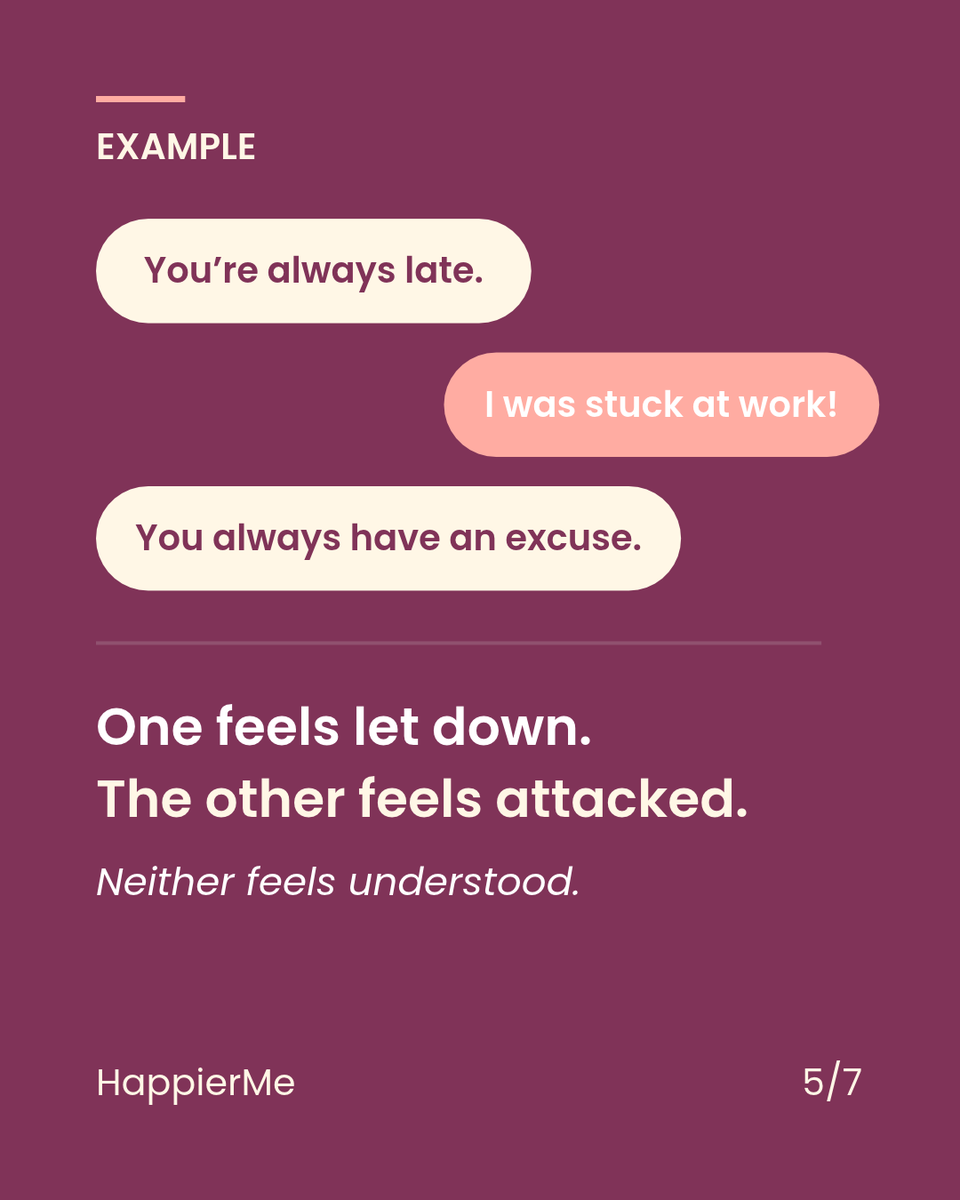
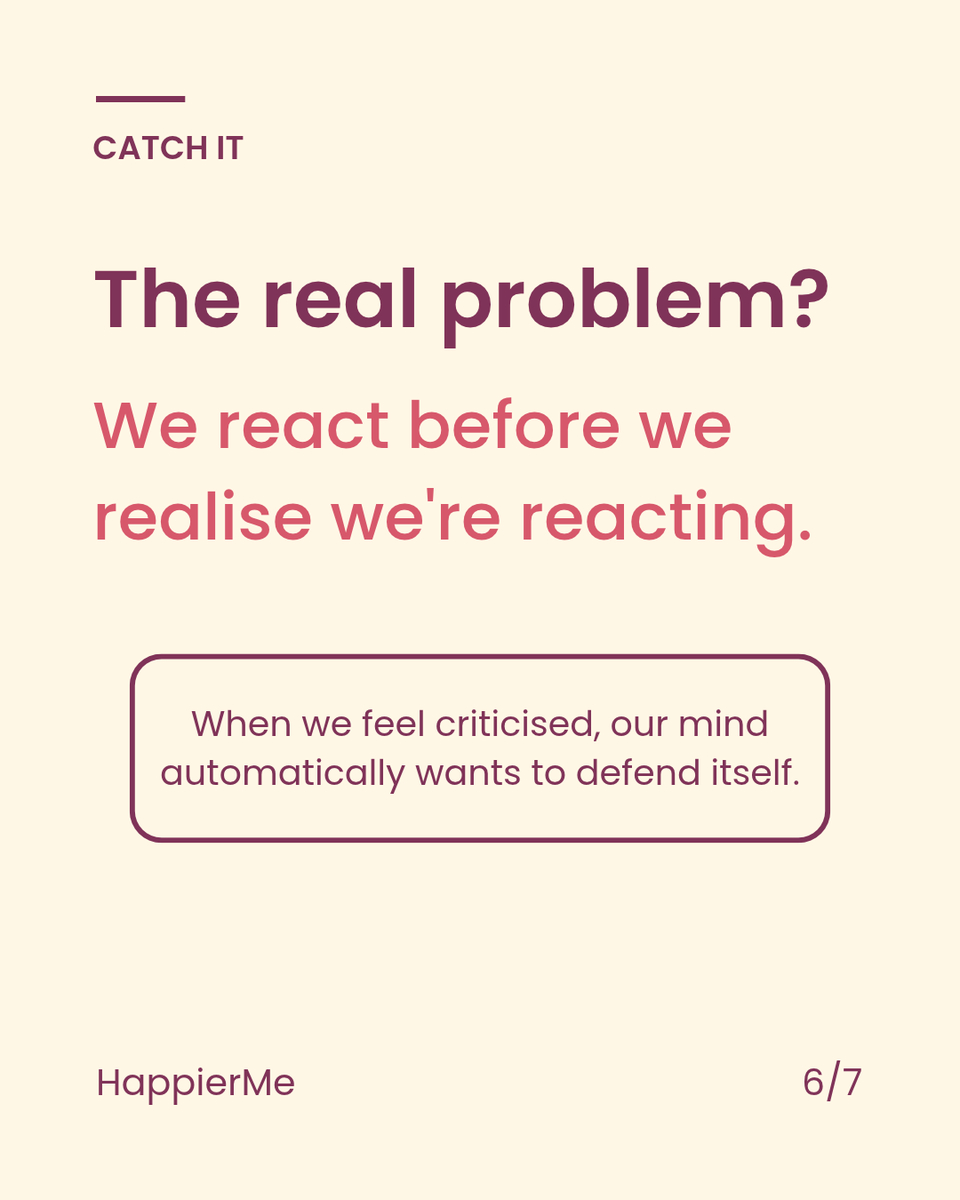
@GottmanInst your research found most couple conflicts are never fully "solved". They're managed. This post is about the same idea: the argument keeps going because nobody feels heard, not because of the original issue.
@simonsinek trust grows when people feel seen, not assessed. Swapping caution for curiosity is one of the simplest ways to show someone they're safe with you.
I've noticed that our first reaction to someone different is often caution.
I've learned it helps to notice it, then get curious. What helps you stay open?
Consider sharing this with someone who needs it.
#Inclusion#HappierMe
@mentalhealth feeling that you belong protects mental health, and it starts with how we meet people who aren't like us. Prevention begins in everyday moments like these.
@actionhappiness connecting across difference is one of the most underrated routes to wellbeing. Small daily practice: notice the caution, then ask one curious question.
@GreaterGoodSC your research on curiosity and empathy backs this up: asking one question before judging changes the whole interaction. Would love your take on what helps most.
@AdamMGrant your point that curiosity beats certainty fits here. That first flinch at difference doesn't mean we're closed-minded. It means we're on autopilot. Noticing it is where curiosity starts.
@HappierMeApp This is an important reminder that understanding the mind should be part of everyday learning, not something we explore only when life becomes difficult. @CentreforMH@TheRoyalMHC
I've noticed that understanding our own minds can ease stress and improve how we relate and decide. It's a skill anyone can learn.
In this short video, I share why I created @HappierMeApp
Consider sharing this with someone curious.
#SelfAwareness#HappierMe
@HappierMeApp Better relationships often begin with better self-understanding. When we become more aware of our own reactions, we can communicate with greater care and clarity. @LollyDaskal@FrankGQuinlan
@HappierMeApp So much of how we experience the world is shaped by the way we interpret what happens around us. Understanding that connection is a powerful starting point. @JeffreyGuterman@AmyMorinLCSW
@HappierMeApp The ability to pause, reflect and understand our reactions is valuable at every stage of life. It's something young people would benefit from learning early. @NatashaDevonMBE @PookyH
@HappierMeApp Self-awareness isn't just about knowing our strengths. It's also about recognising our patterns, understanding our emotions and learning how to respond differently. @DrShawnPark1@AllanRogers10
@HappierMeApp Emotional wellbeing starts with recognising what is happening within us. Helping more people develop this awareness could make a real difference. @DrMDolan@JonnyBenjamin
@HappierMeApp We often focus on changing our circumstances, but sometimes the most meaningful change begins with understanding our own thoughts and reactions. @Rubywax @SMartinLCSW
@HappierMeApp Understanding our own minds can change the way we respond to challenges, relationships and even everyday situations. Self-awareness is such an important skill to develop. @NiallBrez @MarkHenick