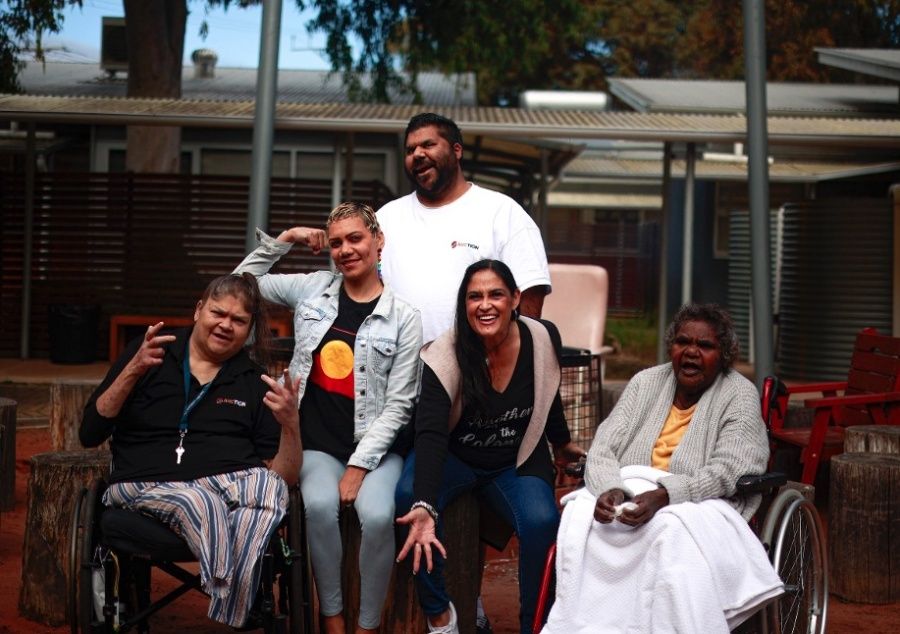
Years of conversations with the deadly Rhanee Lester and Kelli J Owen we have got to publish the importance of their strength and keep Nari Sinclairs legacy alive
https://t.co/RXpyTccPoO
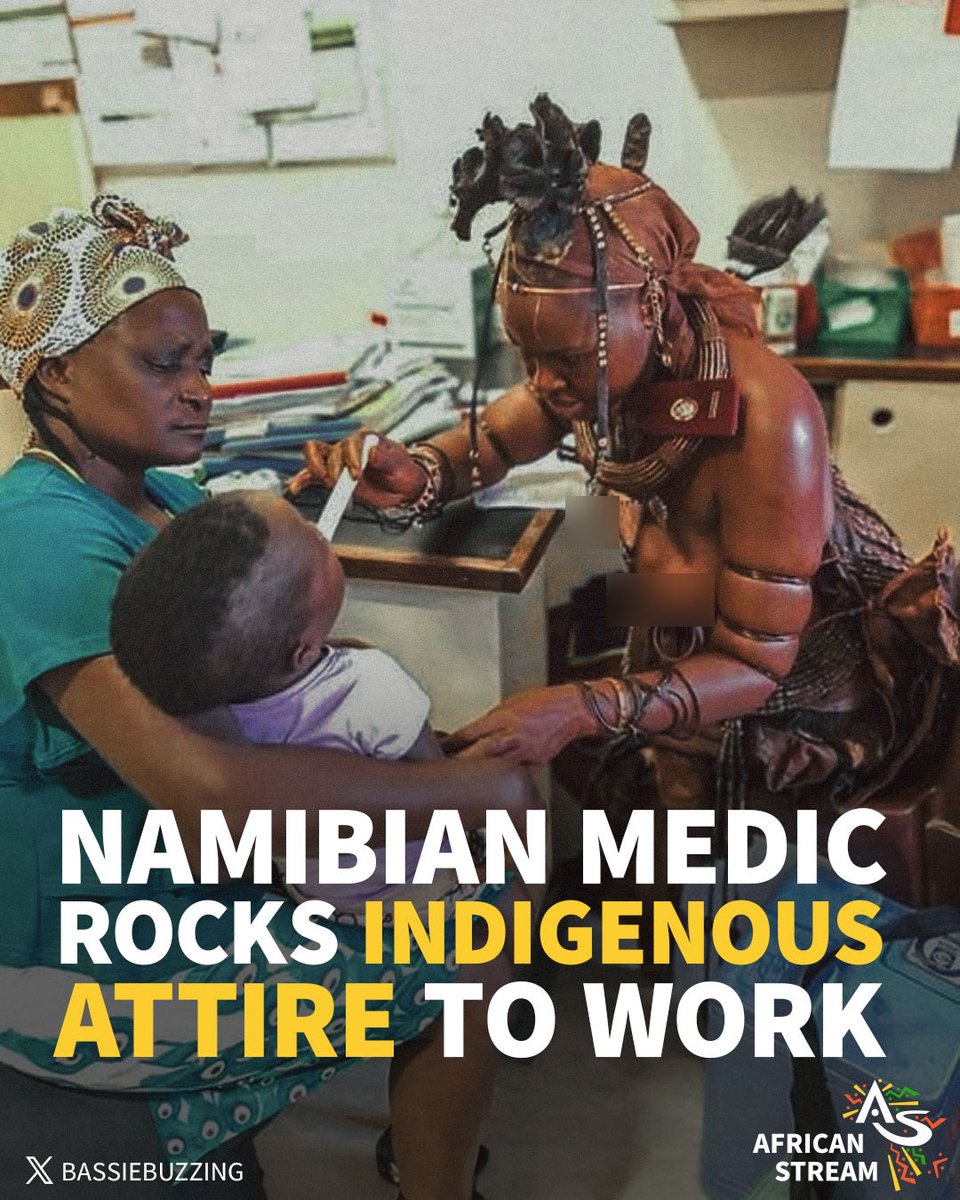
NAMIBIAN HEALTHCARE WORKER DONS INDIGENOUS ATTIRE
As part of Namibia’s 35th Independence Day celebrations on 21 March, workers were encouraged to wear traditional dress, such as this medic donning Himba attire while caring for a patient.
This proud display of culture is a form of decolonisation as colonial rule forced Western attire onto indigenous peoples while Europeans plundered our continent. The looting continues today under the gaze of Western-aligned African leaders, all while Western attire remains associated with civility and professionalism.
The Himba, a semi-nomadic pastoralist group primarily living in northern Namibia's Kunene region and southern Angola, speak a dialect of the Herero language. German colonial forces committed the 20th century’s first g*nocide by k*lling around 100,000 Herero and Nama people starting in 1904.
Himba fashion reflects their cultural identity, social status, spiritual beliefs, rites of passage, and adaptation to the Namib Desert’s extreme temperatures and aridity. The attire includes leather garments, intricate beadwork, and elaborate hairstyles coated with red ochre paste and butter fat, symbolising beauty, fertility and a connection to the ancestors. Jewellery made from beads, shells, bones, and metal also signifies social standing and life milestones, while hairstyles indicate age, marital status and community roles.
Despite modern influences, the Himba, like their ancestors, continue to preserve their traditional attire as a vital expression of their heritage, ensuring its relevance for future generations.
Photo credit: @BassieBuzzing (X)
Incredible insights from @Keliyari13 on the impactful work of the @NIKTTaskforce enhancing transplant access and outcomes for Aboriginal and Torres Strait Islander communities 👏🏽 #AustPH2024@_PHAA_
Inequity of kidney treatment within Australia — only 15 in one hundred Indigenous Australians recieve a transplant. An ongoing impact of colonisation… @NIKTTaskforce created to transform the system #AusPH2024 @_PHAA_ @_PHAA_WA
She is loved, she is missed. Amelia Fua Hausia
https://t.co/JBGiJhmB5i
National Missing Persons Week runs from 28th July to 3rd August. This years theme is "Always Searching"
"We want to invite everyone to take part in acknowledging & Caring for your Spirit from the perspective of Australian First Nations Peoples, to reimagine a healthcare system that embeds a holistic approach to health, including caring for a persons Spirit." Ping @LarnzLarnz ❤️🖤💛
I recommend you make space to read this incredible piece from @ktemplevarcoe@keliyari13@RJLester86
Deeply personal, strong in culture, clear directives, with value for all of us. @AKction2