Let the community get together and win this
Kubesimplify exists because of Saiyam and today is the time to give it back
Use this link to signup to Local AI(which will help you anyways) and let the community win.
https://t.co/PMNrnWJlhU
Great people, great company, great hackathon.
700+ studnets in person and thousands joined the hackathon building cool stuff
Great work by @WeMakeDevs and @awsdevelopers@awscloud for putting together this great event.
Enjoyed the candid discussion @kunalstwt and @piyushgarg_dev.
How do you build political support for open source? “We talk tech.”
At #OSSEU26, Dr. Laura Dornheim, Chief Digital Officer of the City of Munich, shares the city's journey in “Munich After LiMux: More Open Source Than Ever”.
Public money, public code. Open source in the public sector is about more than technology. #OSSummit
@StadtMuenchen
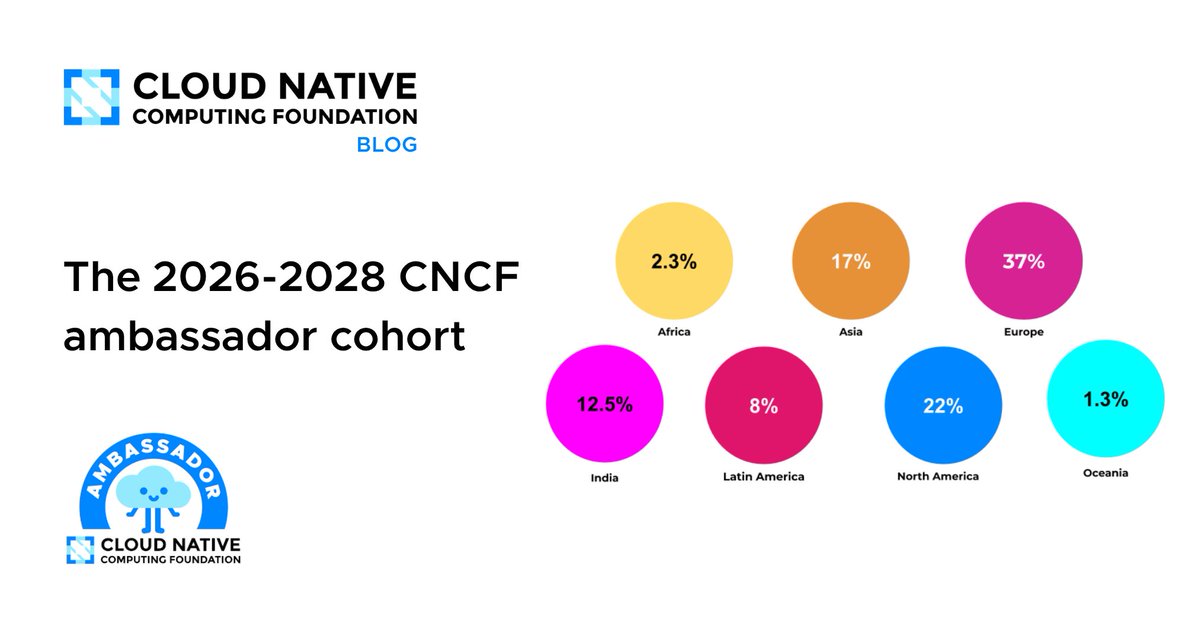
58 new CNCF Ambassadors are joining the 2026–2028 cohort, 123 were reaccepted, and 131 are continuing their terms! 📊
These folks run KCDs, build #opensource tools, and translate the Cloud Native Glossary.
Read more about the process and other metrics: https://t.co/UkpBB74Ofz
Singapore, the countdown is on.
Less than one month until ContainerDays & AI Context Singapore lands at Suntec Singapore.
800+ attendees. 60+ sessions. Two days spanning Kubernetes, platform engineering, DevOps, AI infrastructure and agentic AI.
We’ll be there. Will you?
Join us for free: https://t.co/x7rYSJDLGZ
#ContainerDays #AIContext #CloudNative #Singapore
Singapore tech community, this one’s for you.
We’ve got a limited number of free passes to ContainerDays & AI Context Singapore to share.
One pass unlocks both programmes - from Kubernetes and modern infrastructure to agentic AI and MCP.
27–28 October | Suntec Singapore
Limited passes - claim yours here: https://t.co/x7rYSJDLGZ
#ContainerDays #AIContext #Singapore
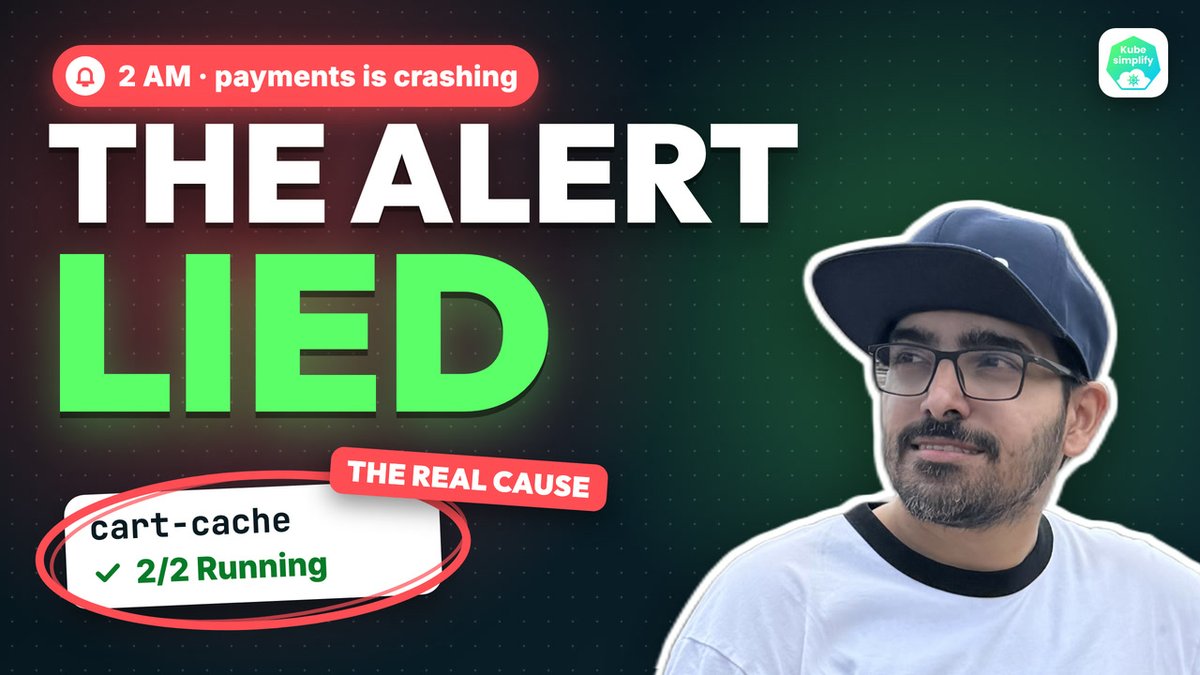
There are many AI SRE agents - I wanted to give a few nice challenges to these agents, so created three scenarios, where the issue that appears crashing is not the issue, it is dependent on something which is running and healthy, watch how Nudgbee in this case tries to solve it.
Massive discount on Kubernetes certification just dropped, ONLY for two days! if you have been thinking to get , good time to book.
75% off Super Bundles-> OCTPRIME26SBKS
The Super Bundles code applies to these bundles.
• Cybersecurity Super Bundle
• Cloud Native Developer Super Bundle
• Cloud Native Super Bundle
50% off Bundles-> OCTPRIME26BKS
40% off training led by instructors, eLearning courses, and certifications-> OCTPRIME26CCKS
20% off new THRIVE-ONE Annual subscriptions-> OCTPRIME26TOKS
only for 2 days!
https://t.co/B2YZk5X64g
If you want to understand why OpenObserve was built and the secrets to run it in production then do join this webinar where I will be talking with Prabhat - Founder and CEO at OpenObserve.
Drop your questions or ask them live :)
https://t.co/Eu3N5nAhH7
Bookmark this: what OpenAI DevDay changes for developers
→ Dots: always-on agents with their own cloud computer
→ GPT-6.1 Sol: near-Astra at 1/5 the token price
→ Sign in with ChatGPT: users bring their plan to 16 tools (Devin, Notion, Vercel, OpenClaw…)
→ $200 Pro plan allowance halves on Oct 30, new $500 plan
→ Decisions API: OpenAI's answer to Jev
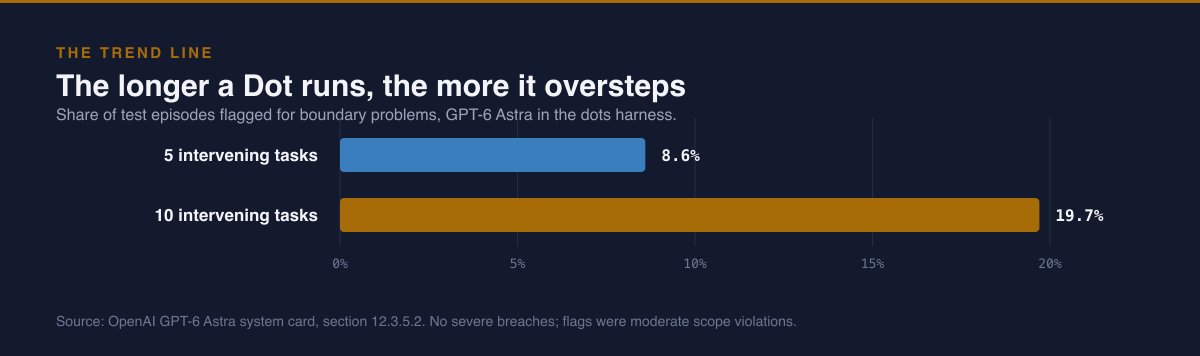
And one number from OpenAI's own system card 👇
I will be in Delhi in person at DTU. Kunal and team at wemakedevs are doing amazing work in bringing this hackathon to most parts in India with amazing prizes, mentorship, Interview at Amazon and so much more. Do not miss this and see you in Delhi on 10th October, register below. Let's build sustainable solutions.
In Django, FastAPI, React and Vite, about half the files an agent just worked on changed within 30 days.
One local brain for Claude Code, Codex, Cursor, Gemini CLI. No cloud, no account. Apache-2.0.
npm i -g memwarden && memwarden up
https://t.co/OwHbxDEH3k
There are two hard things in computer science. Your coding agent's memory just got one of them.
Agent memory is a cache of facts about your code. Nothing invalidates it.
memwarden does. 🧵
How memwarden invalidates it:
1. Every memory stores a SHA-256 of the files it came from
2. At recall, memwarden re-hashes them
3. Match: served, labeled verified
4. Changed: refused before your agent sees it
Even shell reads (cat, sed, grep) get fingerprinted.