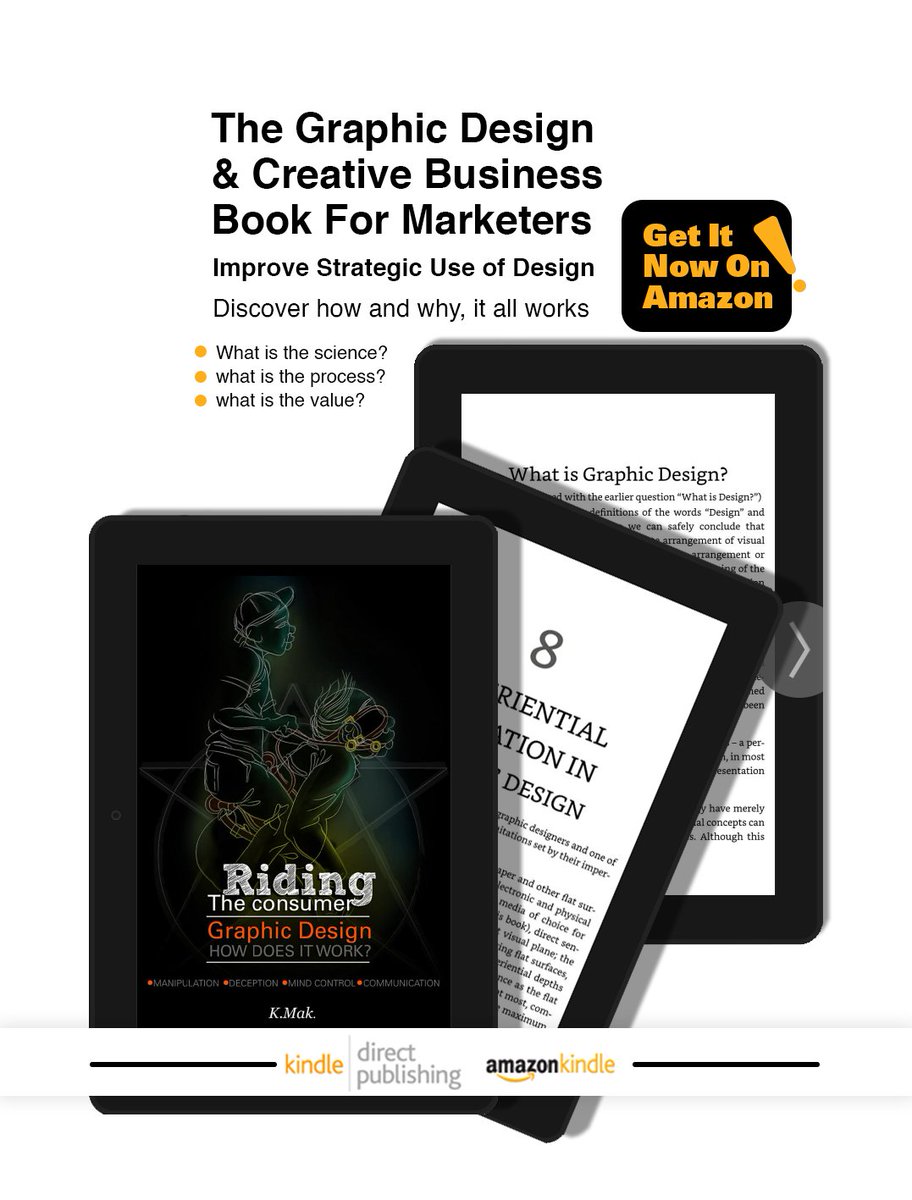
Generative AI is the ultimate DIY tool, but it has brought us to a dangerous baseline: aesthetic perfection is now cheap, and brand homogenisation is the new risk. The true cognitive gap in modern marketing isn't execution—it’s strategy. Riding the Consumer transforms creative direction from an abstract art into a rigid business framework. You will learn not just how to build an image, but the science of why it works, giving you the power to capture attention and drive undeniable ROI.
Our Creative Economy is growing at breakneck speed, but it’s missing a crucial foundation: homegrown, professional frameworks. For the past 6 months, I’ve been distilling over 3 decades of industry practice into the systems and strategic guides needed to fill this exact gap and scale our creative potential.
The energy you are building around the Creative Economy is Exciting!
The Creative Economy is a massive economic driver, yet it is often misunderstood. I have engineered specific tools and frameworks to decode the structural realities of this space—translating abstract creativity into systematic innovation and scalable science.
@AfricaCreAlli The Creative Economy is a massive economic driver, yet it is often misunderstood. I have engineered specific tools and frameworks to decode the structural realities of this space—translating abstract creativity into systematic innovation and scalable science.
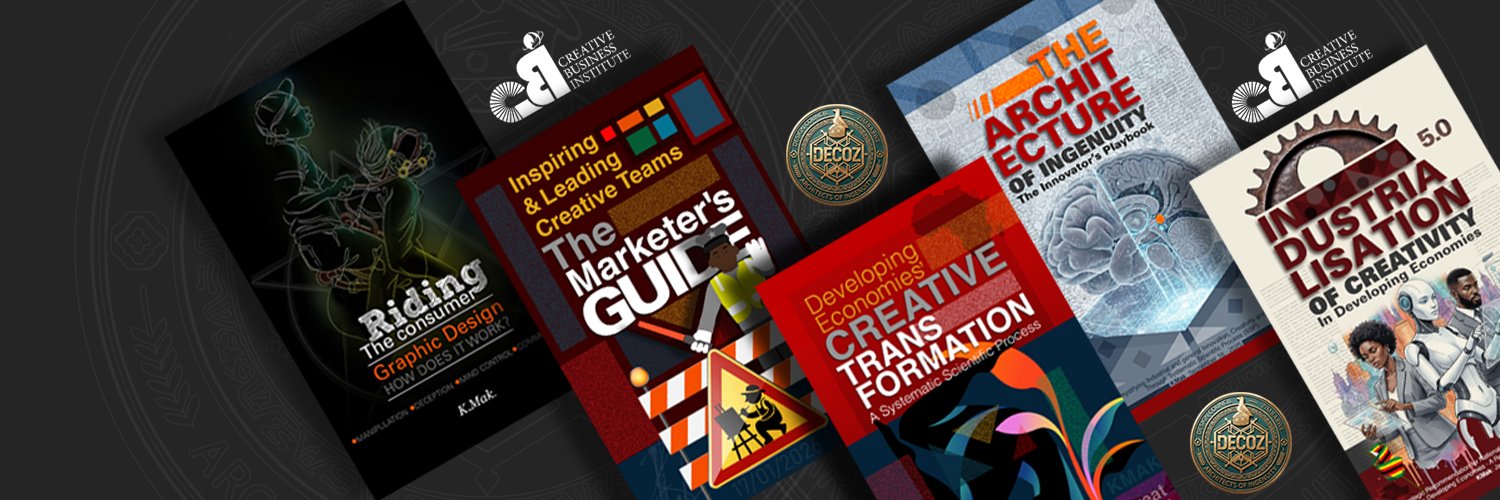
Brilliant initiative. Accelerating Southern Africa’s creative economy requires a definitive shift from purely expressive disciplines to applied, industrial creativity that drives tangible GDP growth. I explore these exact practical solutions and frameworks in
* The Architecture of Ingenuity
* Creative Transformation, and
* Industrialisation of Creativity in Developing Economies.
Let’s connect—they would make a powerful, actionable addition to the delegates' resource package.
The Creative Economy is a massive economic driver, yet it is often misunderstood. I have engineered specific tools and frameworks to decode the structural realities of this space—translating abstract creativity into systematic innovation and scalable science. @naczzim@MinSport_ArtsZw
It is so refreshing to hear a fuller perspective on the Creative Economy. Entertainment is just a fraction of the ecosystem. This space is incredibly diverse, and the true engines of GDP growth aren't in the performance or cultural sectors at all. The real heavy-lifters are deeply embedded in the industrial, technological, and cognitive infrastructures that drive modern commerce. @naczzim@MinSport_ArtsZw
@baba_nyenyedzi And what is that meant to do for local innovation, industrialisation and global competitiveness? We are already fluffing around, what more when we are shielded from competition?
@NightSkyToday Depends on the purpose of the meeting and whom they have representing them on their side. But assuming a well intentioned meeting for mutual advancement of the species, it must be netheir a politician, religious leader nor an oligarch. It would be unwise to send the most corrupt
@baba_nyenyedzi This is not the first time the world has been sold the story of a better world for mankind than the one we already inhabit. Proceed with caution.
The proposed Local Content ACT is a vital step for Zimbabwe, but it must come with a strict "like-for-like" quality requirement. Otherwise, we risk railroading our people into accepting substandard goods and a curtailed quality of life.
Local content should absolutely be promoted, but we must remember that the true impetus for maintaining quality standards is the threat of competition. With our NDS2 ambitions for global competitiveness, pressure from imported goods is exactly what primes our local producers for the international stage. Only high-quality products deserve market protection.
Historically, insulated markets have bred systemic complacency—this lack of domestic innovation is precisely what created the vacuum for imports in the first place. We must be careful not to sabotage our global ambitions by shielding local industries from the very competition they will inevitably face abroad.
Competing locally against imports is an opportunity for benchmarking, reverse engineering, and preparation as Zimbabwe's industries gear up for the global stage. It is not a threat—it is an opportunity.