It’s only been a few hours since the first viable Muslim
Senate candidate won a primary and his GOP opponent is already running ads featuring Osama bin Laden and 9/11.
The Islamophobia over the next few months is gonna be vicious.
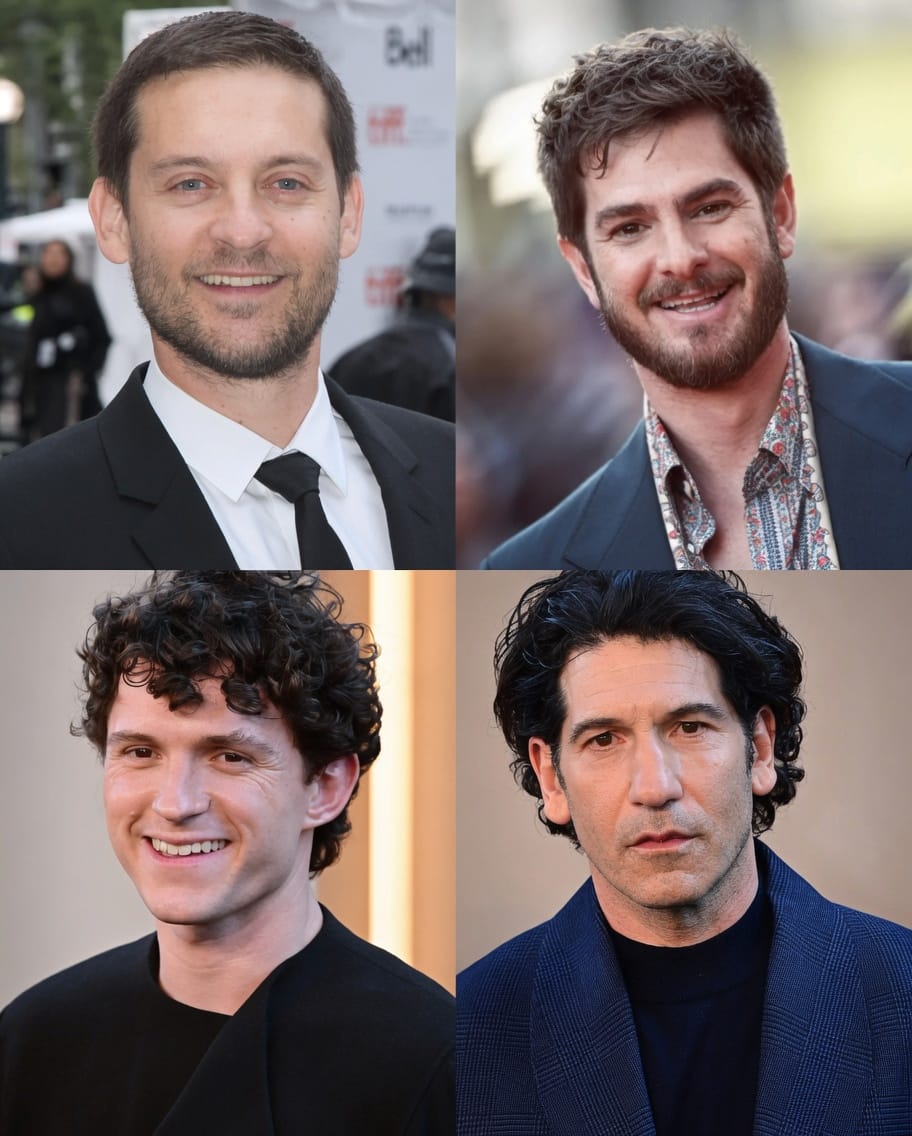
I’m sick and tired of the “physics” argument to criticise comic book movies. The man can shoot webs out of his wrist I couldn’t care less about the physics of it
Maybe they should have some kind of school where people like Jean can learn to have more responsibility with their powers
Some kind of institute for gifted youths
IRAN: Why Peace with Trump Is Far from Reality
A diplomatic relationship marked by coups, embassy invasions, sanctions, public threats and assassinations was always going to drive militarization on both sides. For decades, Iran and the United States, aligned with Israel, prepared for confrontation.
Although a diplomatic channel existed between Iran and the United States that, on more than one occasion, coordinated mutual attacks for domestic consumption, Netanyahu’s policy hardened the dynamic. An attack without the usual theatrics became reality.
The core demands of the United States and Israel were clear: dismantle the nuclear program under IAEA inspections, dismantle the missile program, and end the financing and support for regional militias.
On 25–26 February, Araghchi told the press in Geneva that a historic agreement to avoid war was within reach. He did not mention the impasse still sitting on the table over the key points.
On the first day of the air campaign launched by the United States and Israel, Iran’s Supreme Leader, Ayatollah Ali Khamenei, was killed in Tehran.
Several members of his family died in the same strike on the residential compound: one of his daughters, his son-in-law, a granddaughter, and one of his daughters-in-law, the wife of Mojtaba Khamenei, who later became the new Supreme Leader.
The fact that the coalition killed Mojtaba’s wife received little attention, yet it would inevitably weigh on any future negotiation. Peace is not built on the assassination of political leaders and their families.
Even after the heavy blow to the command structure, Iran accepted talks in April through intermediaries such as Pakistan and Oman.
That produced a temporary truce and, later, the June understanding.
Throughout the conflict Trump declared the war won, or practically won, on at least 32 occasions, according to NBC News. Only ten days after the operation began he held a press conference in Florida and stated textually: “The war is very complete, practically finished.”
In late March he gave precise numbers, claiming publicly that 90 percent of Iran’s missiles and launchers had been knocked out and destroyed. In mid-May he updated the figure for the press, this time saying 82 percent of all their missiles were gone.
Yet the Strait remained closed.
In April he publicly instructed the U.S. Navy to “shoot and destroy every single Iranian fast boat if they harassed our ships at sea.” The order itself proved that Iranian naval forces remained highly active, exactly as I reported many times.
Also in March, CNN noted that Trump contradicted himself within a few hours, first accusing Iran of attacking a school on its own soil and then walking it back, admitting the evidence was generic. In July the Irish Star recorded four crude contradictions about the terms of a peace negotiation in a single Fox News interview.
Donald Trump announced or falsely suggested that a deal with Iran was already sealed, pre-approved or imminent on at least 38 different occasions throughout 2026, according to tallies by international agencies and CNN.
More recently, on 22 July, after signing a historic nuclear cooperation agreement with Saudi Arabia, Trump, within less than 24 hours of the official celebration, radically altered the understanding of the pact, adding further clauses and generating enormous confusion.
This is without counting how many times he claimed the Strait was open while ships were still being hit.
Even with the MoU, right after signing, Trump declared that the agreement guaranteed the end of Iran’s nuclear program and the complete, free opening of the Strait of Hormuz.
The document later leaked by NPR showed it was only a temporary 60-day ceasefire to open a window for negotiations.
Read more:
https://t.co/0CYZeJA9hf