@Crazyunfill94 There are no refugees from the Middle East, Pakistan, Bangladesh, Nepal and many of the African countries coming to Japan. They are coming on the proper visa and then declare refugee which I have witnessed personally many times.
Japan deported a 15-year-old girl from the Middle East along with her parents after rejecting their asylum claims.
The family had lived in Japan for more than 10 years. They applied for asylum three times; all applications were rejected.
They were living under provisional release allowed outside detention but barred from working.
When the family went to the Nagoya Immigration Office for asylum-related procedures, authorities detained them on the spot.
They were then taken home, given roughly 10 minutes to pack, and put on a plane the same night.
The deportation was carried out under Japan’s current law. The 2024 revision allows removal of people on their third or subsequent asylum application.
The Japanese government has also set a goal of halving the number of people with final deportation orders by 2030.
Brasil, me ajuda!! 😭🚨
O Japão acabou de aprovar na Câmara um projeto que permite à polícia invadir celulares remotamente.
Só o Partido Comunista Japonês votou contra.
Você confiaria na polícia com acesso ao seu celular?
Assista com legendas 👇
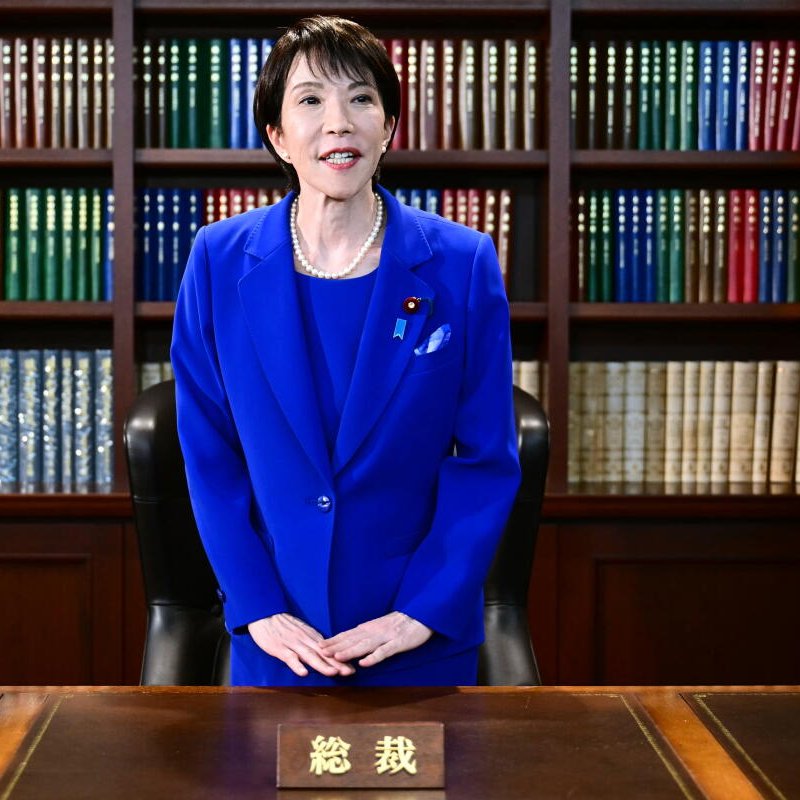
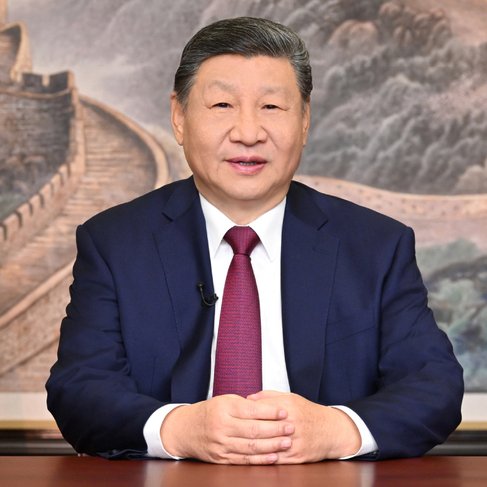
🇨🇳🇯🇵 Japan’s PM is heading to China for APEC hoping for a handshake: However, every major leader may get a meeting with Xi except her
On the 18th and 19th of November, China hosts the APEC leaders’ summit in Shenzhen.
Diplomatic sources told Kyodo that Japan’s Prime Minister Sanae Takaichi is likely to be the only leader among the major participants who does not get a formal meeting with Xi Jinping.
Tokyo is now hoping for a handshake at best.
None of this happened by accident.
On the 7th of November last year, Takaichi told Japan’s parliament that a Taiwan crisis involving “warships and the use of force” could be a “survival-threatening situation” for Japan.
That is the legal trigger for Japan’s military to join a war.
Abe never said that as prime minister. Kishida would not say it either.
China’s ambassador to the UN called it the first time since Japan’s defeat in 1945 that a Japanese leader had threatened force against China in an official setting.
A year later, she still has not withdrawn it.
In 1972, Japan signed a joint communique with China.
It said Japan “fully understands and respects” China’s position that Taiwan is an inalienable part of its territory. Japan also said it deeply reproached itself for the damage its war caused the Chinese people.
That was not a suggestion. It is the foundation of the whole relationship.
China has not just talked. It has acted.
It warned its citizens against travelling to Japan, and about 491,000 tickets were cancelled. Japanese seafood imports stopped. Dual-use exports to Japan’s military were banned. Chinese visitors to Japan fell 55.5 percent in the first nine months of this year.
Meanwhile, Tokyo has kept going.
This week, it signed a ¥4.3 billion deal to give the Philippine military coastal radar and drones. It is considering raising its five-year defence budget to as much as ¥80 trillion. In August, Takaichi sent an offering to the Yasukuni Shrine, which honours 14 Class-A war criminals.
China’s Foreign Ministry put it simply: “The current serious difficulties in China-Japan relations are entirely the responsibility of the Japanese side.”
Western media will call this a snub.
It is not a snub. It is a consequence.
Why should China roll out the red carpet for a leader who will not honour the agreement her own country signed?
Around 80 Kurdish people living in Kawaguchi City, Saitama Prefecture, Japan, held a press conference expressing their fear of being sent back to Turkey under the revised immigration law.
Among them are several people whose refugee applications have been rejected multiple times, yet they still want to remain in Japan.
The Japanese government has launched the ��Zero Illegal Stay Plan” to deport foreign nationals residing in the country illegally and crack down on illegal stays.
As a result, the illegal Kurdish residents living in Kawaguchi are now afraid of being sent back to Turkey.
During the press conference, Kurdish residents said that if they were deported to Turkey, they could face serious difficulties there.
During the event, a child said, “If we are sent to Turkey, our parents will be arrested right at the airport. We want to stay in Japan. Please help us.”
How long will people whose refugee applications have been repeatedly rejected continue demanding to stay in Japan?
A Muslim in Japan says that Japanese society has many weaknesses.
“People here do good deeds out of fear of what others will think, not for the pleasure of Allah. That’s why problems like suicide are on the rise in Japan. Islam can free Japan from these problems.”
Those whose ideology and system are linked to most of the countries that are today suffering from civil war, poverty, extremism, and intolerance are now teaching Japan how to live.