Sebenernya love-hate relationship sama 🇯🇵. Kalau bahas hal2 yg “love” adalah salah satunya national health system di sini bagus dan murah. You can go to any clinic, any doctor, anytime you want.
Sebagai orang yang sering berobat, terbantu bgt.
Ya memang, di jepang murah krn pakai asuransi kesehatan. Tapi sayangnya beberapa treatment ky fisio lutut gue, akupuntur syaraf kejepit gue itu di jkt gak bisa dicover bpjs. Jd gue agak khawatir nih pas balik jkt.
Jadi kapan nih demo nya? Pertamax udah Rp. 16250 , 1 usd = Rp. 18200, dan ihsg di all time low
Ini udah JAUH LEBIH PARAH dibanding 98 tapi masih belom ada yg mau demo???
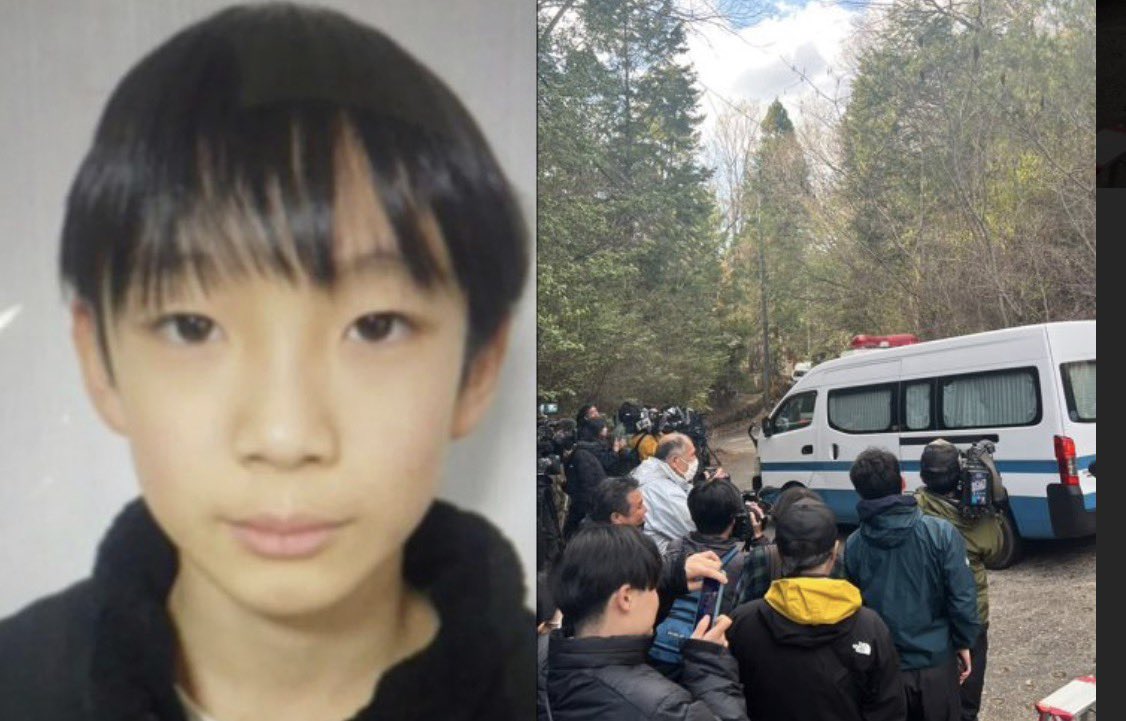
A sad thing happened in Japan
An 11-year-old boy named Yuki was reported missing in Kyoto.
His stepfather was out on the streets, handing flyers to neighbors, asking for help finding him.
This week, that same stepfather was arrested.
He has reportedly told police he “lost his temper and strangled” Yuki, then dumped the body in a mountain forest.
The boy’s mother, by every account, believed him until the end.
This is where most people will stop reading, and this is exactly where the harder conversation should start.
Japan has a quiet, persistent problem that rarely makes it into the English-language conversation about this country: children living with stepfathers or their mother’s new partners are overrepresented in serious child abuse cases.
In Japan, when child abuse crosses into criminal prosecution, around 72% of offenders are “father figures” — and within that group, over a third are stepfathers, adoptive fathers, or the mother’s live-in boyfriend.
Given that stepfamilies make up only around 7% of marriages in Japan, that share is not small.
Child welfare data tells a similar story, case after case — sustained beatings, torture, sexual abuse, disposal of bodies.
It is not that stepfathers are monsters. Most are not.
It is that a country that treats family as a private black box — where divorce still carries stigma, where mothers are often financially cornered into remarrying, where schools and neighbors are trained not to intrude — systematically fails to see the children inside those homes until it is far too late.
Yuki’s mother handed out flyers next to the man who now says he killed her son.
Japan just began allowing joint custody this month, after decades of delay.
But the harder reforms — mandatory home visits, real authority for child welfare workers, serious screening around non-biological caregivers — are still stuck.
This is not an abstract policy argument. It is the difference between an 11-year-old going to school next week, and an 11-year-old becoming a headline.
Rest in peace, Yuki.
Naik FDA kok kerasa bgt ya goyang2 belok2nya. Dari sblm terbang anjir dari masih di ground ky tiba2 goyang tu pesawat ky ban slip anjayy🤣 agak mengocok perut pas mau landing goyang bgt gue mual ga nyaman rasanya kaya naik adam air ps kecil.