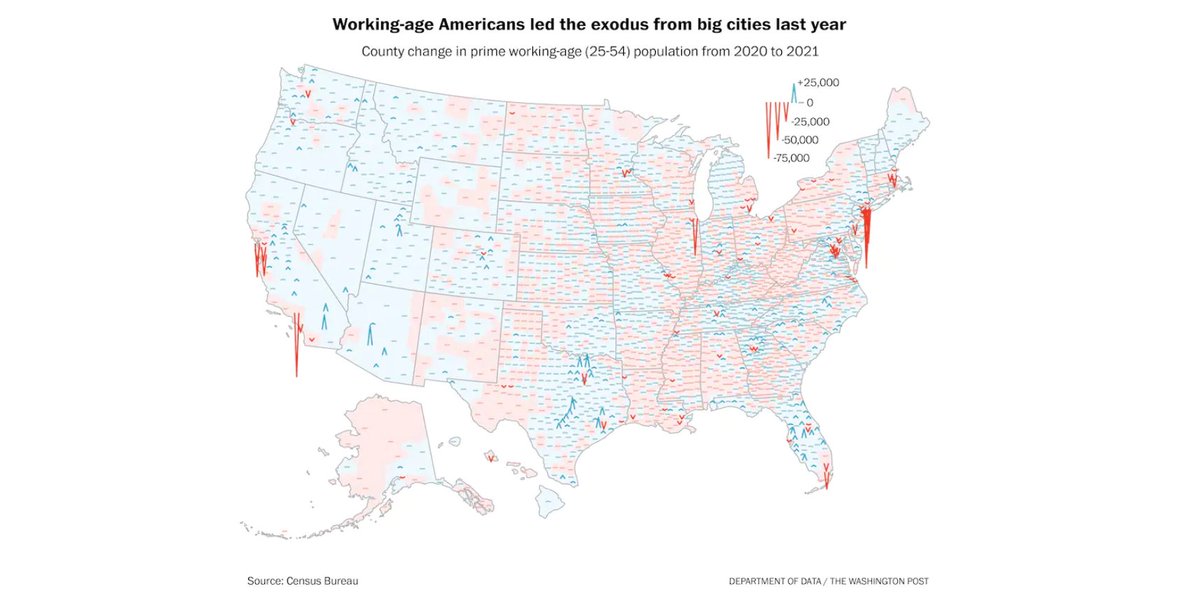
A big part of the story of Carmel, Indiana is "state capacity." Carmel focused on building a high capacity city government that can build things, deliver services, and effective administer its territory.
State capacity is partially about money to be sure. Carmel's tax base and willingness to invest plays a key role here.
But it's much more than that too. Brainard tells the story of how, when he took over, there was little administrative infrastructure in the city. In addition to things like roundabouts, he had to build that out.
The city built out institutions like the CRC and captive CDCs, and staffed them with high caliber, competent people who could get things done. The city has in general done a great job of hiring good people.
The city also has to stay on top of operations. Nothing is more natural than for employees to cut corners or do the minimum. In every business making sure the work is done right and on time is a key part of what managers do. Carmel's departments have been managed well, which is why the trash in the median gets picked up on a regular schedule, the landscaping is properly cared for, etc.
Also, nothing is easier or more tempting than for governments to skimp on maintenance to save a buck. While I have concerns about he long term maintenance tail on some of these projects, Carmel has maintained things that were were built early in Brainard's tenure, such as the Old Town streetscapes. Hazeldell Road looks better today than it did when it was first turned into a boulevard over 20 years go.
And state capacity involves the will to administer. One reason people drive like maniacs is that there's been a significant draw down in traffic enforcement in the wake of George Floyd. Carmel never did that. Carmel PD is out there every day writing tickets on Keystone, for example. They are enforcing school zone speed limits. In my view, there might actually be too much enforcement here in ways that could easily burn the city at some point. But law and order has not been a dirty word in Carmel.
Money, institutions, competent staff, aggressively managed operations, doing the maintenance work, and enforcing the law are all part of the pack of state capacity for a municipal governance.
The city of Indianapolis by contrast lacks state capacity. Part of this is because of the fiscal strictures imposed by the state, which have been ongoing for decades. But part of it was a philosophy that relied on the civic sector rather than government to lead. Also, the Democratic line that the origin of the city's capacity woes is Stephen Goldsmith's gutting of city agencies in the name of outsourcing is exaggerated but not without some basis in fact. The city of Indianapolis pays extremely low wages, and as a result can't hire top talent in most cases. It lacks both the capacity and the civic will to enforce the law. It does not have the ability to administer its very large territory. As a result, the city can only take on special projects here and there. They've become completely dependent on outside groups to do things, the Cultural Trail being a great example.
In my view, rebuilding the state capacity of the city of Indianapolis is the key long term to do. This will be extremely difficult to do, thankless, and with no political rewards. I don't see anyone focused on this. Hence, I don't see it happening in the near term.
Suburbs as well need to zealously guard and build up their state capacity. Its lack is part of what fuels a loss of trust in government, and hence makes it even more difficult to recover once it's gone.
If you aren’t using chatGPT to solve your GIS data and formatting needs, you should try! python label expressions, SQL expressions for definition queries, field calculator expressions…
The black and white sketch that shows the original extent of the works is from a survey published by Squier & Davis in 1848.
Source: https://t.co/AzmG7dtlti
The Octagon and Great Circle are remnants of a vast complex of mounds that existed in #LickingCountyOhio - once the largest set of geometric earthworks in the world.
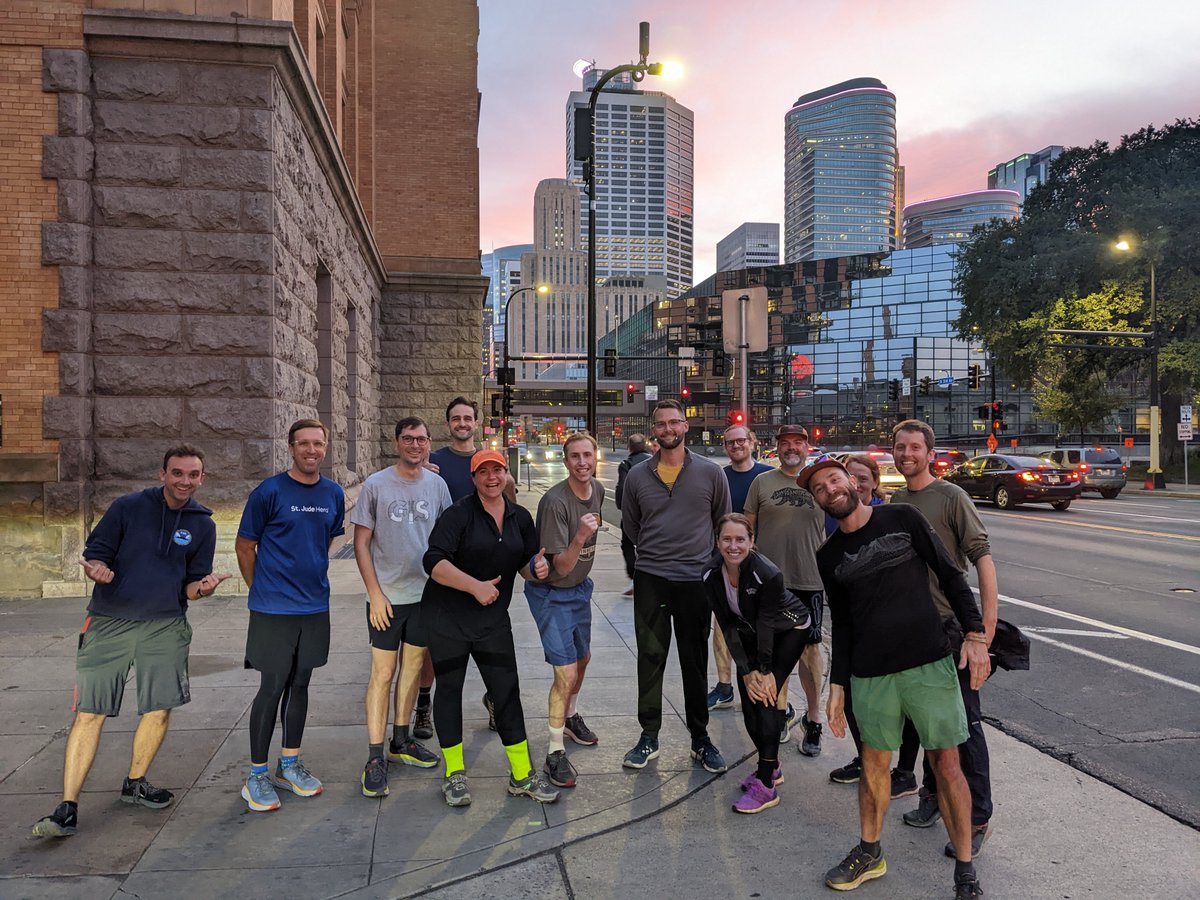
What an incredible experience at #NACIS2022. So much talent in this group. I’ll be searching for that first-day, PCD energy high until the next meeting in Pittsburgh!
📢 Attention all map makers!!
We are excited to formally announce our 2022 conference!!
The meeting will be held Oct. 19–22 in downtown Minneapolis. Visit https://t.co/u6z0PCajpv to submit an abstract, apply for a travel grant, and book your hotel room. #nacis2022











![kyleschaper's tweet photo. #NACIS2022 in Minneapolis =] https://t.co/jQnJPT1onN](https://pbs.twimg.com/media/FfbiBAdXkAE_oqj.jpg)