Hello,
NOAA is hiring a Data Manager here in Boulder, Colorado. The position requires experience in web development and programming. Please forward to anyone you think would be a good candidate.
https://t.co/Zy5CHOrKBH
Burning fossil fuels adds carbon dioxide to the air, but Earth’s natural carbon sinks, like forests, soil, grasslands, and the ocean, can absorb some of it. NASA’s OCO-2 and 3 measure CO2 and help us better understand its sources and sinks.
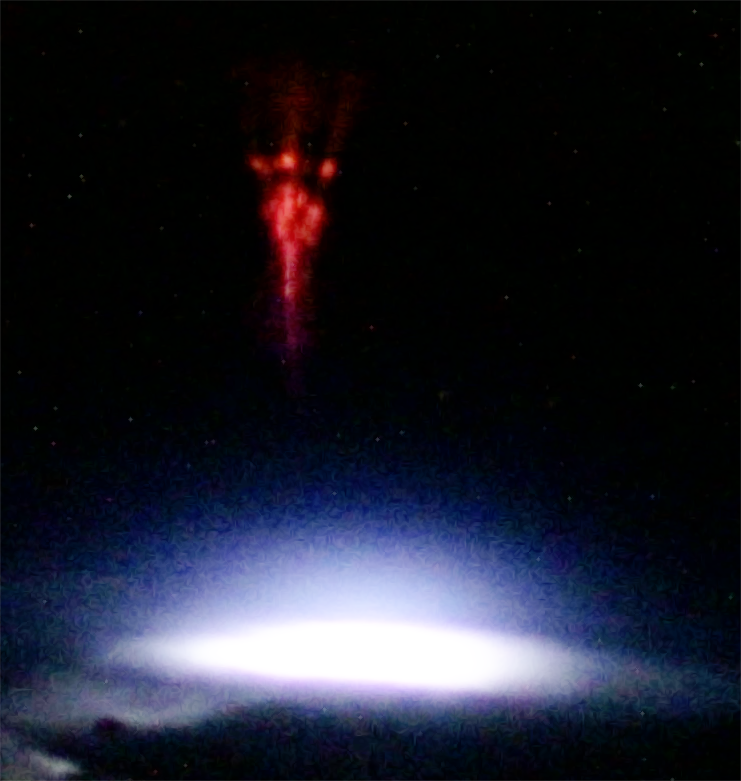
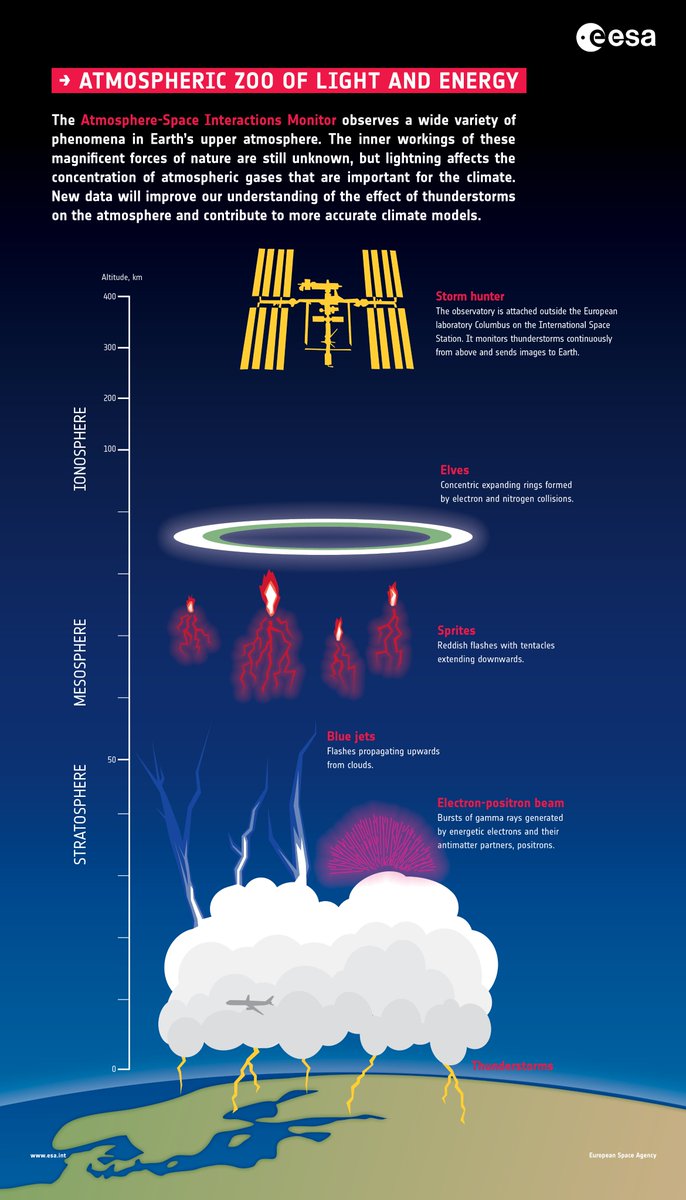
Lightning goes both ways - down to strike the Earth and up towards space. Amazing photo of a red sprite above a storm, by @Astro_Andreas.
Details, including gif: https://t.co/1VAmGjcjlY @esa
What a gem!
NASA’s EMIT produces the first global maps of surface minerals in Earth’s dry regions. The maps show the precise locations of 10 key minerals based on how they reflect or absorb light, helping scientists understand their role in climate change https://t.co/nxiHeYQD1Y
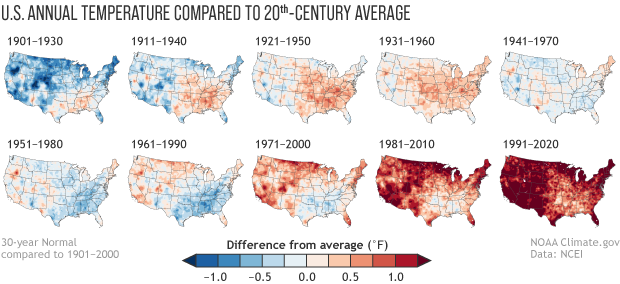
As earth’s temperature increases due to human-caused climate change, temperature extremes change too. Another sign of our warming world: heat waves are happening more often, and lasting longer. #EarthDayNOAA#EarthDay2021#EarthDay https://t.co/aeFInxJu35
We explore Earth more than anywhere else in our universe, but we still have so much to learn. Here’s how we are #ConnectedByEarth. Each line represents a current JPL Earth science mission and its primary area of focus. Join us for #EarthDay: https://t.co/WMRSsickgr
Happy #EarthDay from all of us at https://t.co/OBr0sjrZ3l! Today, we’re going to highlight some of the ways that we know our planet is warming. Check back every hour for a new a sign! #EarthDayNOAA#EarthDay2021
https://t.co/UbyR7gmllA