“In order to make people equal, you have to treat them differently. If you treat people alike, the result is necessarily inequality.”
— Friedrich Hayek
Milton Friedman decía que el gobierno debía limitarse a cuatro funciones esenciales:
1. Defender el país contra enemigos extranjeros
2. Proteger a los ciudadanos individualmente
3. Definir las reglas del juego
4. Contar con un sistema judicial para resolver disputas
“Jefferson, Washington, Samuel and John Adams, Madison and Monroe, Benjamin Franklin, Tom Paine and many others; we have before us a list of at least ten and maybe even dozens of great political leaders. They were well educated. Products of the European Enlightenment, they were students of history. They knew human fallibility and weakness and corruptibility. They were fluent in the English language. They wrote their own speeches. They were realistic and practical, and at the same time motivated by high principles. They were not checking the pollsters on what to think this week. They knew what to think. They were comfortable with long-term thinking, planning even further ahead than the next election. They were self-sufficient, not requiring careers as politicians or lobbyists to make a living. They were able to bring out the best in us. They were interested in and, at least two of them, fluent in science. They attempted to set a course for the United States into the far future — not so much by establishing laws as by setting limits on what kinds of laws could be passed.
The Constitution and its Bill of Rights have done remarkably well, constituting, despite human weaknesses, a machine able, more often than not, to correct its own trajectory. At that time, there were only about two and a half million citizens of the United States. Today there are about a hundred times more. So if there were ten people of the caliber of Thomas Jefferson then, there ought to be 10 x 100 = 1,000 Thomas Jefferson's today. Where are they?”
— Carl Sagan
“Are we willing to tolerate ignorance and complacency in matters that affect the entire human family? Or will we have the courage to face the facts, however unpleasant they may be, and to act upon them?”
— Carl Sagan
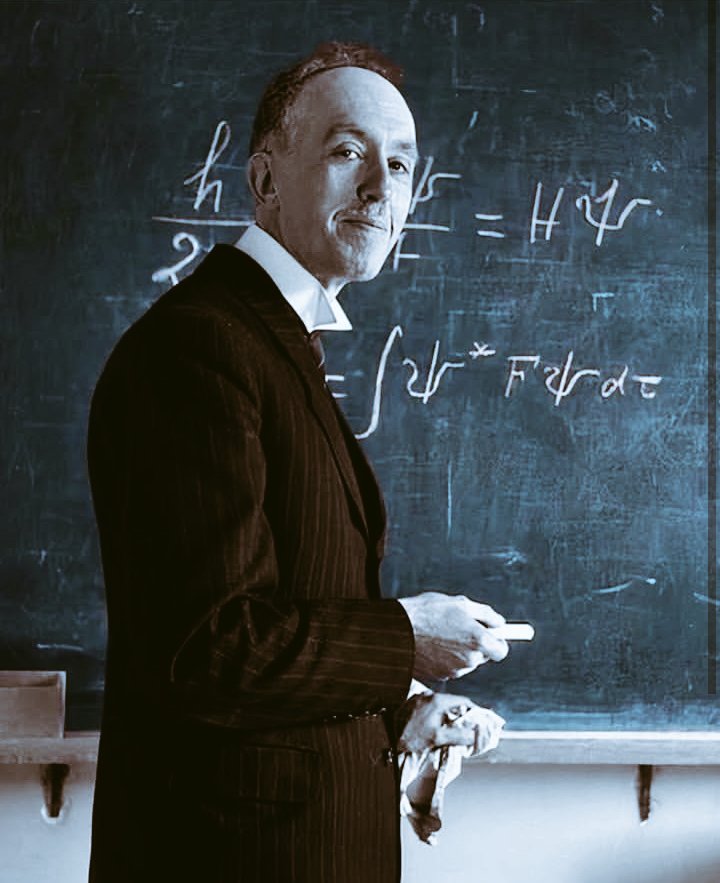
"If light can behave like particles, then electrons must also behave like waves."
This was one of the craziest and most revolutionary ideas in the history of physics, proposed by Louis de Broglie.
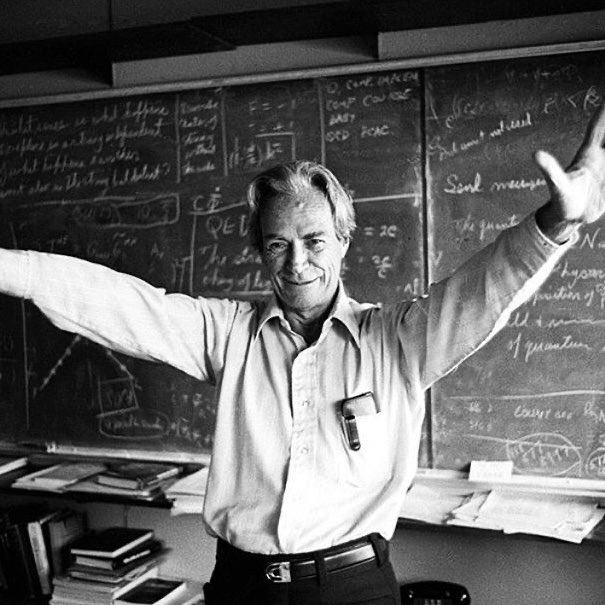
You will never live if you are looking for the meaning of life. Fall in love with some activity and do it! Nobody ever figures out what life is all about and it doesn't matter.
— Richard Feynman
When my husband died, because he was so famous and known for not being a believer, many people would come up to me-it still sometimes happens-and ask me if Carl changed at the end and converted to a belief in an afterlife. They also frequently ask me if I think I will see him again.
Carl faced his death with unflagging courage and never sought refuge in illusions. The tragedy was that we knew we would never see each other again. I don't ever expect to be reunited with Carl.
But, the great thing is that when we were together, for nearly twenty years, we lived with a vivid appreciation of how brief and precious life is. We never trivialized the meaning of death by pretending it was anything other than a final parting. Every single moment that we were alive and we were together was miraculous-not miraculous in the sense of inexplicable or supernatural.
We knew we were beneficiaries of chance. . . .
That pure chance could be so generous and so kind. . . .
That we could find each other, as Carl wrote so beautifully in Cosmos, you know, in the vastness of space and the immensity of time. . . .
That we could be together for twenty years. That is something which sustains me and it’s much more meaningful. . . .
The way he treated me and the way I treated him, the way we took care of each other and our family, while he lived. That is so much more important than the idea I will see him someday. I don't think I'll ever see Carl again. But I saw him. We saw each other. We found each other in the cosmos, and that was wonderful.
― Ann Druyan
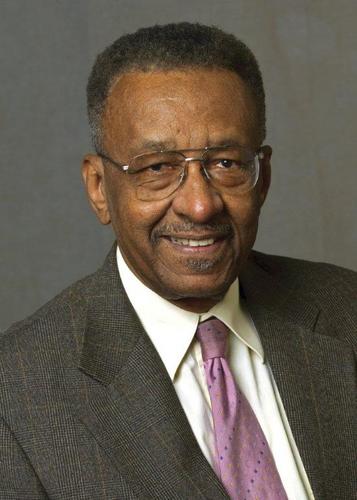
"Permítame ofrecerle mi definición de justicia social: Yo me quedo con lo que gano y usted se queda con lo que usted gana ¿No está de acuerdo? Bueno entonces explíqueme: ¿cuánto de lo que yo gano le pertenece a usted y por qué?"
Walter E. Williams
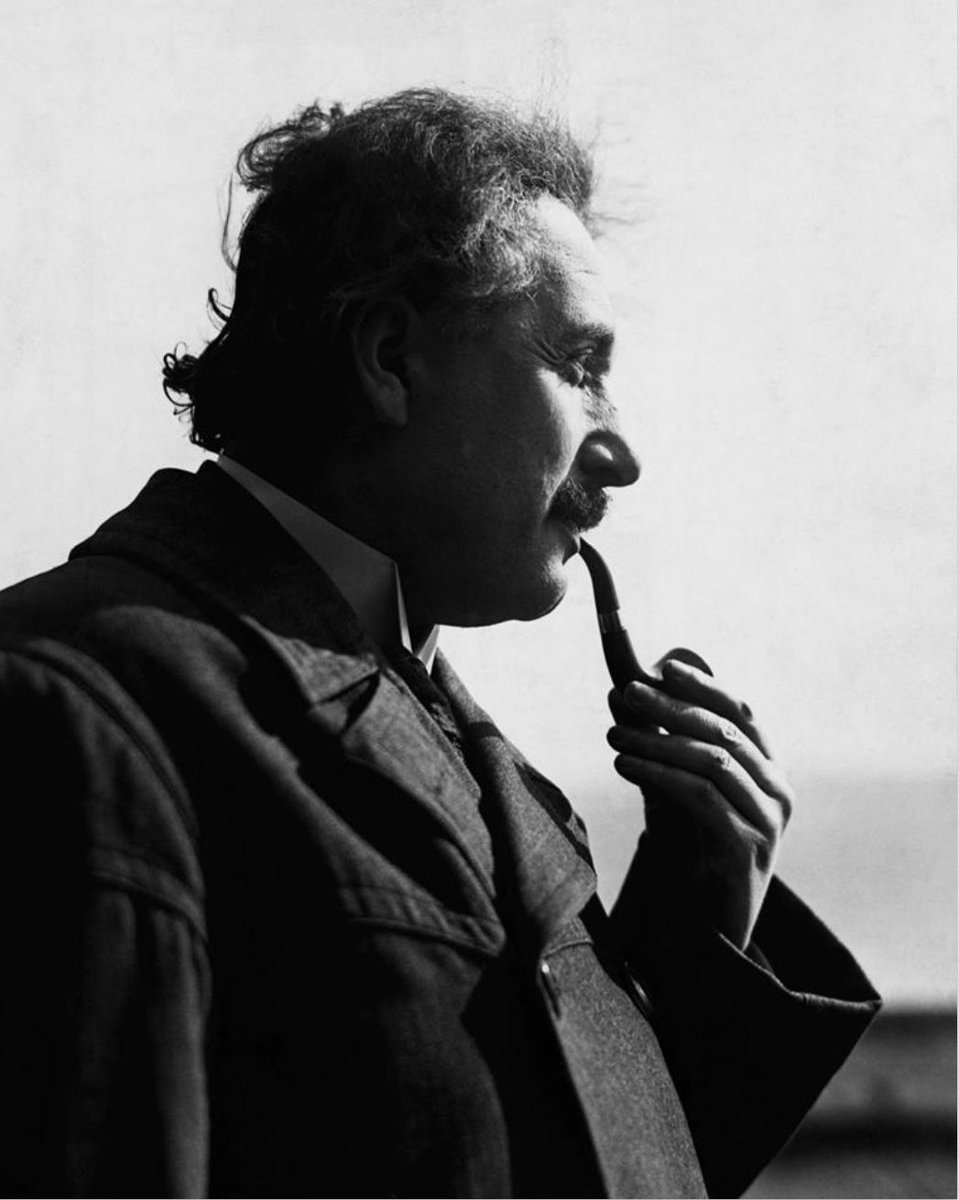
"El valor de una educación universitaria no debe residir en el aprendizaje de muchos hechos, sino en el entrenamiento de la mente para pensar"
Albert Einstein