Dr Ali Danesh: Practice dedicated to hearing and balance. We specialize in hearing loss, hearing aids, tinnitus, hyperacusis, misophonia and balance disorders..
In July 2024, NIDCD launched the National Smell and Taste Center (NSTC), a collaborative effort to advance understanding of smell, taste, and related disorders through research, patient care, education, and outreach. #NIDCDresearch
Educators, do you know about our Teacher Toolkit? It’s a collection of free and easy-to-use resources, like quizzes, to help you teach preteens about the causes and prevention of noise-induced hearing loss. Learn more: https://t.co/N26qEnuUkv #NPYHM#ScienceEducation
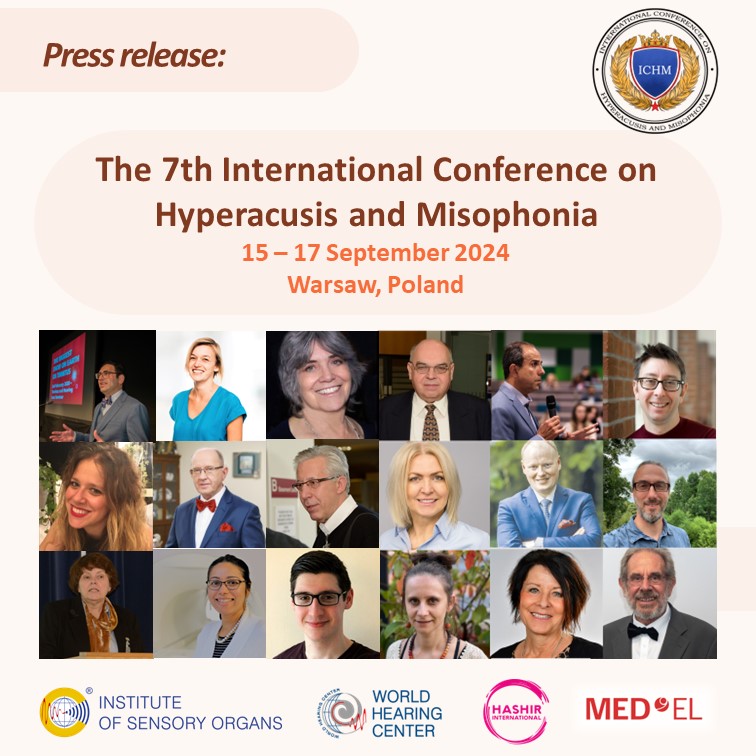
Announcement!
We have an exclusive #SneakPeek of the scientific programme for the 7th International Conference on #Hyperacusis and #Misophonia! Read the details here: https://t.co/QyUt5xziPO
The senses of taste & smell are closely related. Most people who go to the doctor b/c they think they have lost their sense of taste are surprised to learn that they have a smell disorder instead. Find resources on taste & smell disorders: https://t.co/eP5O2i0C1V. #NIDCDinfo
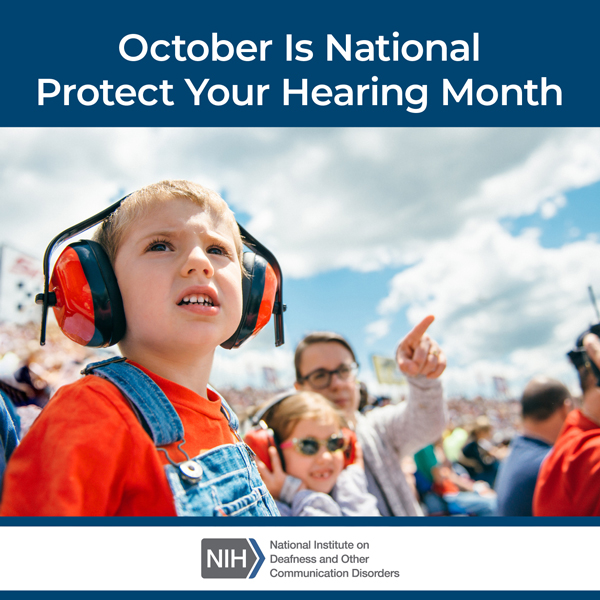
October is National Protect Your Hearing Month! Join NIDCD & Noisy Planet in spreading the word about hearing protection. Explore our free, shareable resources on why, when, & how to prevent hearing loss from noise: https://t.co/D99QNRoxPa #NPYHM
The @NIH Summer Internship Program offers an opportunity to spend a summer working at NIDCD. Learn about the enthusiasm & dedication of our interns & read highlights of the knowledge & skills they gained through their research experiences. https://t.co/aBW7s6e9e6 #NIDCDtraining
A study from @UCLAMCH finds new risk genes for autism & provides genetic evidence that language delay is a core component of the disorder.
https://t.co/1svyLFpd4o #NIDCDgrantee
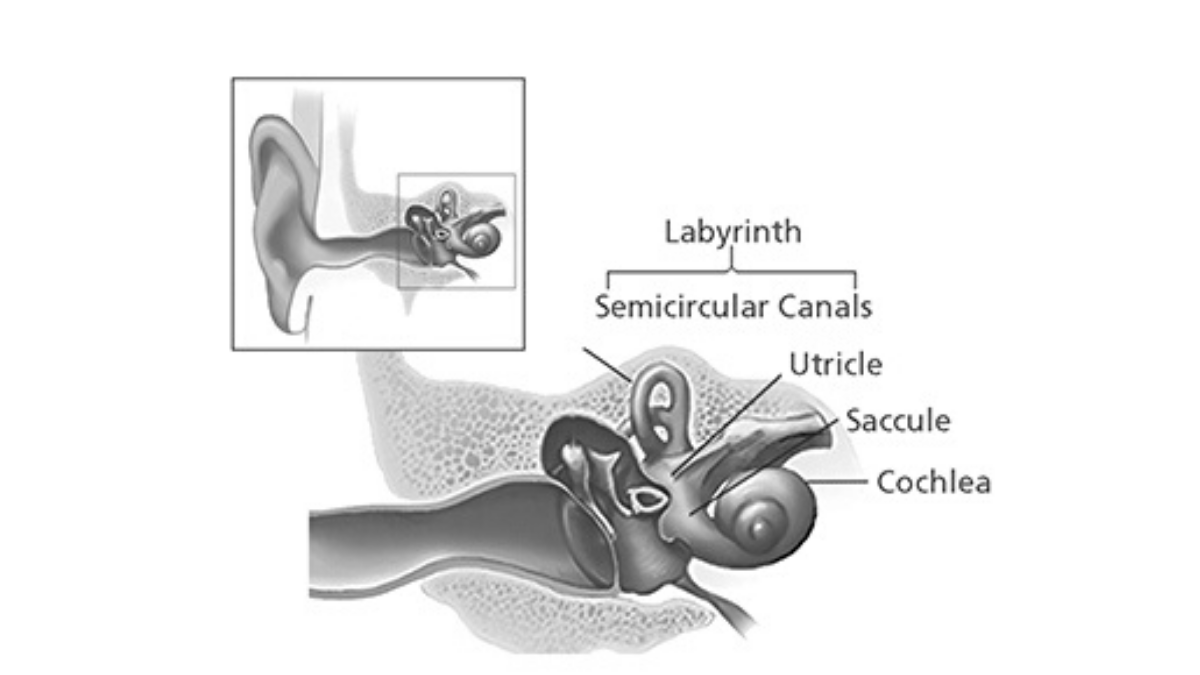
Our sense of balance relies on signals to our brain from several body organs & structures, including our ears. The part of the ear that supports balance is the vestibular system, which is a maze-like structure made of bone & soft tissue. Read #NIDCDinfo: https://t.co/R1UUkovNKA
#EARssentials2023 starts on July 17! Connect with NIDCD scientists and learn about concepts and laboratory techniques related to the auditory system. Learn more: https://t.co/qyVwInxsBx #NIDCDresearch
Hear Dr. Judy Dubno of @medunivsc on "Age Related Hearing Loss: Translation From Animals Models to Human Hearing" tomorrow at 11am as part of the NIDCD Seminar Series. https://t.co/G88jOnItpU #NIDCDgrantee
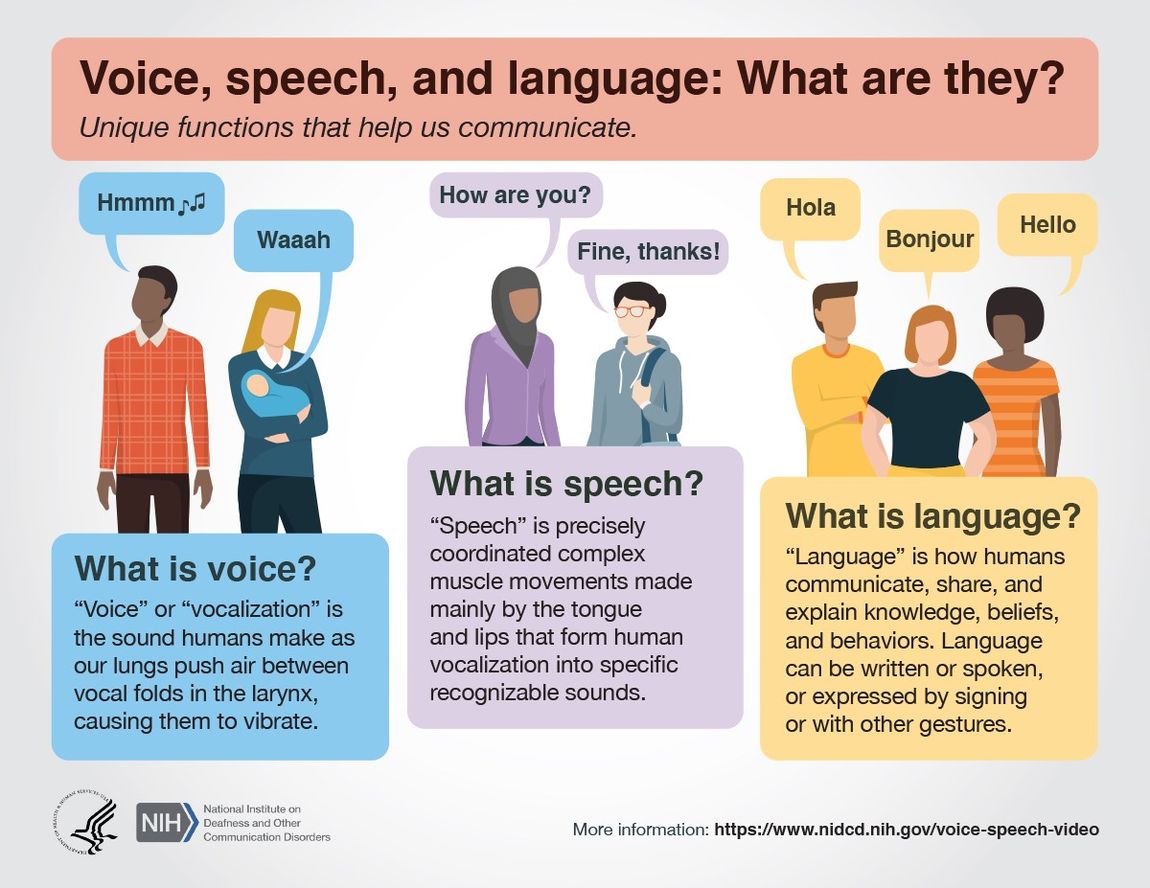
“Speech” is precisely coordinated, complex muscle movements made mainly by the tongue and lips that form human vocalization into specific, recognizable sounds. Learn about the differences between voice, speech, and language in our new infographic. https://t.co/sudmro36do
#DYK that an estimated 10-25% of adults have tinnitus? Get the facts on tinnitus, including symptoms, causes, & treatments that can help, with updated #NIDCDinfo: https://t.co/TWWAaRU10q
Watch #NIDCDgrantee Dr. Mark Rutherford of @WUSTL_ENT speak on "Glutamatergic Transmission and Excitotoxicity at the Inner Hair Cell Ribbon Synapse" at the next virtual NIDCD Seminar Series at 11am on April 4. More info: https://t.co/cmC9VTBGSK
Today is #WorldAutismAwarenessDay, designated by
@UN. Learn about NIDCD's research efforts on early diagnosis & effective treatment for individuals w/ autism: https://t.co/V4xpFJrS5t #AutismAwareness
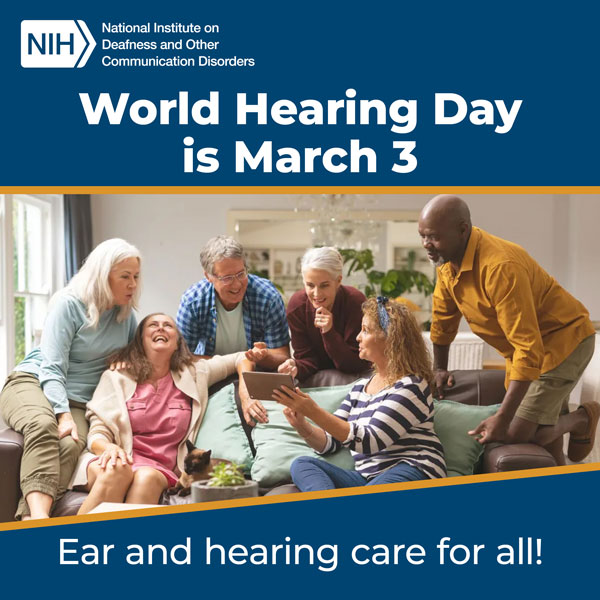
It’s #WorldHearingDay! Join us by spreading the message about safe listening practices to protect your hearing. Lowering the volume and wearing hearing protectors are some of the best ways to protect your hearing. Learn more: https://t.co/Afu1sth3ps