There isn't a pay rise coming that closes the gap.
Not the annual review, not the promotion, not the government, not an inheritance that turns up twenty years too late to change anything. A wage set against these prices doesn't resolve itself by waiting.
Whatever fixes it has to be something you start.
It costs more to be short of money.
A prepayment meter charges more per unit than a direct debit. The small packet works out dearer per gram than the big one. Spreading a bill across the year adds interest that the person paying it in one go never sees.
The less you have, the more everything costs.
The people who tell you starting something is risky have almost never tried it.
They'll list the businesses that failed, none of which they were in, and none of which cost the founder anything close to what forty years of a capped salary costs.
The safe option has a price as well, paid slowly enough that nobody notices it going.
There are only so many hours to sell, and everybody selling them hits the same wall.
Work harder and you reach the top of a band. Work weekends and you buy back a few hundred a month. The most driven person in the building is capped by exactly the same number of hours as the laziest.
Anything that earns while you aren't working is a different category of thing altogether.
Nothing gets built or repaired in this country without years of permissions first.
A single stretch of road needs sign-off from the council, the utilities and whoever owns the land beside it. Objections get lodged, consultations get run, and three weeks of actual work sits behind two years of paperwork.
Other countries build the thing. This one processes the application to build the thing.
The person who owns the company you work for isn't cleverer than you are.
They had an idea, took a risk that could have gone badly, and carried on after the first version of it didn't work. That's usually the entire gap.
The difference between the two of you is a decision made years ago that nobody stopped them making.
Public transport here costs more than most of Europe and still can't turn up on time.
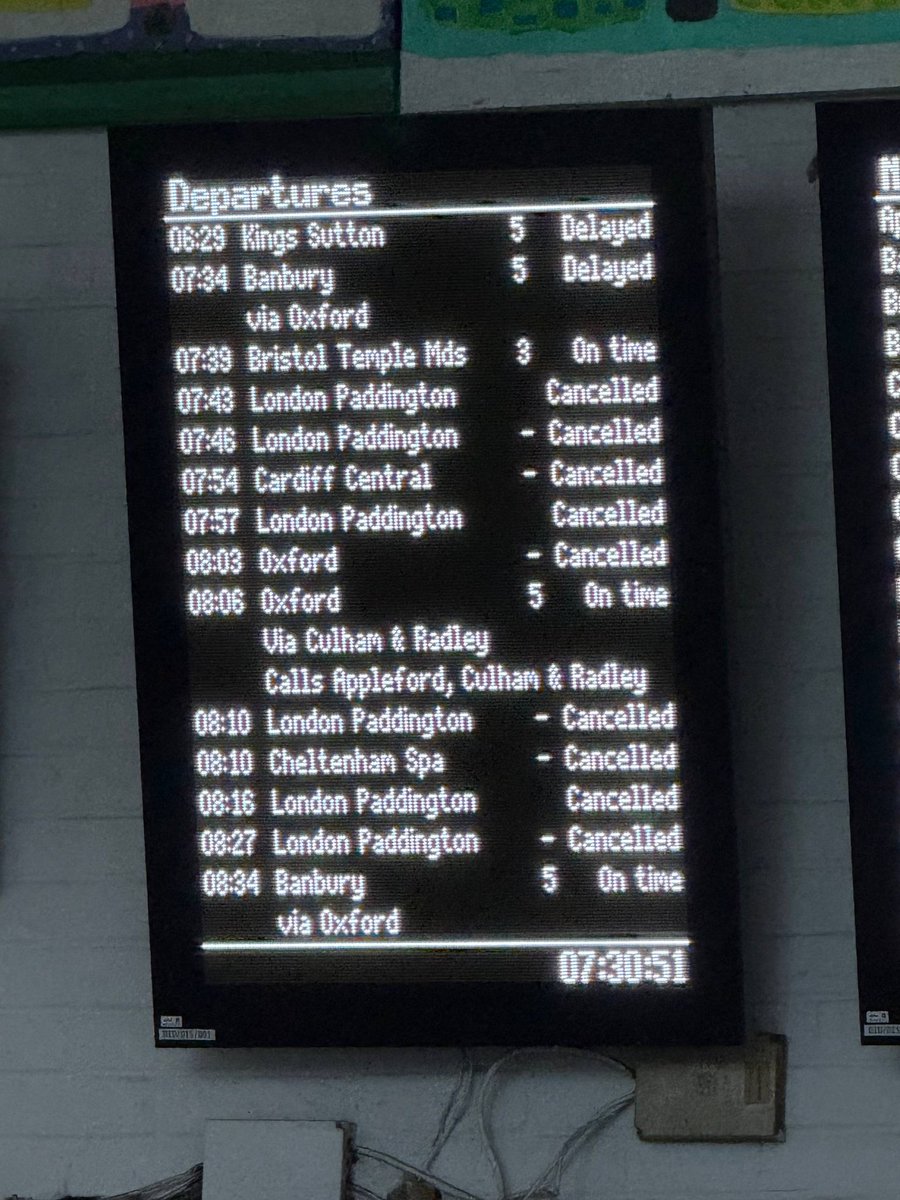
The train is delayed, then delayed again, then cancelled once everybody has already stood there for forty minutes. The bus shows on the app and never arrives. Getting anywhere on time means leaving an hour earlier than the journey actually takes.
Getting public transport in the UK is the worst. What do we pay millions in taxes for?
Wages are the most heavily taxed way to receive money in this country.
Income tax up to 45%, with National Insurance on top of it. Money that arrives from owning something instead — dividends, or an asset sold at a gain — is taxed at noticeably lower rates.
The system is built to reward owning. Almost everybody is set up only to earn.
The first £12,570 you earn is tax free, and that figure hasn't changed since 2021.
If it had kept pace with prices it would be thousands higher by now. Instead the cost of everything went up and the amount you're allowed to earn before being taxed stayed exactly where it was.
Freezing a number does the same job as raising a tax, without anyone having to announce it.
The job asks for a degree, three years' experience and a professional qualification, and pays under thirty thousand.
The same role twenty years ago wanted none of those things and bought a house.
The requirements went up every year. The number at the bottom of the advert didn't.
Waiting has become the normal state of everything.
Months for a hospital appointment, weeks for a GP, a year for a driving test, and a queue for anything the council is meant to provide. People have stopped being surprised by it and started planning around it.
A country where everyone expects to wait has quietly lowered what it thinks it's owed.
Whatever you produce, the company keeps the difference between that and your wage.
That gap is the entire reason the job exists. Nobody gets hired to break even on. And the better you get at it, the wider the gap grows, with none of the widening landing in your account.
Working for yourself mostly means keeping the part somebody else was taking.
Six people sat on a call for an hour to decide something one of them could have decided on their own.
That's six hours of wages spent so nobody has to carry the decision by themselves. Everyone leaves able to say it was agreed as a group.
Most of what gets called collaboration is the spreading out of blame.
Getting £500 a month more out of a job means a promotion, a restructure, or a year of waiting for a review that comes back at 3%.
Getting £500 a month more from a client means one conversation with one business that needs something done.
Most people have spent longer waiting for the first than it would have taken to build the second.
Road tax is £195 a year and none of it is set aside for roads.
It goes into general taxation like everything else. Meanwhile the backlog of pothole repairs across England and Wales runs into billions, and councils have been quoted around a decade just to catch up.
You pay a tax named after the thing it doesn't fund, then pay again when the suspension goes.
There's no budget for a pay rise, but there's budget for consultants.
They arrive for six weeks, interview the people who already know what's wrong, and hand back a document saying it in different words. The recommendations get accepted because they came from outside.
The staff who gave them the answers don't get a mention in the report.
A full-time job used to be enough on its own.
Now people finish at five and go and do something else. Delivery in the evenings, weekend shifts, selling things online once the kids have gone to bed.
The second job covers the gap between the wage and the bills, and that's all it covers.
This country sits on a gas field and pays some of the highest electricity prices in Europe.
The North Sea is still producing. The bills went up anyway, the standing charge went up separately on top, and the companies selling it were posting record profits over the same period.
Having the resource turned out to have nothing to do with what it costs to heat a house.
Anything that needs sorting can only be sorted during the hours you're at work.
The bank shuts at four. The GP releases appointments at eight in the morning and they're gone by ten past. The council answers between nine and five, which is exactly when you can't ring.
So it comes out of annual leave, or it doesn't get done at all.