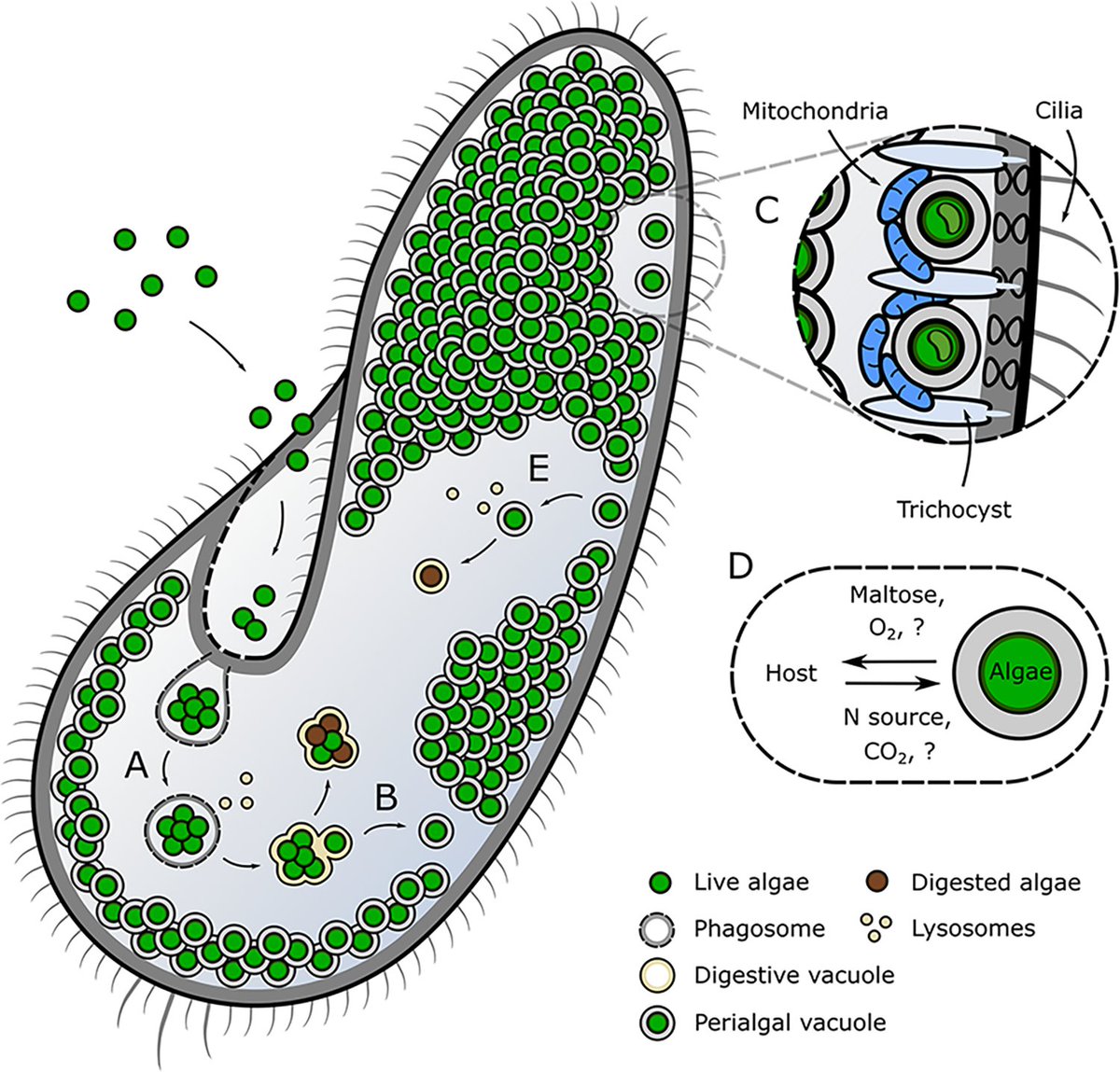
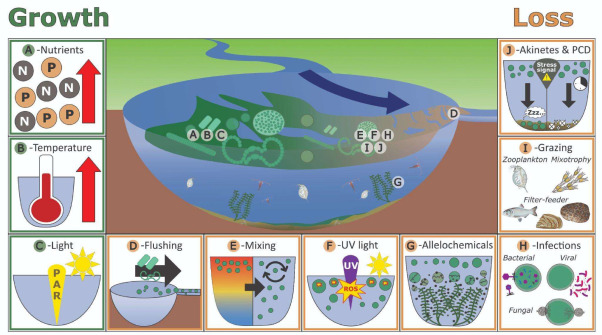
We spend a lot of time thinking about what causes HABs, but what about what makes them disappear? Check out this new review on loss processes in cyano blooms from the @GLEONetwork Cyano Workgroup!
https://t.co/GHVz6P316Y
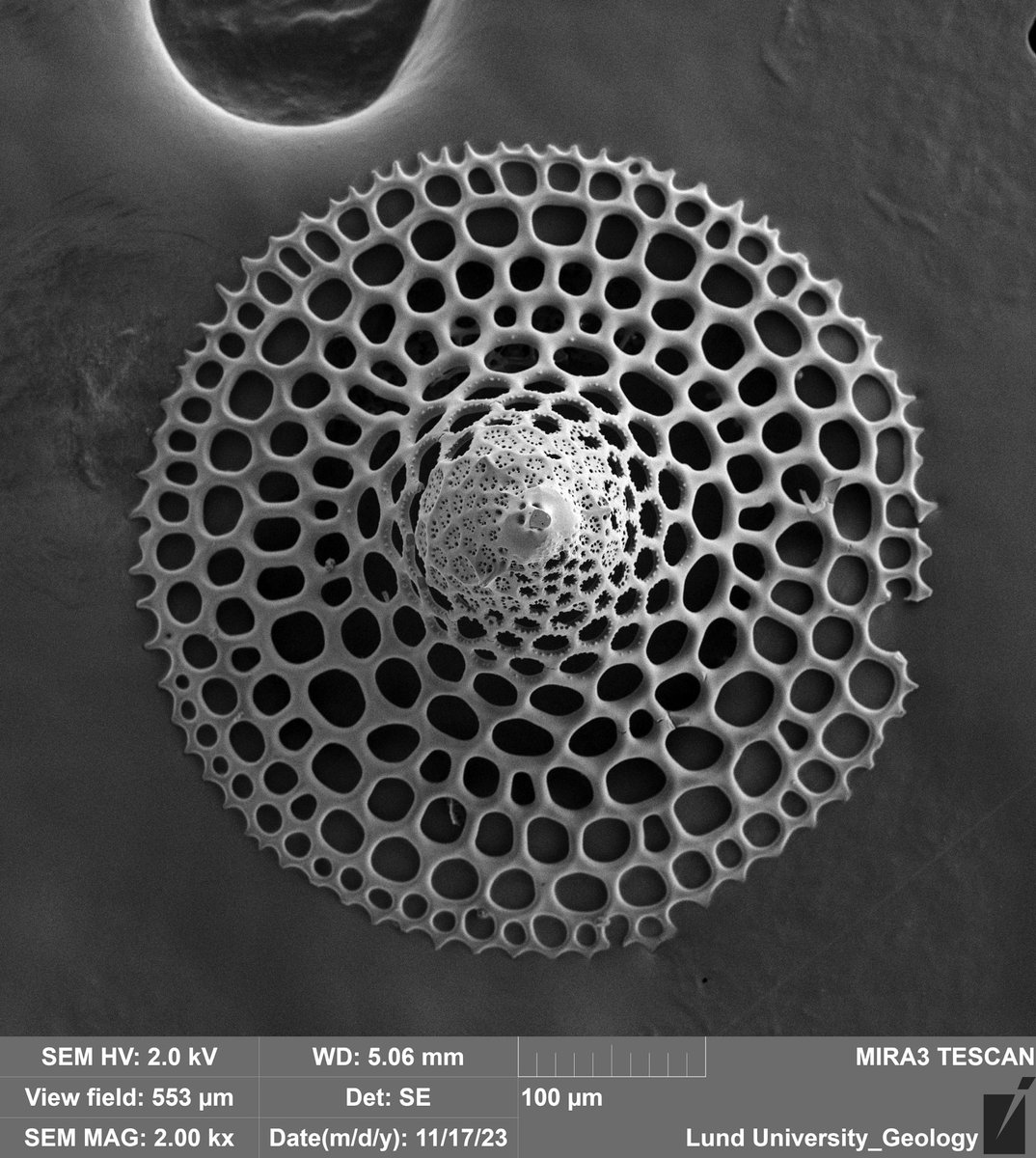
A special issue of #NovaHedwigia is out. Big thank you to all contributors. "A journey through #diatom taxonomy: the enduring legacy of Luc Ector"
cc
@vijver_bart @Oricymba
https://t.co/demIwGFDyc
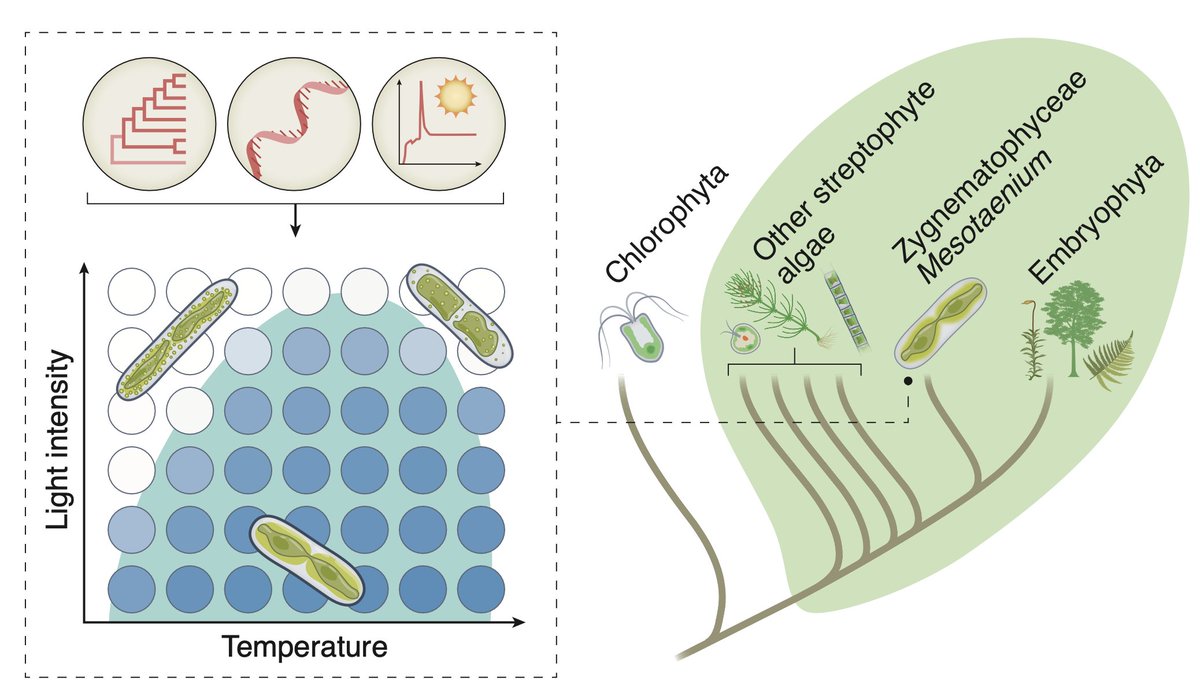
New insights into the diversity and distribution of the genus #Spirotaenia (#Mesotaeniaceae, Streptophyta) in the Neotropics, including the description of S. tetrahelica sp. nov.
https://t.co/L6BxeZFF5b
#Taxonomy
[#Algology] Phylogenetic analysis of the red algal tribe Ceramieae reveals multiple morphological homoplasies but defines new genera
✒️ Maria Beatriz BARROS-BARRETO et al.
🔗 https://t.co/WwdcorFJ3A
#Rhodophyta#lectotypification#newgenera#newspecies
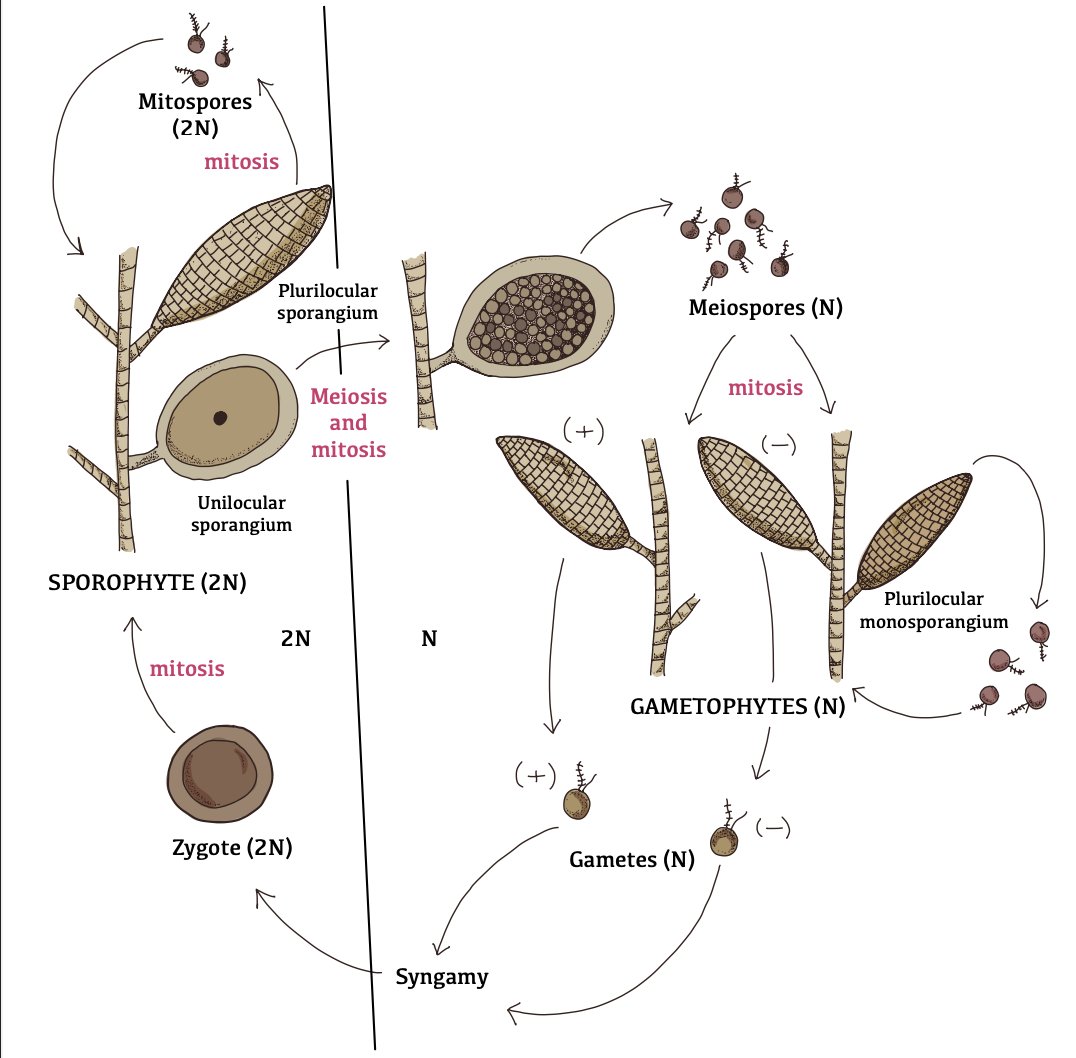
👋🏻✨ Feedback pls! 👋🏻✨ Life cycle of Ectocarpus, for open-ed resource. Tips for better accessibility (alt text, yes, what else?), best practices for #scicomm? Help us make this best it can be! Thx!! 🙏🏻
@AlgaeBase@PSAAlgae
By superstar illustrator @HannahMLevit
Academics read and annotate papers daily.
With Annotator you can search and connect these annotations!
Here is how to use it:
(A game changer, if you are used to Zotero.)
👇
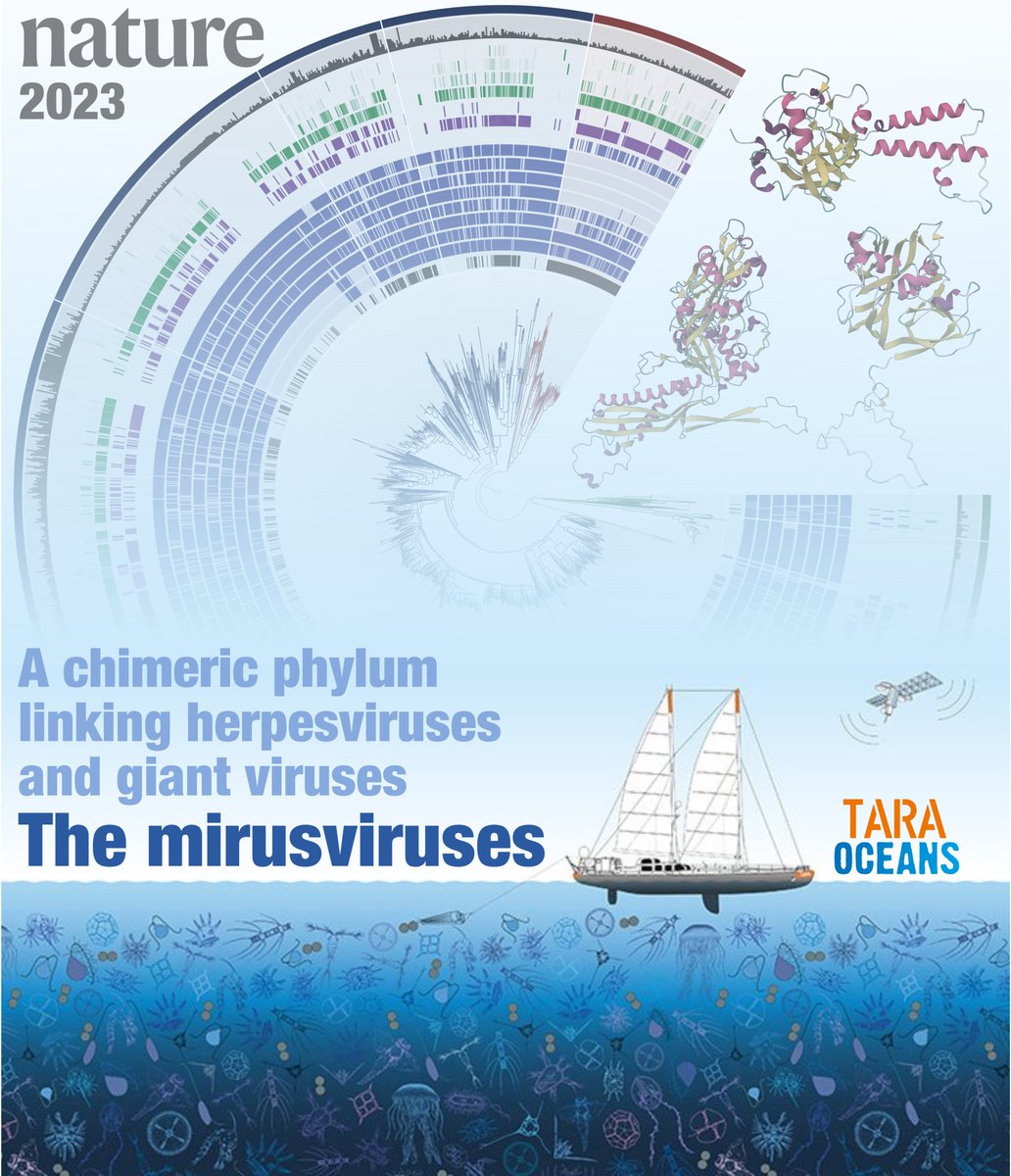
Our discovery of a major group of DNA viruses abundant in the oceans, the #mirusviruses, is out! These viruses have large genomes and a complex evolution linking #herpesviruses and #giantviruses. They pose no risk to humans but are important to plankton ->https://t.co/3Sq1QLEKmo










![Publi_MNHN's tweet photo. [#Algology] Phylogenetic analysis of the red algal tribe Ceramieae reveals multiple morphological homoplasies but defines new genera
✒️ Maria Beatriz BARROS-BARRETO et al.
🔗 https://t.co/WwdcorFJ3A
#Rhodophyta #lectotypification #newgenera #newspecies https://t.co/WB7DgFkyfT](https://pbs.twimg.com/media/Fv2YxR5XwAkBXcu.jpg)