Maybe I’m reviewer 2, but to make matters worse, I’ve also seen my critiques go completely ignored in the published manuscripts. If the authors aren’t expected to address any issues, then why bother sending them out for review?
The peer review system seems to be becoming even more broken than before. I got 4 article review requests this week. Last month, I had 5 requests all from 1 journal. This pace of requests really isn’t sustainable for reviewers.
I’m hearing from associate editors that everyone is simply turning down reviews and the review queues are getting longer. Submitting authors (or even teams of authors) really need to assume that they have to review at least 3 articles for every one they submit.
Informatics PhD student Abigail Lewis and Albert Lai @laialbert authored a new study that uncovered inequities in dementia care. "Data contained in the EHR is a powerful tool for identifying and monitoring disparities." Read more: https://t.co/g1iO68FBKC
👏 Congratulations to the 2022 Class of American College of Medical Informatics Fellows! The #ACMI Fellows will be inducted at #AMIA2022. Read the names of the inductees: https://t.co/DqCTv2PnLh
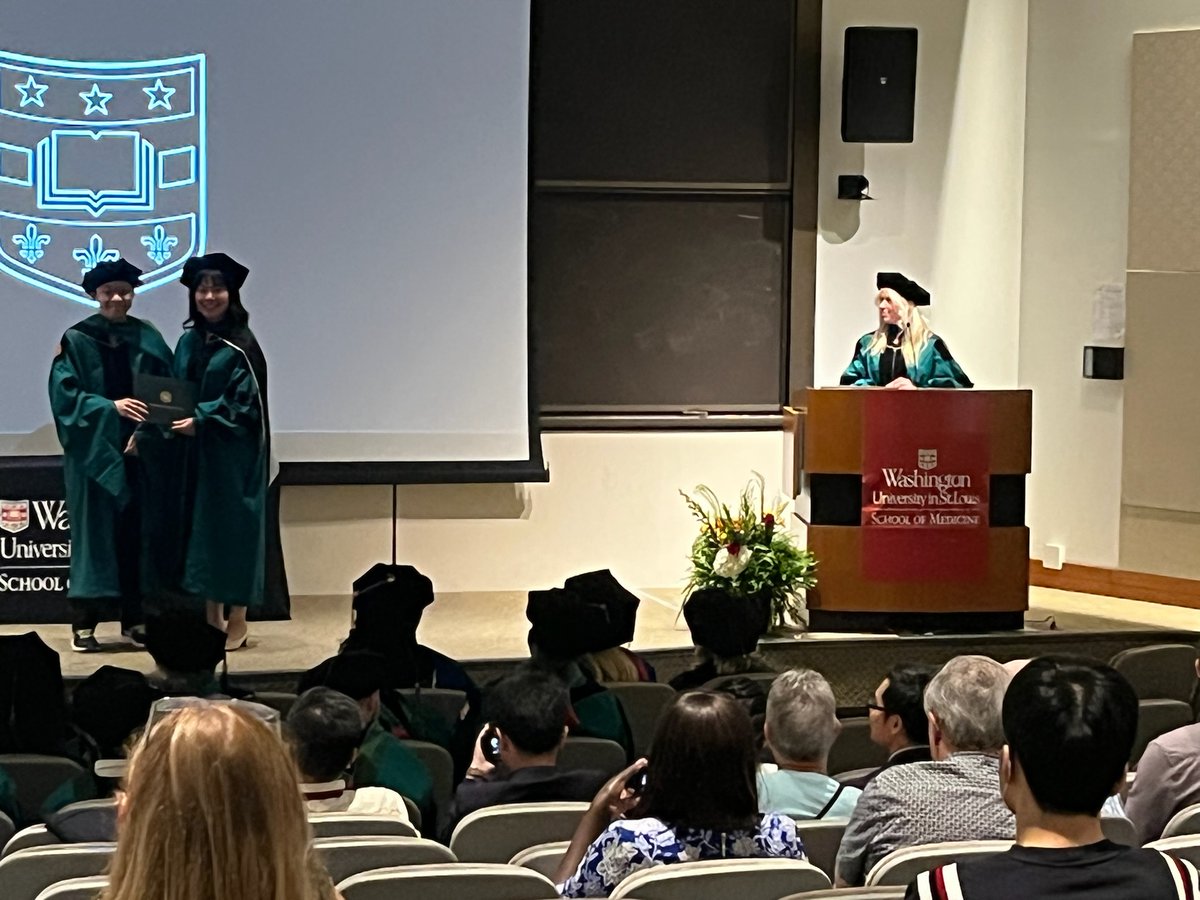
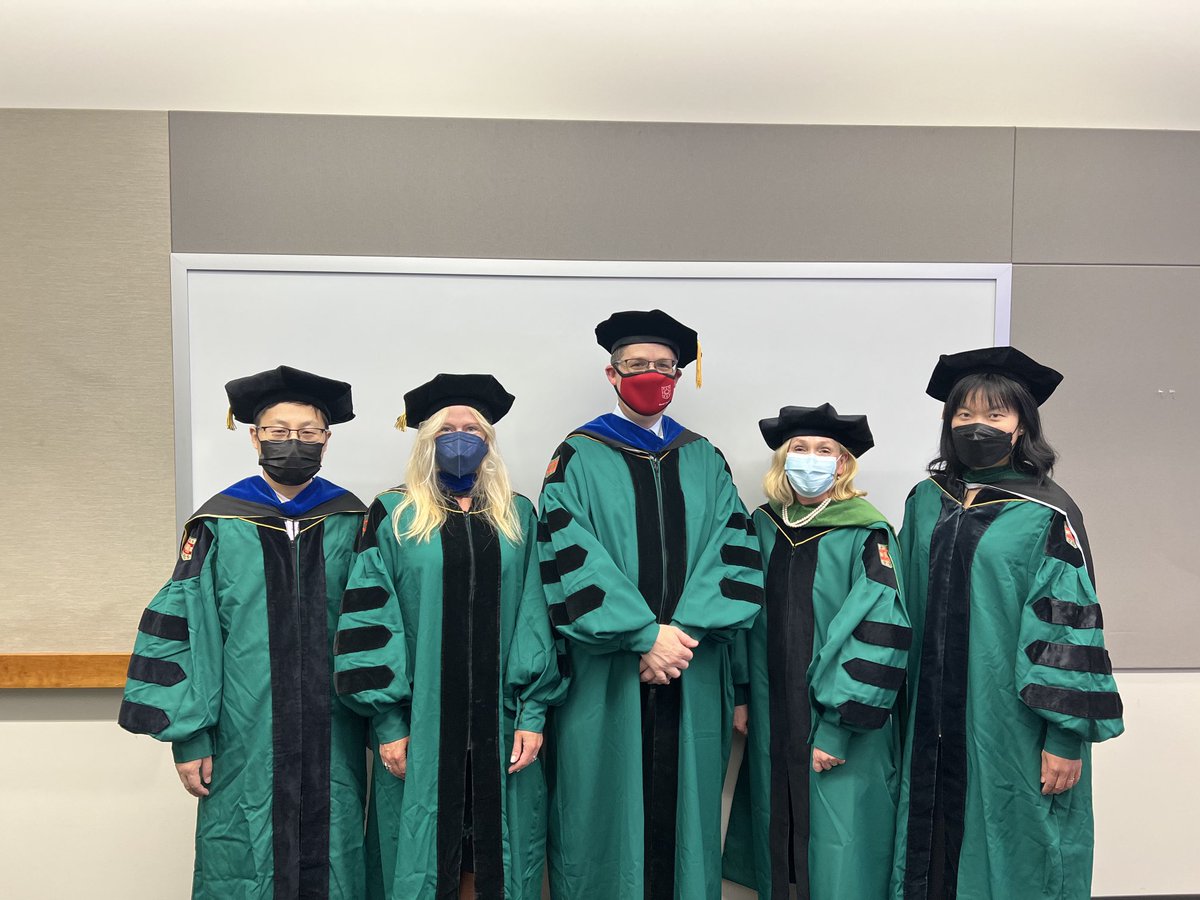
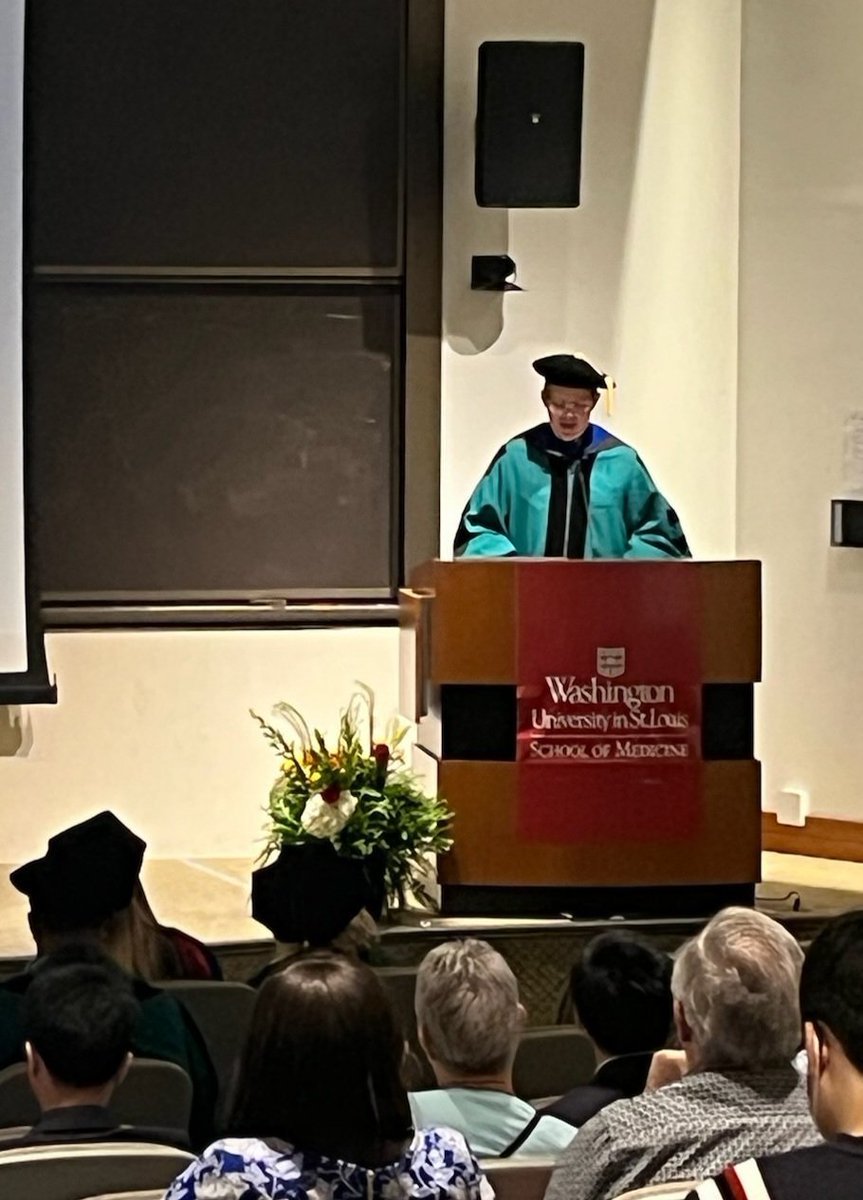
Big milestone - today we graduate our first class of master of science in biomedical informatics. Couldn't be prouder of all our informatics and biostatistics graduates heading out into the world to do great science - congratulations! #washu22
@insarkar Pre-TSA, I was selected for random screenings on nearly 100% of my flights. I haven’t had the problem since, but maybe it will come back based on your experience.
More work from our group on the prediction of sepsis in hospitalized patients leveraging the EHR. @WUSTLmed @WashUi2
Sepsis Prediction for the General Ward Setting https://t.co/lRmxtDfFs3
We're proud to assemble this all-star breakout panel at the annual I2 symposium to discuss how the past two years have accelerated science and changed our work. Save your seat for April 1: https://t.co/OxU4hQsRtq #i2symposium