🫁🫀🧠Monitoreo hemodinámico avanzado: perlas para la interpretación fisiológica y toma de decisiones clínicas☕️💎
🫀El Gasto cardiaco es un parámetro global → no garantiza perfusión tisular adecuada órgano-específica.
💎No tratar números. Trata la perfusión.
No es “normalizar GC ”, sino:
👉 optimizar DO₂ y perfusión tisular
💎1️⃣7️⃣ PERLAS CAFETERAS ☕️
✔ El GC debe interpretarse junto con:
RVS, DO₂, variables dinámicas
🔹 1. “La presión no es perfusión”
👉 Una PAM normal NO garantiza perfusión tisular adecuada
Puedes tener:
▪️PAM normal + bajo CO → hipoperfusión oculta
▪️PAM baja + CO alto → perfusión suficiente
💎 Lactato, SvO₂ y signos clínicos valen más que la presión aislada
🔹 2. El gasto cardíaco es necesario, pero insuficiente
👉🫀 El GASTO CARDIACO es una variable macrocirculatoria.
😵No refleja:
▪️Microcirculación
▪️Extracción de O₂
💎 El verdadero objetivo es DO₂/VO₂ balance, no solo gasto cardíaco 🫀
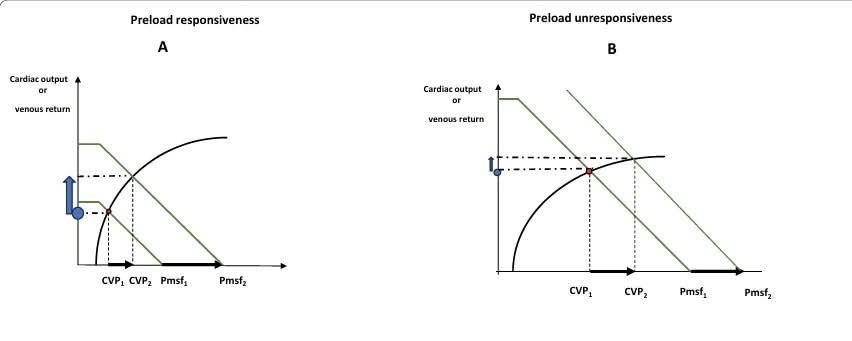
🔹 3. La precarga NO se mide con presiones☝🏻🤓
👉 PVC (CVP) y PCP son malos predictores de respuesta a líquidos 🚿
💎Mejor usar:VPP (variación de presión de pulso)📈📉
▪️VVS (variación del volumen sistólico)
▪️Test de elevación pasiva de piernas (PLR)
💎 No preguntes cuánto volumen tiene el paciente, sino si responderá a más volumen
🔹 4. Fluid responsiveness ≠ necesidad de líquidos 🚿
👉 Que el paciente responda a fluidos NO significa que los necesite⚠️
💡 Ej.Paciente séptico con edema pulmonar puede ser “respondedor” pero no candidato a líquidos🪣
💎Dar líquidos solo si mejora perfusión SIN causar daño📛
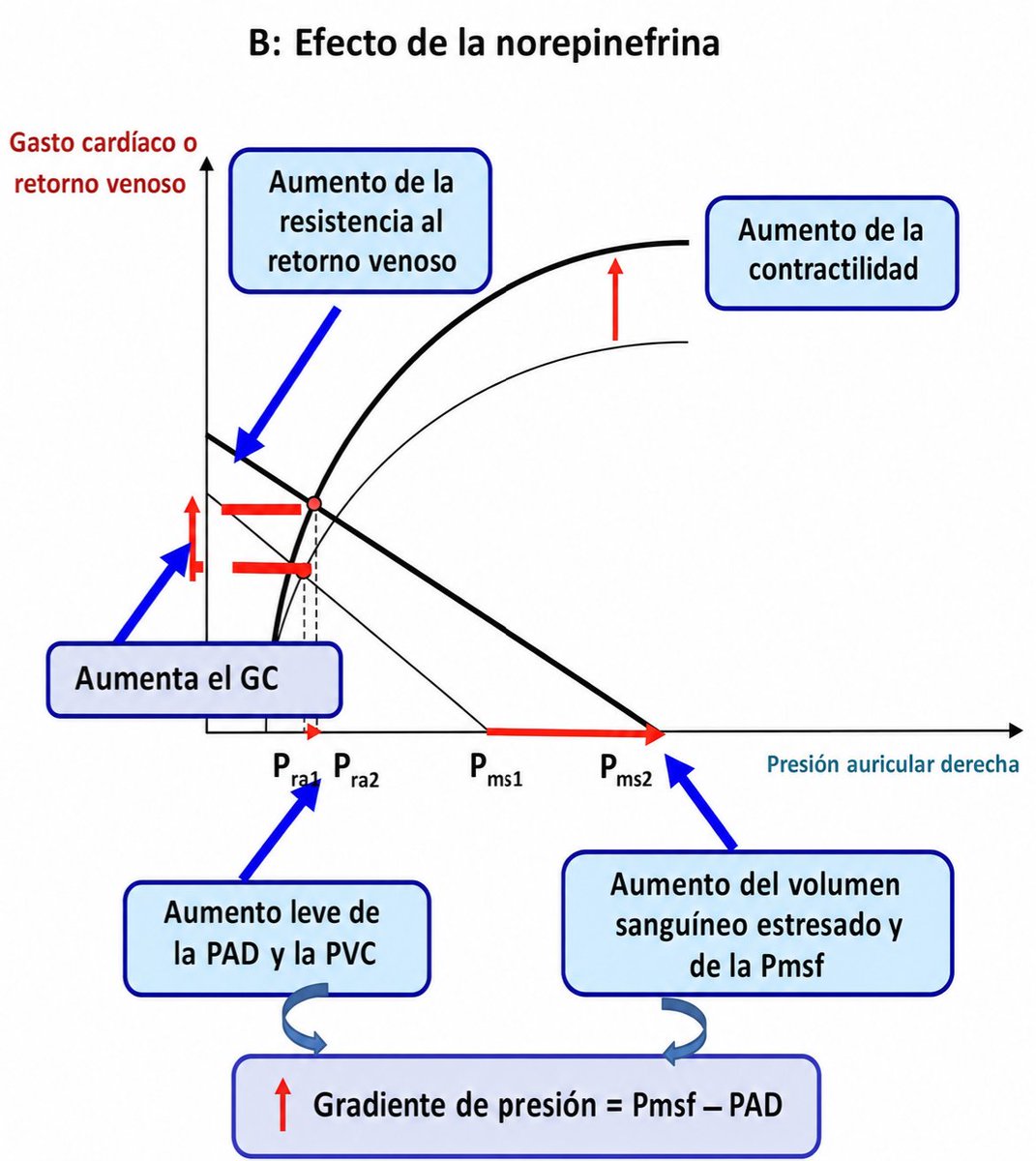
🔹 5. El retorno venoso manda (Guyton > Frank-Starling)
👉 El gasto cardiaco 🫀está limitado por el retorno venoso
↪️Presión media sistémica (Pms)
▪️PVC
▪️Gradiente de retorno venoso
💎Vasopresores (ej. norepinefrina) pueden ↑ GC🫀 al mejorar retorno venoso
🔹 6. La poscarga es un modulador dinámico
👉 No es solo “resistencia” → afecta directamente el volumen sistólico
▪️↑ afterload → ↓ eyección
▪️↓ afterload → ↑ CO (si el corazón lo tolera)
💎En shock séptico → problema principal = vasoplejía
🫀En cardiogénico → reducir afterload puede beneficiarse el GC
🔹 7. La frecuencia cardíaca tiene una “zona óptima”
👉 Más rápido NO MEJORA ⚠️
Taquicardia:
▪️↓ llenado diastólico
▪️↓ VS
💎 En disfunción diastólica, controlar FC mejora GC más que aumentar contractilidad.
🔹 8. Ecocardiografía
▪️Permite evaluar en minutos:
▪️precarga
▪️función ventricular
▪️causas de shock
💎No monitorice a ciega mira el corazón.
🔹 9. El lactato no siempre es hipoxia
👉 Lactato elevado puede ser por:
▪️Hipoperfusión
▪️Estrés adrenérgico
▪️Disfunción mitocondrial
💎 Tendencia del lactato > valor aislado
🔹 10. La SvO₂ puede engañar
👉 SvO₂ alta NO siempre es buena
En sepsis:
▪️Extracción alterada → SvO₂ normal/alta con hipoxia tisular
💎 Interpretar SvO₂ en contexto clínico
🔹 11. Microcirculación: el “punto ciego”
👉 Puedes corregir macrohemodinámica y fallar en microcirculación🫀
▪️Ej. En el séptico con GC alto pero mala perfusión capilar
💎 Tiempo de relleno capilar y perfusión periférica son claves
🔹 12. Ventilación mecánica cambia la hemodinámica
👉 Aumenta presión intratorácica → ↓ retorno venoso.
💎 Interpretar variables dinámicas solo si: Ritmo sinusal, ventilación controlada, VT adecuado
🔹 13. Vasopresores No es solo TAM
👉 Norepinefrina:
↑ RVS
↑ retorno venoso
↑ Gc
💎 No retrasar vasopresores📈
🔹 14. Inotrópicos: usar con objetivo 🎯👉 Dobutamina: Util si bajo GC + perfusión deficiente🫀
💎Si no mejora perfusión → suspender (evitar daño)
🔹 15. Monitoreo dinámico > estático
👉 Variables dinámicas predicen respuesta a intervenciones
💎 La hemodinamia es un sistema en movimiento.
🔹 16. Fenotipos de shock⚠️
▪️No todos los shocks son iguales:
▪️Tipo GC ➡️ RVS Tratamiento clave
🩸Hipovolémico ↓ ↑ fluidos
🫀Cardiogénico ↓ ↑ inotrópicos
👾Séptico ↑/↓ ↓ vasopresores
⚠️Obstructivo ↓ ↑ resolver causa
💎Identifica el fenotipo antes de tratar
🔹 17. Menos es más (fluid stewardship)👇🏽
New #IDSAGuidelines out now!
IDSA has released updated evidence-informed guidance on the management of antimicrobial-resistant infections: https://t.co/tLZKGOeFpc
The @ERC_resus 2025 cardio-pulmonary resuscitation guidelines are out!
🫀 adult basic & advanced life support
🧸 pediatric life support
🍼 neonatal life support
🚧 special circumstances
🩺 ERC & @ESICM post-resuscitation care
⚖️ ethics
📋 system saving lives
🎓 education for #resuscitation
🔍 epidemiology
🩹 first aid
@ResusJournal 🔓 https://t.co/jCWZCzeZ6n
#ECPR? may be considered as rescue therapy for selected adults with IHCA & OHCA when conventional CPR is failing to restore spontaneous circulation, in settings in which this can be implemented. Consider #ECLS as early intervention for selected infants & children with IHCA ( eg cardiac conditions in #PedsICU and periop) and OHCA where resources allow. Whether initiating #ECPR for OHCA in pre vs in hospital is superior remains uncertain (ongoing trials).
In hypothermic CA, consider ECMO assisted rewarming (vs CPB); unwitnessed CA with asystole as first rhythm is NOT contraindication for ECLS rewarming. If ECLS is not available within 6 h, non-ECLS rewarming may be used. In the cath-lab, ECPR may be considered for selected patients to facilitate diagnostic or therapeutic procedures, including coronary angiography/angioplasty, pulmonary embolectomy or cardiac surgery.
In selected respiratory pts (unconscious, severe hypoxemia) VV may be an option to prevent hypoxic CA). If available, early ECMO can be considered in pregnant patients with signs of impending circulatory collapse.
🔓 https://t.co/6VYT3Zz9aU
We added a new book to our Book Collection page
"Saleh's Point of Care ICU Book"
Thanks to Dr Saleh for donating the book to our member
https://t.co/RqbRs8kjz1
The application of therapeutic plasma exchange in sepsis and septic shock: A narrative review
CCR Journal Watch - tracking the critical care literature daily
https://t.co/Sp06oA6IDG
There are still 2 weeks left to apply for the ERS/ELF Healthy Lungs for Life grants. These grants intend to support organisations and professionals to deliver activities that raise awareness of how we can keep our lungs healthy 🌍
Apply now: https://t.co/v2gb07psYV
Have you seen our new Clinical Image Library? We have almost a dozen images related to Medical Technologies. The images are free to use in your work with proper citations. https://t.co/oBewHh2FKa
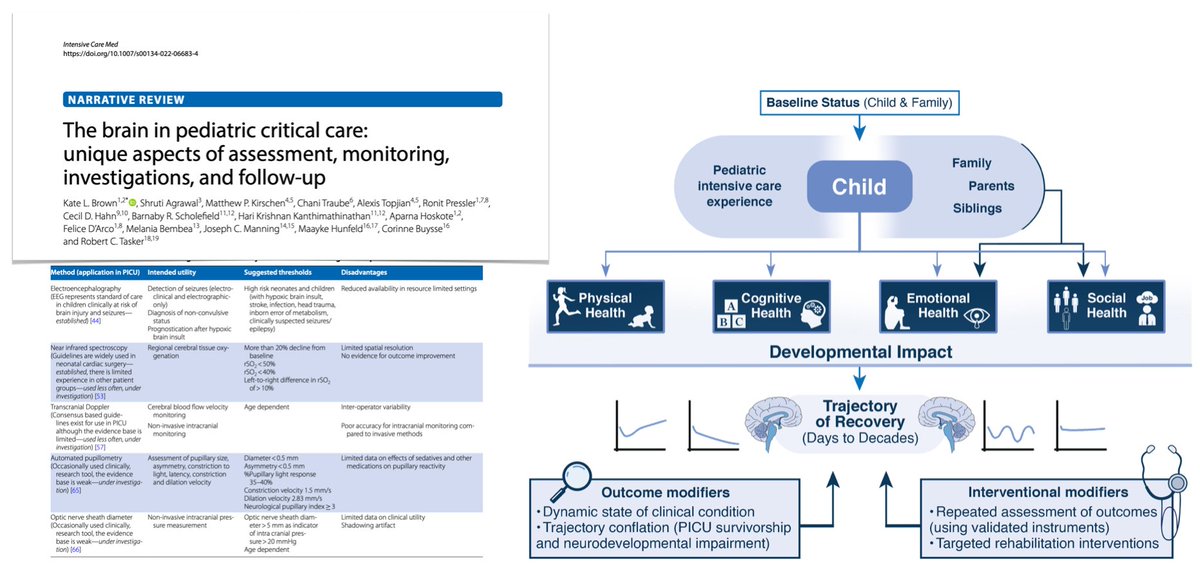
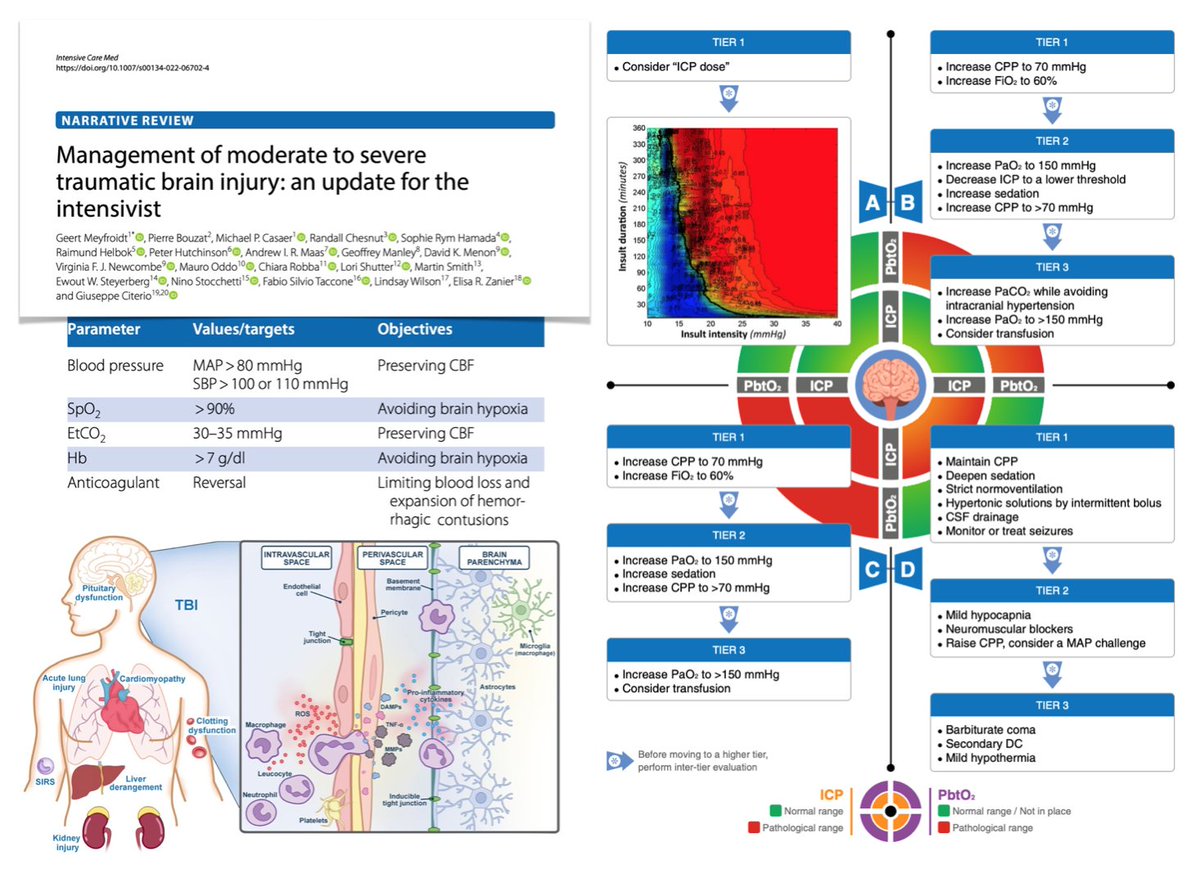
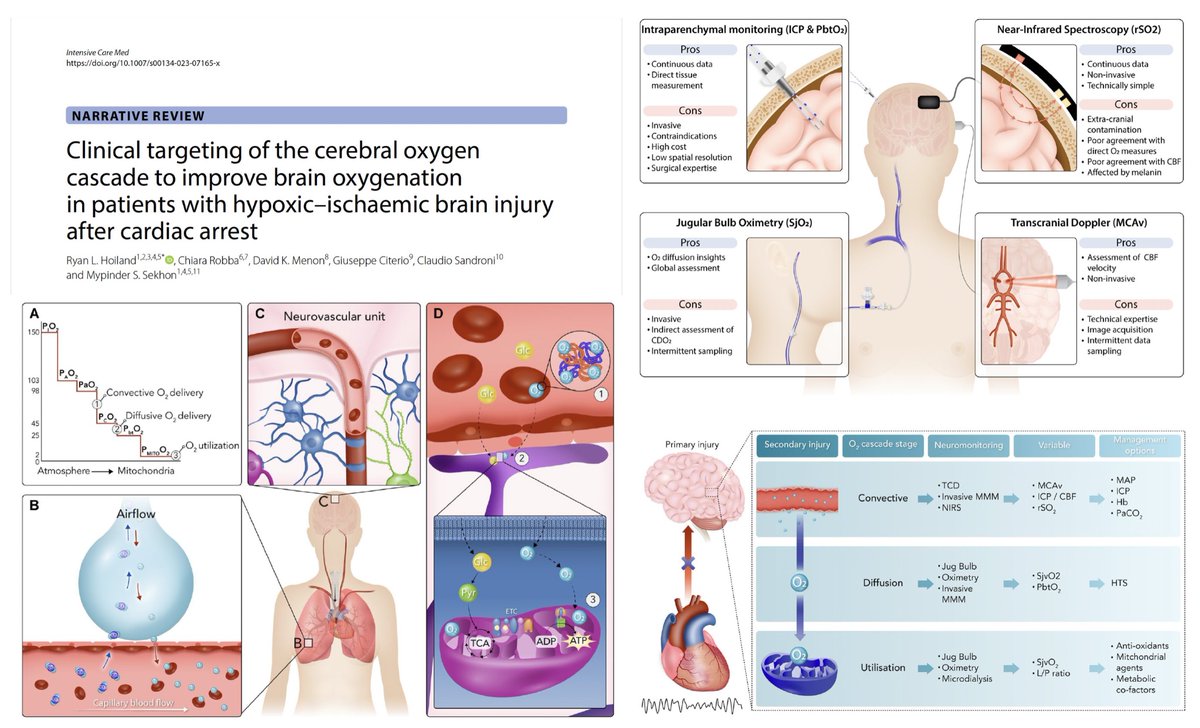
🧠 Here recent neuro-narrative reviews… 🔓 #FOAMcc on @yourICM
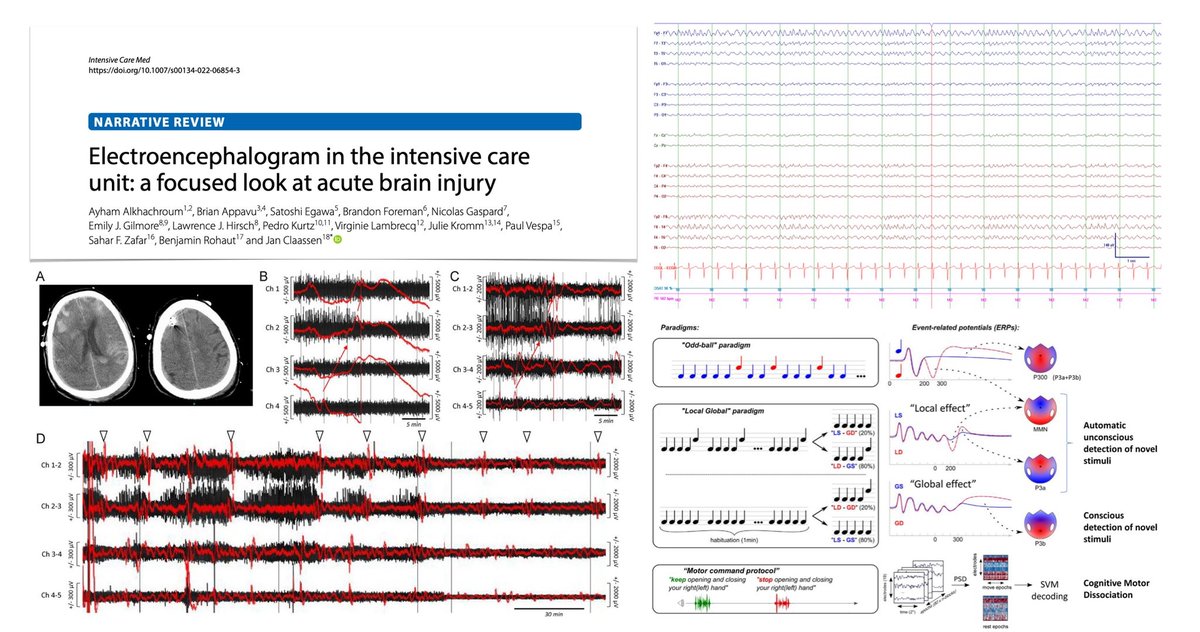
📖 EEG in #ICU for acute BI https://t.co/PdGuihm7eu
📖 Managing moderate/severe TBI https://t.co/GG0TrwvAvt
📖 Hypoxic–ischaemic BI after CA https://t.co/cQpepSTaSj
📖 The brain in #PedsICU https://t.co/F8c1L7ysPy
Honoured to have co-authored with my good friend @ICheifetz this review on mechanical ventilation during paediatric ECLS. #pedsICU https://t.co/L7Nz1fPzaR
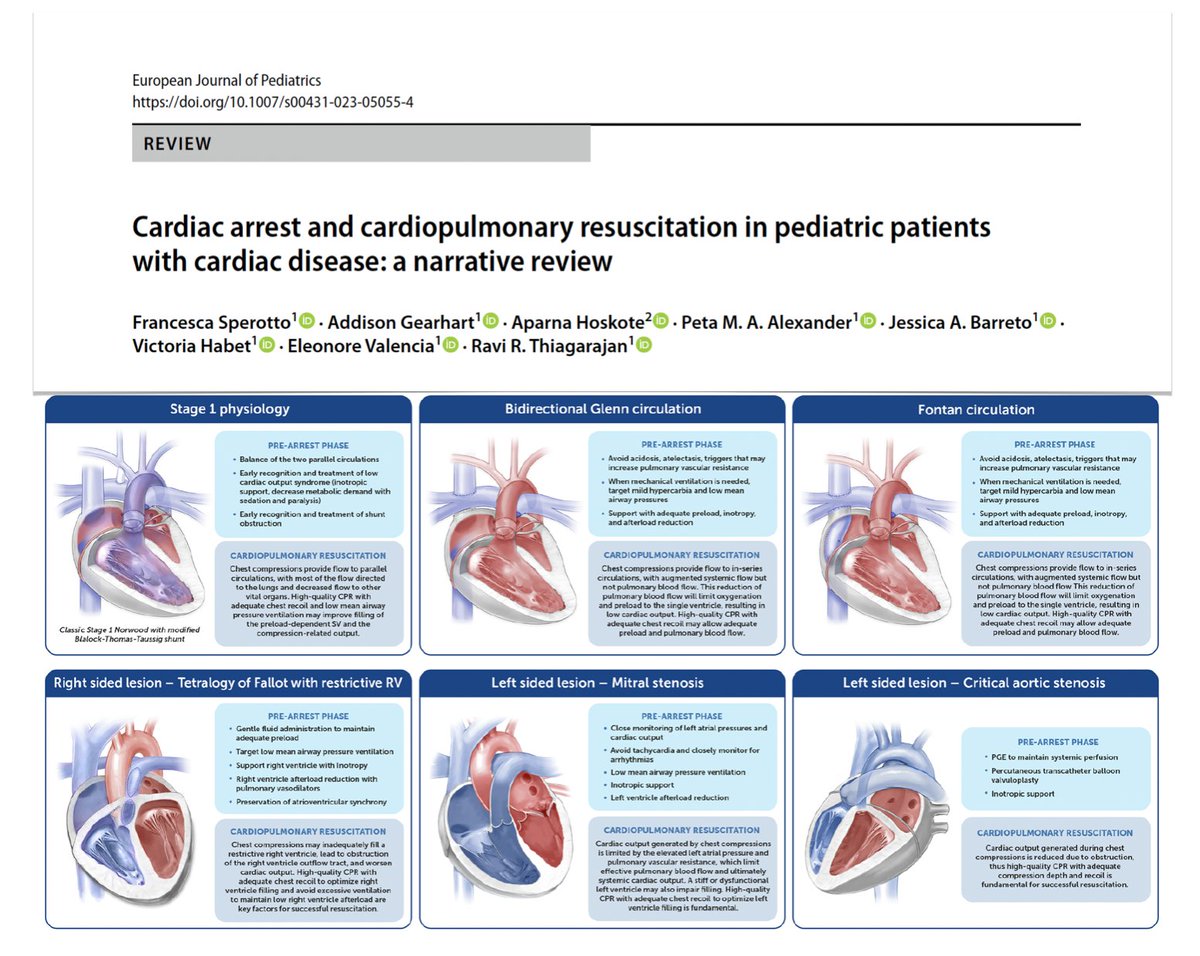
Cardiac arrest & cardiopulmonary resuscitation in pediatric patients with cardiac disease, narrative review including details on #extracorporeal life support #ECLS & extracorporeal cardiopulmonary #resuscitation#ECPR
Free to read #FOAMcc#PedsICU
🖇️ https://t.co/Nb7o2l3fBs
1/28
You are the resident on CICU. A patient arrives with an intra-aortic balloon pump (IABP). What is it? How does it work? How do you troubleshoot?
It's ⏰ for a @CardioNerds tweetorial!
AKA things I've gotten wrong on rounds so you don't have to.
First up: the basics
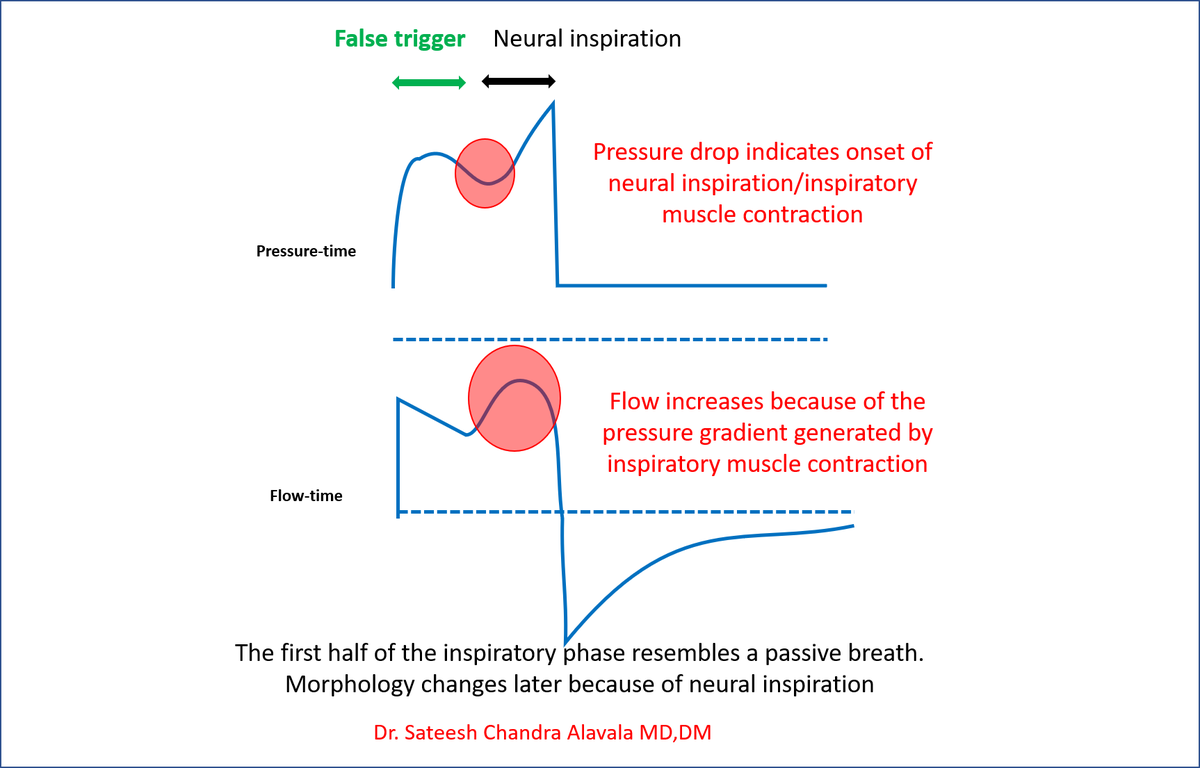
In cases where a patient exerts minimal inspiratory effort, the flow-time scalar usually displays an exponential decay, while the pressure remains constant throughout the inspiratory phase in pressure support mode. A similar appearance can also be observed during false trigger.
📢 Join ELSO WhatsApp Communities! ELSO is excited to offer a means for our community to engage in a user-friendly manner through WA topical-based conversations: we look forward to collaboration, support, connection that these conversations will enable.
🔗 https://t.co/zigihA958U
Professor Sutipong Wacharasindhu address the opening lecture between #SGH CU and Mahosot lao PDR representative of Laos medical Institution in future Medical Education collaboration to this region #paccman#kcmh