Lamont-Doherty Earth Observatory builds fundamental knowledge about the origin, evolution & future of our planet. We are part of @Columbia’s @ColumbiaClimate.
🥳 Whether you're an aspiring scientist or long-time enthusiast, @LamontEarth Open House is for you! Join us on campus Sat Oct 17 10am-4pm for lab tours, hands-on activities, talks by our world-renowned scientists. 🚌 Free shuttles! #LamontRocks 👉 RSVP: https://t.co/wSk5gE7FHW
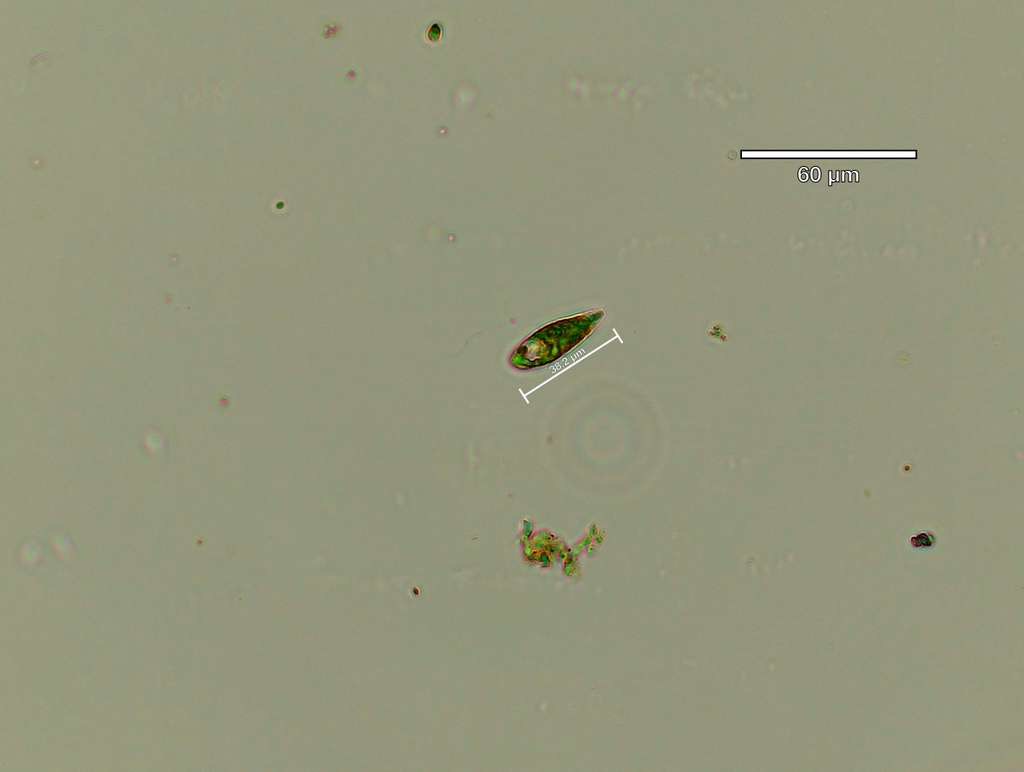
💡 Today I Discovered (TID): Chasing a Mystery Algal Bloom in the Mid-Atlantic Bight
This year, an extraordinary phytoplankton bloom stretched across coastal waters from MA to NJ. What caught the attention of The Goes-Gomes Lab was not just its size, but who was blooming. Learn more: https://t.co/1aOMx0ZY6i
📣 Postdoc opportunity alert! Join our dynamic community of Earth, environmental, climate scientists as LDEO postdoctoral fellow. Principal criteria: scientific excellence + clear plan to investigate problems at forefront of Earth science. ➡️ Apply by Nov 6: https://t.co/fPQKVydKNg
This #ClimateWeekNYC, as @ClimateGroup's education partner, we're bringing bold ideas, leading experts, and groundbreaking research to shape the conversation on climate action. Explore some highlighted events and learn more via State of the Planet: https://t.co/j7I333rnZv
Methane emissions in the NYC-metro area are largely from natural gas, but these emissions represent a substantial amount of fuel consumers are paying for but not using, finds a new study led by PhD student and @LamontEarth climate researcher Yuwei Zhao: https://t.co/31gjP5RmwL
Extreme heat has become more common, but also more frequent in the months before and after typical warm seasons, finds a new study led by climate scientist Catherine Ivanovich of NASA GISS. Via State of the Planet: https://t.co/jAiAGq3HJW
"Solar bonds" are a financial model that could cut the cost of installing solar panels for many UK and US homeowners, shaping what energy independence looks like over the next decade, writes @columbiaclimate Dean Alexis Abramson. Via The Guardian. https://t.co/JXUiJ24OEd
Gain strategic skills to lead resilient organizations in the face climate hazards like super El Niño in our 7-week, virtual professional learning workshop taught by @columbiaclimate professor Radley Horton. ➡️ Register by Sep 15: https://t.co/RNvB4mjpel
This #ClimateWeekNYC, as @ClimateGroup's education partner, we're bringing bold ideas, leading experts, and groundbreaking research to shape the conversation on climate action. Explore our events, stories, & updates on the lead-up & throughout the week: https://t.co/Rq23lQWJ1X
📣 Job Alert! @LamontEarth's Geochemistry division seeks an Associate Research Scientist to conduct paleoclimate and ice core research, mentor students & junior scientists, write scientific papers and grant proposals, and more. ➡️ Learn more/apply/share: https://t.co/TTONsESHIz
Paleoceanographer Bärbel Hönisch of @LamontEarth explores what ancient oceans reveal about atmospheric CO2 and climate, why the speed of modern climate change matters, and whether humanity has reasons to be optimistic. Via Omelas Podcast. https://t.co/ht556qfBSe
Geochemist Benjamin Bostick and atmospheric chemist Róisín Commane of @LamontEarth measured the air in and around New York City apartment buildings. What they found surprised them. Via @columbiamag. https://t.co/fdZVtP7t8W
From long-term analysis of landfill methane emissions to unexpected trends in US extreme rainfall and more, it's our State of the Planet roundup of @LamontEarth research: https://t.co/gd9pWTQo6N
Researchers at @columbiaclimate's @LamontEarth measured the air in and around New York City apartment buildings. What they found surprised them. https://t.co/i2AIc0jJus
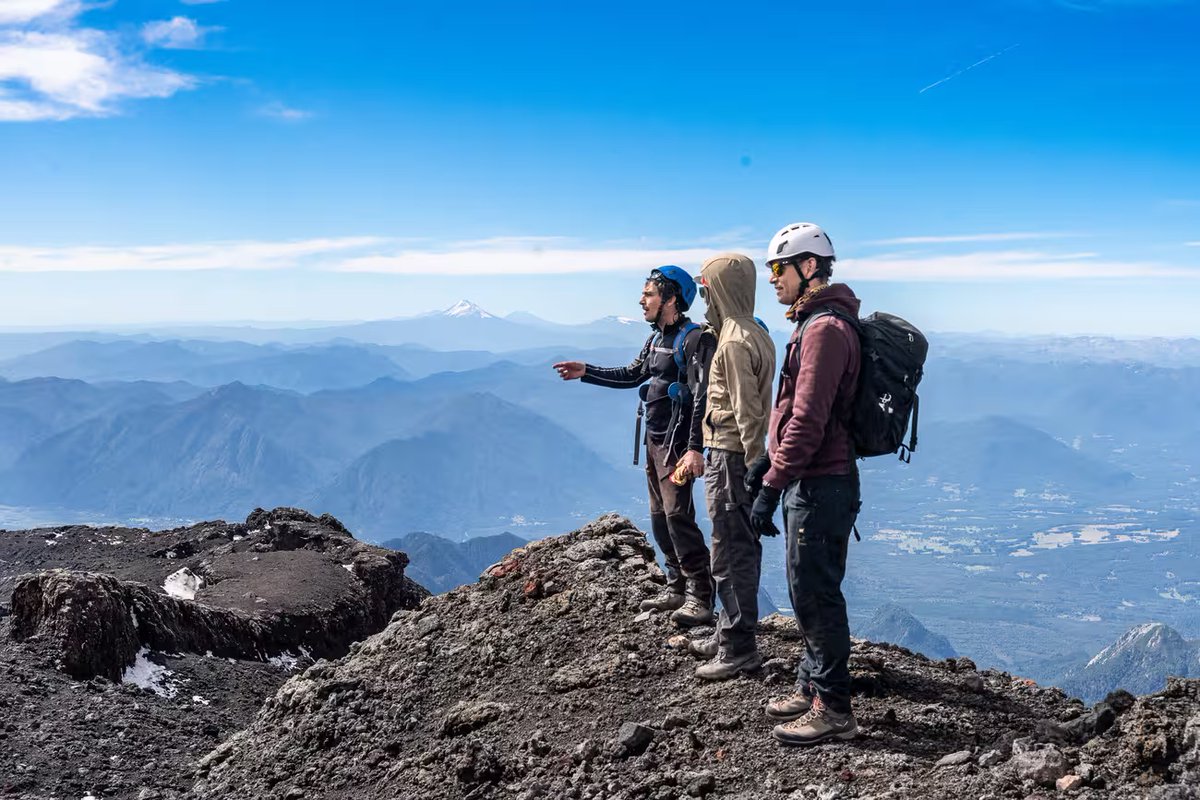
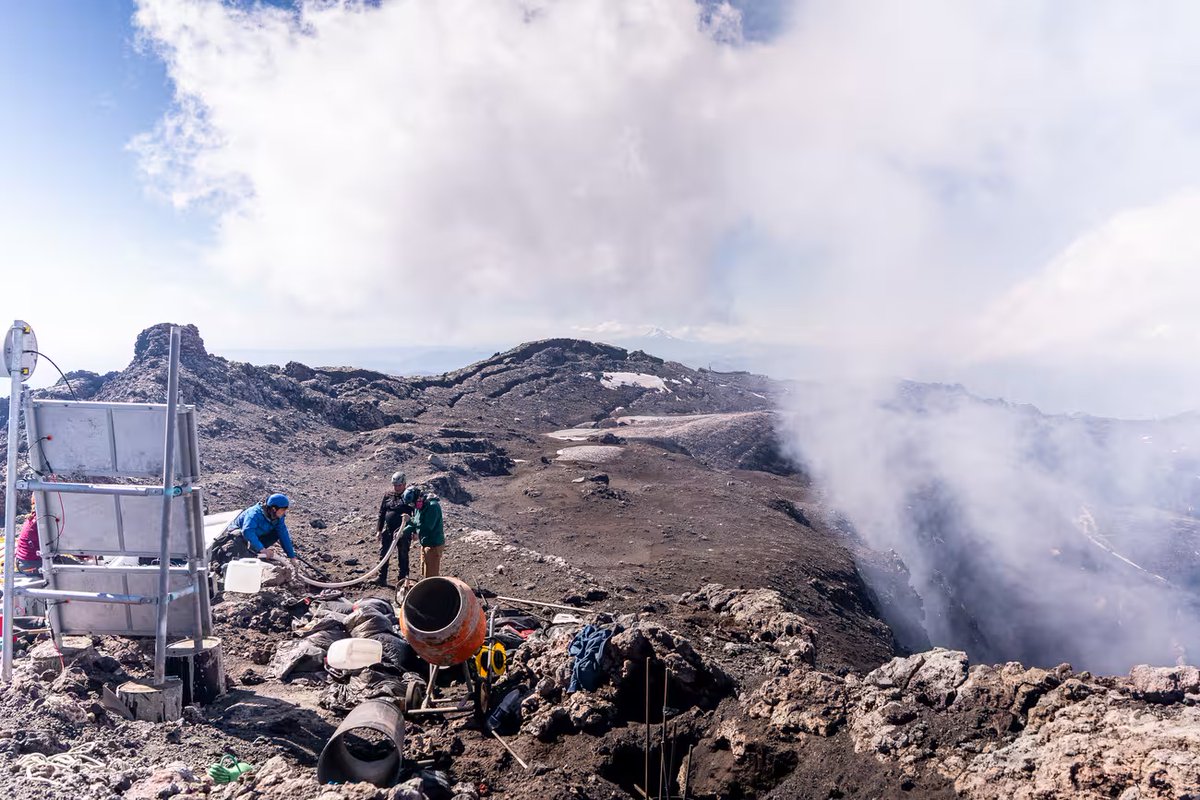
Atop Chile's most dangerous active volcano, scientists from @LamontEarth battled extreme cold, high winds, and even flying balls of hot lava to successfully implement new eruption forecasting technology: https://t.co/uFDR0dgfgE @columbiaclimate
🌋 Wiring the Spirit's House
🌧️ Changing Shape of Extreme Rain
🌡️ Landfill Methane Emissions Are Far Higher Than Estimates
🗓️ Science Saturdays at LDEO Field Station | Oct 17 LDEO Open House
📩 https://t.co/6pQFm8zXVq
“There were landslides there before there was global warming, but global warming has been speeding up that erosional process, and so everything is happening faster, including the number of big landslides,” says @LamontEarth's Göran Ekström. Via @TIME. https://t.co/Ft7t17qLjx
💡 Today I Discovered (TID): Working Toward Solutions for Mitigating Harmful Algal Blooms
At @LamontEarth, HS student Mira Agarwal of The Goes-Gomes Lab (https://t.co/F3Z2JekvV7) is testing environmentally friendly approaches to suppress Microcystis, a major bloom-forming cyanobacterium.
Josie Brooks, a 2025 intern in @LamontEarth Polar Climate Ambassadors Program, reflects on an exhibit at Maine’s Peary-MacMillan Arctic Museum, which explores Inuit food traditions, hunting, art and community: https://t.co/h4cOI2mzFU
Global cooperation by scientists, including @LamontEarth seismologist Göran Ekström, revealed a landslide, not a glacial collapse, likely initiated the cascade of events causing the devastating flood in Tibet and Nepal. Via @sciencemagazine. https://t.co/AzI5YifXN8