I've created a #SHACL processor https://t.co/yV3YGuo18C for dotNetRDF https://t.co/YdRpWeb7CA. Fully compliant with SHACL Core and SHACL-SPARQL https://t.co/RZK4ZCbWGA.
Feedback most welcome.
Version 2.0 of Inrupt's Enterprise Solid Server is available!
ESS 2.0 focuses on the most pressing needs of organizations delivering Solid-based services to millions of users.
Read more on our blog: https://t.co/oGBas56KFw
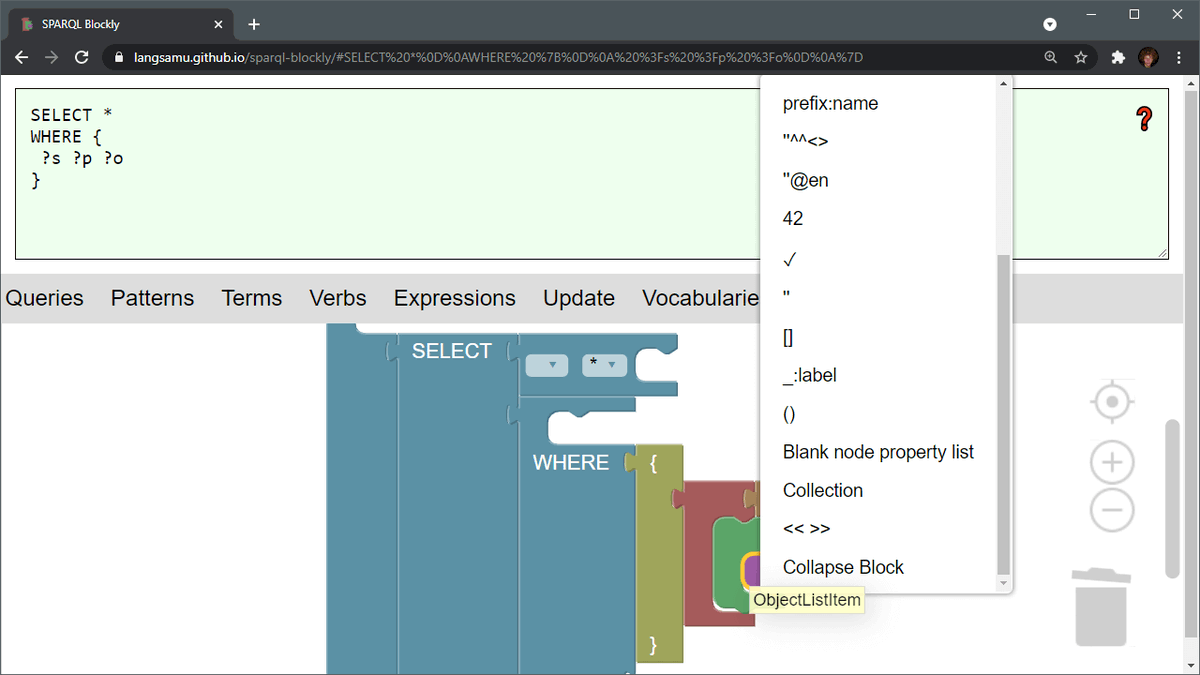
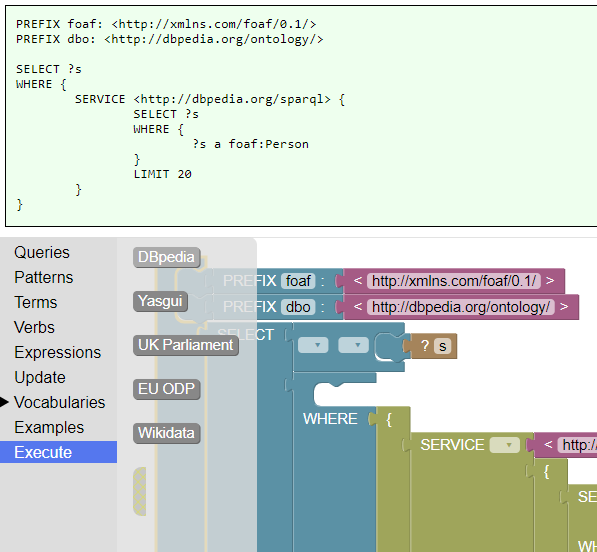
Visual SPARQL
https://t.co/Vn4JEybHgh
I've created an app and JavaScript library to visualise and construct SPARQL using @google#blockly.
It supports all of SPARQL 1.1 Query, Update and SPARQL*.
@namedgraph@chrisalcockdev Works on in-memory graph representations instead of serialisations and relies on @RobVesse's implementation https://t.co/fciWCLwl0Z of the diff algorithm from RDFSync https://t.co/m0qd6QYzag
@namedgraph@chrisalcockdev and I built something similar for dotNetRDF https://t.co/pN8Ag8fcfw: Calculate the difference between two graphs and translate it into a SPARQL UPDATE.
You might find the discussion in the PR and the test cases https://t.co/qH4hJC1qhu helpful.
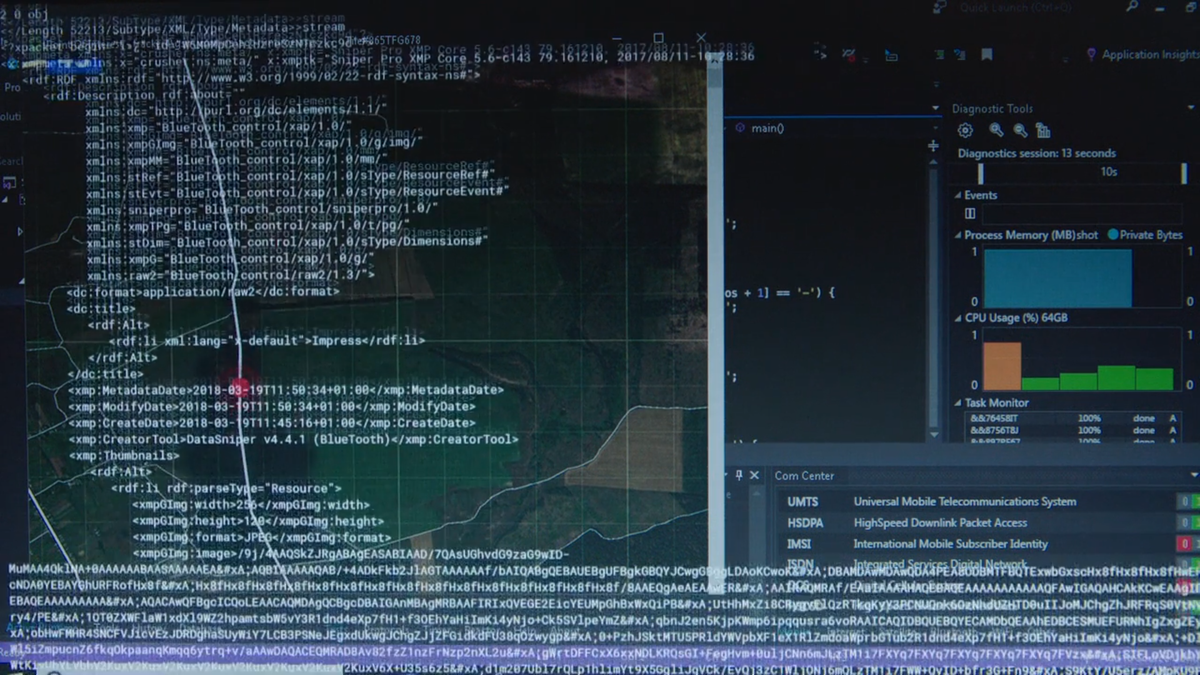
Almost as good: RDF/XML (XMP) says the top secret document our hacker just magically decrypted is a PDF created by Illustrator, normal procedure in rogue corporates.
Is this a TV trope or a conspiracy?
https://t.co/1sVfr15HD0
Best bullshit hacking screen ever.
First time I've seen RDF on TV: Hacker uses XMP (complete with Base64 encoded thumbnail I wish I bored enough to decode) to break into a phone. Debugging with VS in the background as well.
From the otherwise excellent https://t.co/eRgIaWEm1L
Find someone who knows things. Find a whiteboard. Get them to tell you stories about all the things they know. Draw some bubbles. Let them keep talking. Draw lines between the things they say are connected