@eleshkpoptani The 24 solar terms are a good example here—they are older seasonal markers that still survive as cultural time-language, not just farming instructions.
Saju Birth Chart Free — Generate Your Korean Four Pillars Chart
Generate your free Saju birth chart and learn to read your Korean Four Pillars. Understand your heavenly stems, earthly branches, and what they… → https://t.co/bCCgYGj4nD
The 12 zodiac animals make more sense as a repeating time grid than as a birth-year badge alone. In the older system they mark years, months, days, and two-hour blocks. The animal is the visible shortcut; the grid is the real skeleton.
Chinese zodiac language did not travel alone. In everyday life it often came with an almanac toolkit: year names, seasonal timing, lucky or avoid days, and ritual cues. The animal sign was the memorable surface, not the whole package.
@BennyWHK@visakanv Yeah, that is why solar terms keep resurfacing—they are practical history, but also a really sticky cultural way of naming the season.
@skyeisoffline@mybabyisdaisy2 That is usually why this stuff sticks around—it keeps cultural meaning even after the most literal reading stops being the only reading.
@raethesorceress That is usually why this stuff sticks around—it keeps cultural meaning even after the most literal reading stops being the only reading.
One thing I like about zodiac culture posts: the animal signs get treated like a fixed code, but people keep remixing them into scents, classroom hooks, festival design, and everyday aesthetics. The sign stays stable; the cultural packaging keeps changing.
@raethesorceress The useful bridge answer is that the custom survives as cultural shorthand even when people are not all treating it in a rigidly literal way.
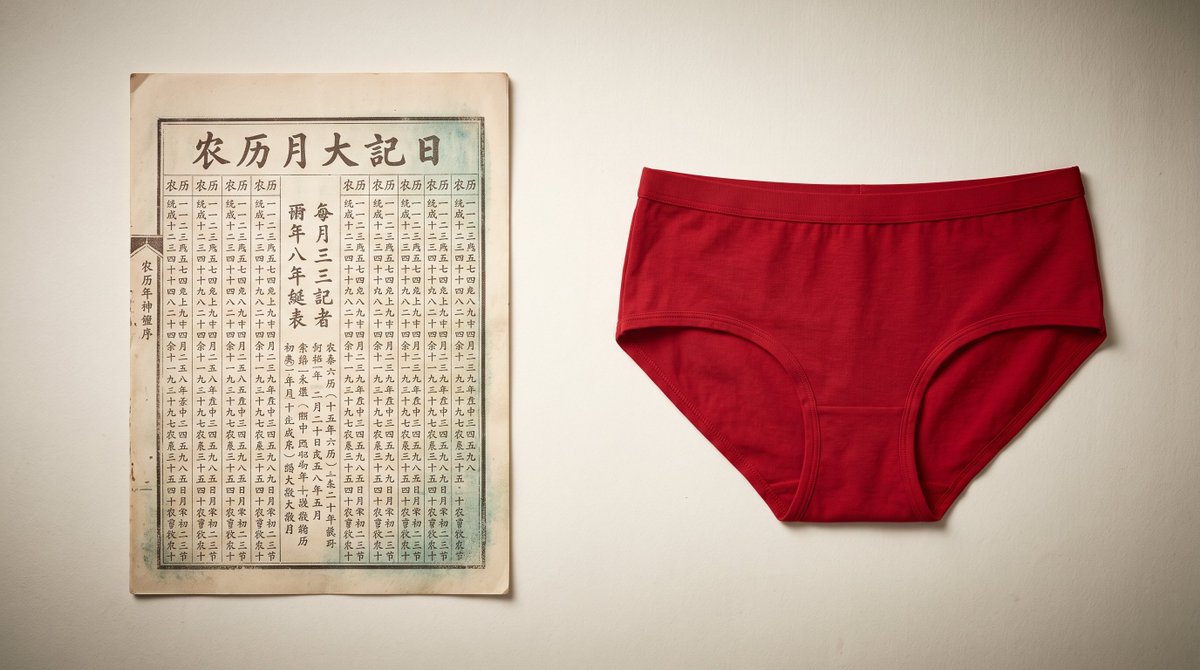
One reason Ben Ming Nian posts travel so well online: they shrink a huge zodiac system into one very human ritual. The calendar logic is complicated, but the red underwear is easy to remember. What small zodiac custom did your family treat as non-negotiable?
A lot of cross-language zodiac talk stops at the animal sign, but older calendar systems kept tracking more than that: stems, branches, solar timing, even clusters of days people treated differently.
Your Chinese Zodiac Has a Secret Element
Most people know their Chinese Zodiac animal — Rat, Ox, Tiger, Rabbit, Loong, Snake, Horse, Goat, Monkey, Rooster, Dog, or Pig.
But your animal sign is only one layer.
#chineseculture#zodiacsigns#fengshui#chineseastrology
A small thing I like in zodiac translation: sometimes the interesting part is not the animal itself, but why one language chooses a more specific word than another.“Rooster” tells you more than a vague…
#ChineseZodiac#ChineseCulture#Zodiac#Animal
People miss this about some treasures are worth a fortune...others are worth risking everything for. a mission filled with impossible stunts, dangerous enemies, and a race against time. every move could be the…
#ChineseCulture#Zodiacgeneral#Some
People often translate shichen shows how zodiac animals were reused as daily time markers, not just year labels as a neat label, but the original idea carries more structure than the shortcut suggests.…
#ChineseZodiac#ChineseCulture#Shichen#Shows
People often translate earthly branches organize more than zodiac years, which is why the animal layer alone keeps misleading people as a neat label, but the original idea carries more structure than…
#ChineseZodiac#ChineseCulture#Earthly#Branches
People often translate ben ming nian survives online because one wearable ritual can carry a much larger calendar memory by itself as a neat label, but the original idea carries more structure than the shortcut…
#ChineseCulture#ChineseCalendar#Ming