I’ve recently been working with frontline NHS teams to explore the powerful role that “microcultures” can play as enablers of change.
Research points to the importance of “cultural readiness” & “relational connection” in creating the conditions for large scale change & improvement. But if we have to wait for a organisational culture to change, it might be a long wait. Supporting frontline leaders & their teams to develop “microcultures” - distinct sets of norms, behaviours & values that emerge within smaller groups inside larger organisations - can have a significant & measurable impact on productivity & performance outcomes. Rather than being a sign of weak strategy or lack of consistency, there’s increasing evidence that strong microcultures are valuable assets that can drive engagement, innovation & adaptability across an organisation.
Ways that leaders can support the development of microcultures for high productivity & performance:
•Define a microculture by focusing on the work: by honing in on connection around the work to be done, teams & leaders can collaborate to define how and where they work together best
•Provide strategic direction centrally but give team leaders freedom & support to develop cultures that align with their team's working style
•Undertake “guided conversations” with frontline leaders to understand the drivers & barriers to doing their best work & action plan for improvement together
•Create physical and virtual spaces for microculture gatherings and make these connections a priority
•Invest time connecting with different groups to understand the unique dynamics of existing microcultures and build relationships with their members
•Regularly connect team activities & achievements to broader organisational objectives to help teams see their value within the bigger picture
•Always, always follow up as trust is the foundation of healthy microculture relationships
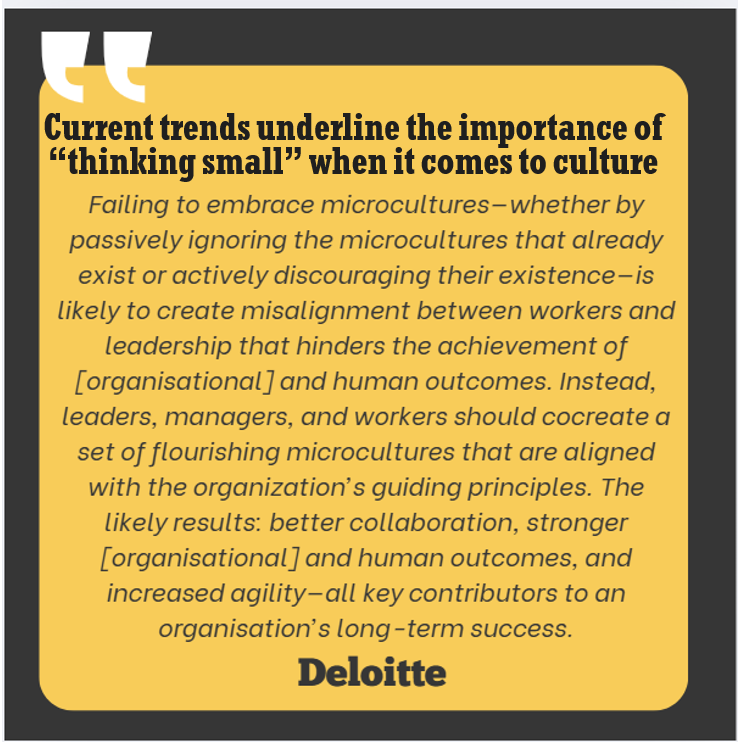
One of the best leadership guides to supporting productivity & performance improvement through the development of microcultures is by @Deloitte: https://t.co/no2PYjVBRA
The feedback window has now opened for first year students @Stirling_Nurse completing placement this week. Please encourage students to complete this on QMPLE as all feedback is important.
In a new blog this month, Samantha Warne reflects on the top 10 most popular pieces of content on the hub in 2024 https://t.co/MOMchh3nuP #pslhub#patientsafety
Exciting times ahead. Delighted to be appointed Director of the Centre for Healthcare and Community Research (@CH_e_CR). The Centre has a great interdisciplinary team conducting meaningful and impactful research, both nationally and internationally: https://t.co/ZmNmPoFlVM