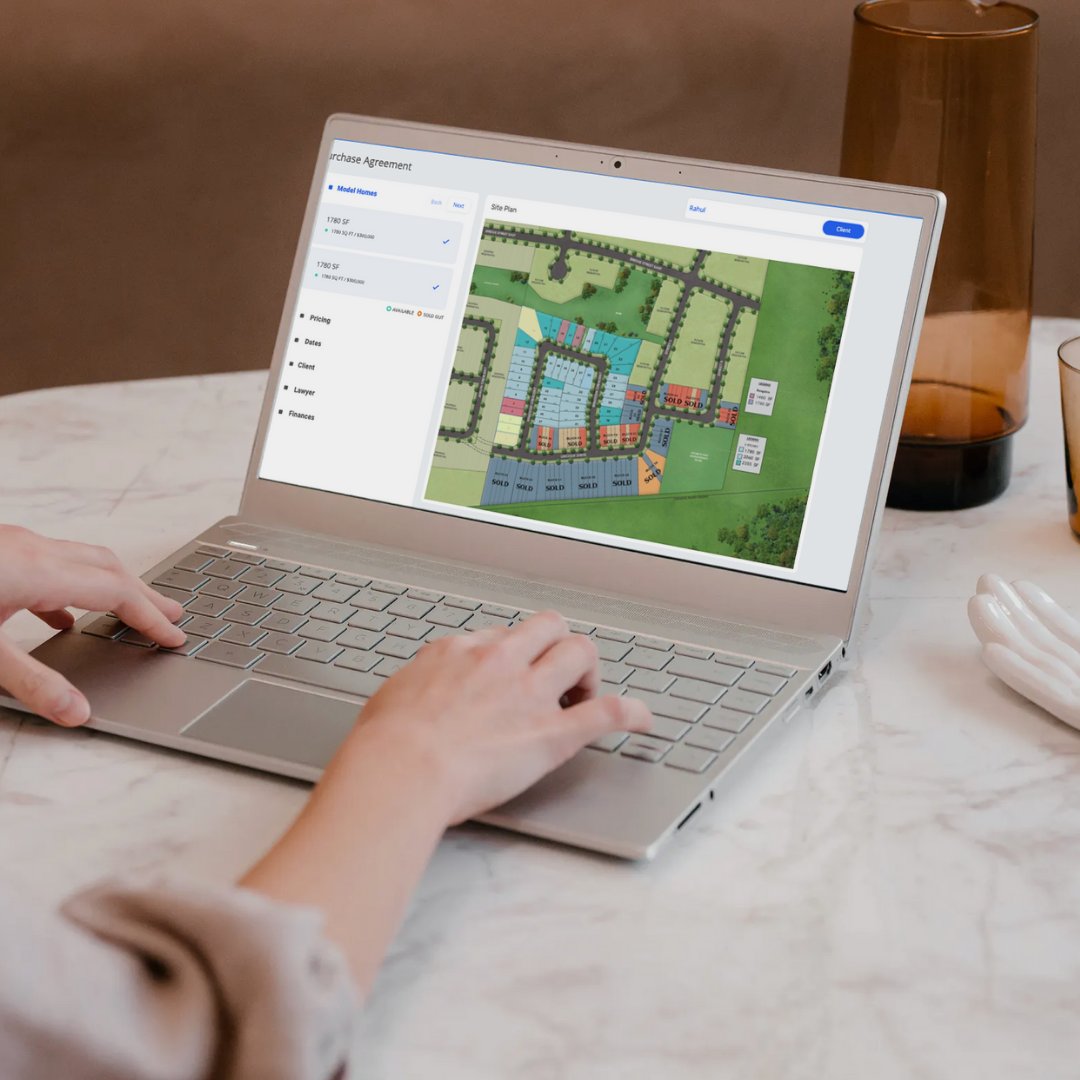
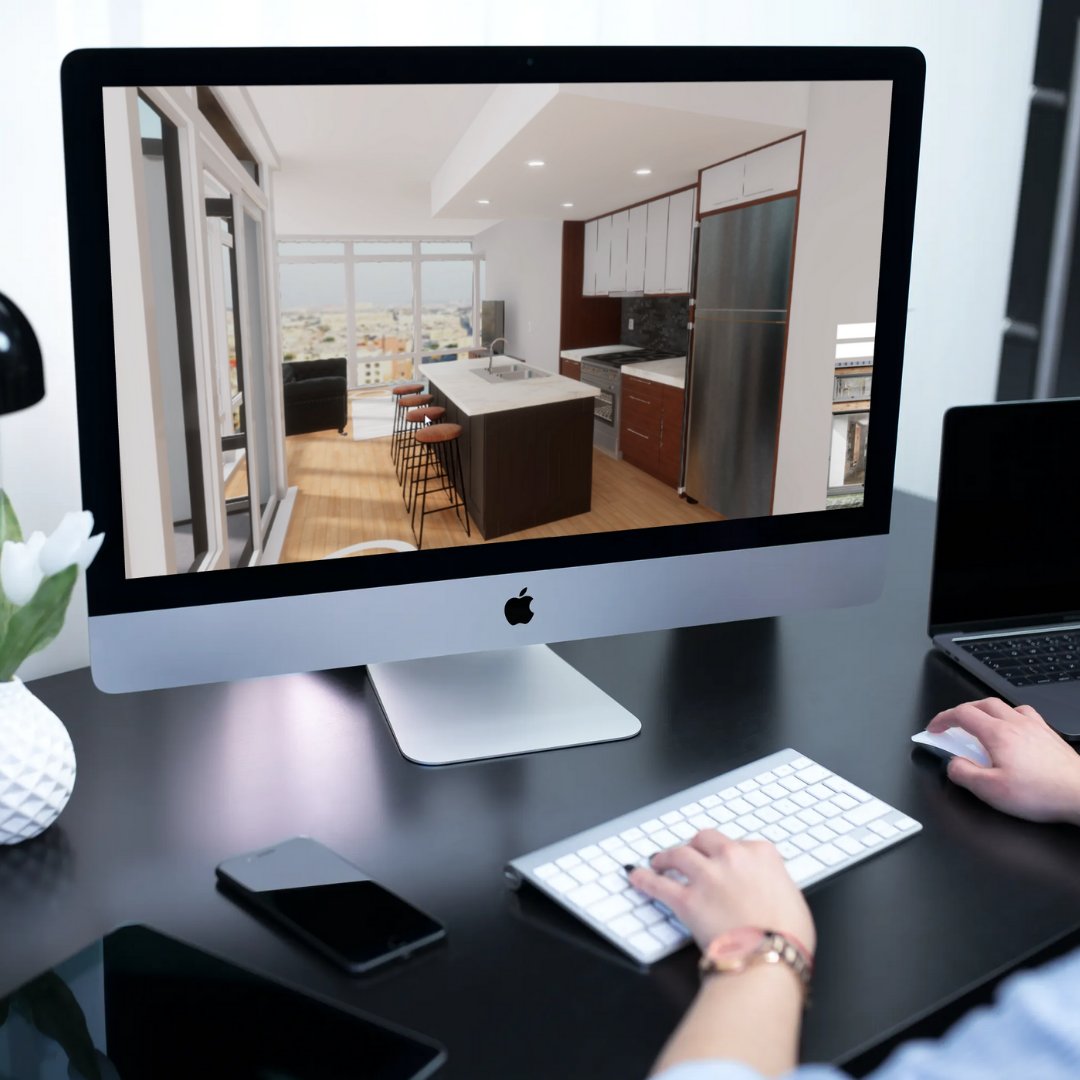
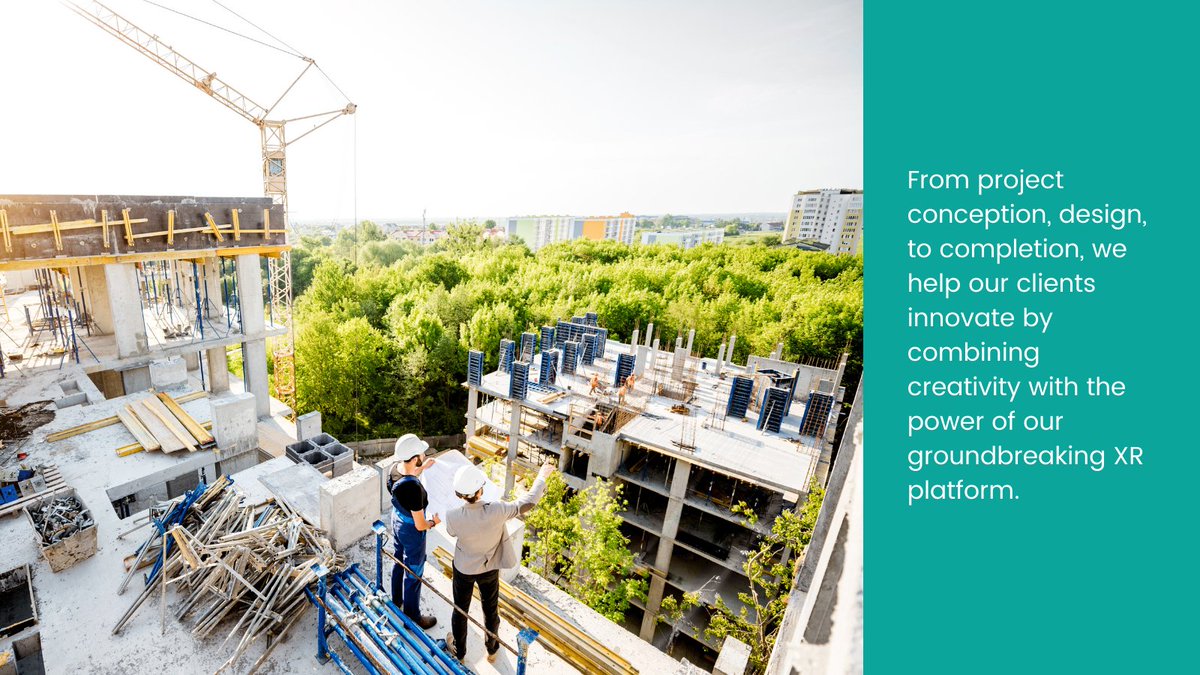
🚀 Builders, meet your new digital sidekick! Our latest software is designed specifically for home builders to streamline projects from foundation to finish. Explore now: https://t.co/m8vKdhzzWj🏠 🛠️ #homebuildertech#proptech#website
COMING THIS FALL! #Honeystone at Heritage Heights is a vibrant new community enriched with culture and convenience. Register at https://t.co/G0Om5Oxneu to receive first access to home designs, site plans and more!💛 #DecoHomes#DesignForward#Brampton#ComingSoon#NewCommunity
Tesla's FSD v12 is a REALLY big deal.
Last night @elonmusk livestreamed a ~45-minute video of a Model S driving itself around using Tesla's latest self-driving software, FSD v12.
Self-driving is something the company has been trying to solve since Tesla Autopilot was released in 2015. Since then, Tesla has made steady progress improving the code to handle all kinds of road situations, has added cameras around the car, and removed sensors, all the while rewriting the code multiple times to solve for things the car couldn’t handle.
And even though Tesla cars can drive themselves in many situations, the biggest challenge with self-driving cars is the thousands (or millions) of situations drivers face on a daily basis that are completely unexpected or difficult to solve for, like other drivers acting irrationally, inclement weather, debris on the road, weird (or lack of) lane markings, etc.
Up to this point, Tesla and other companies have to spend a large amount of time running through simulated scenarios to generate code that would teach the system how to handle these situations. This code is oftentimes written by a human and needs to account for every variation of something happening on the road. And even then, there are thousands (or millions) of situations that a simulation won’t come with, since real life is so damn complicated and complex.
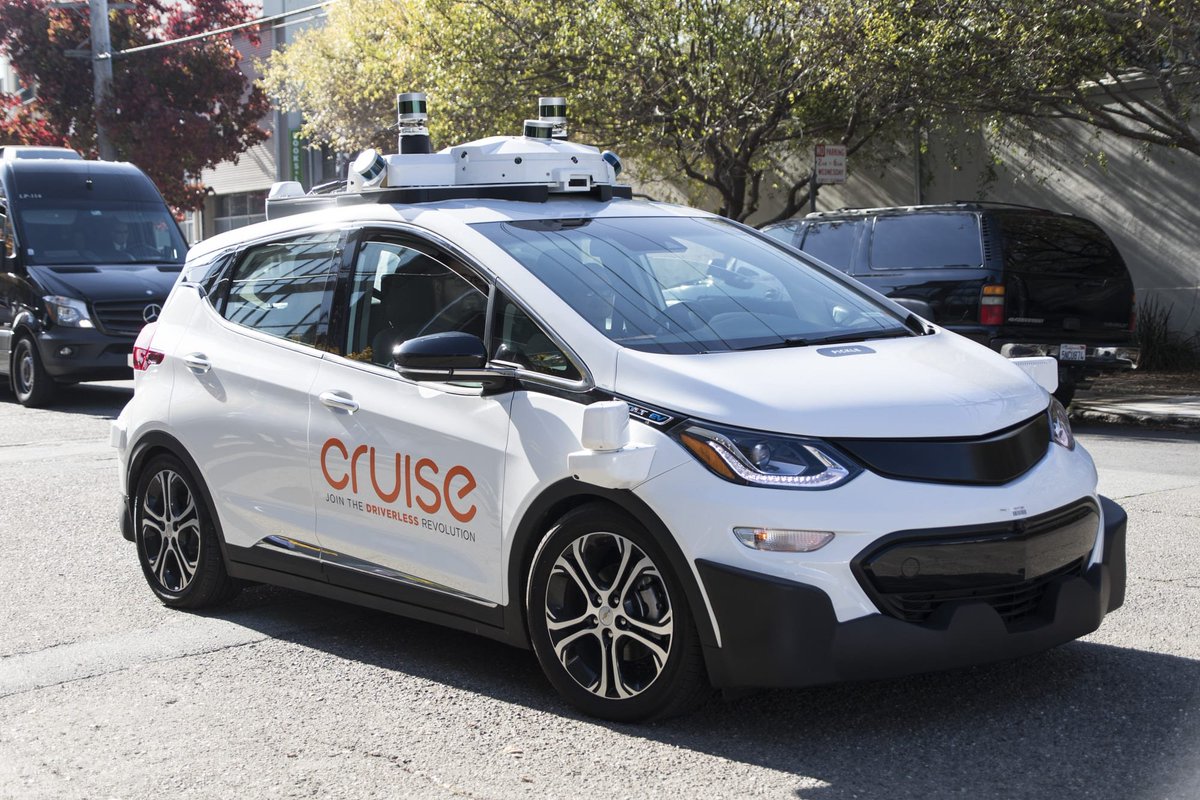
The approach many have taken to try and solve this problem is by overfitting their self-driving cars with a ton of different sensors like LIDAR, radar, ultrasonics, cameras, and other sensors in addition to generating High-Definition maps of the areas where the cars are meant to be driven in. They’ve done this in hopes that there’s a combination of sensors and map data that would allow them to solve for the most unexpected situations. Here’s a picture of a GM Cruise vehicle that uses this approach.
However, yesterday’s video has demonstrated a breakthrough in how self-driving cars can operate.
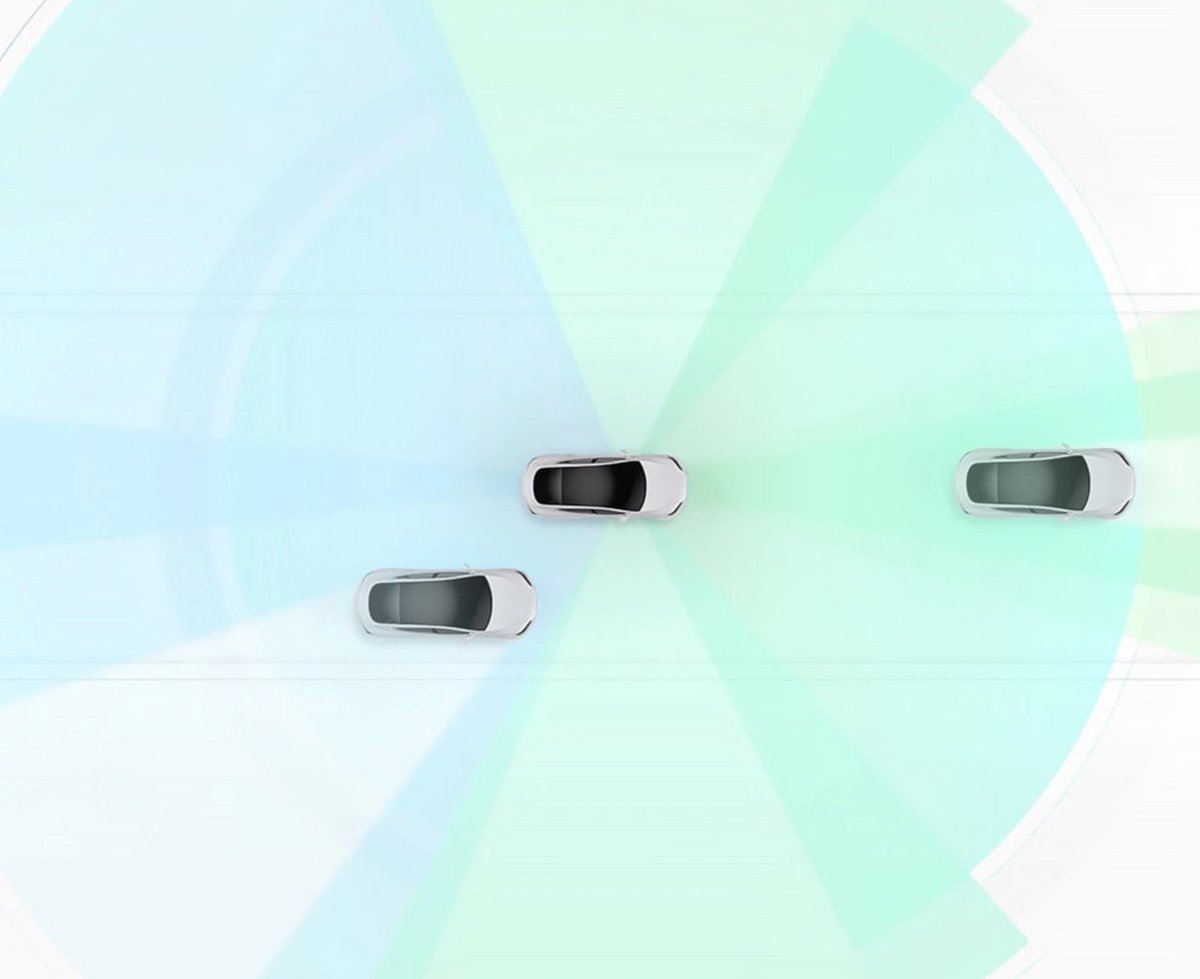
Instead of using many sensors and hardware on their cars to process the world, Tesla is using 8 cameras and a computer that’s specifically built to process video data. That’s 9 total parts vs everyone else’s 30, 40, 50+ parts to process the world.
Using only vision to process the world and not needing things like LIDAR, radar, and other sensors to interpret the physical objects around the car is impressive enough, but HOW the car learns to do this is what the real breakthrough is.
With FSD v12, Tesla takes the video data that is collected by its fleet of ~4 million cars and runs it through an AI that is built using Neural-Nets (like ChatGPT but for the real world), and then the AI figures out what the car should do based on what it sees.
What’s important to highlight here is that Tesla has done 0 work in telling the car how it should interpret the world. That means that the AI doesn’t explicitly know what a lane is, what a traffic light is, what a stop sign is, what a cone is, what a pothole is, what rain is, etc.
What Tesla does is it shows the AI a metric-ton of video of a car driving around using the 8 cameras that are outfitted around the car, and the AI learns how to do the same. The more video Tesla feeds it, the better the system gets. The more unique situations that are collected from the fleet of Teslas, the better the system gets at accounting for those situations.
This “AI code” will then be beamed to every Tesla in the world, and the on-board computer will be able to process its surroundings without the need to connect to Tesla’s AI server. It’s no different than you or I getting into a car and driving it. Instead of our 2 eyes collecting video around us and using our brain to process the info, the 8 camera system will collect the video and Tesla’s on-board computer will process it using the “AI code”.
In other words, Tesla has moved away from humans figuring out how to write code that tells the car what to do, and instead feeds video to an AI, and the AI figures out the best way to account for every situation.
The only thing Tesla needs moving forward is more video and more compute power (chips) to process videos.
That’s it.
This is profound. Everything that is captured on video with the 8 camera system is something the AI will be able to figure out how to navigate through. Snow. Potholes. Deer. Cyclists. Aliens. You name it. And this “code” that is generated by the AI will get better and better as Tesla’s compute capabilities grow with their purchases of NVIDIA’s H100 chips and the build-out of their in-house DOJO compute system. Not to mention the growing fleet of Teslas that will capture more and more video data around the world. Every Model S, 3, X, and Y that is sold today is a video-capturing robot that feeds the AI. And every Cybertruck and Compact Car will be the same.
And believe it or not, it gets even crazier.
Now that Tesla has come up with a real-world data collection and processing system with its cameras and on-board computer, this same system can be used on other physical products that can learn how to move around its surroundings.
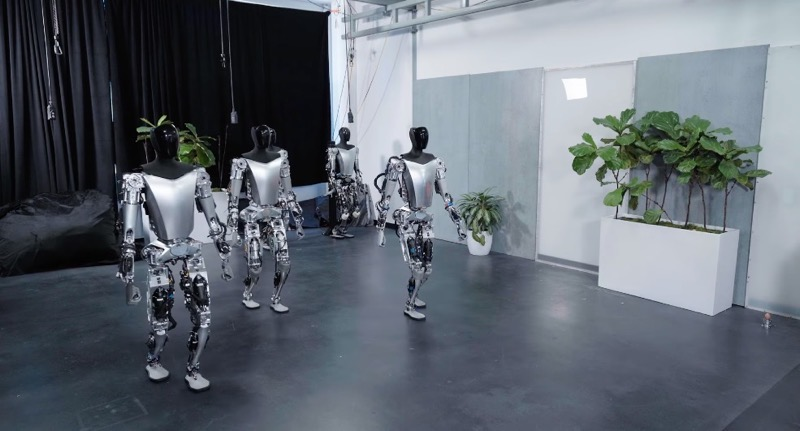
This is where Tesla’s Optimus Bot comes into play. Tesla will be able to use its 8 camera system on the Tesla Bot to collect video of its surroundings, beam it back to the AI, the AI figures out how to best do that thing that it’s collecting video for, and then beam back the “AI code” for the Bot to process with its on-board compute.
We are not far away from a world where a humanoid robot watches you do the dishes, sends back the data to the mothership to process it, and then the next morning the Bot has learned how to do the dishes - not only using the video it gathered from you doing it, but from every other person in the world washing dishes.
Do this process with literally anything.
ChatGPT showed the masses what the potential of AI can be. NVIDIA showed the masses just how much demand there is for hardware that is used by AI systems.
And now, Tesla just showed the masses what AI means for real-world physical applications.
The world has changed - again.
Steve Jobs was the single largest individual shareholder in Disney and it all started with this $5 million check.
The year was 1986 and Steve Jobs was in exile from Apple.
The company that would one day become Pixar was called Graphics Group. Graphics Group was owned by Star Wars creator George Lucas.
George Lucas was getting divorced and needed to sell off some assets.
Steve Jobs agreed to give George Lucas $5 million and invest another $5 million in the company.
This was not the first time Steve Jobs had expressed interest in the technology behind Graphics Group.
When he was still at Apple, Jobs tried to get Apple’s board to buy the company.
They turned him down.
This is Steve explaining why he was interested in acquiring Graphics Group:
“These guys were way ahead of us on graphics, way ahead. They were way, way ahead of anybody. I just knew in my bones that this was going to be very important."
Steve would eventually invest $54 million of his own money in Pixar.
After several years of failing to sell The Pixar Image Computer, Pixar decided to go all in on making films.
After years of poor sales and rising expenses they were short on cash. To solve this problem Steve signed a deal to produce 3 animated films for Disney.
The first of these movies was Toy Story —the world’s first computer animated feature film.
Now here is where this story gets really interesting:
Steve decided to capitalize on the publicity of Toy Story’s release and take Pixar public at the same time.
Toy Story was released on November 22, 1995.
Pixar went public on November 29, 1995.
Steve's two partners — Ed Catmull and John Lasseter — did not want to go public.
They thought it was too early. They wanted to do a few more films first.
Then Steve laid out his strategy and told them what was likely coming from Disney.
Steve said let’s assume Toy Story is a big success (it was —grossing over $370 million).
When that happens the CEO of Disney — Michael Eisner — will realize he inadvertently created a rival for Disney Animation.
Pixar only had to make two more films for Disney and then they’d be free to do as they like.
Steve said Eisner’s next move would be to try and renegotiate with Pixar and keep Pixar close to Disney.
Steve said if they went public and had more money they’d be able to negotiate better terms with Disney.
Steve wanted a 50/50 split with Disney on returns. In order to request this Pixar had to be able to put up 50% of the production costs.
Going public would allow Pixar to afford this.
The time is now Steve said: "This is our moment."
And he was right. Toy Story was a massive success and Pixar's IPO raised $140 million -- the biggest IPO of 1995.
A few months later Eisner approached Jobs and said he wanted to keep Pixar as a partner.
Eisner accepted Steve’s 50/50 deal.
This partnership wasn't going to last. Steve Jobs and Michael Eisner couldn’t get along.
A few years later negotiations broke down completely and Pixar started looking for other partners.
Then Michael Eisner got fired. The new CEO of Disney was Bob Iger.
When Bob Iger found out he was going to be the next CEO he called his daughters first.
The next person he called was Steve Jobs.
He told Steve he valued Pixar and wanted to make a deal. This is Bob explaining why he felt Disney needed to buy Pixar:
“Michael [Eisner] didn’t understand that Disney’s problems in animation were as acute as they were. That manifested itself in the way he dealt with Pixar. He never felt he needed Pixar as much as he really did. Every negotiation needs to be resolved by compromises. Neither one of them [Eisner and Jobs] is a master of compromise.”
How did Bob Iger realize how badly Disney needed Pixar?
By watching a parade at Hong Kong Disneyland
Iger realized that the only characters in the parade that had been created in the past decade were Pixar’s:
“A lightbulb went off. I’m standing next to Michael [Eisner], but I kept it completely to myself, because it was such an indictment of his stewardship of animation during that period. After ten years of The Lion King, Beauty and the Beast, and Aladdin, there were then ten years of nothing.”
Bob begins to negotiate with Steve to buy Pixar and does something very unusual:
He tells Steve how badly Disney needs Pixar.
Even more surprising this tactic worked. This is how Steve reacted:
“That’s why I just loved Bob Iger. He just blurted it out. Now that’s the dumbest thing you can do as you enter a negotiation, at least according to the traditional rule book. He just put his cards out on the table and said, ‘We’re screwed.’ I immediately liked the guy, because that’s how I worked too. Let’s just immediately put all the cards on the table and see where they fall.”
Disney purchased Pixar for $7.4 billion in Disney stock.
And Steve Jobs went from the single largest shareholder in Pixar to the single largest individual shareholder in Disney.
"Dive into innovation with our tailored software solutions, turning your home-building dreams into reality. Because at Clay, we believe in the power of technology to build better, smarter, and more efficiently. 🏠 #HomeBuilders#SoftwareSolution"
This sweater developed by the University of Maryland is an invisibility cloak against AI.
It uses "adversarial patterns" to stop AI from recognizing the person wearing it.
Our client, @Kozyheatfireplaces, uses Kavtek's #augmentedreality to allow potential customers to build their own custom fireplace and see how it would look in their room from the comfort of their home. 🔥
Kavtek's hyper-realistic #3D makes virtual walkthroughs fun, easy, & engaging. If you are marketing #realestate properties or home development projects, Kavtek is an easy, affordable & convenient way to enable home buyers to take a virtual walkthrough of your properties.
Looking for the world's leading software for residential and #commercial industries? We've got you covered.
Unlock the power of #XR today at https://t.co/bxTZRtcnE1.
Kavtek's #software has #encrypted e-signature with live lot/home selector. Your digital signature and the document are cryptographically bound and secured with a tamper-evident seal.
Find out more at https://t.co/bxTZRtcnE1.
Hyper realistic interactive #3D 💫
#AR in #realestate helps agents to tell a story about the property. It gives an interactive tour that leaves a lasting impression. Buyers can now see how they can start a new life
there.
#XR for real estate is revolutionizing how buyers shop for new homes. Eliminating the need for building large and expensive model homes, virtual reality for #realestate seamlessly integrates a whole new buying experience. 🌎
Kavtek is transforming the #realestate and commercial market! #XR allows professionals to offer a more personalized and unique experience to the client.
Find out how Kavtek can help you by visiting https://t.co/bxTZRtcnE1.
Communicate your vision with greater clarity and gain the trust of clients. Both #realestate and commercial industries are already reaping the benefits of immersive #technologies. 🌍 https://t.co/bxTZRtcnE1
Introducing the newest version of BeautiTone Live by @home_hardware. 🎨 This update uses Kavtek’s cutting-edge #augmentedreality (AR) with exciting new features for a fast, seamless way to visualize any BeautiTone colour on your walls in real time! ▶️ https://t.co/KCXSunJtlS
Add customization to your sales experience. ☁️
With Kavtek, you can easily increase #buyerconfidence and engagement with interactive walkthroughs and personalized user experiences. #3d#realestate
By enabling your prospective clients to see your properties in #3D, you can stand out from the competition and provide an immersive experience that is not possible with photos or #360tours.
Contact us to set up your demo https://t.co/bxTZRtcnE1.