"Since 1961, every single year, the world has consumed more meat, despite a lot of pushback it keeps going up. The solution can’t just be, convince people to eat less meat.” -Bruce Friedrich, President, The Good Food Institute
Tune in: https://t.co/PSQqcPjqrG #FoodTank
There is a strange idea in some environmentalist circles that human population is the main cause of ecological breakdown, and that humans have an *intrinsically* negative impact on ecosystems. Both claims are incorrect.
First, human ecological impact is entirely a function of the system of production and provisioning. It depends on what is being produced, under what conditions, and how the yields of production are distributed.
For instance, an economy that uses mostly public transit, renewable energy, multi-unit housing and plant-based protein can meet human needs with a fraction of the impact of an economy that produces a lot of SUVs, fossil fuels, mansions and industrial beef, and which allocates a bunch of totally unnecessary production to service the fantasies of overconsuming elites.
Remember, we know it is possible to provide decent living standards (DLS) for 8.5 billion people with 30% of current global energy and material use, by ensuring efficient technologies and focusing production on socially necessary goods and services.
That much is fairly straightforward. But one might say that, even so, every person will always have some negative impact. This too is incorrect. Again, it depends entirely on the production system, and specifically, what people are mobilized to do.
Under capitalism, labour is mobilized overwhelmingly to produce things that are profitable to capital. But labour could just as easily be mobilized instead for regeneration. Using straightforward public finance mechanisms, we can fund massive programmes to reforest barren lands, regenerate degraded ecosystems, restore biodiversity, advance agroecological methods, etc.
Under these conditions, it is possible for societies to not only have minimal negative impact on ecology, but to have a net-positive impact, actively improving ecological indicators.
People buy into the myth of the intrinsic destructiveness of humans because we have come to take capitalism for granted. But it is 100% possible to organize production and labour differently.
Under capitalism, we are compelled to produce whatever is most profitable to capital, even if it is destructive to humans and nature. Under conditions of economic democracy, we can produce what we know is necessary for well-being and ecology.
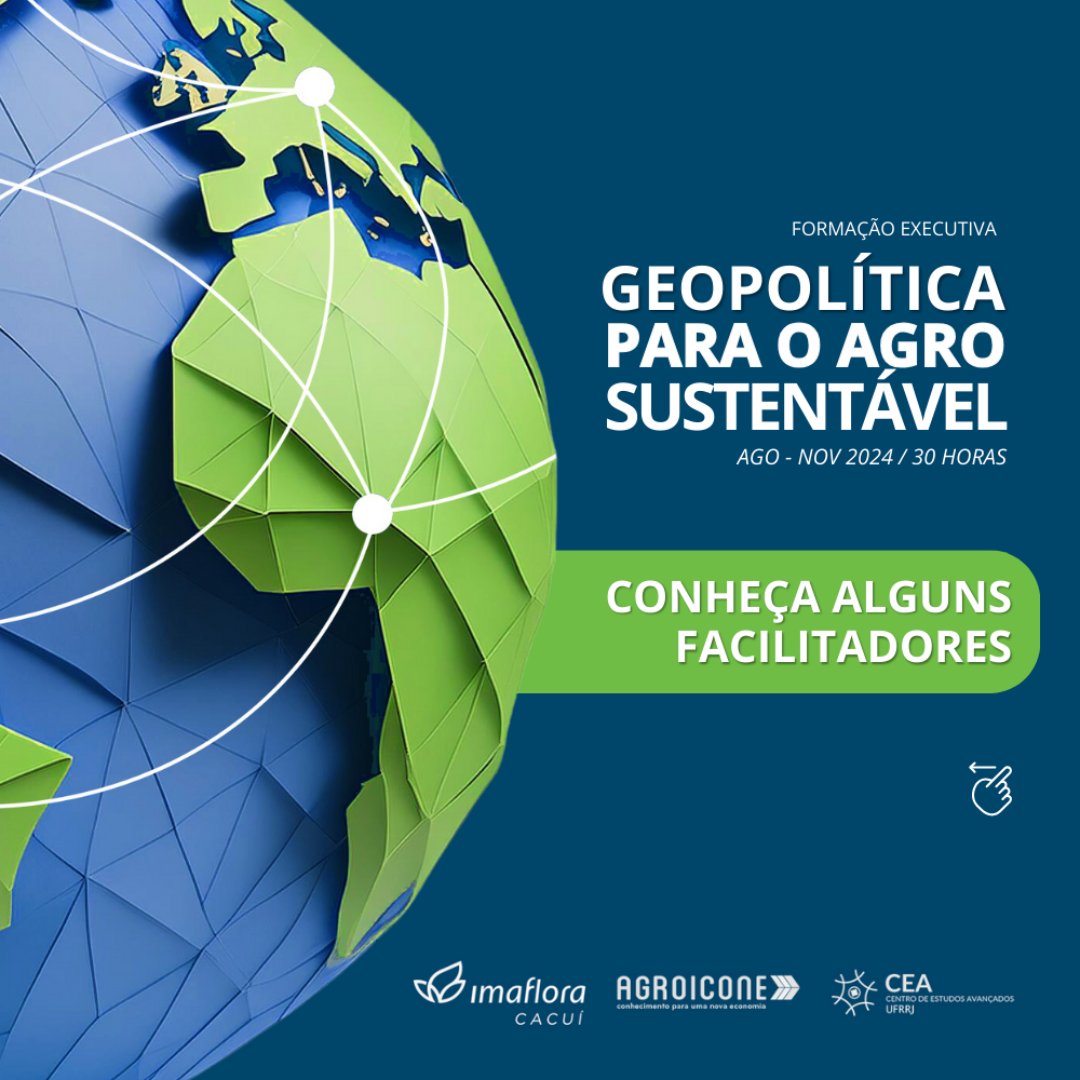
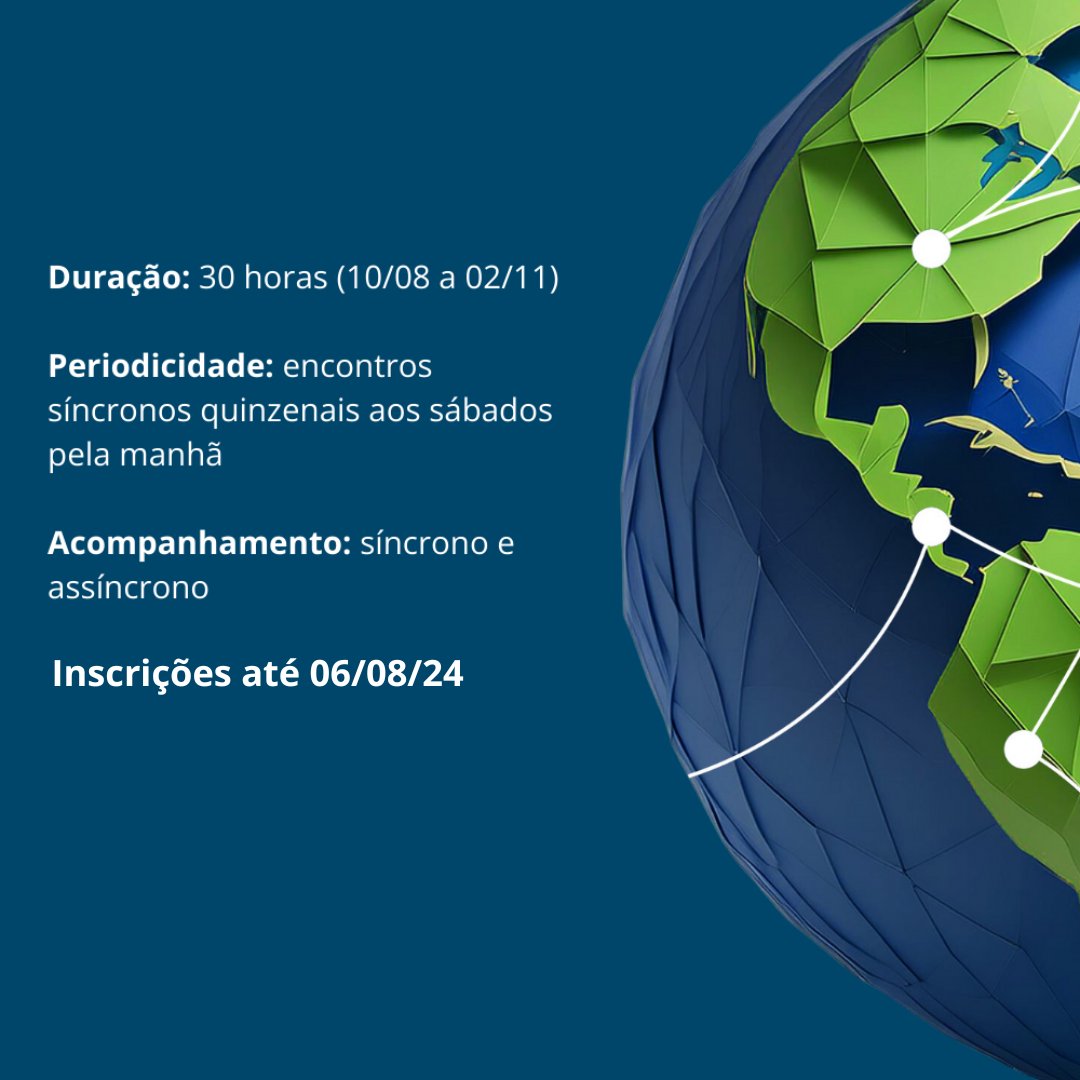
Descubra o time de facilitadores da formação executiva "Geopolítica para o Agro Sustentável". São quase 20 especialistas e executivos com uma longa trajetória em negociações internacionais emblemáticas.
Palestra inaugural com @JamilChade - Saiba mais: https://t.co/El6L9R45km
ENTREVISTA | TOMÁS PAIVA
Comandante do Exército defende parceria com a China: ‘Um país que está no foco de nossos interesses’; leia a entrevista em @EstadaoPolitica > https://t.co/ZpKf8hkwLU
Foto: Wilton Junior/Estadão
@Bob_Fernandes Que ignorante essa frase da Larissa. Existem motivos reais para querer mudar os sistemas de produção agrícola, não é preciso justificar essa mudança com mentiras
Não somos um caso perdido! Segurança pública tem jeito e não pode ser feita só com operação policial. No vídeo, @Cecillia te dá 3 exemplos práticos disso e mostra os resultados na vida da população. Se informe, compartilhe e contribua com o debate da segurança pública no país.
Baixe o vídeo e acesse os sites citados em https://t.co/55LibZRhKd. Em caso de novas perguntas, deixe aqui nos comentários que Cecília responde.
FLUXO DE PASSAGEIROS NOS AEROPORTOS SALTA EM 2023; VEJA OS NÚMEROS
Movimentação foi de 115 milhões de pessoas no primeiro ano do governo Lula, contra 98 milhões em 2022, último ano da gestão Jair Bolsonaro (por @roseannkennedy)
https://t.co/Ucbbrc7f3C
Acordar cedo para ir a aula prejudica desempenho e memória de estudantes. Um desses estudos mais recentes foi publicado em março deste ano na revista Nature Human Behaviour e concluiu que aulas antes das 9h prejudicam o sono e a cognição dos estudantes https://t.co/yTOLeGy9e8