Salvo que seas médico que entonces tu hora de guardia a las 16 se paga lo mismo que a las 4 am. A menos dinero que la hora ordinaria, sin plus de nocturnidad y con una libranza de unas escasas 24h después
Second victim syndrome in surgeons: systematic review and meta-analysis of the impact of adverse events on surgeons
➡️https://t.co/X5fSi2xyiW
🩺 Second victim syndrome (SVS) describes the psychological and psychosomatic distress experienced by surgeons after adverse care events
📚 This systematic review & meta-analysis (36 studies) shows high prevalence of symptoms: anxiety 56%, guilt 54%, sleep disturbance 51%, and sadness 48%
💬 The most common coping strategies were talking with colleagues (73%) and family or friends (52%)
⚠️ Impact was influenced by sex, level of experience, and severity of the adverse event, identifying vulnerable subgroups
🤝 SVS contributes to burnout and attrition, underscoring the need for peer support, resilience training, and supportive institutional cultures that normalize emotional responses and encourage help-seeking
Work by James Bryan , Adele Ketley , Kate Cavanagh , Carly Bisset , Susan Moug , Lynda Wyld , Jenna Morgan
#SoMe4Surgery #MedTwitter #SurgEd #Surgery @RCPSGTrainees @aecirujanos@SEIQuirurgica@iss_sic #MedicalTechniques @BJSAcademy@young_bjs@BJSOpen@evanscolorectal@robhinchliffe1@bplwijn@MalinASund@nfmkok@TejedorPat@paulo_sutt@PVaughanShaw@JJEarnshaw@juliomayol@ksoreide #some4hpb #some4tpl @DPCG_official@pancreatitis_nl@PancreasClub #PancreasClub2023 #PancreaticCancer #Pancreatitis #HCC @PanCAN #PanCANawareness @EurPancClub@P_C_E_@dice_europe #PancreaticCancer #cholangiocarcinoma #colorectalsurgery #StepUp4CRC @FightCRC@ACPGBI #ERAS @dice_europe #Crohn #proctology @Dukes_Club@ACPGBI_EduTrain@AECP_FAECP@PelvExGroup@escp_tweets@YouESCP #TeachMeColoproctology
#Some4COLoprocto
En una UVI móvil todos somos necesarios.
Sin médico no se podría diagnosticar ni tratar de inmediato al paciente.
Sin enfermería no se comenzarían tratamientos ni técnicas.
Sin TES, la movilización / inmovilización de pacientes, el apoyo en técnicas, la ambulancia...no van.
Las guardias de 24h no sólo reducen la capacidad cognitiva en la toma de decisiones, sino que además no cuentan como tiempo trabajado.
Peor calidad asistencial y laboral.
Y los MIR, mano de obra barata en aras de su formación.
Cambiemos el sistema. https://t.co/U29oJ4q250
Me parece perfecto! Supongo que vendrá acompañado de un plan para que los hospitales paguen los cursos de formación de los profesionales y no pretendais que el médico tenga que pagarse 3000 mortadelos de su bolsillo para formarse para vosotros no?
@PabloDemelo@mrg184 Totalmente de acuerdo. Yo he rotado en especialidades con "mejor calidad de vida", pero no me gustaba lo que hacía. Solo quería volver a mi servicio a hacer lo que me gustaba. Es importante la calidad de vida, pero salir temprano o el dinero no siempre te harán feliz.
1/Nothing is more CENTRAL to reading an MRI than finding the CENTRAL sulcus?
How do YOU find it?
Are you just using gestalt when you say “frontal” or “parietal”?
Time to recenter your search pattern with this thread on how to find the central sulcus on a brain MRI!
Your baby’s all grown up!
Cerebellum may mean “little brain” but its anything but little!
How well do YOU know cerebellar anatomy?
Do you just say “cerebellar hemisphere” & hope nobody asks?
Here's the functional anatomy that you NEED to know in the cerebellum!
Everyone knows the cerebral homunculus—but do you know the cerebellar homunculus?
Here’s how to remember it:
Cerebellum has its own homunculus--in fact, it has 2!
(1) Primary homunculus in along the top of the anterior lobe
(2) Secondary homunculus along the bottom of the posterior lobe that looks like a reflection of the primary homunculus
Cerebellar homunculus looks like 2 gymnasts spread over the top and bottom of the cerebellum. Just in time for the Olympics!!
Just like the homunculus in the cerebrum, feet/legs hang over the edge. So, feet of the cerebellar homunculus dangle over the edge towards the 4th ventricle
Now you know homunculus of the cerebellum--so when it comes to the “little brain,” your knowledge will be anything but little!
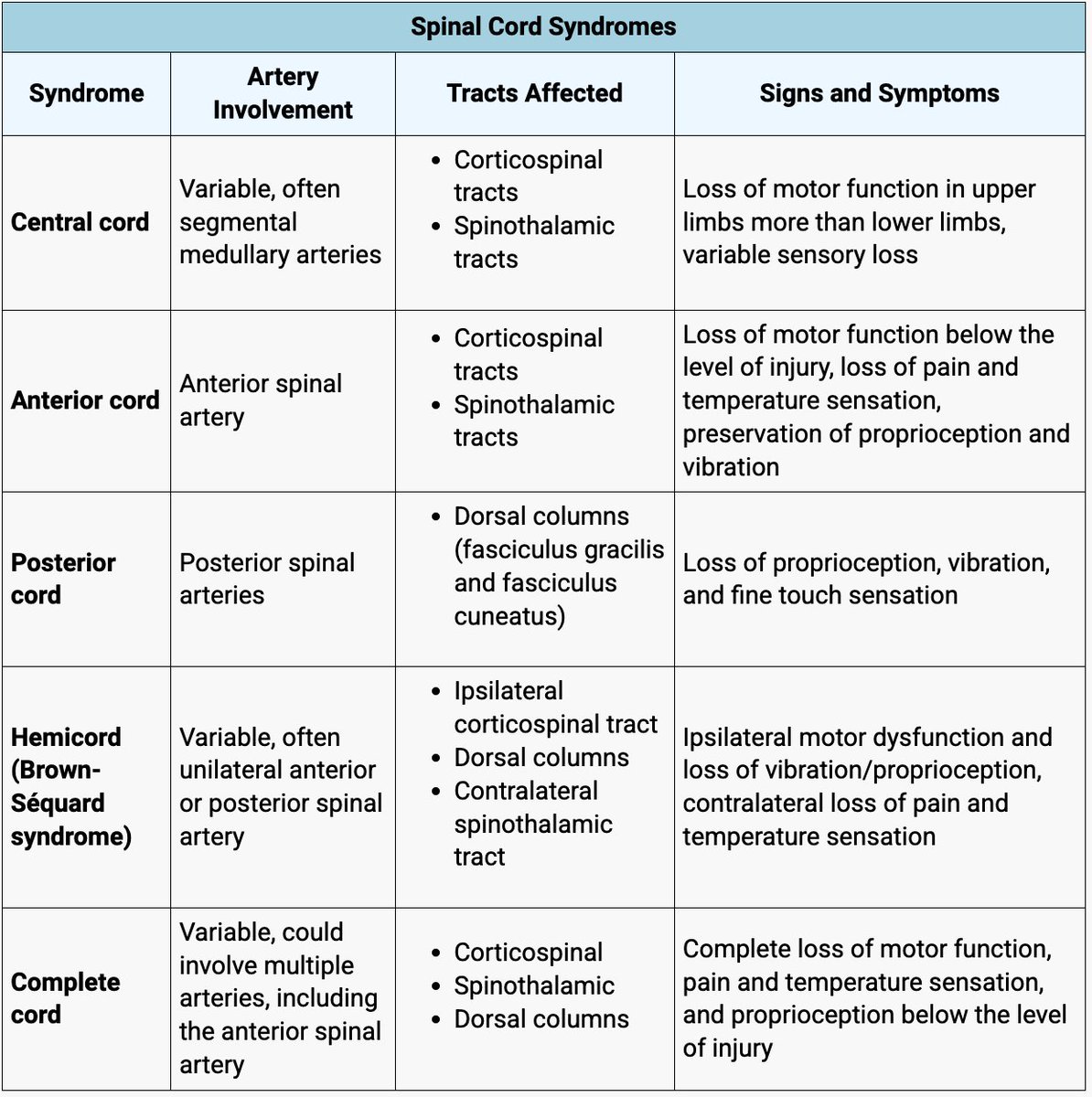
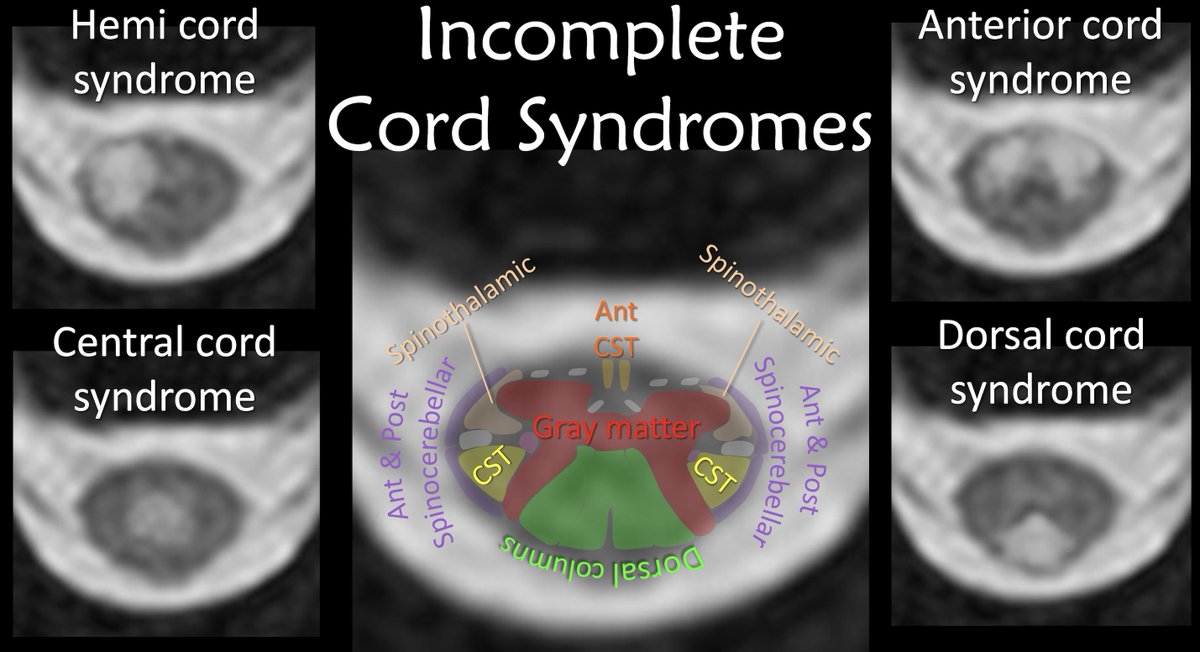
1/”I LOVE spinal cord syndromes!” is a phrase that has NEVER, EVER been said by anyone.
Do you become paralyzed when you see cord signal abnormality?
Never fear—here is a thread on all the incomplete spinal cord syndromes to get you moving again!
8/Now you know the best signs of tumor recurrence on imaging!
Remember these 5--it may mean the tumor is alive!
Hopefully now you know when tumor progression should make your impression!
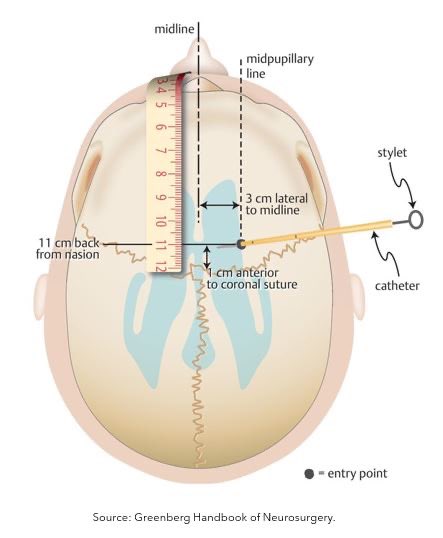
🧠 External Ventricular Drain Safety: Essential Guidelines for Anesthesia Professionals 🧠
❓What are external ventricular drains (EVDs)?
An EVD is a multi-orifice catheter placed into the brain's cerebrospinal fluid (CSF) space (ventricle) to facilitate CSF diversion. Annually, over 25,000 patients in the U.S. require EVD placement, and these patients may present for care in the operating room or non-operating room locations.
🚨Safety concerns about EVDs
EVD complications like overdrainage, under-drainage, inadvertent medication injection, and transport-associated intracranial pressure elevation can result in poor neurological outcomes. Many anesthesia professionals are not routinely comfortable managing EVDs, making education and proficiency essential.
Okhmatdyt annually treats 20,000+ children from all over Ukraine. The missile completely destroyed the operating rooms, entire toxicology wing & life-saving equipment. The children have been evacuated to other hospitals. Every donation matters. PLEASE HELP https://t.co/oozeebcfGl
#OnlineFirst: Endoscopic transorbital approach to the petrous apex: is orbital rim removal worthwhile for the exposure? An anatomical study with illustrative case.
https://t.co/gBoFo46ECq.
External ventricular drains (EVDs) are one of the most common procedures in neurosurgery… And having to troubleshoot said EVDs that stop working (usually in the middle of the night) is ALSO common, though not always intuitive 📟🫠
How to troubleshoot an EVD - a thread 🧵 /1
1/Nothing is more CENTRAL to reading an MRI than finding the CENTRAL sulcus!
How do YOU find it?
Luckily it’s as easy as ABC—literally it’s just finding a few letters!
Here’s a 🧵about findings the HIDDEN letters on a brain MRI that will point you to the central sulcus!