Laylah, finansal danışmanlar için bir CRM'den çok daha fazlası olacak. Mimarın kararı ile Laylah holistik iptal edildi. İsim kişiye ait değildir. Gelecekte Laylah ekibi olarak daha yeni başlıyoruz.
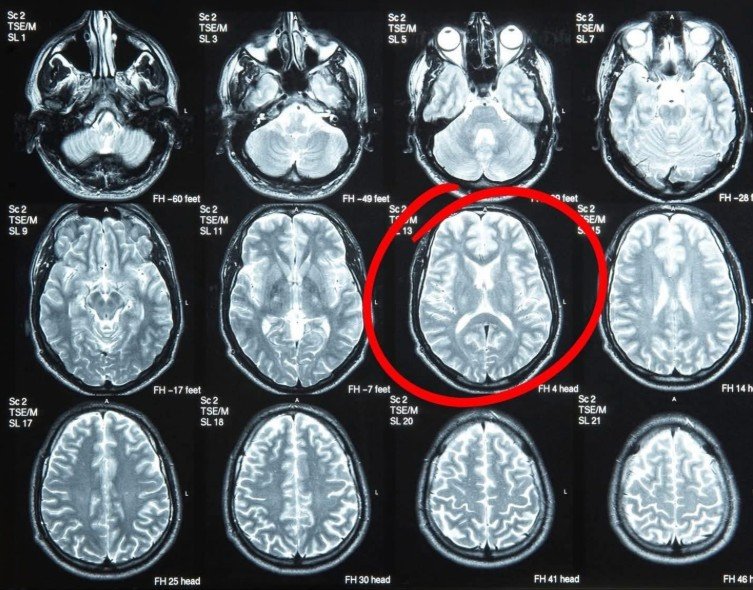
The human eye contains no mechanism for detecting color. Photoreceptor cells detect electromagnetic wavelengths and
convert them into electrical signals. The visual cortex then constructs the experience of color from those colorless frequency inputs. Every color perceived
by any human being in history was built inside the brain. The external world contains no color. Only wavelength.
Hubel, D.H. & Wiesel, T.N. Nobel
Prize in Physiology or Medicine. 1981.
🧠 Could a Simple Nose Spray Be the Future of Brain Treatment?
Scientists have created a special nasal gel that may help deliver medicine directly to the brain by bypassing the blood-brain barrier. This experimental technology could one day improve treatments for Alzheimer's, Parkinson's, and ALS while reducing side effects.
The research is still in the laboratory stage and has not been tested or approved as a treatment in humans—but it offers an exciting glimpse into the future of brain medicine.
Source:
Advanced Functional Materials. (n.d.). Thermosensitive nasal hydrogel for brain-targeted drug delivery.
A comprehensive assessment of twins and their families reveals that narcissistic traits are inherited genetically, contradicting the popular belief that parenting styles cause narcissism. Individual experiences outside the home shape the remaining… https://t.co/Vilg7R1jEf
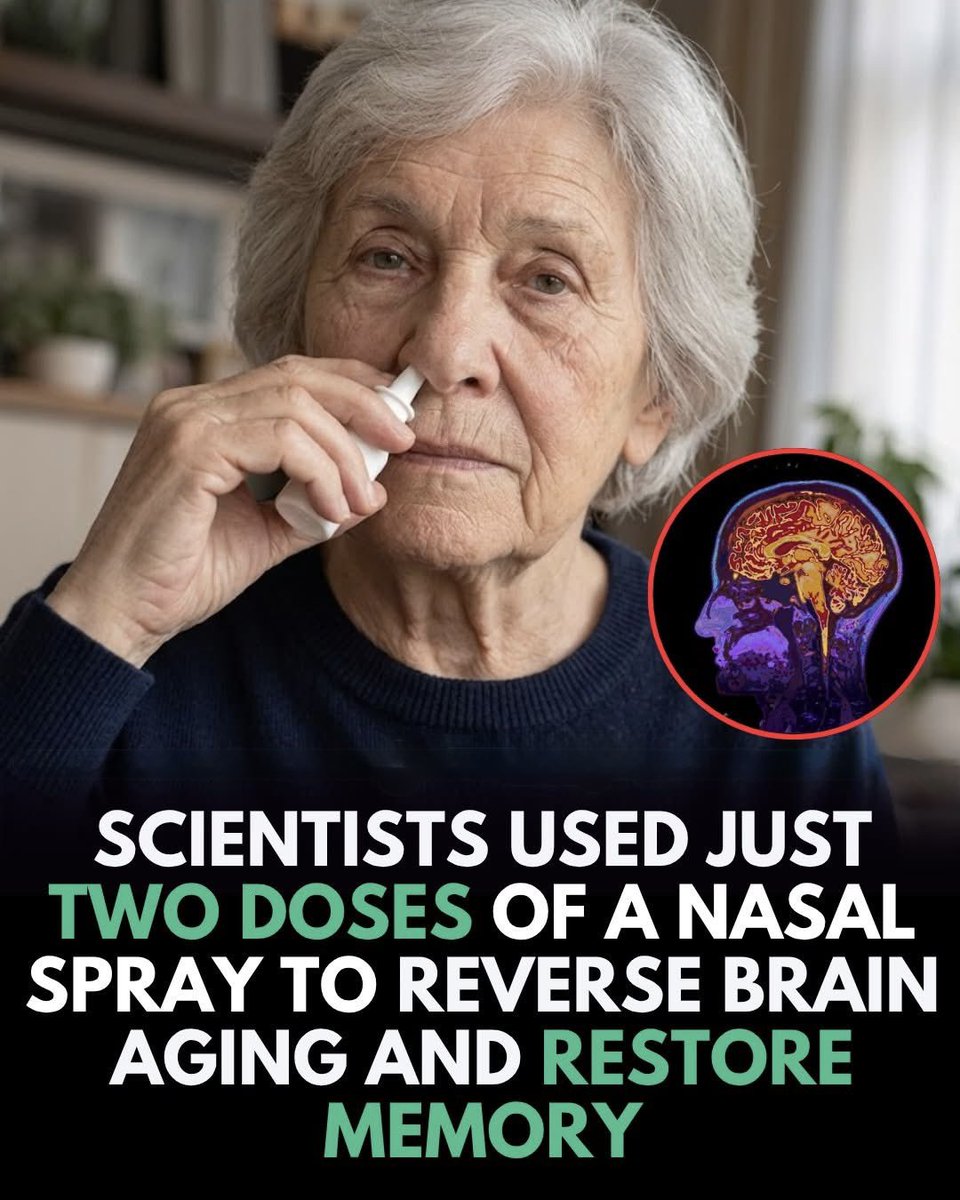
Scientists have just developed a revolutionary nasal spray that can successfully reverse age-related memory loss and cognitive decline in a matter of weeks.
Biomedical researchers at Texas A&M University have achieved a monumental breakthrough in cognitive health. They developed a non-invasive nasal spray that delivers microscopic biological particles, known as extracellular vesicles, directly into the brain.
This revolutionary delivery method completely bypasses the restrictive blood-brain barrier. Just two doses were enough to successfully target "neuroinflammaging"—the chronic buildup of inflammation in memory-critical regions previously thought to be completely irreversible.
Within weeks, the experimental treatment dramatically reduced brain inflammation, restored cellular energy, and significantly improved memory function. With results lasting for months, this 2026 discovery could become one of our most critical weapons against severe cognitive decline and Alzheimer's disease.
Recent studies in neuroscience and psychology are reframing ADHD not merely as a set of cognitive hurdles but as a powerful driver of breakthrough creativity and innovation.
Long stereotyped for difficulties with focus, attention, and impulse control, individuals with ADHD traits often exhibit superior divergent thinking—the capacity to generate a wide array of novel ideas by connecting distant or unrelated concepts. This stems from reduced adherence to rigid mental frameworks, enabling freer conceptual expansion and the production of more original, unconventional solutions than neurotypical counterparts. Heightened mind-wandering, especially when deliberate (purposefully allowing thoughts to drift), acts as a fertile source for this creativity, bypassing conventional boundaries to yield abundant "outside-the-box" insights.
Complementing this cognitive flexibility is a neurological drive for novelty rooted in lower baseline dopamine signaling. This creates a chronic need for stimulation, translating into exploratory, risk-tolerant behavior and a propensity for adventure—qualities that can disrupt routine settings but prove invaluable in dynamic fields. Impulsivity, often reframed as rapid action initiation, becomes a catalyst for pursuing bold ideas and seizing opportunities in high-stakes environments.
These traits align closely with the profiles of many successful entrepreneurs, inventors, and pioneers. In fast-evolving creative and innovative economies, the ADHD brain's wiring for quick associative leaps, tolerance of uncertainty, and motivation through novelty-seeking provides a distinct edge, turning potential challenges into engines of originality and progress.
Emerging evidence from 2025–2026 research reinforces this view: studies link stronger ADHD traits to elevated creative achievements via mediated mind-wandering, intuitive insight-driven problem-solving, and higher real-world inventive output, highlighting neurodiversity's role in fueling societal advancement.
[Maisano, H., et al. (2026). ADHD Symptoms Predict Distinct Creative Problem-Solving Styles and Superior Solving Ability. Personality and Individual Differences (February 2026)]
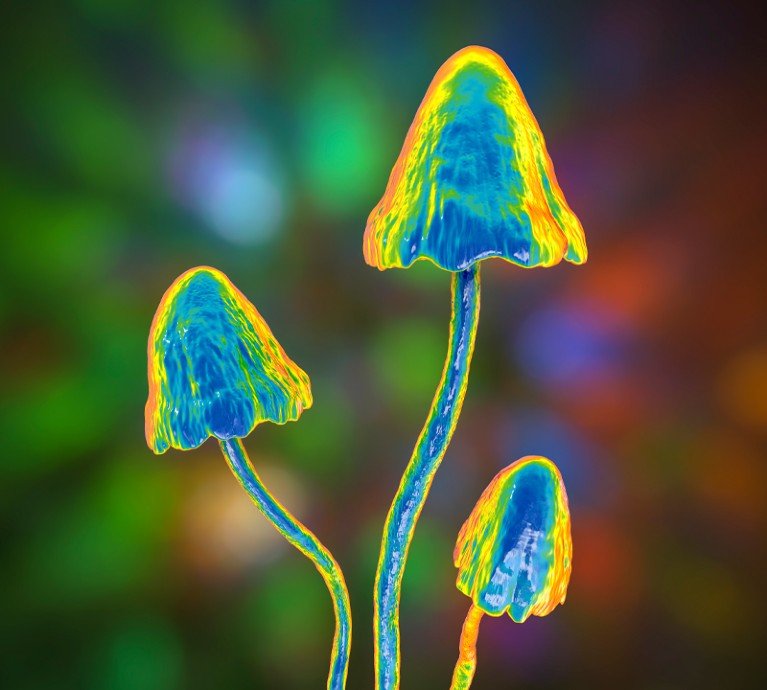
Psilocybin ‘magic’ mushrooms cause you to grow new brain cells, repair damaged brain cells and create new neuro pathways that stay with you for the rest of your life.
This has been scientifically proven.
Psychedelics give full access to your entire brain
UNUSUAL🚨: Scientists discover that silence regenerates the brain─ being in complete silence for at least 2 hours a day can stimulate the creation of new brain cells, especially in regions linked to memory and learning.
SQL veritabanları oluşturmak için harika bir kaynak:
✓ Yapay zeka ile tablolar ve veriler oluşturur
✓ Diyagramlar ve ilişkiler çizer
✓ Tek tıklamayla Supabase'e dağıtır
En iyisi de, ücretsiz → https://t.co/r5KRsMFChI








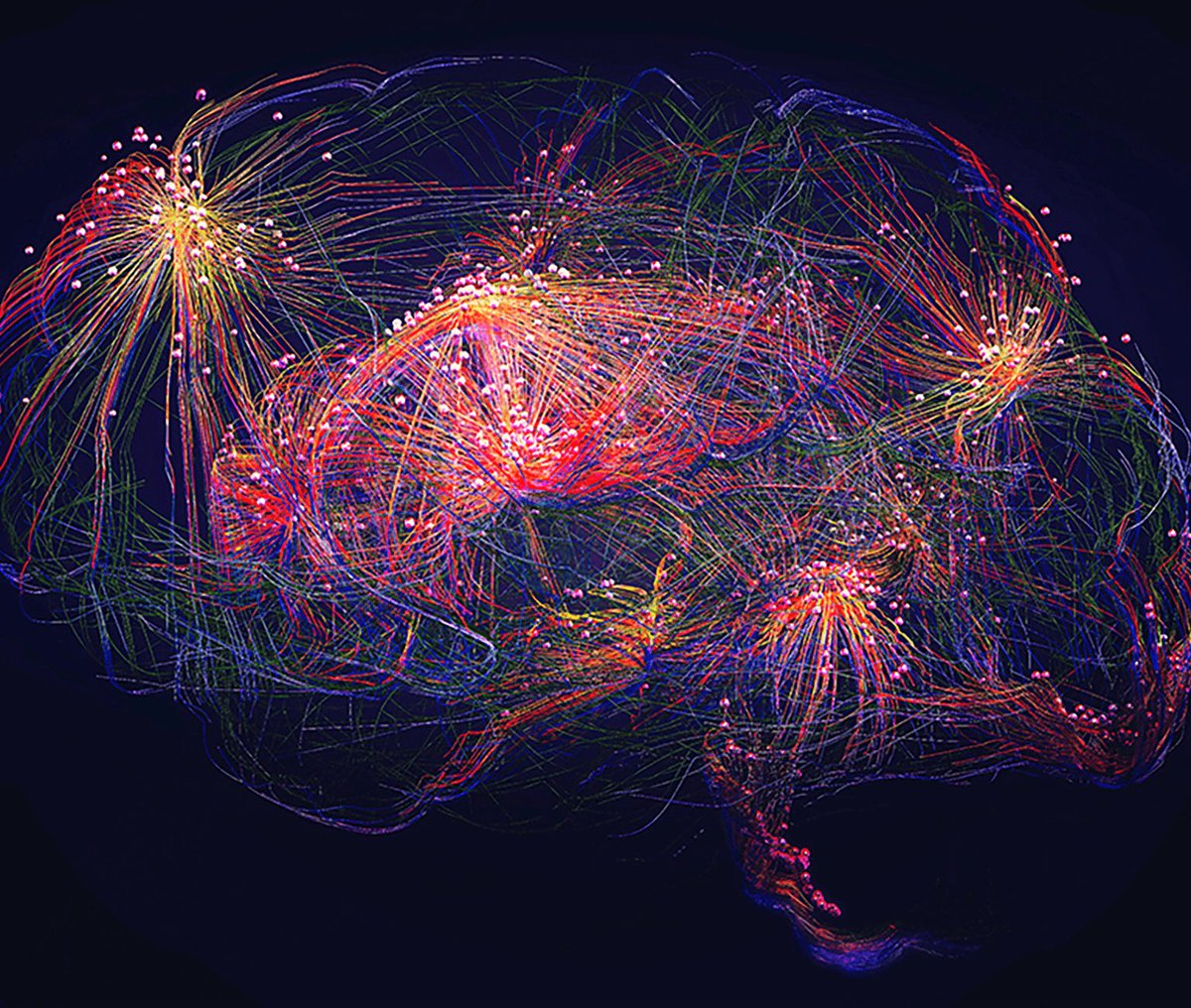
![Rainmaker1973's tweet photo. Recent studies in neuroscience and psychology are reframing ADHD not merely as a set of cognitive hurdles but as a powerful driver of breakthrough creativity and innovation.
Long stereotyped for difficulties with focus, attention, and impulse control, individuals with ADHD traits often exhibit superior divergent thinking—the capacity to generate a wide array of novel ideas by connecting distant or unrelated concepts. This stems from reduced adherence to rigid mental frameworks, enabling freer conceptual expansion and the production of more original, unconventional solutions than neurotypical counterparts. Heightened mind-wandering, especially when deliberate (purposefully allowing thoughts to drift), acts as a fertile source for this creativity, bypassing conventional boundaries to yield abundant "outside-the-box" insights.
Complementing this cognitive flexibility is a neurological drive for novelty rooted in lower baseline dopamine signaling. This creates a chronic need for stimulation, translating into exploratory, risk-tolerant behavior and a propensity for adventure—qualities that can disrupt routine settings but prove invaluable in dynamic fields. Impulsivity, often reframed as rapid action initiation, becomes a catalyst for pursuing bold ideas and seizing opportunities in high-stakes environments.
These traits align closely with the profiles of many successful entrepreneurs, inventors, and pioneers. In fast-evolving creative and innovative economies, the ADHD brain's wiring for quick associative leaps, tolerance of uncertainty, and motivation through novelty-seeking provides a distinct edge, turning potential challenges into engines of originality and progress.
Emerging evidence from 2025–2026 research reinforces this view: studies link stronger ADHD traits to elevated creative achievements via mediated mind-wandering, intuitive insight-driven problem-solving, and higher real-world inventive output, highlighting neurodiversity's role in fueling societal advancement.
[Maisano, H., et al. (2026). ADHD Symptoms Predict Distinct Creative Problem-Solving Styles and Superior Solving Ability. Personality and Individual Differences (February 2026)]](https://pbs.twimg.com/media/HGraT9tXMAANR_7.png)