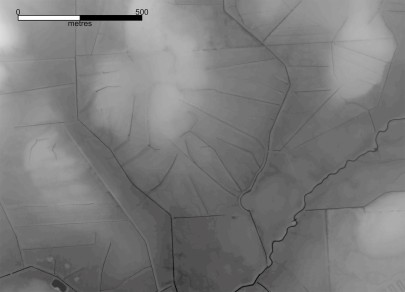
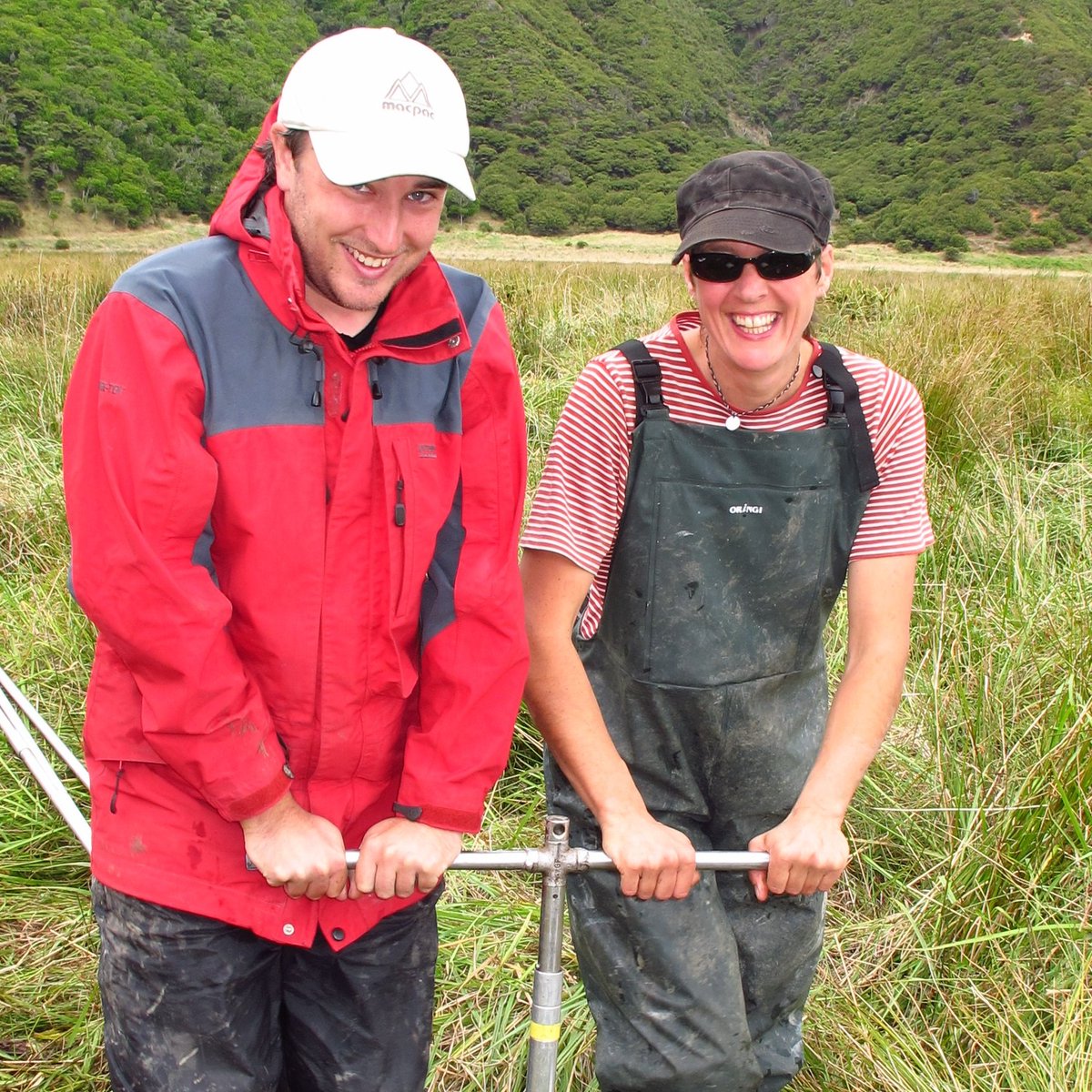
Wetlands are a rapidly diminishing habitat globally but are key to supporting diverse biota. We show how #LiDAR can be used to reveal the potential (currently under-estimated) risk of anthropogenic drainage in existing #wetlands@OliviaRata@MWLR https://t.co/GEQKfNaouW
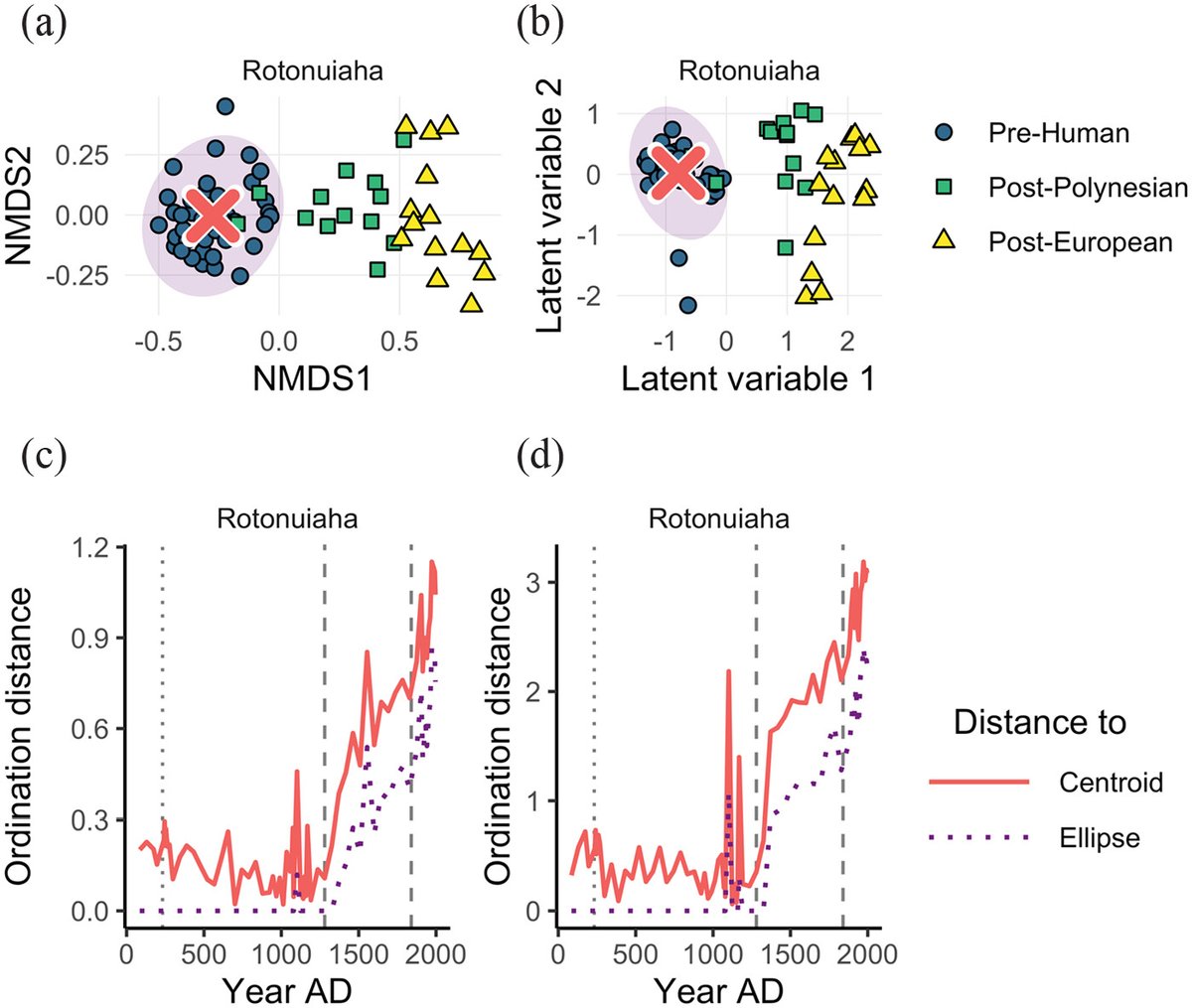
Need a helpful guide to assess distance from ecological baselines and change over time in your palaeoecological records? new paper led by @OliviaRata with worked examples and code in 'baselines' at https://t.co/egZuVLFbmk https://t.co/gFduGsUnhk
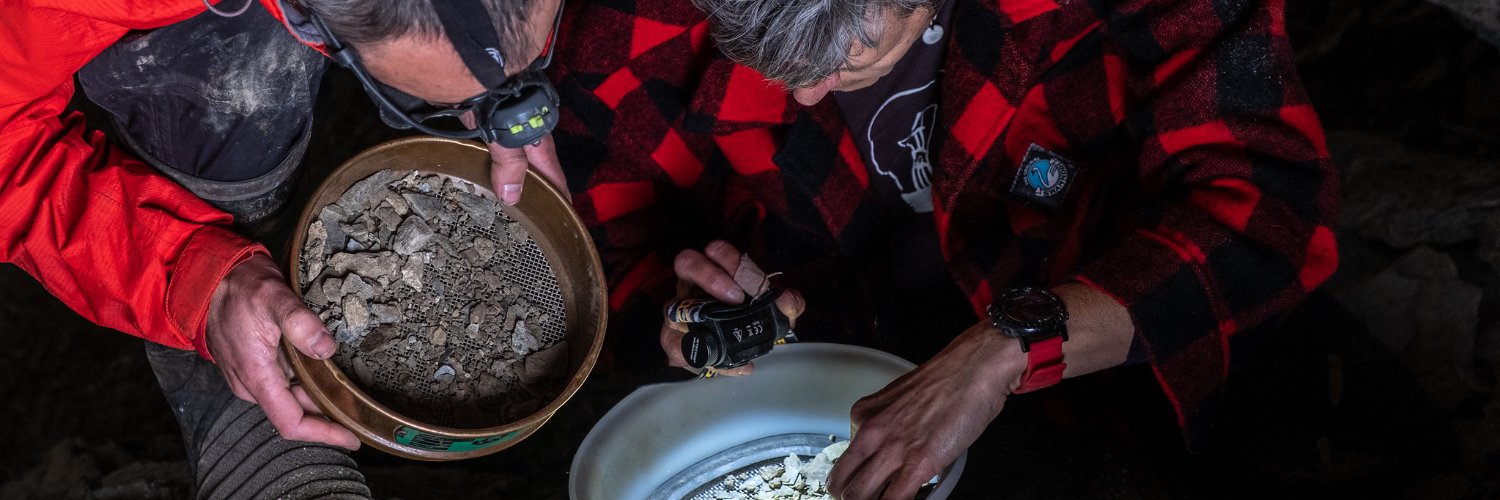
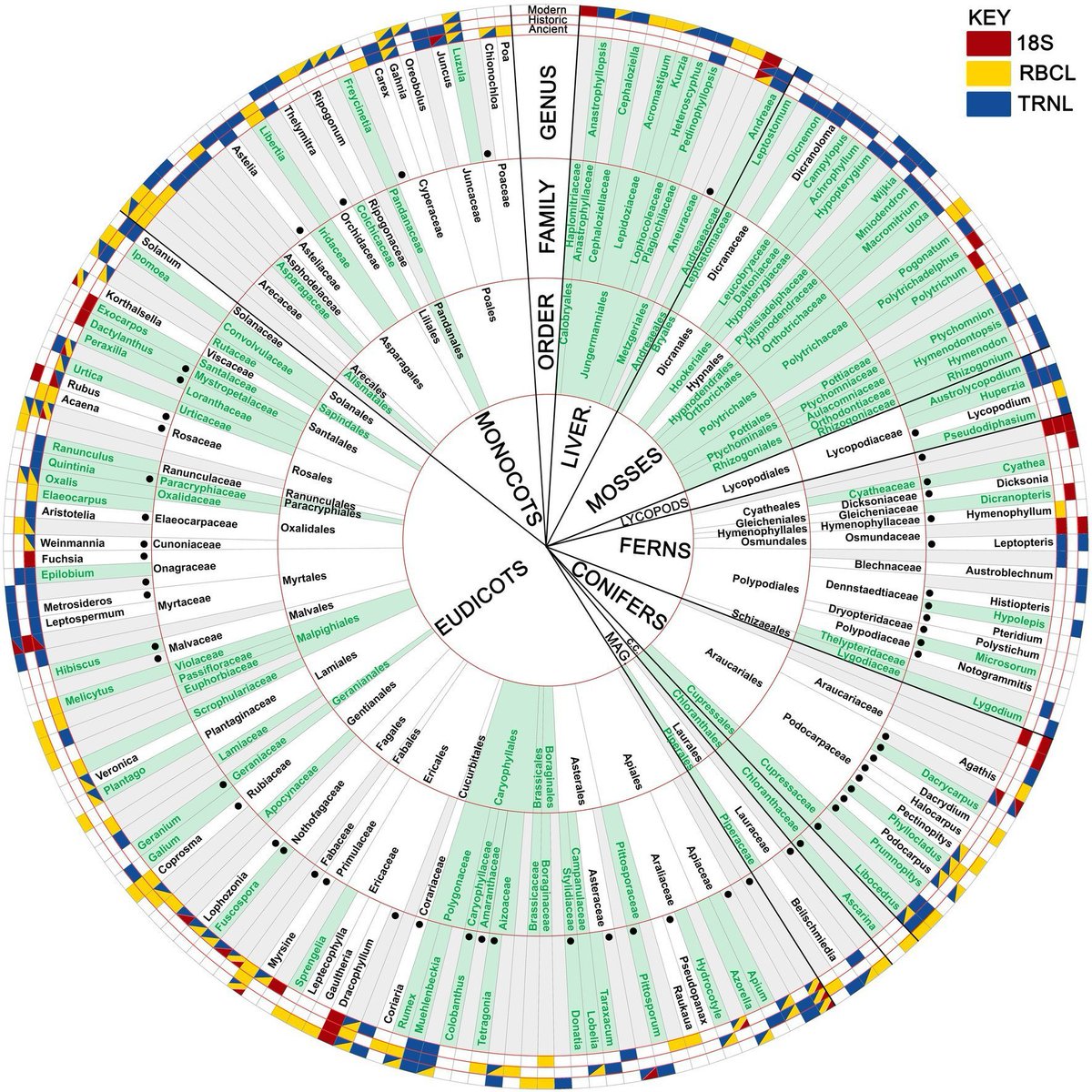
New dietary study led by Alex Boast on coprolites and historic scats from endangered kākāpō identifies #palaeoecological surprises among the 24 Orders, 56 Families, and 57 native plant genera unrecorded in their modern diet #kakapo#metabarcoding#pollen https://t.co/udBBnGE1H1
Our new paper, led by Anna Walentowitz @ArchipelagoAnna, uses pollen records from islands around the world to document the introduction and establishment of non-native species #pollen#palaeoecology https://t.co/ymrIMbzTSH
@mwlr_nz Congratulations @ArchipelagoAnna !
Hearty congratulations to friend, colleague and inspiring researcher Phil Lyver @mwlr for being a newly elected Ngā Ahurei a Te Apārangi Fellow. Tīhei mauriora!
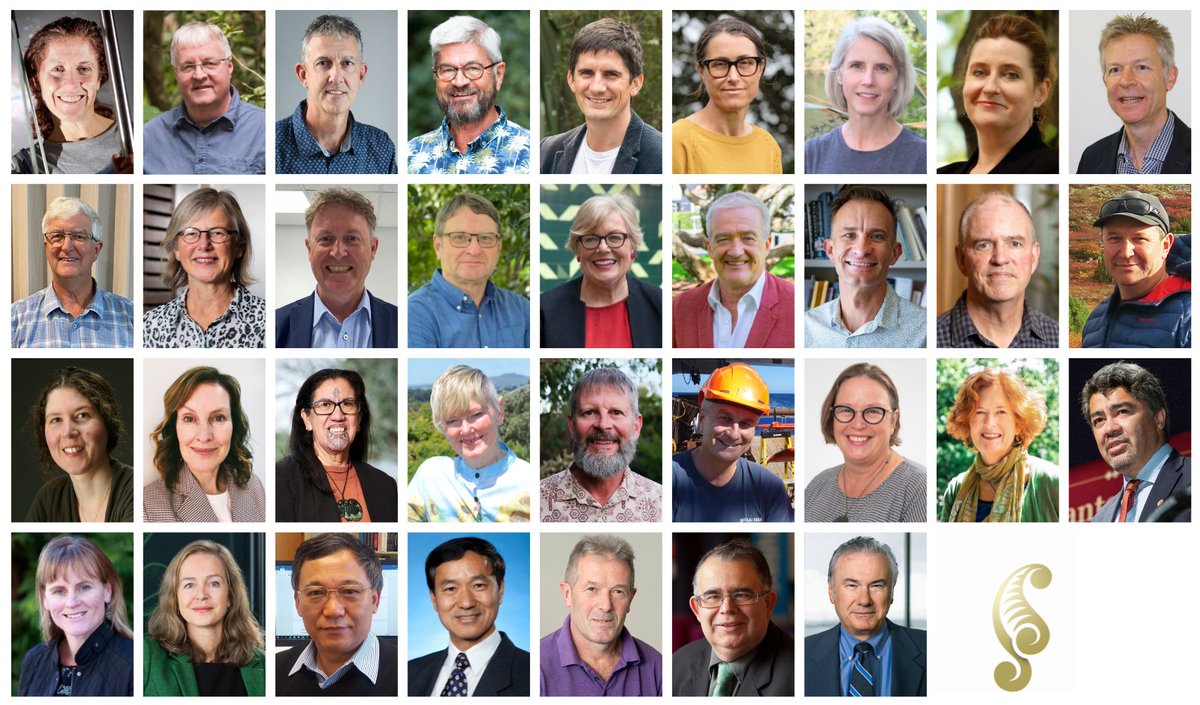
Ka rawe! Congratulations to our latest Ngā Ahurei Fellows elected to our Academy for distinction in research and advancement of science, technology or the humanities: https://t.co/p0vxHPN4UM
New research combining historical observations and palaeoecological records of kākāpō with probabilistic extinction-date estimators reveals different and shifting drivers of decline across NZ over 800 yrs before its near extinction in the 1990s #kakapo https://t.co/9nqbJ0Llf3
Check out what our PhD student Jacqui Vanderhoorn's plans are for creating a database of New Zealand's pollen records in her talk "QUAVONZ: The Quaternary Vegetation of New Zealand Database" this afternoon at 2pm. Good luck Jacqui! @mwlr#nzes2022
Watch out for Jo Carpenter's @mwlr presentation at 11:30 today on Palaeoecological and historical observations of kākāpo reveal shifting drivers of decline over 800 years #nzes2022
Another warm welcome, this time to @KierenJMitchell who joins our LTEL team as a new palaeoecologist. So great to have our ancient DNA lab cranking again and to have such a fantastic new palaeoecology team at @mwlr_nz. Watch this space 😊
HOTRUNZ is a new open access 1km resolution monthly 1910–2019 time series of interpolated temp and rainfall grids from NZ (with associated uncertainty). Available to start exploring your long-term biological trends against now! https://t.co/1lOyQjQHlb @MWLR
The @mwlr_nz Long Term Ecology Lab @lcr_ltel is seeking to recruit a specialist palaeoecologist to work at the interface between palaeoecological and ecological applications to help inform current conservation issues in NZ.
https://t.co/QUqydq8vh4
Rare opportunity in high-profile environmental leadership to take the helm of NZ's Crown Research Institute for land, environment and biodiversity.
“Kia mauriora te whenua me tōna Taiao”
Make the life-force and vitality of the land strong.
https://t.co/6nzN3BxZoP
Farewell @larusnz from @LCR_LTEL as you leave @mwlr_nz for @uniofadelaide. We wish you all the best for the exciting opportunities that lie ahead. What a brilliant 13 yrs we have shared - we will miss you heaps but look forward to collaborating over the ditch. Ka kite ano e hoa!
A great opportunity to come and work with an awesome team of ecologists! @MWLR @_fleecepants @McCarthyEcology@OliviaRata @jmwilmshurst and many others (who aren't on twitter ;-) https://t.co/H8qcULuz5O
We're seeking an early to mid-career plant ecologist who can integrate field data with spatial & temporal analyses to address questions relating to a range of ecosystems (inc. naturally uncommon, regen. shrublands, indig. forests).
https://t.co/wFTo36s3vS
#scijobs#ecology